




Vintage Metal Dog Figurine
These vintage metal dog figurine examples capture canine character across bronze, cast iron, and spelter from the nineteenth century onwards.
Vintage Metal Dog Figurine
When you search for a vintage metal dog figurine, you encounter an array of domestic and sporting hounds rendered in various metals. These objects range from heavy functional doorstops and inkwells to delicate cold painted desk ornaments and car mascots.
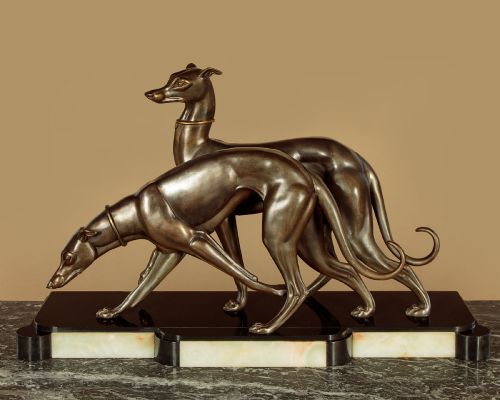
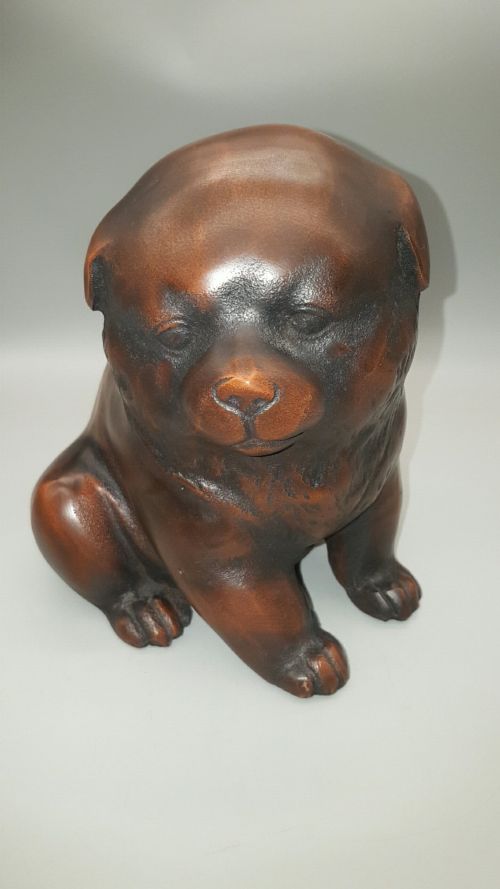
The selections available here lean heavily toward nineteenth-century animalier bronzes, Art Deco spelter figures, and cast iron pieces. You will find breeds from dachshunds and pugs to spaniels and terriers represented across different European and Asian traditions.
How they were made
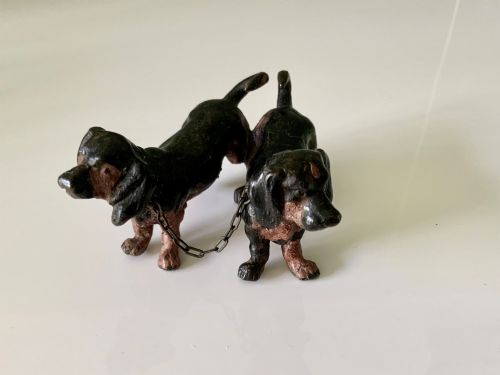
Many of these works utilise traditional casting methods in bronze, spelter, or cast iron, capturing fine musculature and fur detail. Founders applied patination or cold painted polychrome finishes directly onto the metal surface to create lifelike coloration.
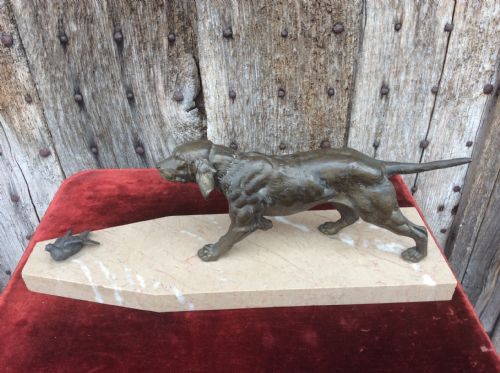
Some decorative items incorporate additional materials, mounting bronze or spelter figures onto marble plinths or combining them with glass inkwells. Surface treatment varies from polished patinas to detailed painted coatings that show gentle wear over time.
Materials span bronze, cast iron, spelter, pewter, and marble, representing periods from the Victorian era through the Art Deco movement.
What varies in quality
The distinction between standard production pieces and finer works rests in the crispness of the original cast and the precision of the chiselling. Superior examples retain sharp facial expressions and clean paw definitions without surface pitting from poor casting sand.
Painted and cold-painted finishes show varying degrees of preservation and artistic skill, where master workshops achieved subtle shading on fur and eyes. The weight of the metal and the presence of genuine foundry marks or signatures further distinguish master tier objects.
Tsunemitsu·C Masson·P de Soete·Franze Bergman·AL Barye·Barbedienne
The Vintage Metal Dog Figurine Glossary
- Animalier
- A nineteenth-century artistic movement focused on the realistic depiction of animals, particularly predators and sporting dogs. Practitioners often cast these works in bronze with careful attention to natural anatomy.
- Cold painted bronze
- A method where polychrome oil paint is applied to an unheated bronze casting and left to dry naturally. This technique gained prominence in Austrian foundries producing small cabinet figures.
- Spelter
- An alloy of zinc and lead used as a cost-effective substitute for bronze, particularly during the Art Deco period. It takes patination and paint well while offering a lighter overall weight.
- Car mascot
- A decorative metal figurine mounted on the radiator cap of an automobile during the early twentieth century. These pieces were frequently cast in bronze or spelter to withstand outdoor conditions.
Vintage Metal Dog Figurine: Frequently Asked Questions
How do I clean a cold painted bronze?
Cold painted finishes require gentle dusting with a soft dry brush to preserve the original pigment layers. Moisture and chemical cleaners will strip the delicate paintwork instantly.
Keep these pieces out of direct sunlight to prevent the colours from fading over the years. A dry, stable environment protects both the metal substrate and the surface coating.
What is the difference between bronze and spelter?
Bronze is a durable copper alloy that yields sharp casting details and develops a rich natural patina through handling. Spelter is a softer zinc-based metal that feels lighter and often shows a painted finish rather than a chemical patina.
Examining the underside or base usually reveals the heavier weight and deeper metallic tone of genuine bronze. Spelter can sometimes exhibit minor flaking of its surface coating if subjected to knocks.
Were these figures meant for desks?
Many smaller metal dogs served specific practical functions on nineteenth and twentieth-century desks. They were incorporated into inkwells, paperweights, or small trays for daily use.
Other examples functioned as novelty pepperettes, car mascots, or heavy doorstops for domestic interiors. Their dual role as utilitarian objects and decorative art explains their widespread production.
How can I date a cast iron dog?
Victorian and early twentieth-century cast iron pieces display deep surface texture and heavier oxidation patterns compared to modern reproductions. Tool marks from finishing and the specific weight of the iron indicate older manufacturing methods.
Examining the bolt fixings on doorstops or the style of the base provides clues regarding the manufacturing era. Period examples reflect the specific casting techniques and design aesthetics of their decade.