





Vintage Metal Dish
A vintage metal dish brings character to a room through its tactile weight and the distinct hand of its maker.
Vintage Metal Dish
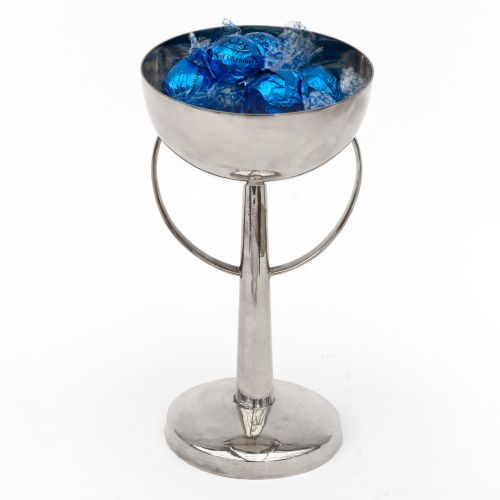
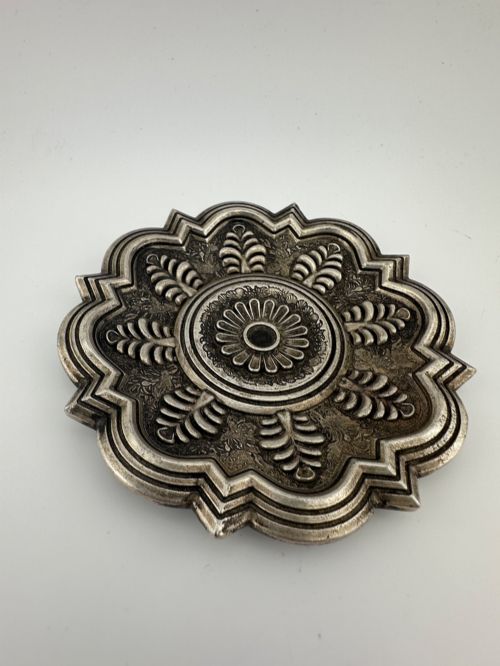
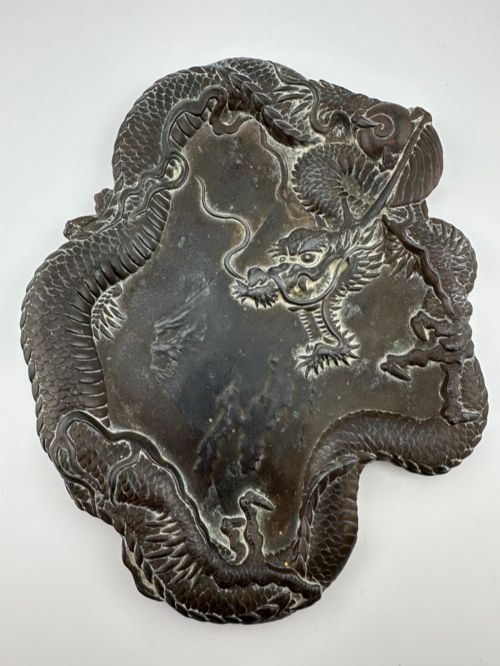
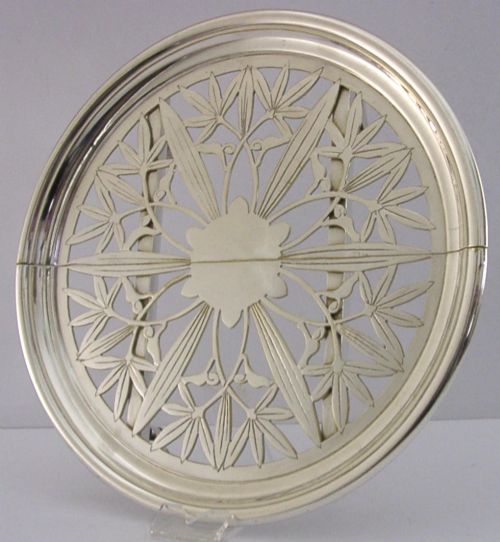
A vintage metal dish encompasses a broad spectrum of utility and ornament, spanning decorative bowls, desk tidies, and ceremonial chargers. These objects serve as functional vessels or purely decorative plaques, reflecting the domestic habits of past centuries.
The pieces on this page draw from diverse stylistic traditions, ranging from Japanese Meiji period enamel work and Chinese export vessels to British pewter plates and continental Art Nouveau trays. This variety means a buyer encounters everything from utilitarian pewter dining ware to elaborate bronze display pieces.
Origins stretch from English workshops and European foundries to Middle Eastern metalwork and East Asian studios. Each region imparts distinct methods of shaping and surface treatment to its metal dishes.
Materials and technique
Makers utilised a range of foundational metals including copper, brass, bronze, iron, and pewter, often shaping them through casting or heavy hammering. Surface decoration frequently involved intricate patination, cold painting, or the application of silver and gold inlay.
Enamel work appears prominently, particularly in cloisonne techniques where wire compartments hold coloured glass pastes fired onto a metal base. Other vessels display repousse work, where designs are hammered from the reverse side to create raised relief on the front.
Vintage Metal Dish Retail Price Guide 2026
Typical asking prices for vintage metal dish among the pieces listed under this phrase on Sellingantiques today, from the lower quarter to the upper quarter. They describe what is for sale here now, not the wider market.
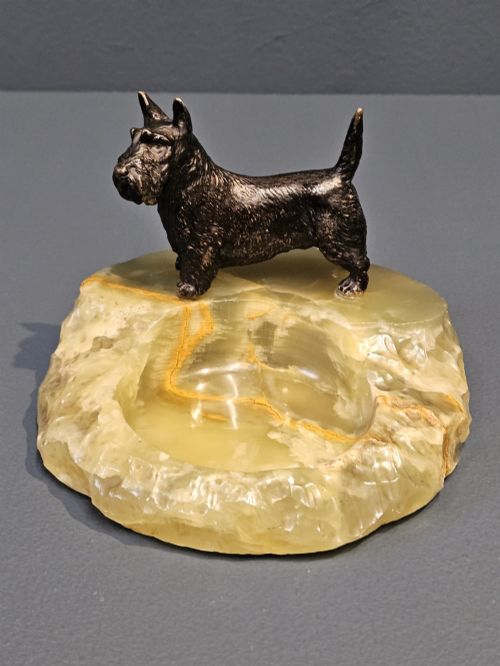
A cold-painted bronze dog desk tidy proves that historical desk organisation occasionally required a canine accomplice.
Distinctions in quality
Quality rests upon the crispness of detail in chased or inlaid motifs and the integrity of the original surface patination. Pieces that retain their intended finish without heavy abrasion demonstrate superior preservation.
The skill of the artisan dictates the overall success of the form, evident in the balanced weight of a cast bronze tray or the precise placement of wires in cloisonne enamel. Superior examples show deliberate artistic intent rather than hurried mass production.
T & H Compton·John Tubb·Robert Moulins II·Humphrey Evans II·WMF·Liberty & Co.
The Vintage Metal Dish Glossary
- Patina
- The surface oxidation and wear accumulated over time. This natural darkening adds depth to bronze and copper pieces.
- Cloisonne
- A technique where thin metal wires are soldered to a base to form cells for enamel paste. These cells are then fired and polished smooth.
- Repousse
- A method of metalworking where a design is hammered into relief from the reverse side. It creates three-dimensional decoration on chargers and bowls.
- Takazogan
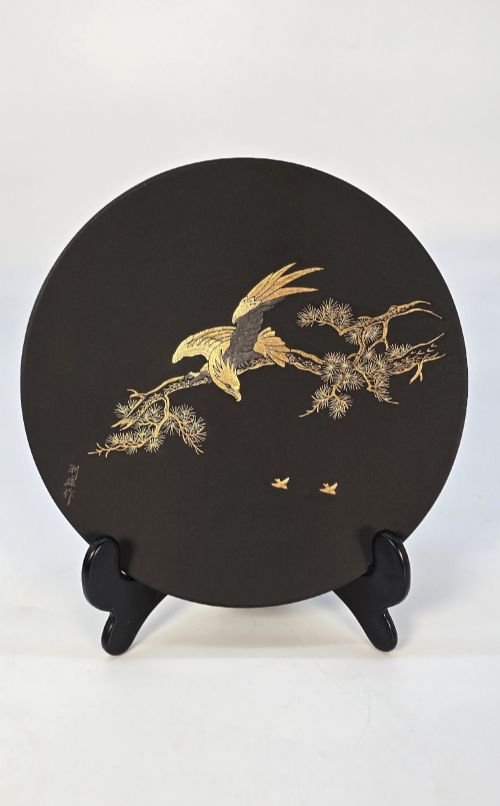
- A Japanese inlay technique using various metals applied to an iron or bronze background. It produces detailed pictorial scenes.
Vintage Metal Dish: Frequently Asked Questions
How do I clean a vintage metal dish?
Most patinated surfaces require only a gentle dusting with a soft dry cloth to preserve their age and character. Aggressive polishing removes the historical oxidation that gives these objects their visual depth.
For unpolished pewter or sturdy brass, a mild soap solution can remove grime, provided the piece is dried immediately afterwards. Avoid modern chemical dips entirely on antique metalwork.
Were these dishes meant for daily use?
Many pewter plates and copper vessels were produced for practical household dining or serving purposes. Over time, heavy handling imparted minor surface marks that record their utility.
Other items, such as Japanese cloisonne chargers or European decorative plaques, were strictly intended for display on walls or tabletops. Examining the weight and backing of a piece usually reveals its original intent.
How do I date a pewter dish?
Pewter dating often relies on touchmarks and maker stamps struck directly into the metal surface. These marks connect the piece to recorded guilds and working periods of specific craftsmen.
Rim styles also shift across centuries, moving from multiple reedings in earlier periods to plain rims later on. Comparing the weight and alloy composition provides further chronological context.
Can I use an antique tray for food?
Silver plated and pewter items originating from domestic dining traditions were originally safe for provisions, though older alloys may contain trace elements. Modern food safety standards differ significantly from historical manufacturing practices.
It is generally wiser to reserve antique metal dishes for dry presentation or decorative display rather than serving moist foodstuffs. Enamelled and inlaid pieces are strictly unsuited for direct food contact.