
Vintage Metal Bench
These vintage metal bench selections offer robust seating shaped from iron and steel for gardens, conservatories and halls alike.
Vintage Metal Bench
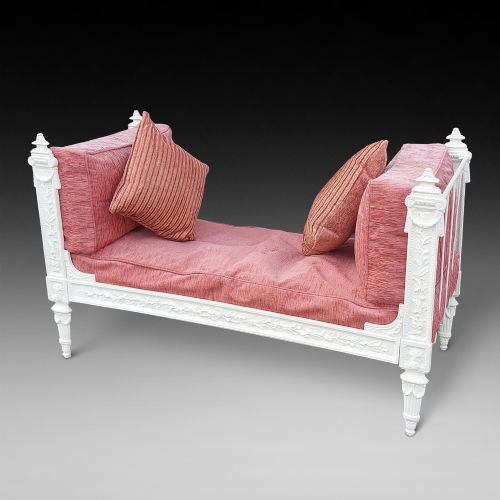
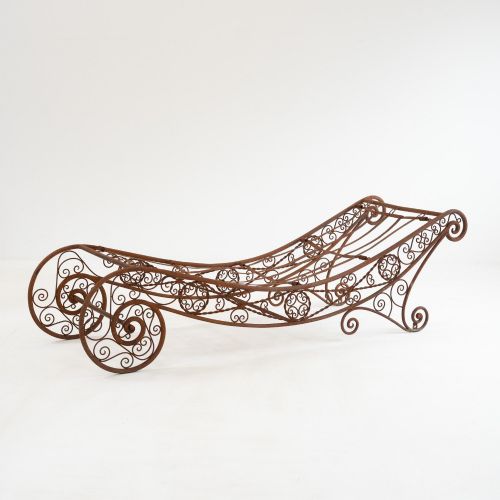
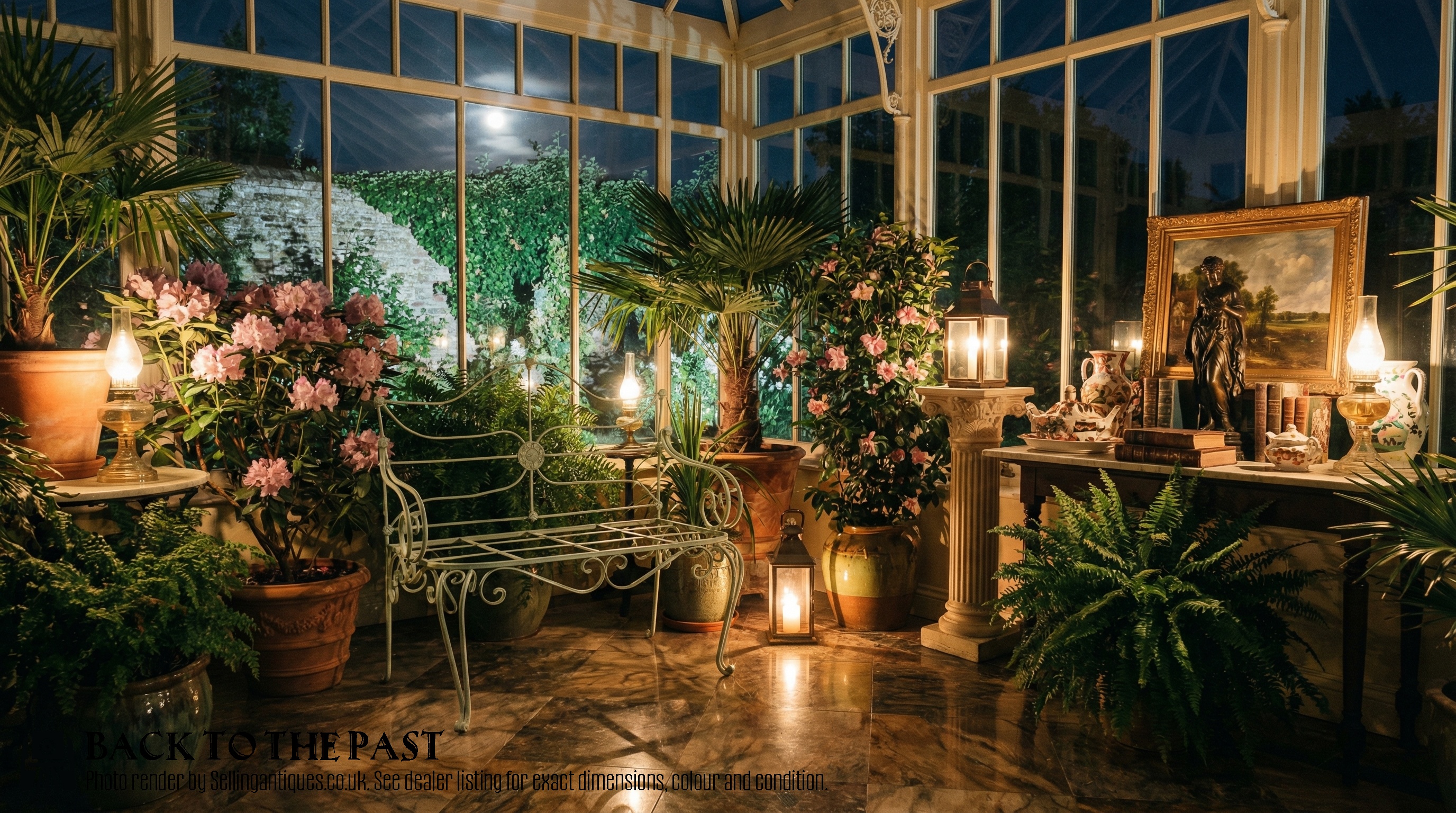
A vintage metal bench provides sturdy seating designed primarily for outdoor and conservatory use, spanning periods from the Regency era through the Victorian period and into the twentieth century. When exploring this selection, buyers encounter garden benches, daybeds, and club fenders fashioned from durable metals.
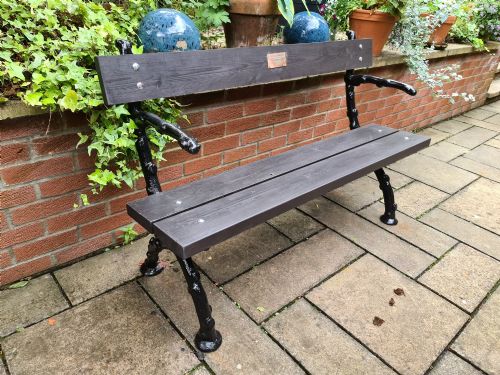
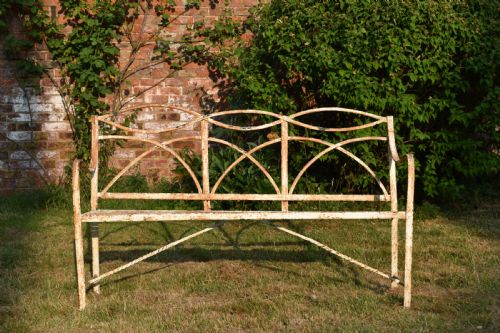
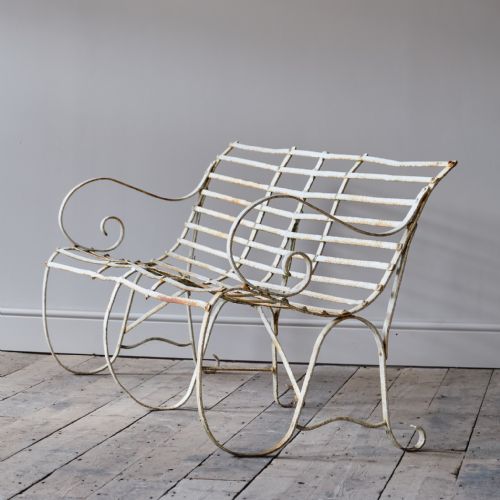
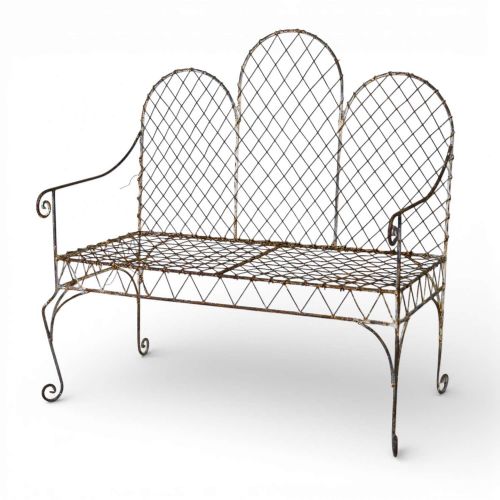
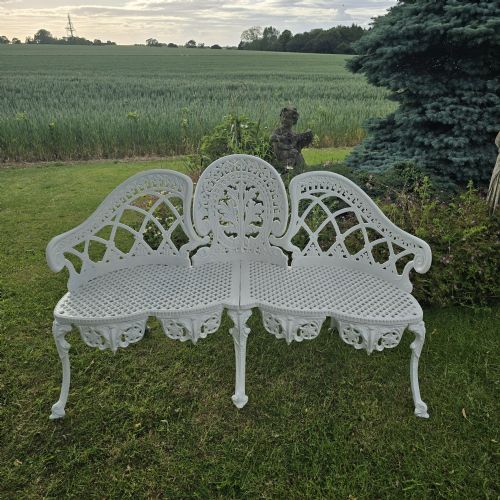
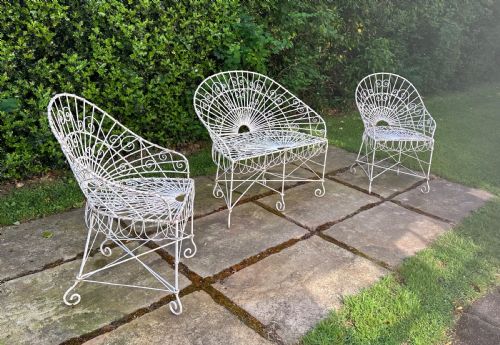
The most common versions appearing here are Victorian and nineteenth-century garden seats constructed from cast or wrought iron, frequently featuring strapwork or decorative side frames. Alongside these garden pieces, early twentieth-century steel and leather club fenders emerge, bridging the gap between hearthside furniture and metalwork.
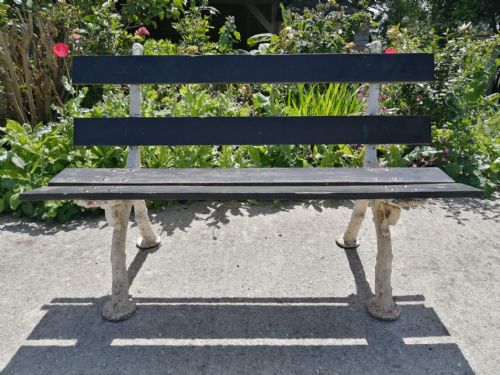
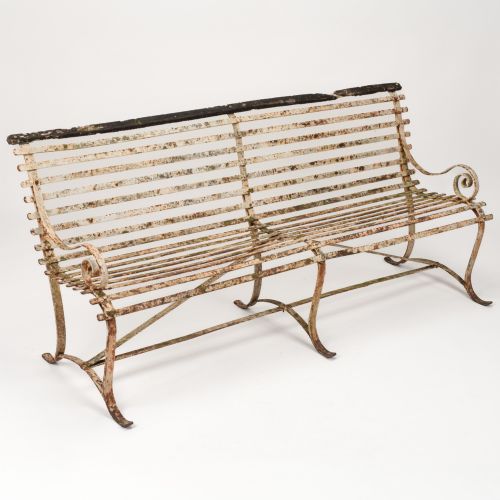
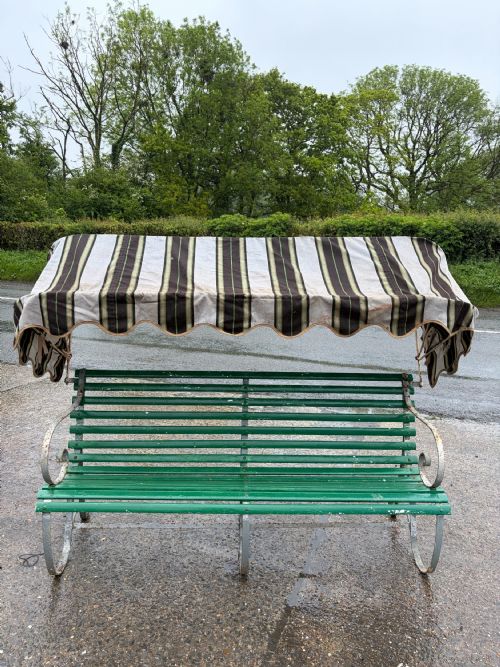
Forms range widely from rustic faux bois designs and French Gothic-influenced metalwork to architectural Arras pieces and canopy-topped garden seats. These objects serve practical seating needs while bringing structural form to lawns, patios, and interior hearths.
How they were made
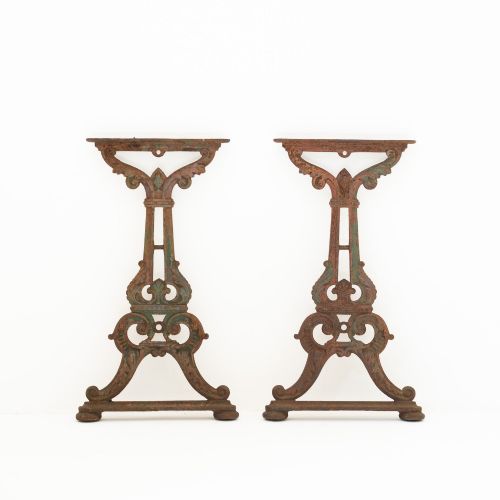
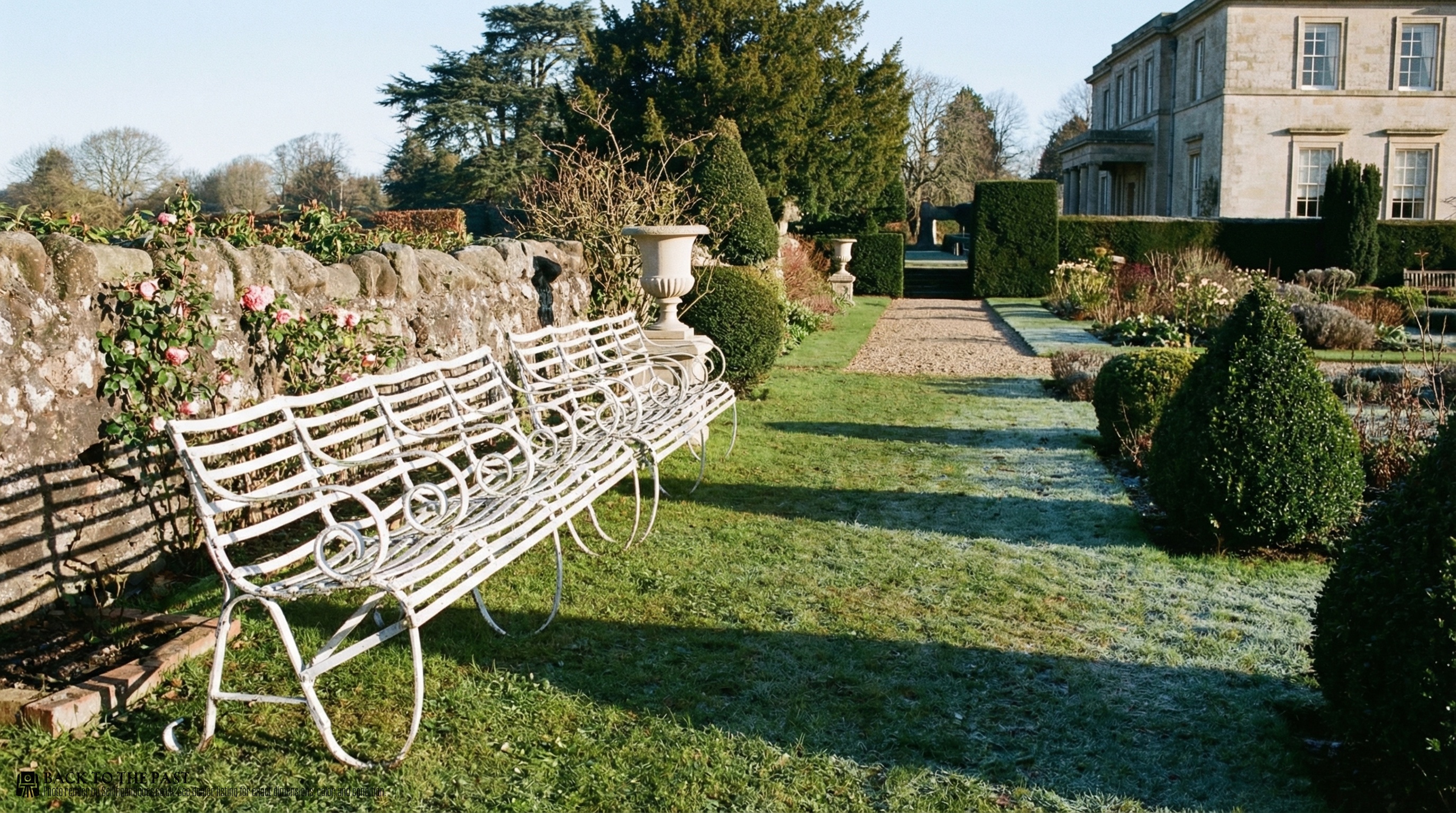
Makers utilised cast iron and wrought iron for the structural framework of nineteenth-century garden benches, employing casting techniques to achieve intricate pierced backs and detailed armrests. Steel also appears in later twentieth-century pieces, offering dependable tensile strength for club fenders and lighter frames.
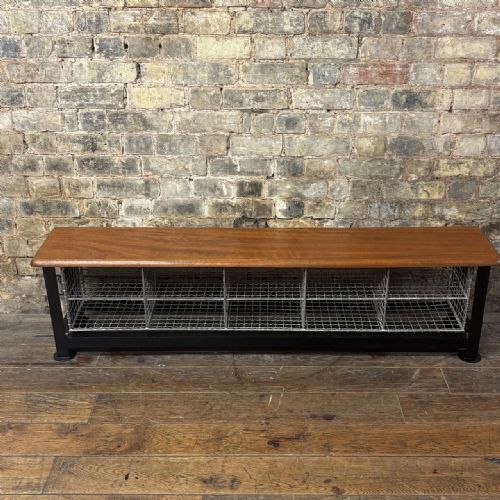
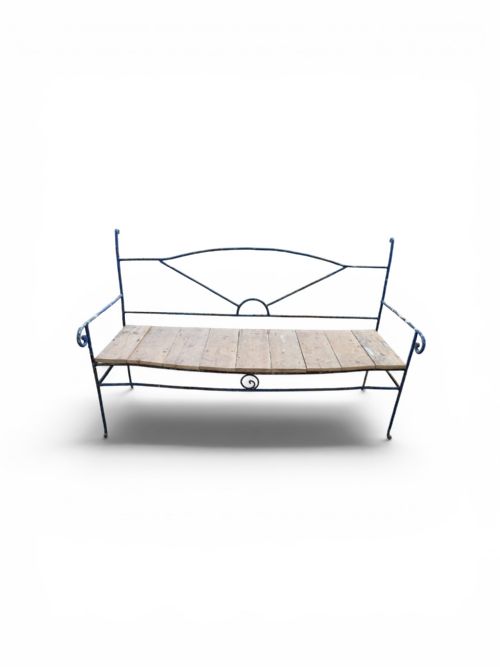
Many examples combine metal foundations with timber slats or leather upholstery, particularly on club fenders designed with padded seats for interior comfort. Protective layers of paint historically guarded the ironwork against outdoor corrosion, though surviving surfaces now show patination from decades of exposure.
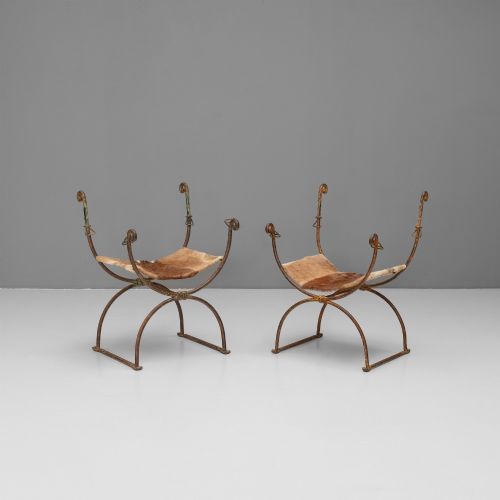
Object forms span garden benches, daybeds, club fenders, and Arras seats alongside matching armchairs and occasional tables.
What varies in quality
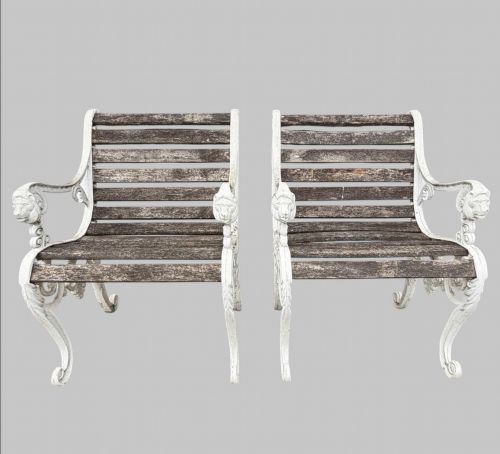
The refinement of the casting and forging work separates standard utility seating from masterworks of metal craftsmanship, visible in the crispness of strapwork details and decorative motifs like lion masks. Pieces carrying distinct attribution to prominent foundries demonstrate superior articulation in their decorative ironwork.
Structural integrity depends on the original gauge of the metal and the preservation of joints, where heavy cast iron offers solidity while finer strapwork requires precise forging. The condition of integrated timber components and original painted or weathered surfaces contributes significantly to the integrity of the piece.
Coalbrookdale
The Vintage Metal Bench Glossary
- Strapwork
- Flat bands of metal arranged in geometric or interlaced patterns across the backrest or seat of a bench. This technique provides structural rigidity while creating decorative openwork designs.
- Cast iron
- Molten iron poured into a mould to create rigid, highly detailed decorative components such as bench ends and armrests. It allows for complex ornamentation like faux bois bark textures and figural masks.
- Wrought iron
- Iron heated and hammered into shape by hand, producing tough and pliable structural elements. It defines the clean lines of strapwork garden seats.
- Club fender
- A low, padded hearth seat constructed with a metal frame enclosing the fireplace. They frequently incorporate steel or brass structures with leather upholstery.
- Faux bois
- A decorative style imitating wood grain cast directly into iron components. This technique creates the illusion of rustic timber branches using durable metal.
- Arras
- A specific French style of metal garden furniture characterised by riveted iron strapwork and curved slat construction. These pieces originate from northern French manufacturing traditions.
Vintage Metal Bench: Frequently Asked Questions
Can these metal benches stay outside all year?
Most cast and wrought iron garden benches are built to withstand outdoor environments through all seasons. Their metal construction handles natural weathering, though protective surface treatments help preserve the material over decades.
Winter conditions require minimal preparation, but checking painted surfaces prevents moisture from reaching the iron underneath. Placing them on stable paving rather than damp soil also reduces prolonged bottom moisture contact.
How do I care for a painted iron bench?
Maintaining painted metalwork involves keeping the surface clean and addressing minor flaking before rust develops. Gentle washing removes accumulated debris without harming the protective layers.
Applying suitable exterior metal paint to worn areas stops corrosion from spreading. Regular inspection of joints and fixings ensures the bench remains stable through repeated use.
What is a club fender used for?
A club fender provides low seating around the perimeter of a fireplace hearth during cooler months. The metal structure surrounds the fireplace opening while the padded top offers comfortable proximity to the fire.
These pieces also serve to demarcate the hearth area in larger rooms. Their combination of metal frames and leather upholstery bridges functional fireside seating with decorative room division.
How do I distinguish Regency style ironwork?
Regency style metalwork typically relies on restrained geometry, classical proportions, and clean strapwork configurations. The designs often echo architectural motifs from the early nineteenth century without excessive ornamentation.
Look for balanced proportions in the frame and disciplined arrangements of flat metal bands. This aesthetic prioritises structural clarity over the denser, naturalistic casting seen in later Victorian designs.