


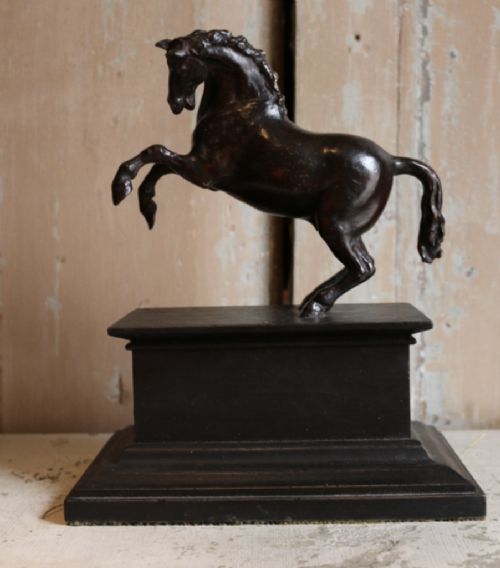


Vintage Metal Animal Statue
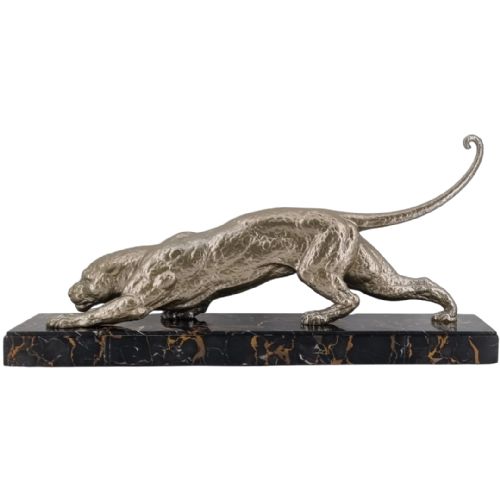
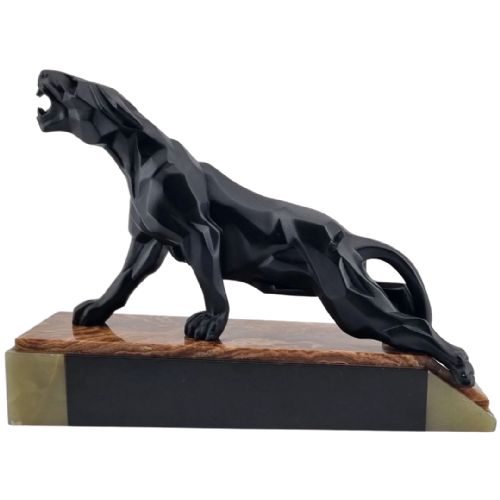
A vintage metal animal statue brings a distinct presence to a room, spanning periods from seventeenth-century horses to Art Deco panthers.
Vintage Metal Animal Statue
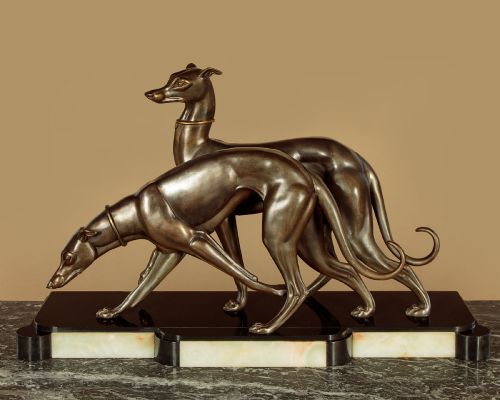
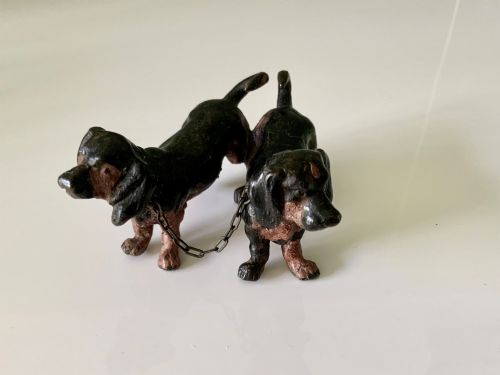
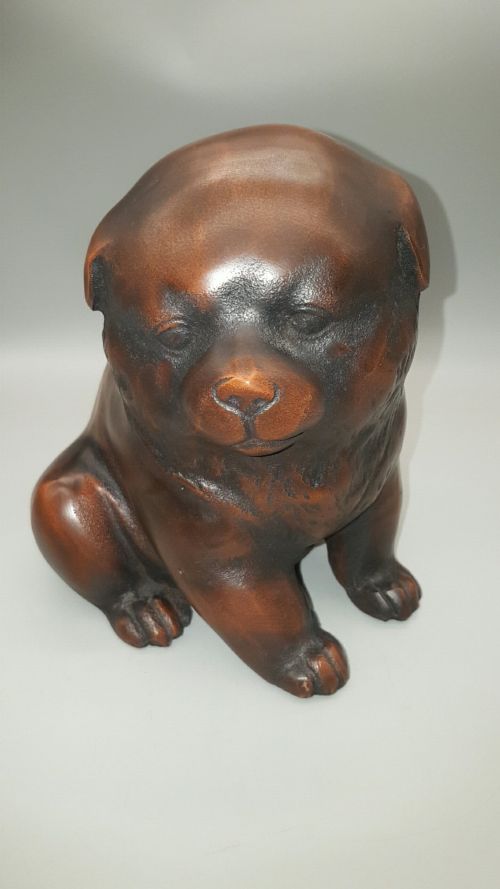
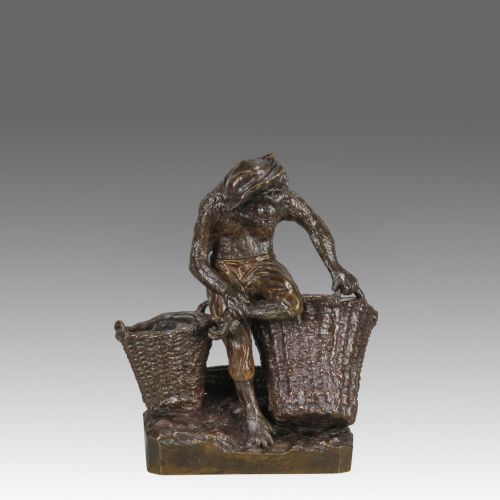
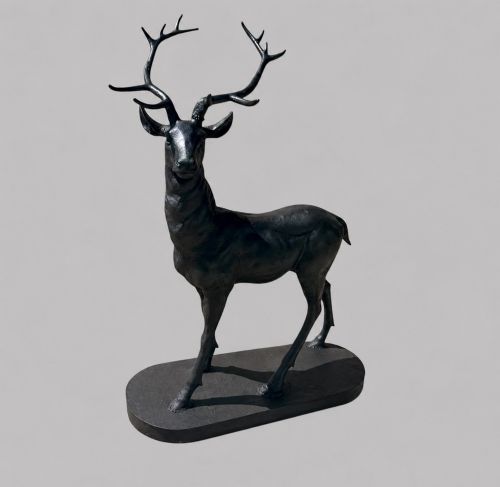
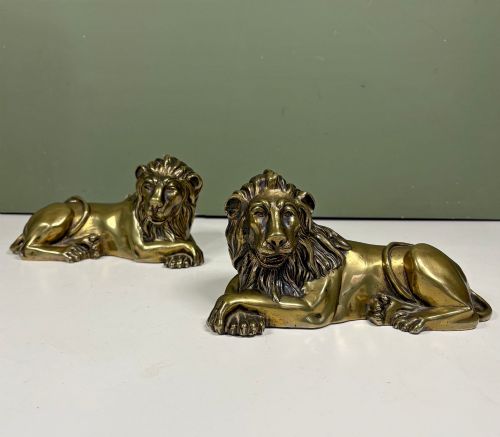
When buyers search for a vintage metal animal statue, they encounter forms ranging from miniature cold-painted frogs and terriers to life-size bronze stallions and heavy desk ornaments. The selection draws heavily on nineteenth-century animalier traditions and twentieth-century Art Deco styling, capturing creatures like deer, panthers, lions, and dogs.
The most common versions on this page are medium-sized bronze and spelter figures, often paired with marble bases or adapted as bookends and lamp bases. Works take inspiration from European foundries and Japanese or Burmese workshops, offering everything from small desktop bronzes to substantial pairs of lions and foo dogs.
How they were made
Foundries utilised traditional casting techniques, predominantly producing hot cast bronze, cold-painted metal, and spelter figures. Many pieces receive patination, hand-applied polychrome paint, or silver plating to enhance texture and mimic natural animal coats.
Bases often incorporate carved black or white marble, onyx, and slate to support heavier metal sculptures and bookends. Signatures, stamps, and foundry marks are frequently chiselled or cast directly into the metal or marble plinths.
Listings feature materials spanning cast iron, spelter, silver-plated metal, and bronze, paired frequently with marble or onyx bases.
What varies in quality
The distinction between tiers rests in the fidelity of the casting and the crispness of the chisel work on the animal's musculature and fur. Superior examples retain intricate hand-chased surface details and original cold-painted surfaces without heavy flaking or clumsy overpainting.
The integration of the figure with its mounting marks another division, where top-range sculptures sit firmly on heavy, well-fitted marble bases with signed foundry or artist attribution. Lesser pieces rely on lighter spelter alloys with softer definition and obscured signatures.
Tsunemitsu·Christophe Fratin·C Masson·P de Soete·Franze Bergman·Michel Decoux·Isidore Bonheur·AL Barye·Barbedienne
The Vintage Metal Animal Statue Glossary
- Animalier
- A nineteenth-century artistic movement dedicated to the realistic portrayal of animals, particularly predators and domestic beasts.
- Spelter
- A zinc alloy commonly utilised as a less costly alternative to bronze during the Art Deco period, often given a bronze-finish patina.
- Cold painted
- A technique where bronze or spelter figures receive non-fired oil paint applied over a metal surface, typical of Austrian tabletop ornaments.
- Patina
- The surface coloration and sheen developed through chemical oxidation or age, which protects the underlying metal and highlights sculptural detail.
- Geschützt
- A German term meaning protected or registered, frequently stamped on Austrian bronzes to indicate a patented design.
Vintage Metal Animal Statue: Frequently Asked Questions
What is spelter?
Spelter is a zinc-based alloy that makers utilised as an accessible alternative to bronze, particularly for Art Deco animal sculptures and bookends.
Figures cast in spelter are typically lighter than bronze and often display a painted bronze-finish patina or sit on marble plinths.
How do I date a bronze animal?
Dating relies on stylistic clues like Art Deco geometric lines or Victorian naturalism, alongside foundry stamps, signatures, and material combinations.
Examining the depth of the patina and the method of casting helps distinguish nineteenth-century works from mid-twentieth-century productions.
What is cold painted bronze?
Cold painting involves applying oil-based paints to a metal sculpture without firing it in a kiln, a technique mastered by Viennese foundries.
These pieces depict birds, frogs, and dogs with vibrant polychrome finishes that require careful handling to preserve the fragile paint layers.
How were bookends made?
Bookends combine metal animal figures such as squirrels, dogs, or panthers mounted securely onto heavy stone bases like marble or onyx.
This construction provides the necessary weight to support heavy volumes while displaying sculptural art on a shelf or desk.
Where should I place a bronze statue?
Bronze animal statues suit display on desks, bookshelves, side tables, or marble fireplace mantels where they can be viewed closely.
Placement should avoid direct, harsh sunlight and excessive moisture to protect patinated surfaces and painted details over time.