




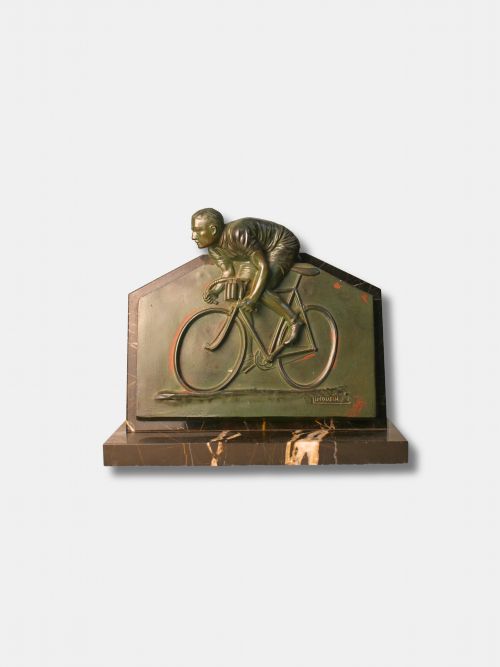


French Art Deco Spelter
When you search for french art deco spelter, you uncover cast metal sculptures and functional objects defined by the geometry and character of the interwar decades.
French Art Deco Spelter
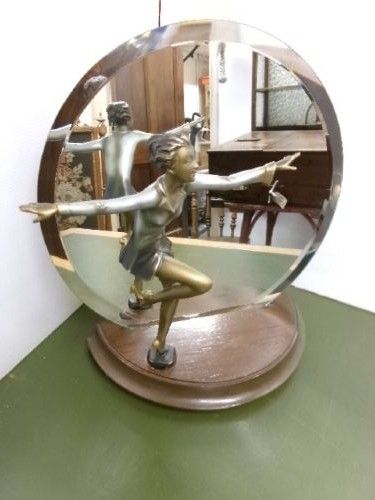
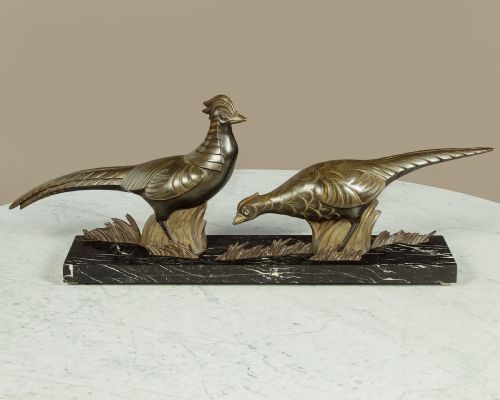
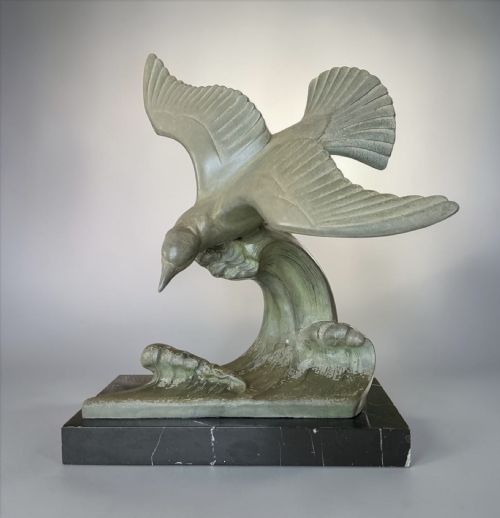
French art deco spelter encompasses decorative sculptures, bookends, mantel clocks, and lighting that capture the visual vocabulary of the 1920s and 1930s. These pieces frequently depict human figures, dancers, athletes, and animals such as panthers, dogs, and birds.
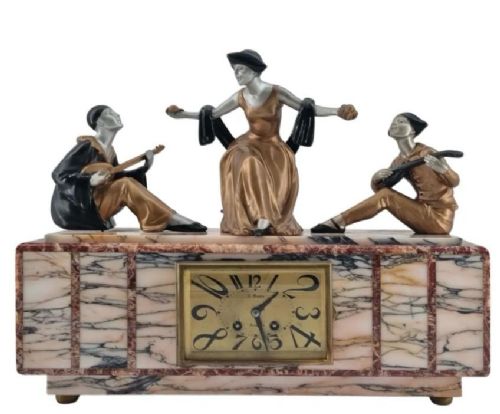
The most common formats on this page pair metal figures with heavy stone bases, often taking the form of paired bookends, figural lamps, and garniture clock sets. Originating predominantly from French workshops, these items served as stylish ornaments for contemporary interwar interiors.
Makers utilised the medium to render both graceful motion and stylised repose, drawing inspiration from contemporary sports, wildlife, and theatrical performances. The resulting works range from modest statuettes to substantial group sculptures.
Materials and Techniques
Spelter, an alloy primarily of zinc, served as the primary casting material for these figures, offering an economical alternative to bronze while allowing for fine detail. Craftsmen finished the metal surfaces with patination, silvering, gilding, or cold-painted colours to imitate more costly materials.
The metal figures were routinely mounted onto contrasting plinths made of marble, onyx, or occasionally brass and glass. Selected works also incorporated ivorine to render faces and hands, providing a distinct tonal contrast against the dark or patinated spelter bodies.
Listings feature numerous animal subjects, including panthers, dogs, elephants, and birds, frequently mounted upon black marble or onyx bases.
Assessing the Pieces
Quality in these castings rests upon the crispness of the detail and the fidelity of the surface finish, distinguishing finely chased examples from softer, mass-produced variants. The weight and selection of the supporting stone base, whether solid marble or banded onyx, further indicate the tier of production.
The presence of a clear signature from a known sculptor or foundry elevates an object, reflecting the higher artistic standards applied during its creation. Additionally, the complexity of multi-figure compositions and integrated functional elements like clock movements or lamp fittings influence the overall standing of a piece.
P Sega·Geo Maxim·Chiparus·Rochard·Cipriani
The French Art Deco Spelter Glossary
- Spelter
- A zinc alloy commonly used in the manufacture of decorative figures and clocks during the early twentieth century. It was cast in moulds and typically given a surface patina to resemble bronze.
- Garniture
- A set of ornamental objects designed to be displayed together, frequently comprising a mantel clock flanked by matching vases, lamps, or matching side pieces.
- Ivorine
- A synthetic material utilised in interwar sculptures to simulate ivory for the flesh tones of human figures. It was often paired directly with patinated metal castings.
- Patination
- The chemical or applied surface treatment used to colour metal, creating shades of green, brown, silver, or dark bronze. This finish protects the underlying metal and defines the visual contours.
- Onyx
- A banded variety of chalcedony used frequently for the plinths and bases of interwar clocks and bookends. Its natural striations provided a decorative contrast to the plain metal figures above.
French Art Deco Spelter: Frequently Asked Questions
How do I clean french art deco spelter?
Dust the metal and stone surfaces gently with a soft, dry cloth to prevent the accumulation of grit. Avoid using water, abrasive cleaners, or chemical polishes, as these can strip the original patination or damage the underlying alloy.
For the marble or onyx bases, a damp cloth may be used sparingly, followed immediately by thorough drying. Take care to keep moisture away from any joints where the metal meets the stone.
Were these pieces signed by artists?
Many sculptures and bookends feature signatures or foundry marks inscribed directly into the metal or onto the marble base. These signatures identify the designer or the studio responsible for the model.
Unsigned pieces remain common, often produced by anonymous foundries catering to the broader interwar market. The absence of a signature does not detract from the decorative merit of a casting.
How were mantel clocks and garnitures used?
Mantel clocks served as central timepieces placed upon living room fireplaces or sideboards, often accompanied by matching side ornaments known as garnitures. Together, the set created a balanced decorative display across domestic furniture.
The clock movements required regular winding by hand, while the paired side pieces functioned purely as visual symmetry for the interior arrangement.
How do I display bookends safely?
Bookends should be placed on sturdy shelves or desks where their substantial weight can be supported adequately. Because spelter is a relatively soft metal, position the pieces to avoid accidental knocks against hard edges.
Ensure the stone bases sit flat on the surface to prevent wobbling when books are pressed against them. Keeping them out of direct sunlight helps preserve the surface patination.