
Vintage Mechanical Pocketwatch
These vintage mechanical pocketwatch pieces are portable timepieces driven by springs and gears, offering a tangible connection to historical horology.
Vintage Mechanical Pocketwatch
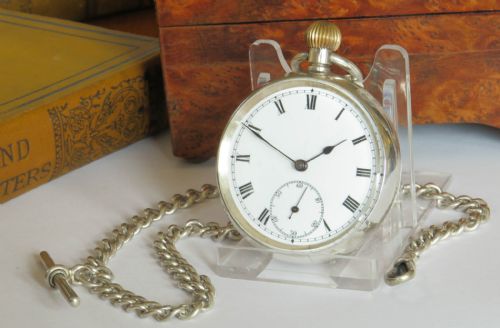
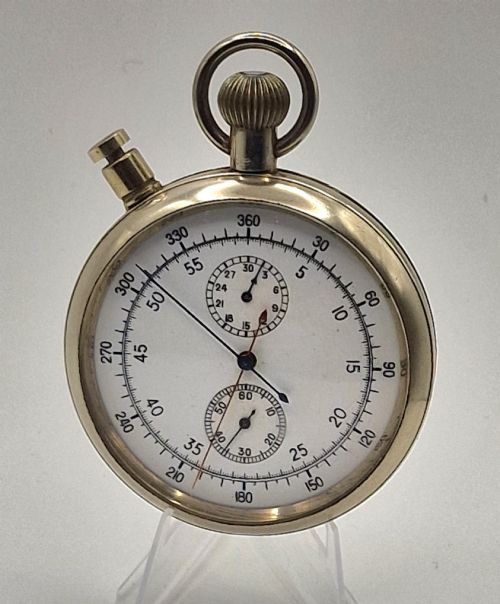
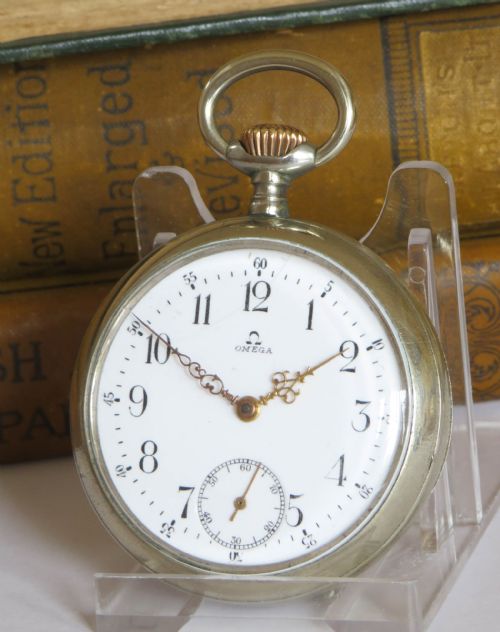
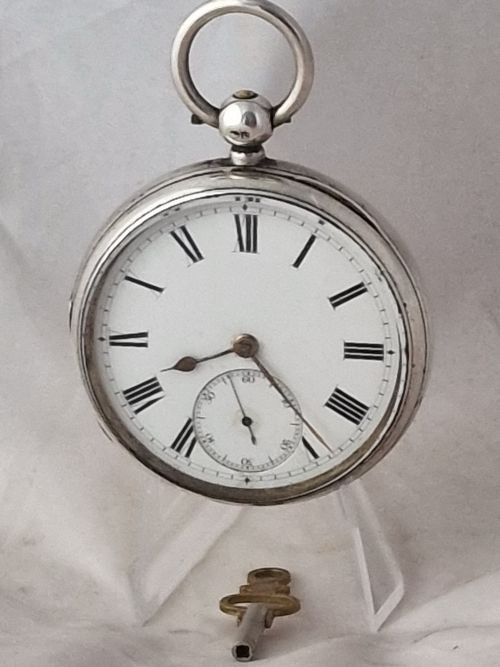
A vintage mechanical pocketwatch represents a portable timepiece driven by springs, gears and escapements rather than modern electronic quartz movements. When searching for a vintage mechanical pocketwatch, buyers encounter various historical eras ranging from the Victorian period through to the mid-twentieth century.
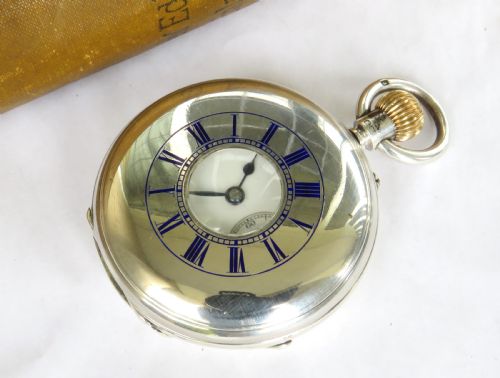
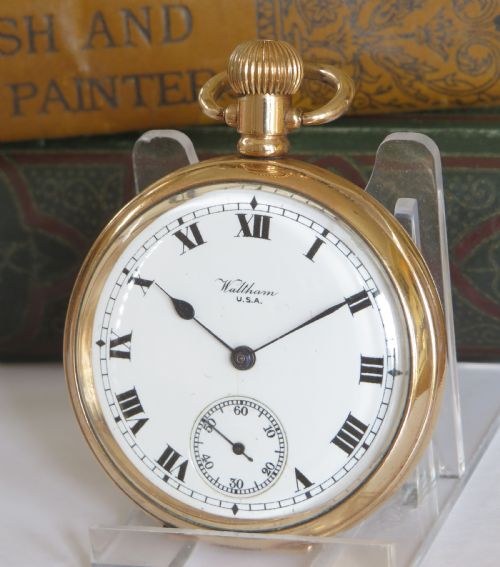
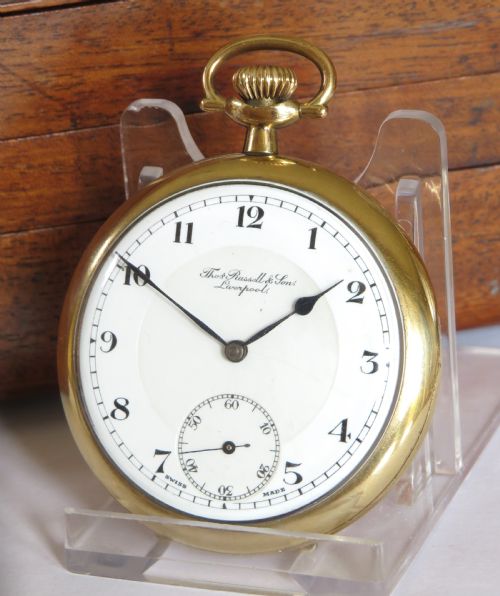
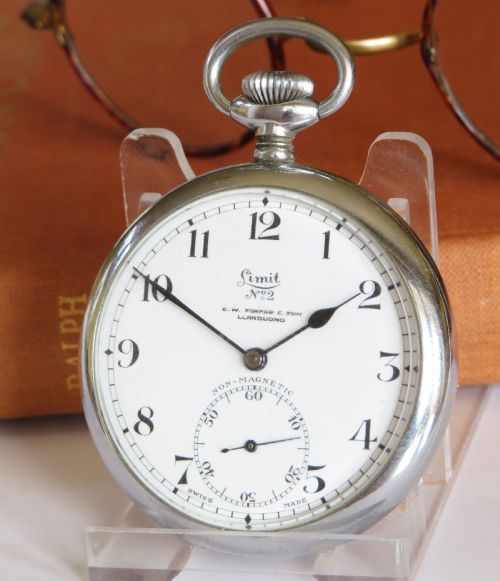
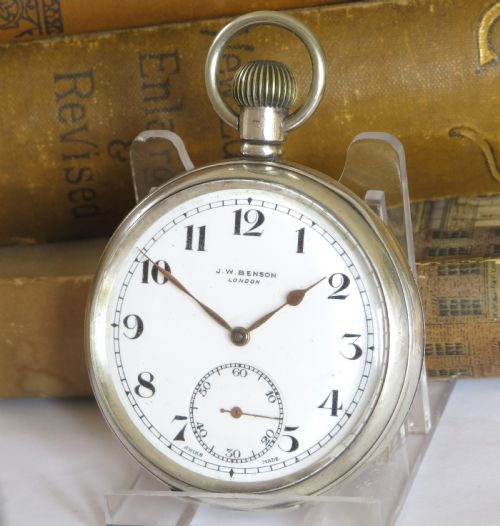
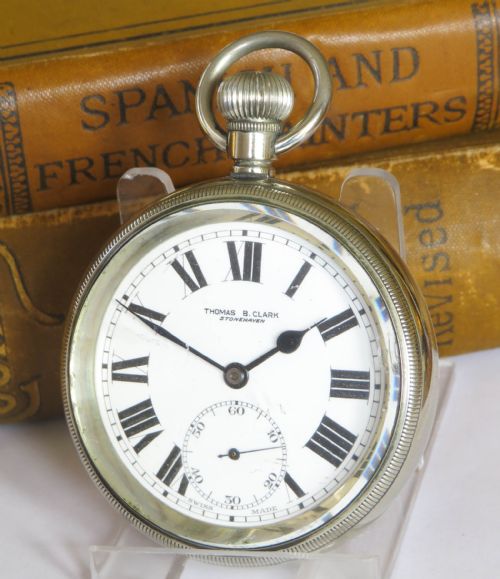
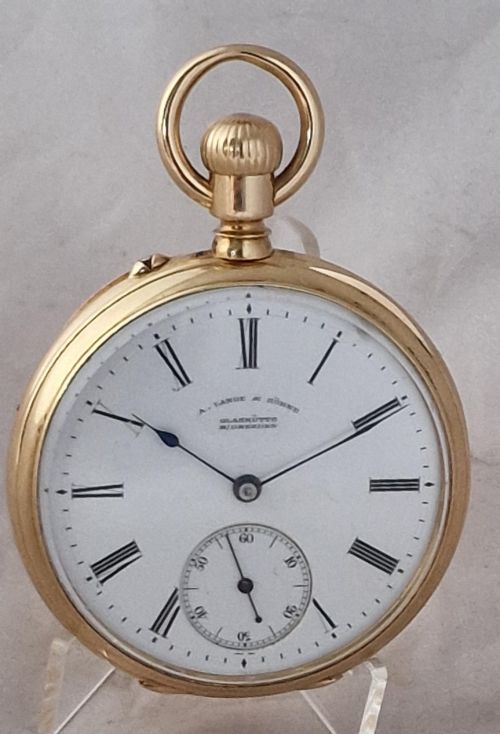
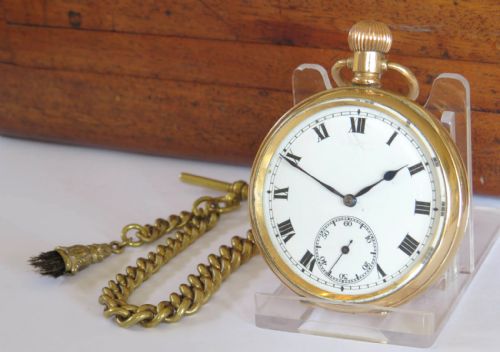
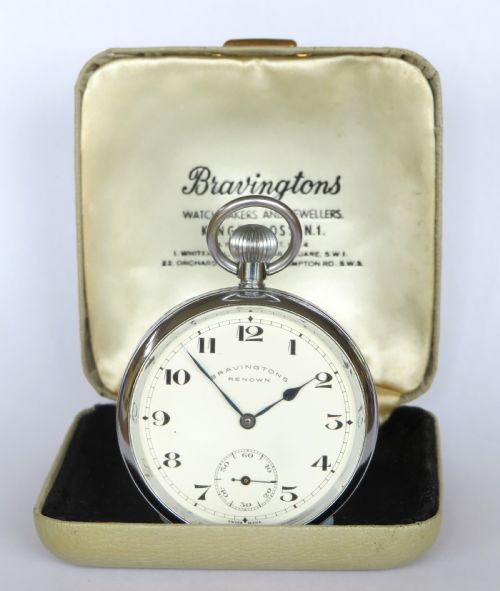
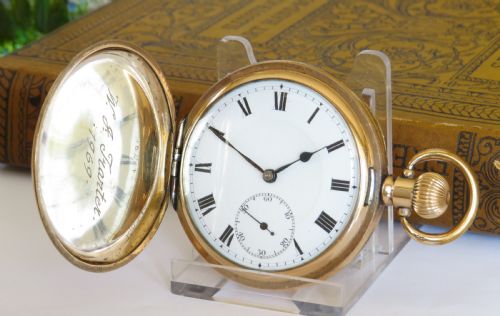
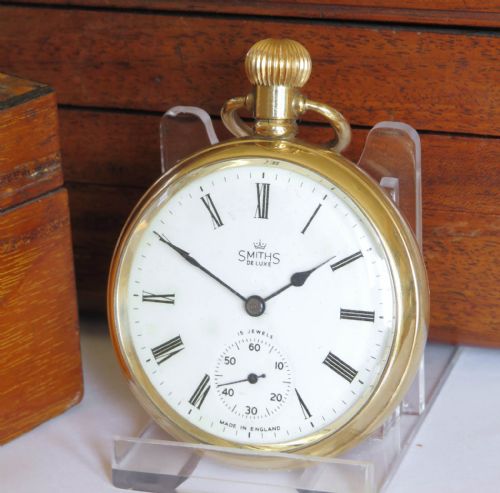
The selection here encompasses diverse regional origins and casing styles, including full hunter designs, half hunters and open faced configurations. Pieces span from late nineteenth century fusee models to mid-century British, Swiss and American productions.
Victorian and Edwardian iterations frequently feature heavy sterling silver or gold cases, whereas later 1920s and 1930s examples often display Art Deco influences. Mid-century specimens bring simpler utilitarian formats suited for daily wear.
Materials and construction
Casings utilise robust metals such as sterling silver, gold plate, solid gold, brass, steel and base metal alloys to protect the internal brass and steel mechanisms. Glass crystals cover the dials, while delicate enamel coats many of the traditional face dials.
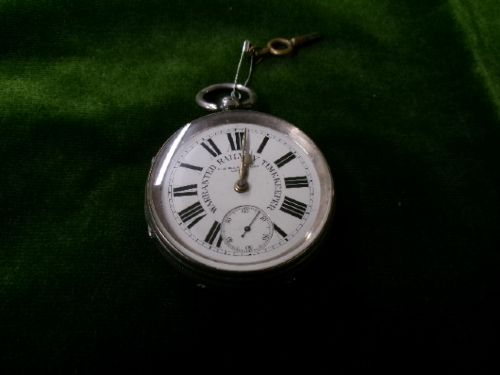
Internal movements rely on intricate gear trains, balance wheels and mainsprings assembled by hand within workshops and factories. Fusee mechanisms appear in earlier Victorian examples to equalise the power delivered from the mainspring as it unwinds.
Listings feature items spanning the Victorian era through to the 1950s, constructed in silver, gold plate, brass, and enamel.
Distinctions in quality
Subtleties in finishing, such as damaskeening on movement plates and the crispness of enamel dial painting, separate ordinary examples from superior specimens. Hallmarking clarity and the weight of silver or gold casing further distinguish higher grade pieces.
Waltham·Thomas Russell and Son·Cyma·Lange and Sohne·Omega·Longines
The Vintage Mechanical Pocketwatch Glossary
- Fusee
- A conical pulley used in older pocket watches to maintain even tension on the mainspring as it unwinds. This mechanism ensures more consistent timekeeping throughout the power reserve.
- Full Hunter
- A pocket watch featuring a spring-loaded metal cover that snaps shut over the glass dial for protection. The cover must be opened via a button in the crown to read the time.
- Half Hunter
- A pocket watch casing equipped with a metal cover containing a glass or open aperture in the centre. This allows the wearer to view the hands without opening the exterior lid.
- Open Faced
- A pocket watch design that lacks a protective metal front cover, leaving the glass crystal and dial fully exposed. These forms grew popular for quick time checks during the twentieth century.
- Damaskeening
- An ornamental pattern of decorative waves or swirls engraved onto the nickel or brass plates of a watch movement. It provides aesthetic appeal while catching microscopic metal dust.
Vintage Mechanical Pocketwatch: Frequently Asked Questions
Can I wear a pocket watch daily?
Many people wear these timepieces daily by securing them to a waistcoat, belt loop or buttonhole using a compatible chain or fob. Keeping the watch in a dedicated pocket prevents accidental drops against hard surfaces.
Routine handling requires mindfulness regarding moisture, magnetic fields and physical shocks. Regular servicing by a horologist helps maintain reliable daily performance.
What is the difference between a hunter and open faced watch?
A hunter watch includes an integrated metal lid protecting the dial from scratches and impacts, requiring the user to press a release button to view the hands. An open faced watch leaves the glass crystal entirely exposed for immediate reading.
Hunter styles offer greater defence for the crystal during active labour or travel. Open faced formats provide convenience for rapid time checks.
How do I identify the production era?
Examine the hallmarks stamped inside the metal case, which indicate assay offices and specific years of manufacture for British silver and gold. Serial numbers engraved on the movement plates can also be cross-referenced with maker records.
Stylistic cues such as dial typography, casing shapes and Art Deco motifs help narrow down the decade of production. Fusee movements generally point towards Victorian or earlier origins.