



Vintage Maritime Ornament
These vintage maritime ornament examples bring the sea indoors through metal, wood and shell work.
Vintage Maritime Ornament
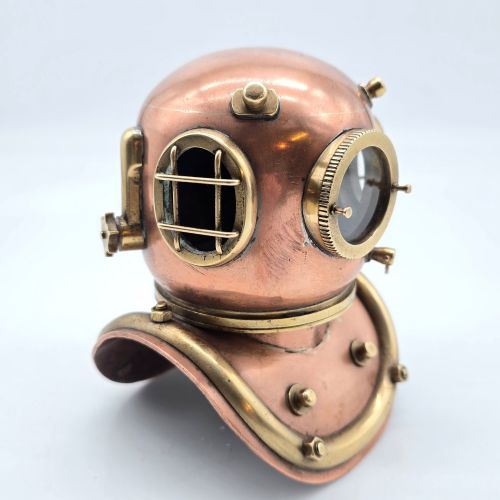
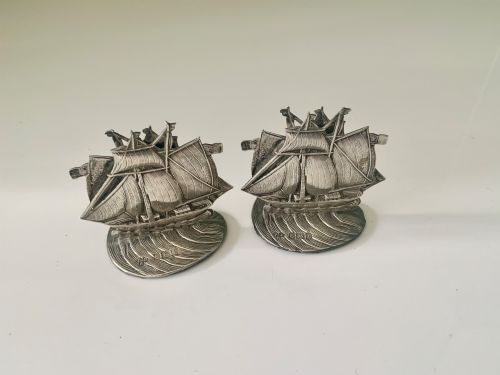
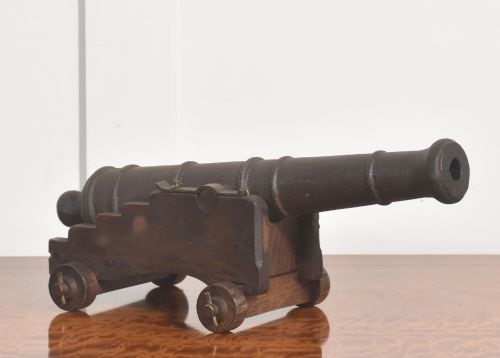
A vintage maritime ornament encompasses objects made from the nineteenth century through the 1930s that draw their form directly from the sea, ships and coastal life. You will find miniature brass diving helmets, cast iron signal cannons on oak carriages, and carved wooden models of sailing boats and clippers among the selections.
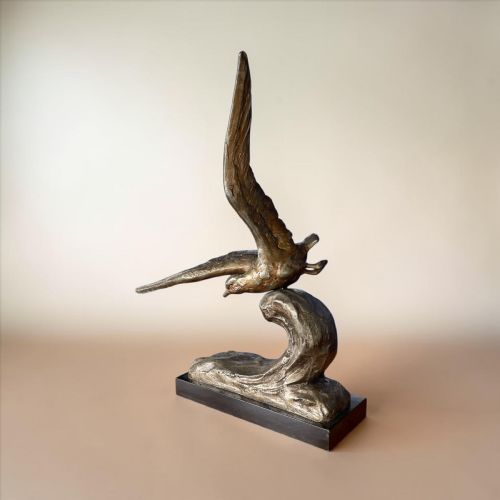
The aesthetic bridges several distinct movements including Victorian maritime pieces, folk art, and Art Deco interpretations of marine life like the albatross. These range from functional items such as menu holders and doorstops to purely decorative sculptures and scale models.
How they were made
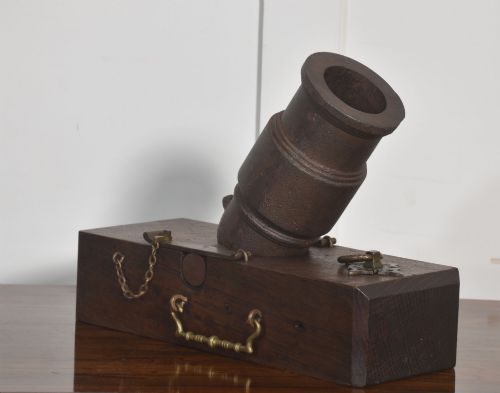
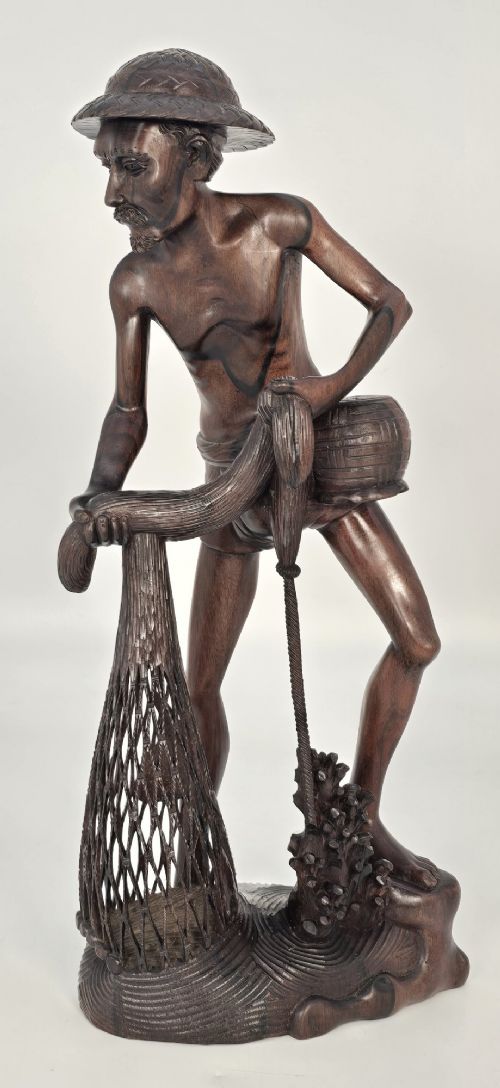
Makers utilised casting in brass, bronze and cast iron for heavy items like signal cannons, mortars and doorstops. Woodworkers carved oak carriages, hardwood figures, and detailed scale models of sailing ships.
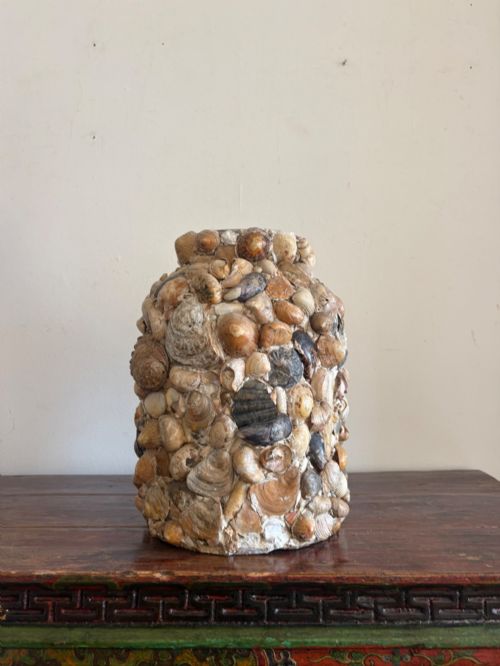
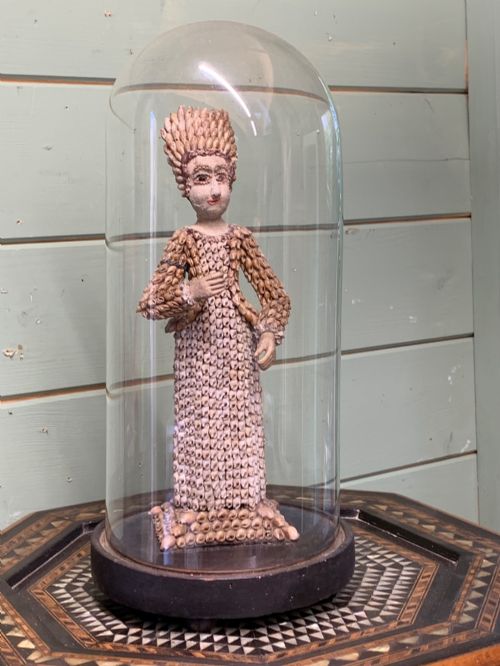
Folk art and decorative works often incorporated organic materials such as seashells applied to jars, vases and grottoes, alongside ceramic bisque and plaster elements.
Current listings feature materials ranging from brass, bronze and cast iron to oak, plaster, seashells and hardwood.
What varies in quality
The distinction between ordinary and superior pieces rests on the precision of the handwork and the fidelity of the scale or form. A finely detailed miniature diving helmet or an intricately carved flying fish reveals an artist who understood maritime anatomy and mechanics.
Materials also dictate the tier of an object, with mounted bronze studies on marble plinths representing a more ambitious artistic effort than mass-produced small wares.
The Vintage Maritime Ornament Glossary
- Signal Cannon
- A small piece of ordnance used historically aboard ship for saluting or signalling, rendered here in cast iron, brass or bronze on wooden carriages.
- Folk Art
- Objects created by self-taught or traditional craftsmen outside academic artistic traditions, frequently seen in sailor-made shell work and hand-whittled figures.
- Bisque
- Unglazed ceramic porcelain that produces a matte, tactile finish, often utilised for figural groups on decorative vessels.
- Whirligig
- A wind-driven folk art mechanism where the motion of the wind animates a figure, such as a sailor signalman.
Vintage Maritime Ornament: Frequently Asked Questions
What materials are common?
Metals such as brass, bronze and cast iron dominate the heavier decorative items and models.
Wood, ceramic bisque, and natural seashells also appear frequently across folk art and sculptural pieces.
How were signal cannons used?
Full-size versions signaled distress, communicated between vessels, or fired ceremonial salutes.
Miniature desk models and decorative examples served as desktop ornaments or mantle pieces.
How do I date these objects?
Dating relies on stylistic clues, such as Art Deco streamlining on albatross sculptures or Georgian traits in doorstops.
Materials and construction methods also help place an item within the nineteenth or early twentieth century.