

Vintage Manual Watch
A vintage manual watch offers direct daily engagement with mechanical horology through hand-wound movements spanning from the early twentieth century into the nineteen-seventies.
Vintage Manual Watch
A vintage manual watch brings together mechanical timepieces powered entirely by hand-winding rather than automatic rotors or batteries, encompassing both wristwatches and pocket watches. The selection spans distinct periods from the early nineteen-hundreds through to the nineteen-seventies, reflecting changing tastes in horological design.
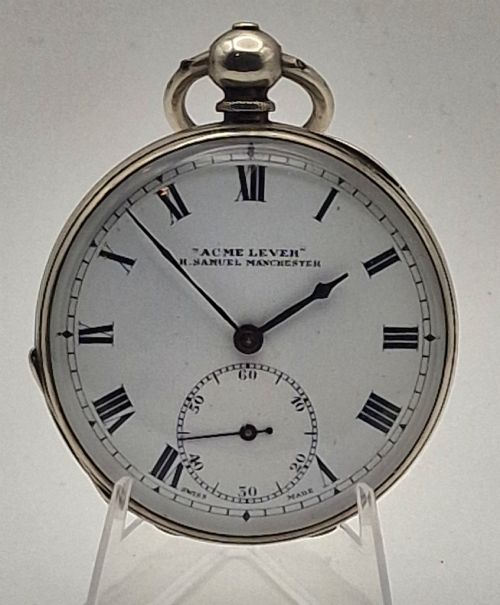
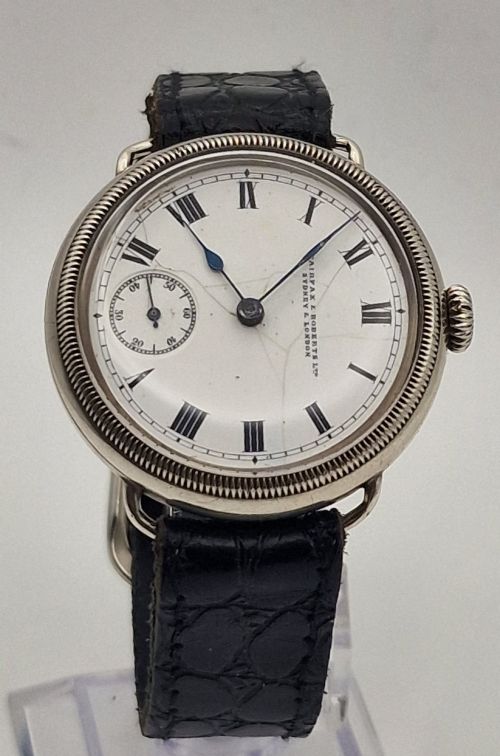
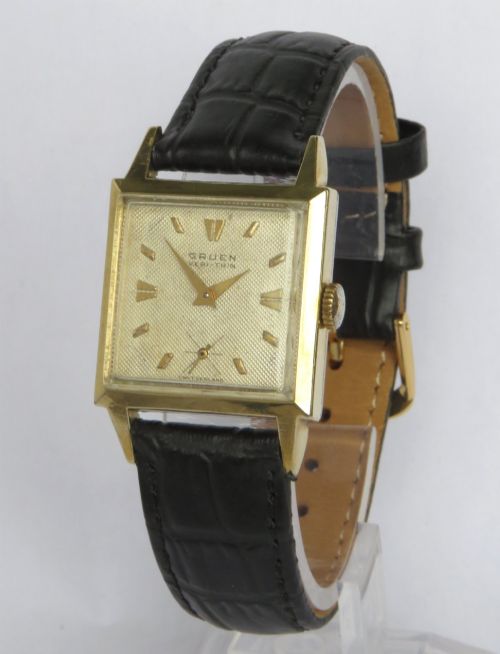
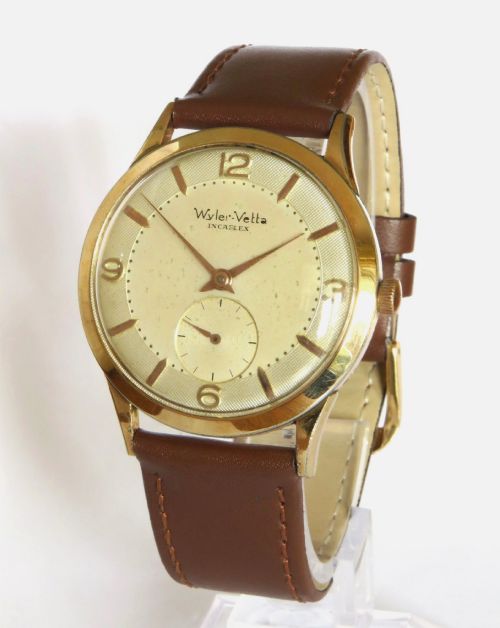
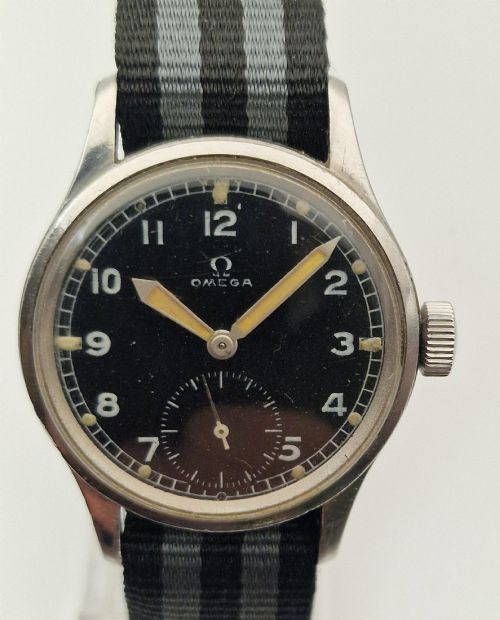
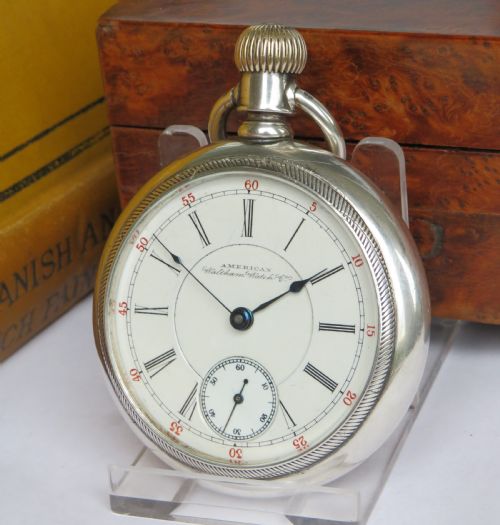
Wristwatches dominate the selection, appearing alongside traditional pocket watches housed in metals ranging from solid gold to stainless steel. Pieces originating from the nineteen-fifties and nineteen-sixties are particularly common, showcasing mid-century styles alongside earlier military and dress designs.
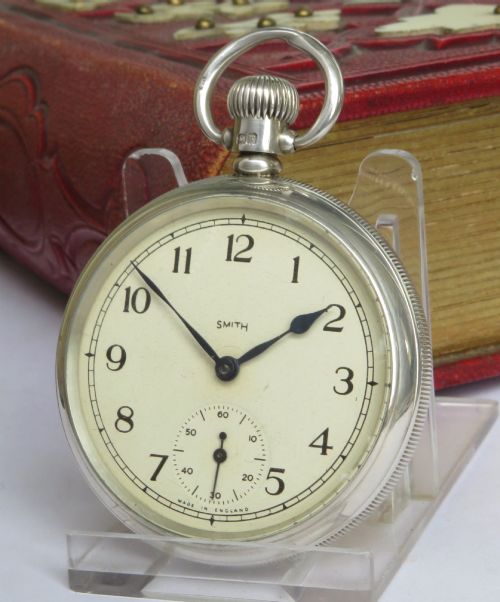
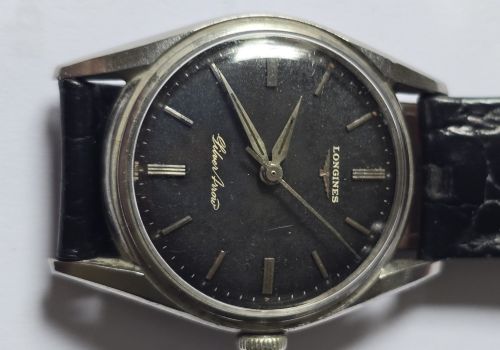
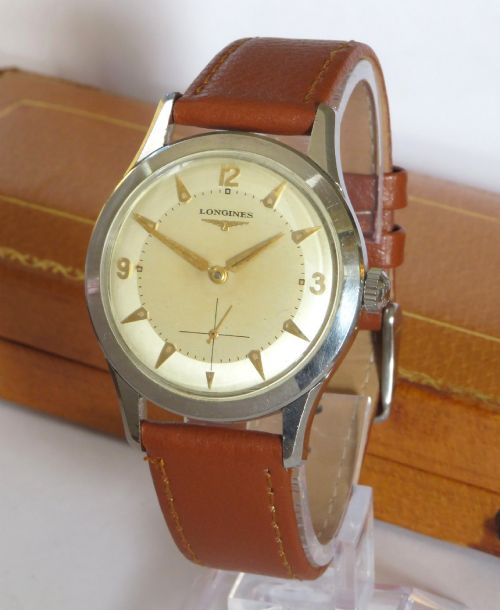
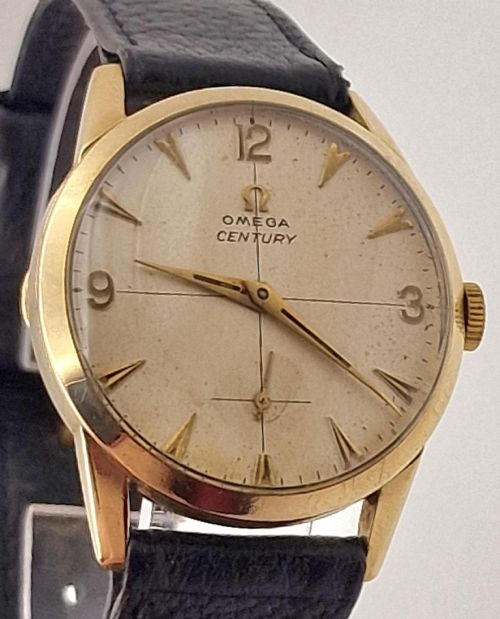
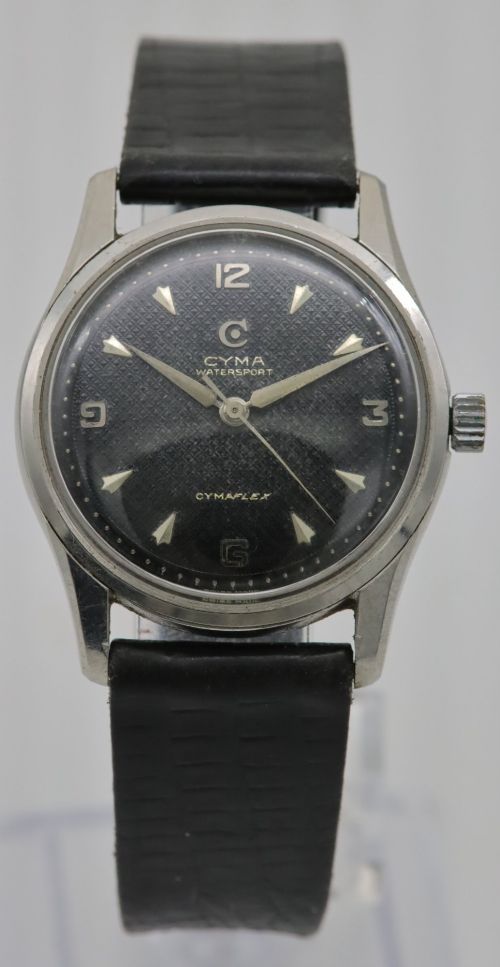
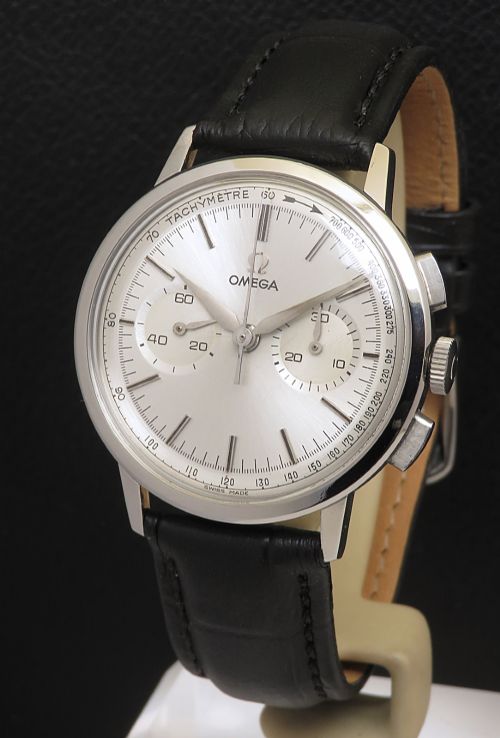
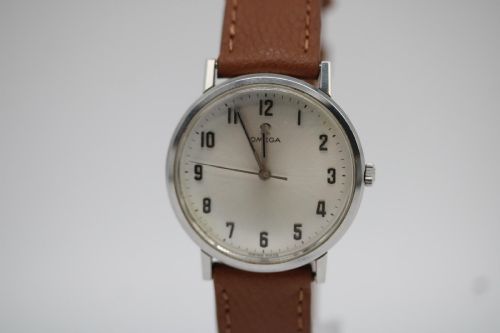
Makers represented include prominent Swiss and British houses such as Omega, Longines, Rolex, and Smiths. These range from robust military-issue tool watches to delicate cocktail pieces set with diamonds.
How They Were Made
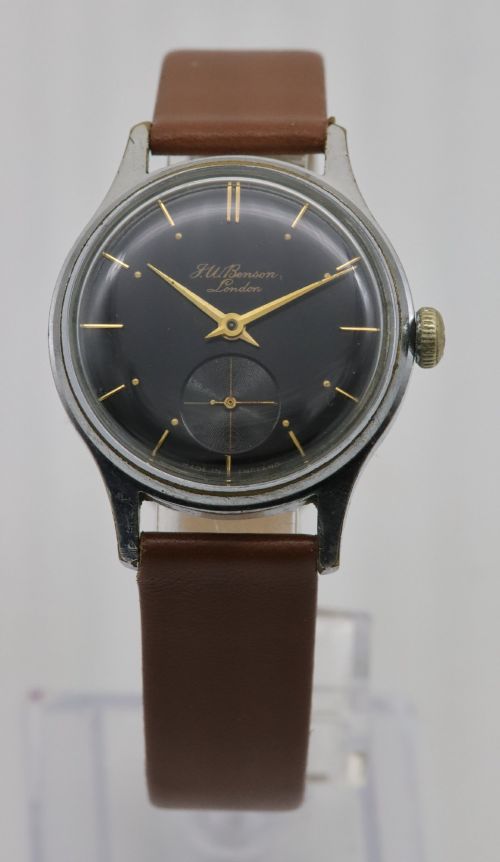
Casings utilise materials such as stainless steel, gold plate, and solid nine or eighteen-carat gold, paired with leather straps or integrated metal bracelets. Dials are protected by glass or acrylic crystals, occasionally featuring enamel work or specialised patination.
Vintage Manual Watch Retail Price Guide 2026
Typical asking prices for vintage manual watch among the pieces listed under this phrase on Sellingantiques today, from the lower quarter to the upper quarter. They describe what is for sale here now, not the wider market.
Drivers editions positioned the dial sideways on the wrist so motorists could check the time without taking their hands off the steering wheel.
What Varies in Quality
Quality diverges between mass-produced commercial calibres and high-grade chronometer-certified movements finished with superior hand-adjustments. The integrity of the dial, whether showing original printing or later restoration, heavily influences the overall standard of a piece.
Casing execution creates another division, separating standard gold-plated housings from solid gold or specially engineered waterproof Oyster cases. The preservation of original factory finishes on both metalwork and movement components distinguishes exceptional examples from heavily polished pieces.
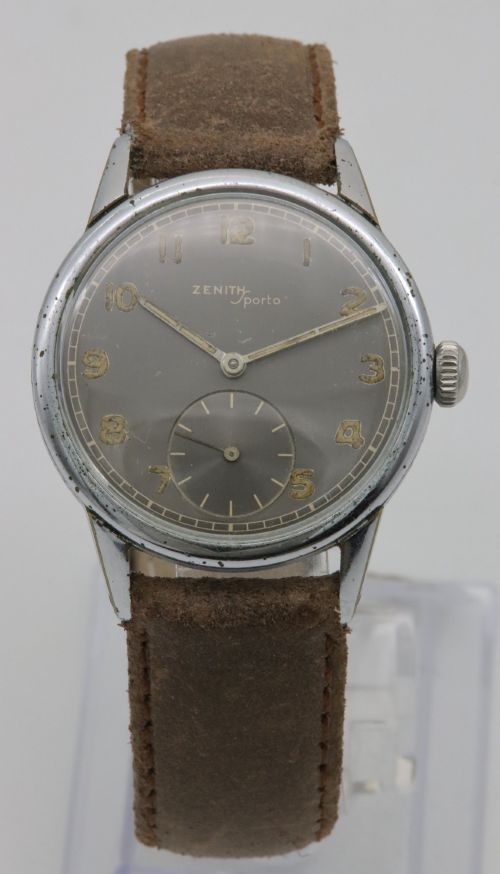
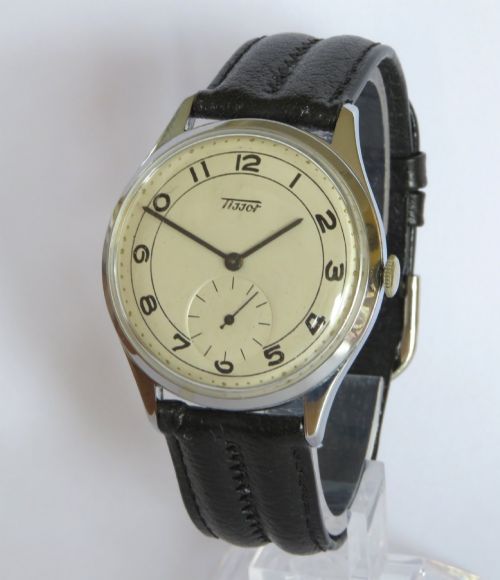
Omega·Longines·Rolex·Smiths·Breitling·Tudor·Cyma·Zenith·Baume and Mercier·Chopard·Tissot·Jaeger-LeCoultre·Eterna·Seiko
The Vintage Manual Watch Glossary
- Calibre
- The specific internal mechanical movement design and manufacturer designation of a watch. This helps identify the exact lineage and generation of the mechanism inside.
- Chronograph
- A timepiece equipped with a secondary stopwatch function operated by independent pushers. These complications add mechanical complexity to the gear train.
- Manual wind
- A mechanical movement powered by manually turning the crown to tension the mainspring daily. This removes the need for an automatic rotor or battery.
- Panda dial
- A watch face featuring contrasting sub-dials set against a lighter main background, resembling the face of a panda. This layout is particularly associated with mid-century chronographs.
- Oyster case
- A water-resistant watch casing design utilising a screwed-down crown and case back. This innovation protected the internal movement from dust and moisture.
Vintage Manual Watch: Frequently Asked Questions
How do I wind a vintage manual watch?
Rotate the crown clockwise between your thumb and forefinger until gentle resistance indicates the mainspring is fully tensioned. Take care not to force the crown past the point of resistance to avoid snapping the internal spring.
Establish a consistent daily routine for winding, ideally at the same time each morning, to maintain steady tension and accurate timekeeping throughout the day.
Are these watches waterproof?
Vintage pieces generally lack modern rubber gaskets and waterproof sealing standards, even if originally marketed as water-resistant or housed in specialised cases. Exposure to moisture, rain, or humidity can easily cause internal condensation and rust.
Treat these mechanical items as strictly non-waterproof and remove them before washing hands, swimming, or engaging in wet weather activities.
How often should a vintage watch be serviced?
Mechanical movements require periodic cleaning and fresh lubrication to prevent friction from wearing down the delicate metal pivots and gear teeth over decades of use. A professional service every three to five years ensures the internal oils do not dry out and gum up the mechanism.
Regular maintenance preserves the accuracy of the timepiece and protects irreplaceable vintage components from premature deterioration.
Can I wear a vintage watch every day?
Daily wear is entirely possible provided you accept the limitations of vintage engineering regarding shock resistance and water exposure. Many owners enjoy integrating these pieces into modern wardrobes by pairing them with sturdy leather straps.
Remove the watch during rigorous physical tasks, sports, or manual labour to protect the delicate balance staff and case finish from accidental impacts.