
Vintage Mantle Wall Mirror
A vintage mantle wall mirror brings presence to a room, offering scale and reflected light through centuries of design.
Vintage Mantle Wall Mirror
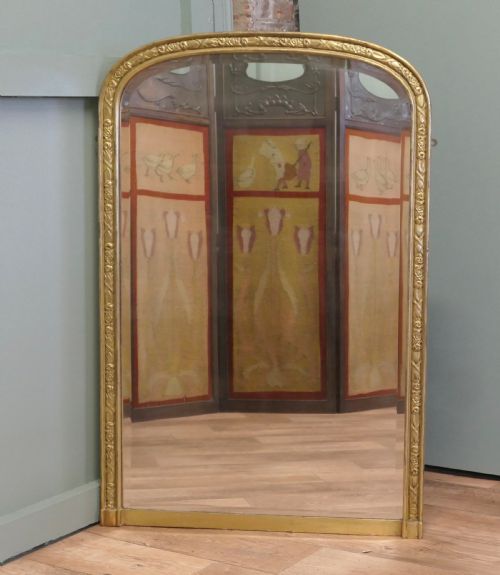
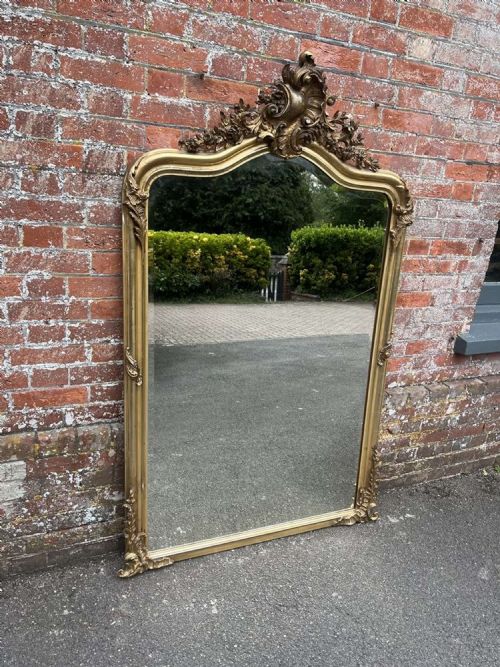
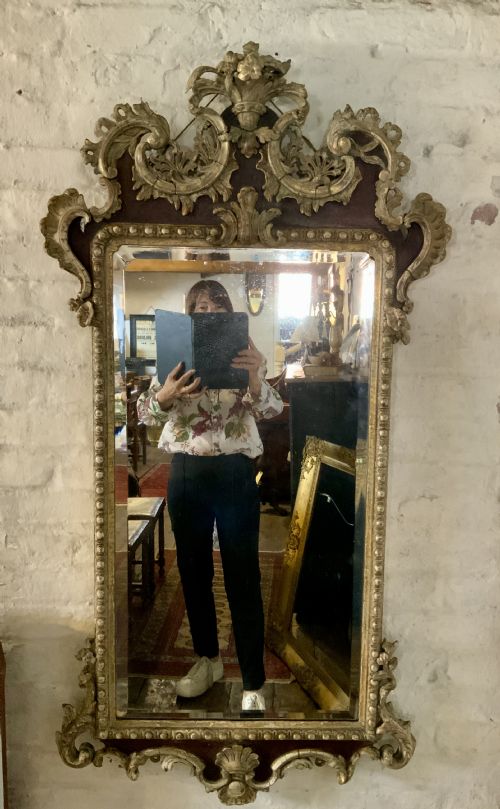
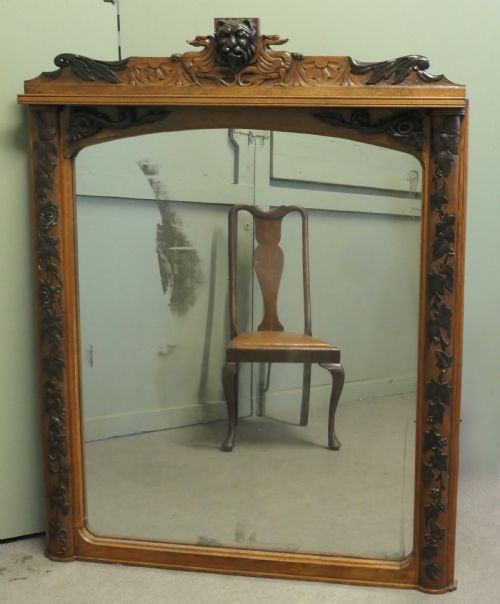
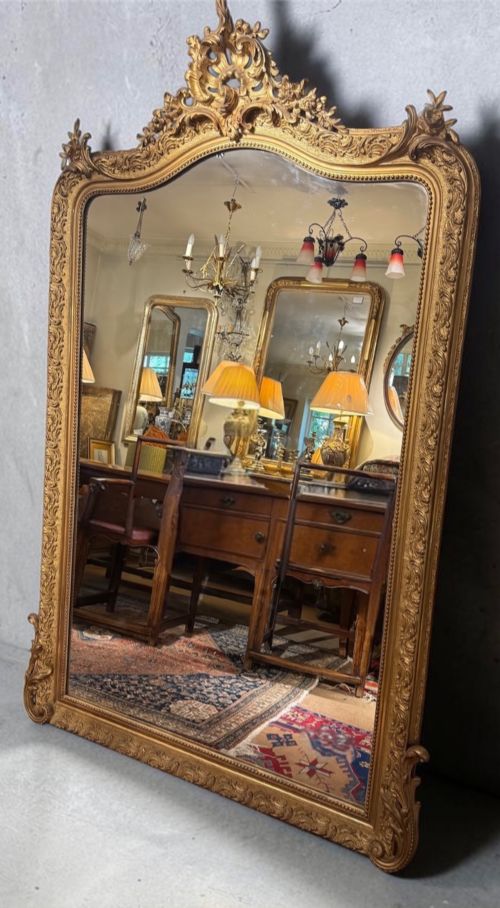
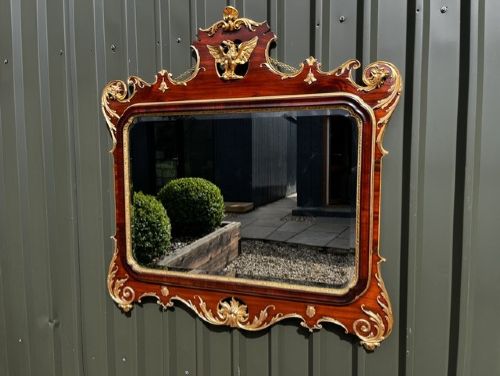
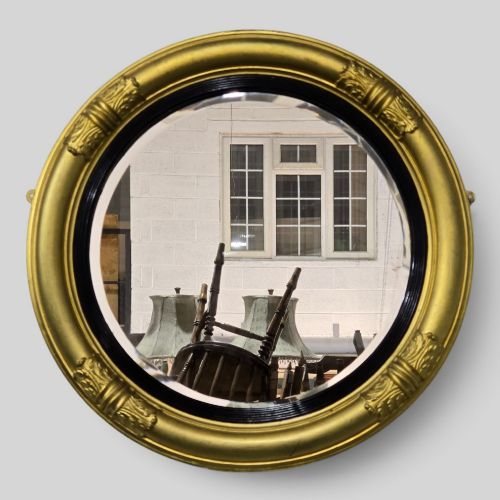
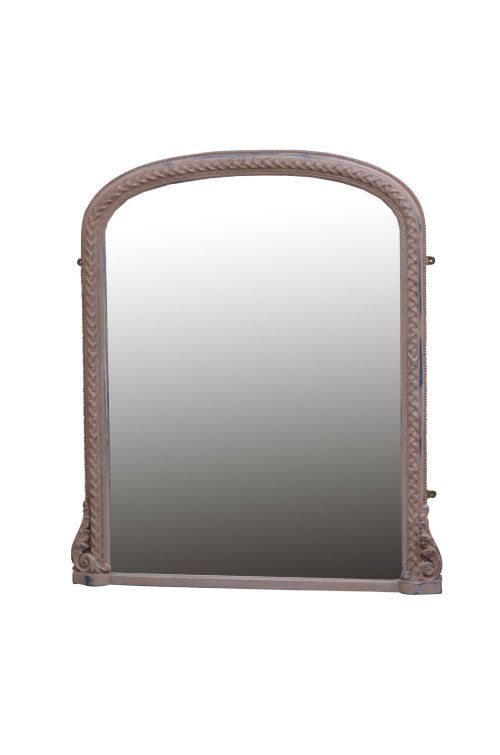
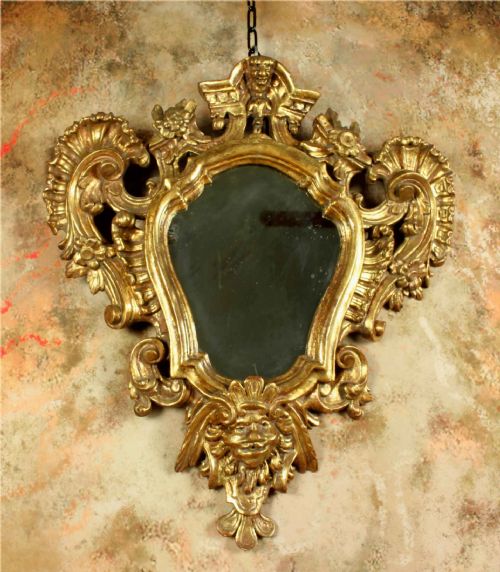
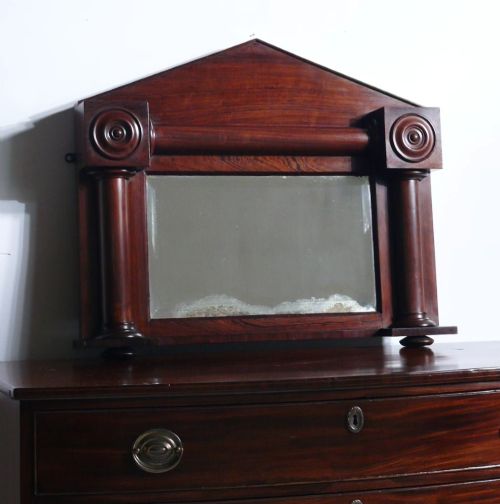
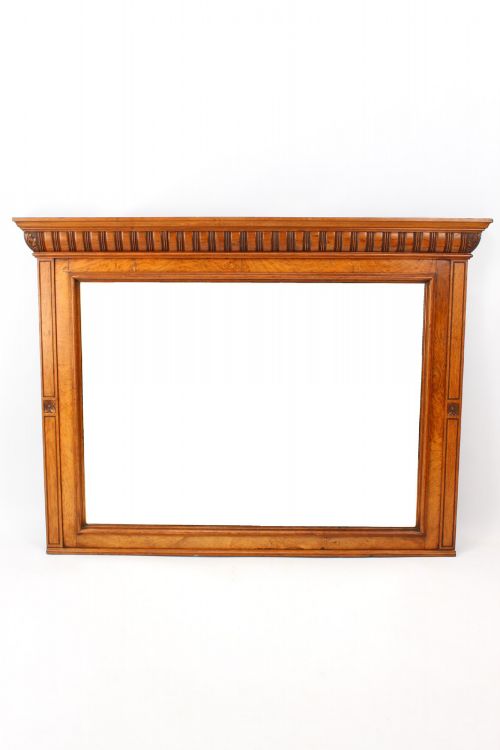
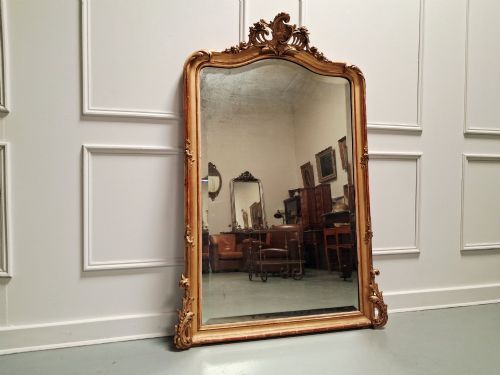
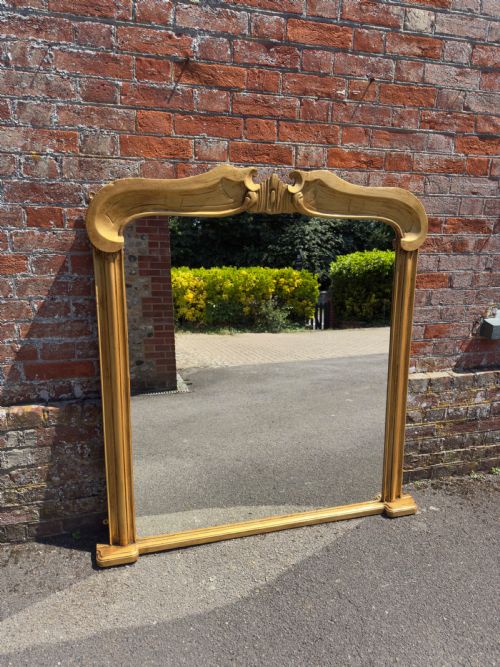
When you search for a vintage mantle wall mirror, you encounter large overmantel frames and substantial wall-hanging pieces designed to command a room. The selection spans the nineteenth century alongside eighteenth-century works, featuring Louis Philippe, Rococo Revival, and Regency expressions.
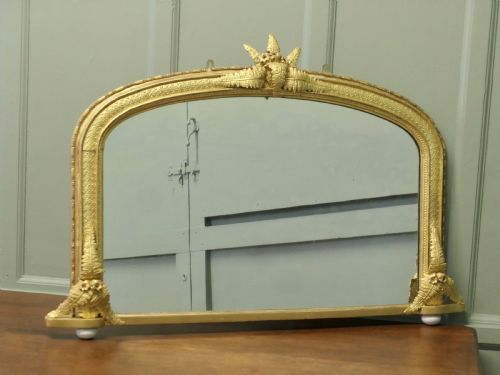
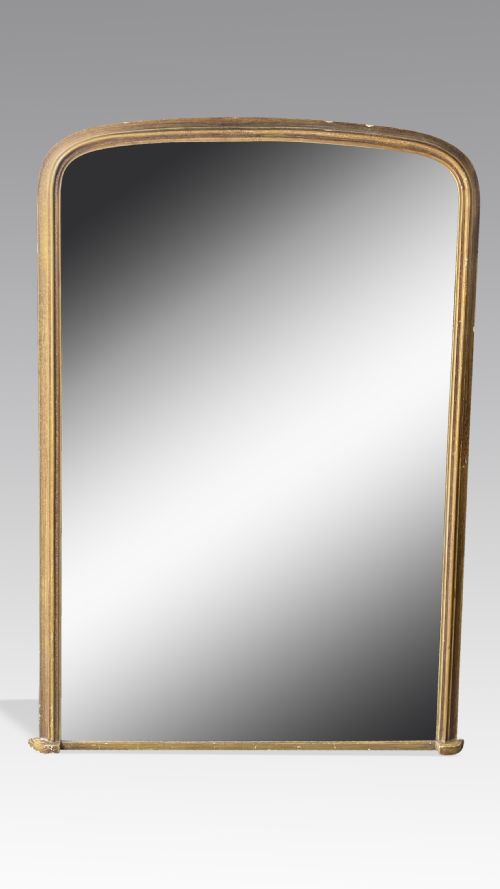
Overmantel mirrors dominate the forms, shaped specifically to sit above a fireplace mantelpiece. Alongside these, large arched, oval, and rectangular wall mirrors appear in materials ranging from scrubbed oak to walnut and mahogany.
French and English origins shape the majority of these pieces. You meet heavy giltwood frames alongside understated oak and walnut timbers from Victorian and Edwardian periods.
How they were made
Carved wood and gesso form the foundation of ornate gilt frames, applying plaster layers over timber before gilding with gold leaf. Walnut, mahogany, and oak provide sturdy structures for timber-framed and parcel-gilt pieces.
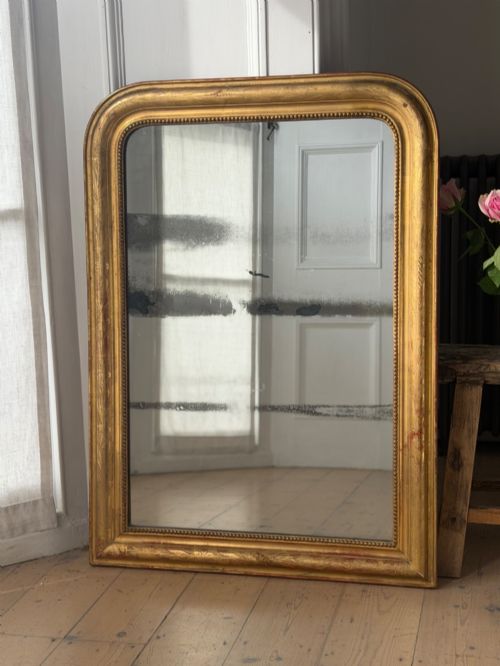
Mercury glass and early silvered plates deliver the characteristic depth found in older pieces. Foxing and surface age appear naturally on plates subjected to decades of oxidation behind the glass.
Some nineteenth-century French frames arrive with traces of layered lilac and ink blue paint hiding beneath later gold leaf.
What varies in quality
Carving depth and crispness separate ordinary frames from superior examples. Hand-carved gesso ornamentation retains sharp relief and intricate detail where lesser pieces appear soft or moulded.
The integrity of the original glass plate and its backing influences character. Intact mercury glass with subtle foxing commands attention compared to later modern replacements.
The Vintage Mantle Wall Mirror Glossary
- Overmantel mirror
- A large mirror designed to hang specifically above a mantelpiece or fireplace. These frames often incorporate arched or shaped tops to suit architectural proportions.
- Gesso
- A plaster mixture applied to wood frames as a base for gilding. Skilled artisans carved intricate scrollwork and motifs directly into this dried surface.
- Foxing
- Age spots and dark blemishes that develop within the silvering of antique mirror glass over time. This oxidation creates a cloudy, mottled appearance prized by collectors.
- Louis Philippe
- A mid-nineteenth-century French style characterised by restrained classical proportions and rounded upper corners. These frames balance decorative appeal with clean architectural lines.
- Parcel gilt
- A finishing technique where portions of a wooden or painted frame are highlighted with gold leaf. This method contrasts exposed timber grain with gilded enrichment.
Vintage Mantle Wall Mirror: Frequently Asked Questions
How do I hang a heavy overmantel mirror?
Heavy overmantel mirrors require secure wall fixings anchored directly into structural studs or masonry. Professional mirror hangers utilise heavy-duty brackets to distribute the substantial weight safely.
Position the frame so the lower edge rests comfortably just above the mantel shelf or at a balanced eye level. This ensures the physical load remains supported while achieving correct visual proportions.
What is the difference between an overmantel and a wall mirror?
Overmantel mirrors are specifically proportioned to sit horizontally above a fireplace mantel, often featuring wider dimensions and arched tops. Standard wall mirrors hang independently on any flat wall surface.
While both share decorative framing techniques, overmantels command a room through sheer scale and were traditionally built to reflect light from hearth fires.
Can I lean a mantle mirror instead of hanging it?
Leaning a mantle mirror directly on the shelf provides a relaxed interior look typical of period homes. Ensure the base sits securely against the wall with hidden brackets preventing forward slips.
Heavier gilt frames benefit from anchor fixings at the top corners even when resting on a mantel. This prevents accidental tipping while maintaining the casual aesthetic.
How do I clean antique mirror glass?
Clean antique glass gently using a soft microfibre cloth and mild soapy water applied sparingly. Avoid harsh chemical sprays that seep behind the edges and damage fragile silvering.
Protect the surrounding giltwood or carved timber frame by keeping moisture away from the edges. Old mercury glass requires delicate handling to preserve its distinctive foxed patina.