


Vintage Male Portrait Artwork
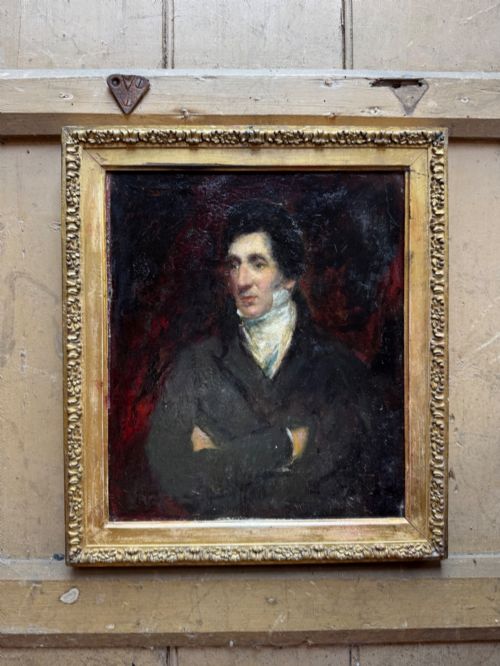
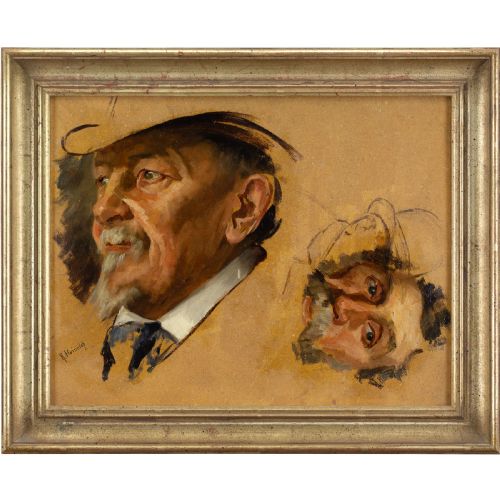
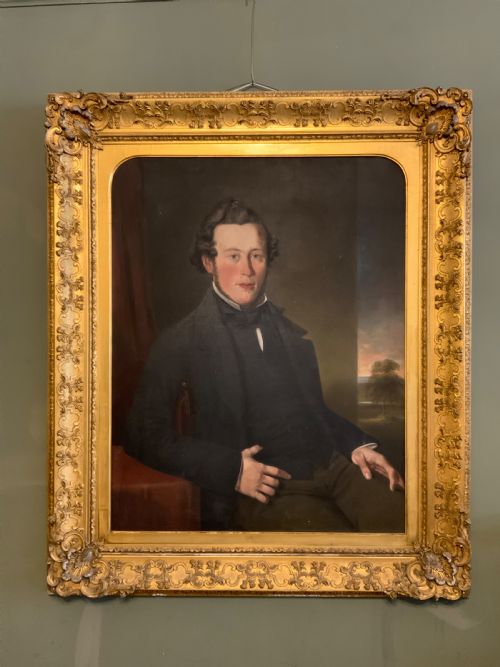
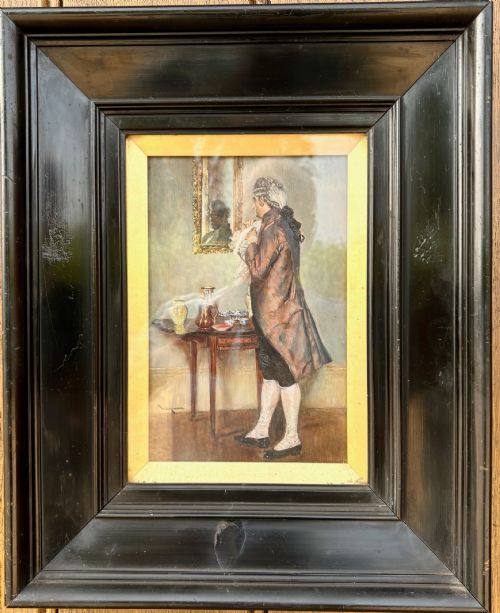
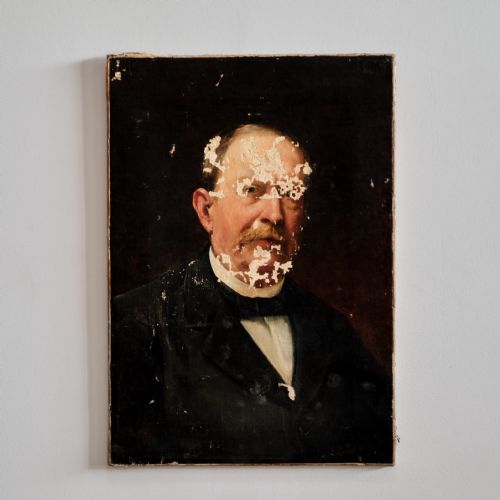
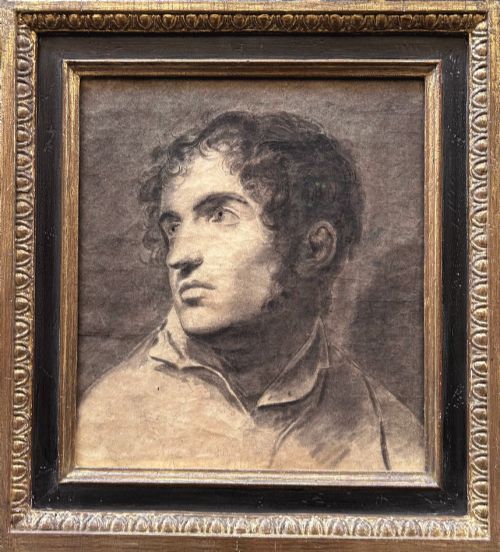
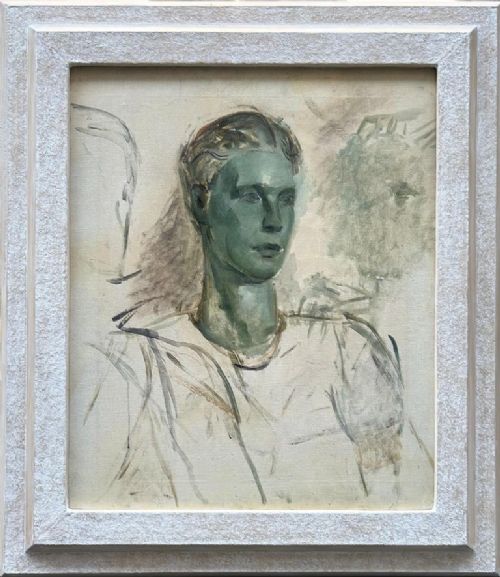
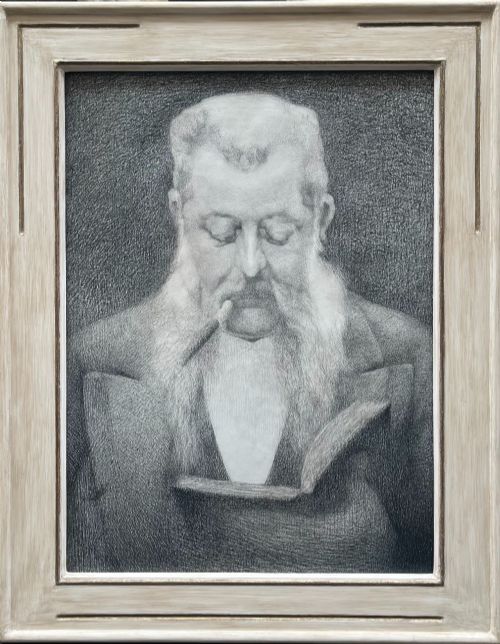
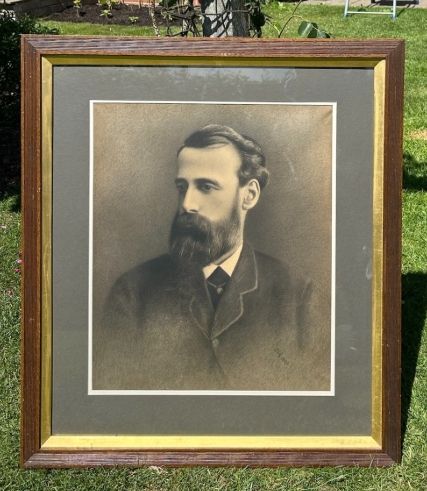
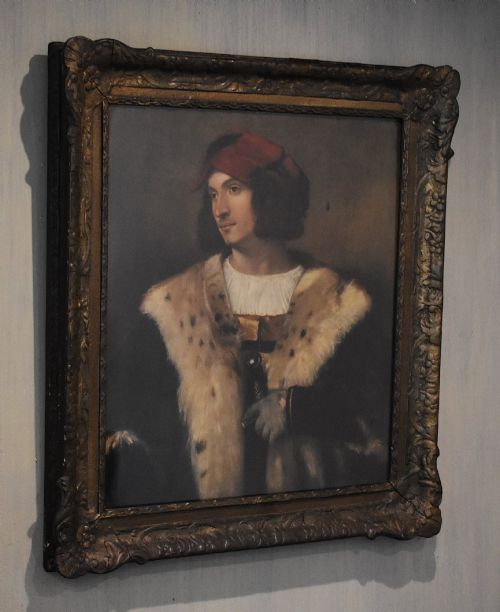
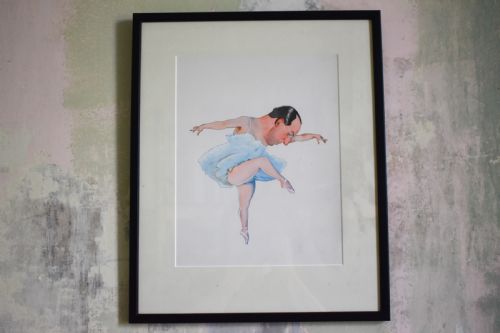
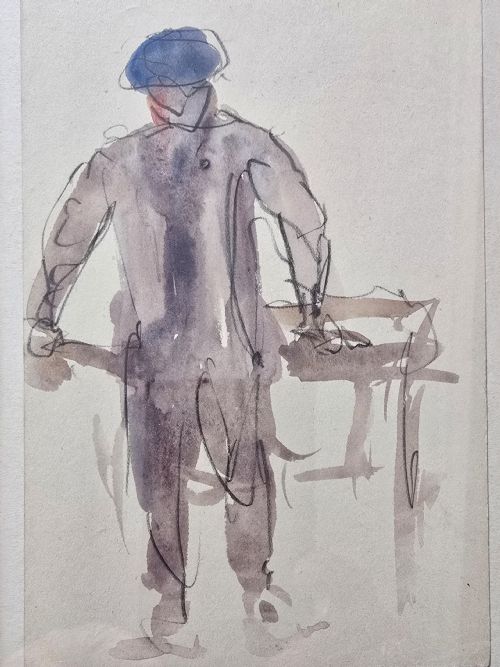
When choosing vintage male portrait artwork, collectors find character studies spanning centuries, from academic life studies of male nudes to oil paintings of aristocratic gents.
Vintage Male Portrait Artwork
Vintage male portrait artwork encompasses oil paintings, watercolours, charcoal pencil drawings, and fine prints depicting gentlemen, artists, and sitters. These pieces originate from various periods including the seventeenth, eighteenth, nineteenth, and twentieth centuries.
Buyers frequently encounter nineteenth-century canvas paintings, early twentieth-century oil boards, and mid-century modern portraits. Subjects range from named historical figures and physicians to anonymous sitters captured in academic realism or Bloomsbury styles.
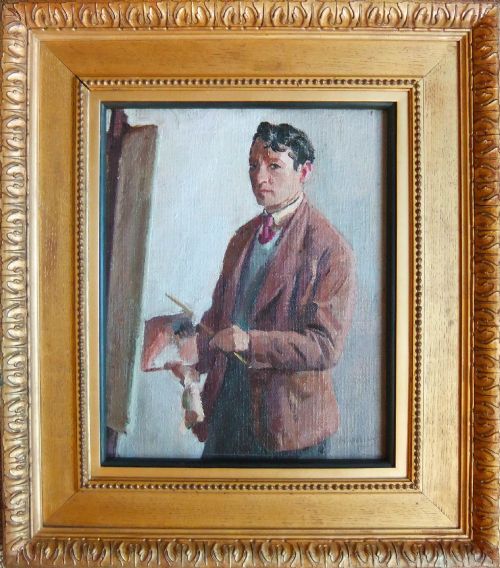
The assortment includes self-portraits by artists, French school studies, and British academic works. Each piece reflects the aesthetic of its decade, whether the polished restraint of the Victorian era or the expressive brushwork of the nineteen-sixties.
Materials and technique
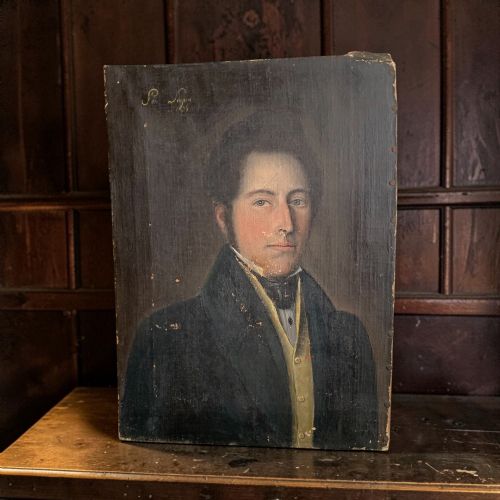
Techniques span academic realism, impressionistic brushstrokes, and detailed mezzotint printing. Canvases frequently show age through a distressed finish or craquelure developed over decades.
Listings feature works spanning the seventeenth to the twentieth centuries, utilising oil, canvas, charcoal, and wood.
Quality and execution
The strength of a portrait lies in the psychological depth captured by the artist, distinguishing a mechanical likeness from a vital study. Handling of light, shadow, and bone structure reveals the painter's competence.
Condition of the canvas, integrity of the original frame, and provenance add to the standing of a piece. Works exhibited in academic institutions or signed by documented painters carry greater historical weight.
John Smith·W D Almond·Philip Naviasky·Michael Healy·David Pelbam·Bertram Priestman·Henry Arthur Roberts·Edouard Julien·Jules Rambo·Baruch Shalom Oskotsky·Ronald Ossory Dunlop·Edwin Marsh·Roberto Venturi·Ted Halliday·Frank Wren
The Vintage Male Portrait Artwork Glossary
- Mezzotint
- A printmaking process where the copper plate is roughened to produce dark tones, allowing subtle gradations of light. This technique produces rich tonal portraits.
- Academic Realism
- A style of painting and sculpture produced under the influence of European academies of art. It emphasises precise anatomy and classical composition.
- Giltwood
- Wood carved and covered with a thin layer of gold leaf or gold paint. Frames of this material often complement antique oil paintings.
- Academic Life Study
- A drawing or painting of a nude or clothed model created in an art school setting. These pieces demonstrate the artist's mastery of human anatomy.
- Craquelure
- The fine pattern of dense cracking formed on the surface of old paintings as paint ages. It serves as an indicator of age in oil on canvas works.
Vintage Male Portrait Artwork: Frequently Asked Questions
How do I date a portrait?
Dating relies on the clothing style of the sitter, the framing materials, and any signatures or inscriptions on the canvas reverse. Pigments and stretcher frames also offer clues to the decade of creation.
Examining the canvas preparation and the paper type helps narrow the period when documentation is absent.
Where should I hang these artworks?
These portraits suit studies, libraries, and living rooms where traditional or eclectic interior styles prevail. Pairing dark oil paintings with neutral walls enhances their depth.
Keep them away from direct sunlight to preserve the oil pigments and paper integrity over time.
Are all sitters identified?
Many portraits depict anonymous individuals, recorded simply as gentlemen, male models, or subjects of the French school. Unnamed sitters were common in academic studies and private commissions.
Identified figures typically include artists, physicians, or public personages noted in exhibition catalogues.
What is a self-portrait?
A self-portrait is a representation of the artist drawn or painted by the artist themselves, often using a mirror. These works offer insight into how creators viewed their own persona.
Examples range from early twentieth-century academic exercises to mid-century personal statements.