


Vintage Mahogany Swivel Mirror
A vintage mahogany swivel mirror brings practical elegance to a dressing room, offering adjustable reflection set within rich timber frames.
Vintage Mahogany Swivel Mirror
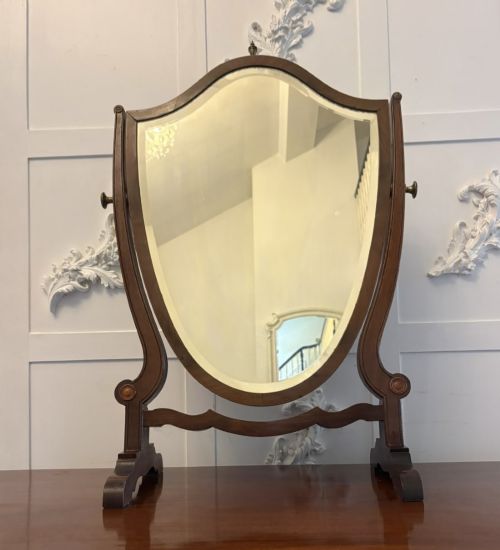
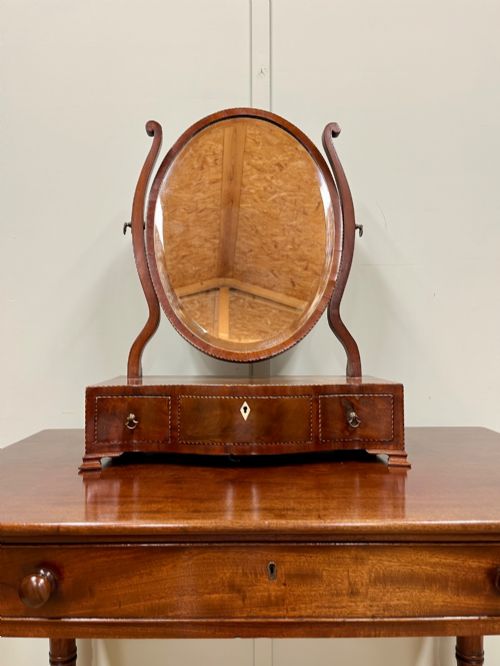
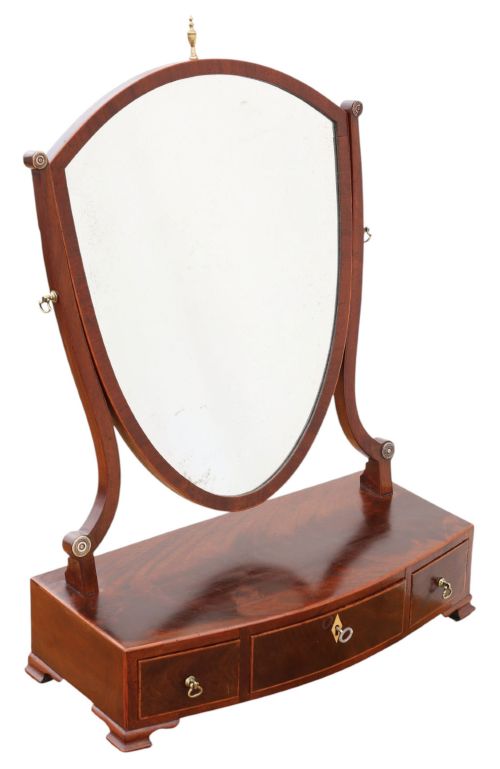
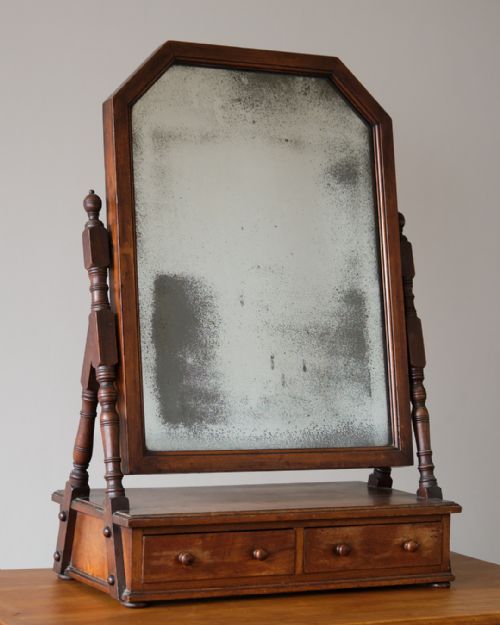
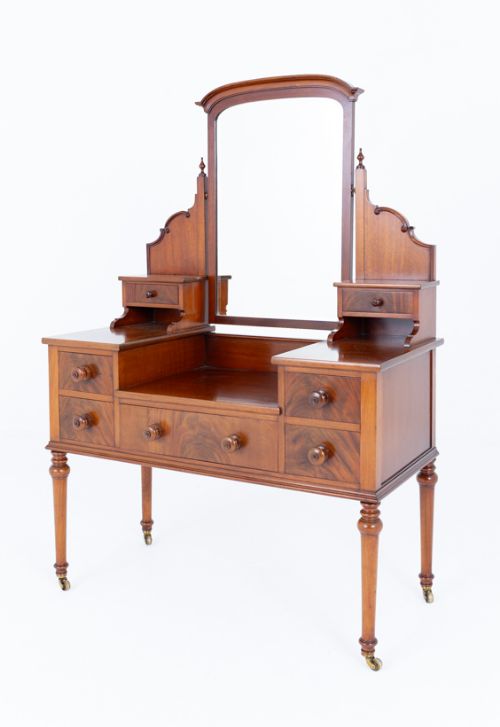
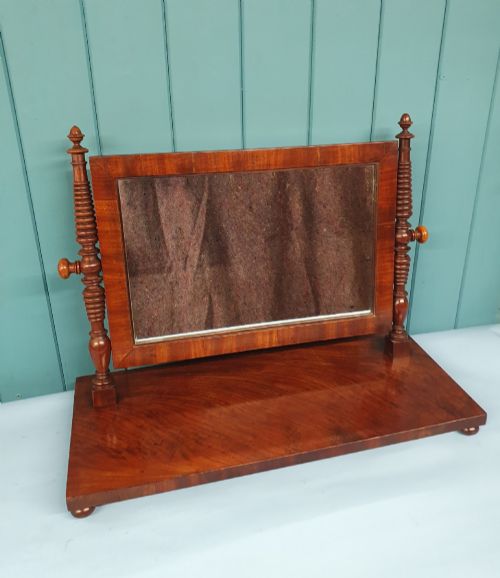
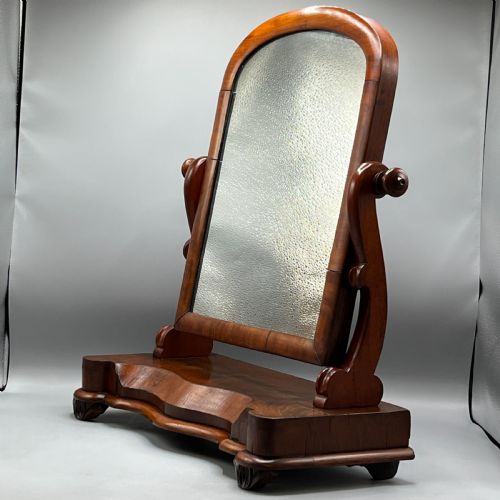
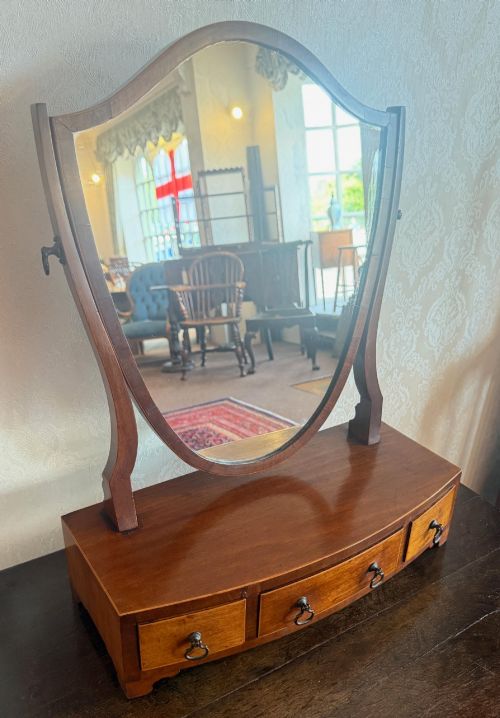
When searching for a vintage mahogany swivel mirror, buyers encounter a variety of forms designed for tabletops and freestanding floor placement. Tabletop toilet mirrors and swing mirrors sit comfortably on chests or dressing tables, often featuring small box bases equipped with practical drawers. These smaller iterations span the Georgian, Victorian and Edwardian periods.
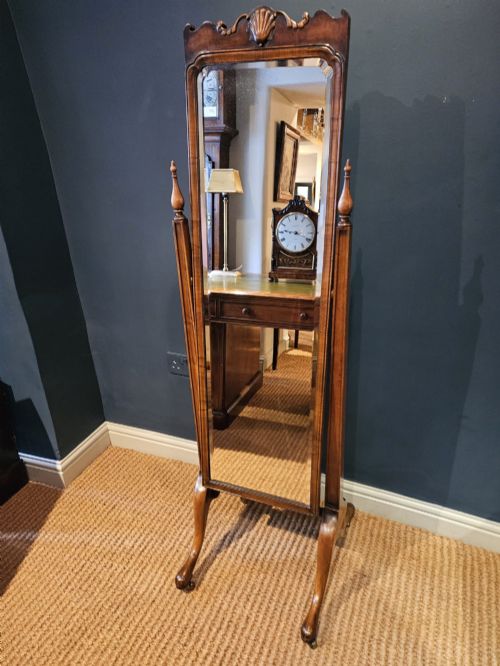
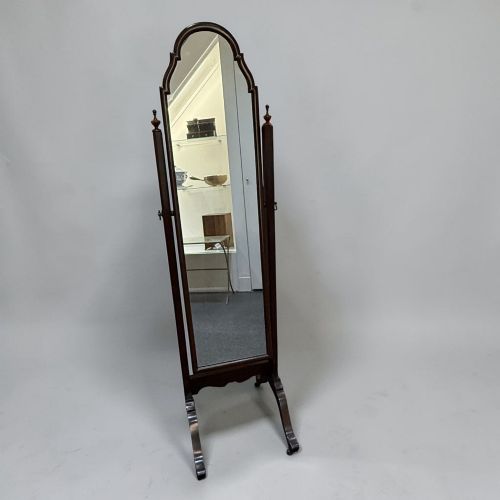
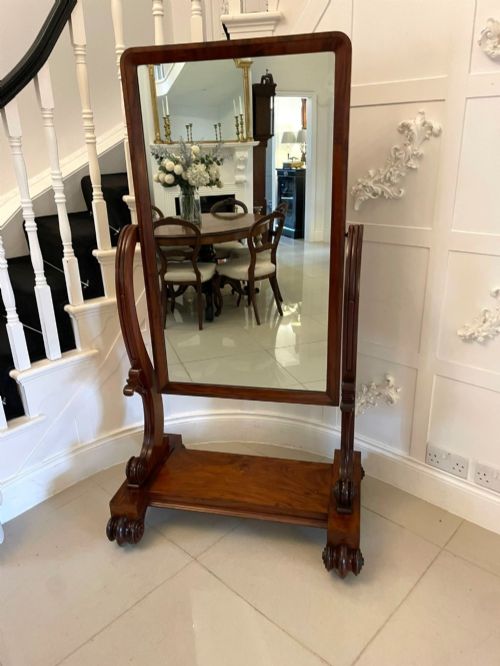
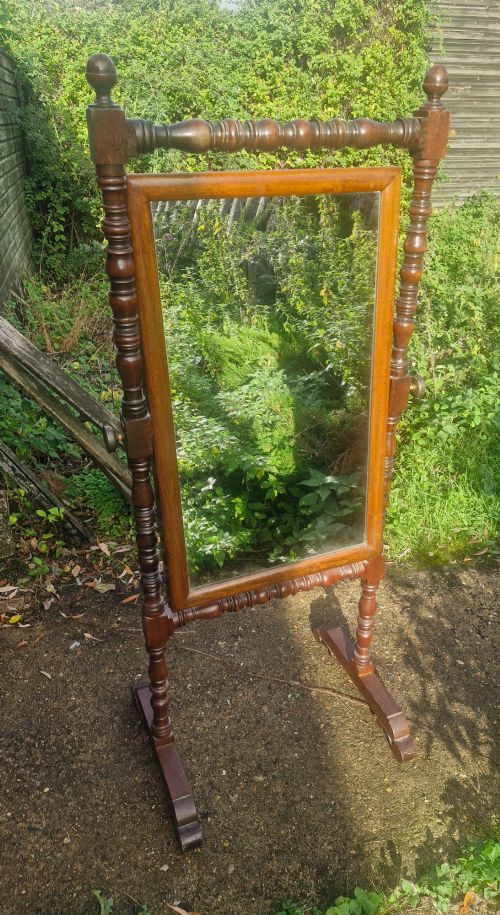
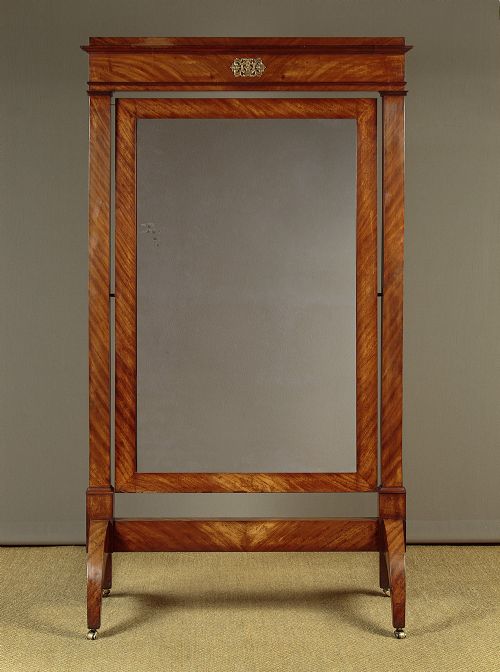
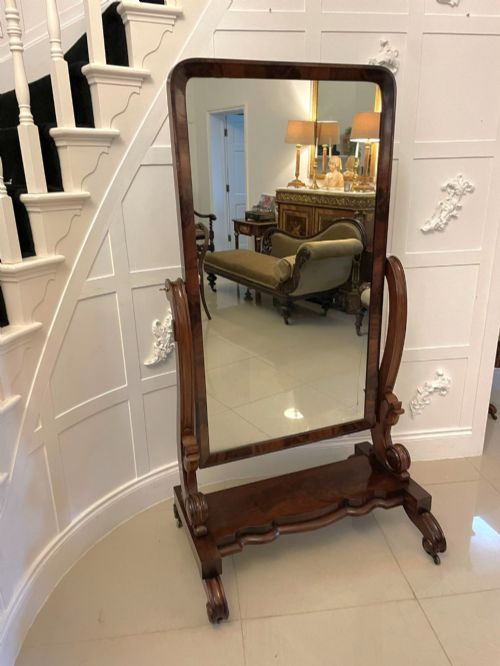
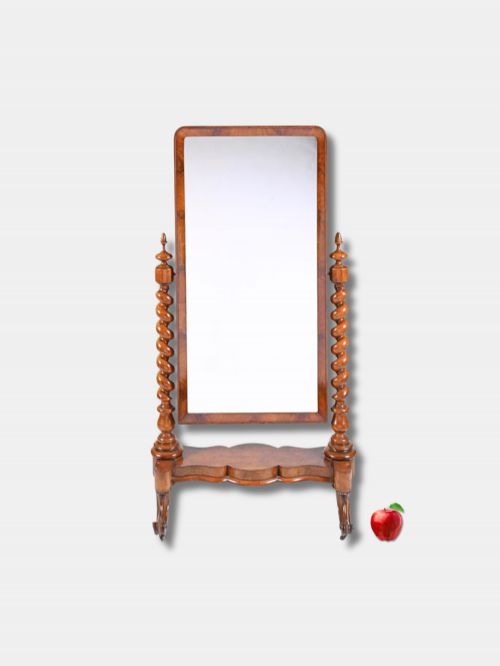
Larger cheval mirrors represent the full-length version of this form, designed to stand directly on the floor. These grander pieces frequently incorporate swiveling frames supported by sturdy uprights, pedestals or substantial legs with brass castors. Examples from the Regency and Victorian eras demonstrate how the scale shifted from intimate tabletop accessories to commanding bedroom furniture.
Materials and construction methods
Craftsmen utilised dense mahogany as the primary timber, sometimes enhancing the rich grain with satinwood inlay, parcel-gilt details or bone escutcheons. The supporting frames often relied on specialised joinery to house the pivot mechanisms securely, allowing the glass plate to tilt smoothly.
Metal components played a crucial functional role alongside the woodwork. Brass featured prominently in the form of adjustable screw pins, candle holders, sabots and castors, while mercury or silvered mirror glass provided the reflective surface within the wooden rebate.
Vintage Mahogany Swivel Mirror Retail Price Guide 2026
Typical asking prices for vintage mahogany swivel mirror among the pieces listed under this phrase on Sellingantiques today, from the lower quarter to the upper quarter. They describe what is for sale here now, not the wider market.
Listings feature periods spanning from the 18th century through the Edwardian era, predominantly utilising mahogany, glass and brass.
Distinguishing quality in mahogany mirrors
The sophistication of the timber selection and secondary woods dictates the baseline of refinement in these mirrors. Superior examples display carefully figured mahogany veneers or solid cuts with deep natural lustre, whilst lesser pieces rely on plain, uninspired boards.
Mechanical execution and hardware integration reveal the maker's hand. Finely made swivel mirrors operate on well-engineered brass pivot screws that hold the glass firmly at any angle without slipping, complemented by crisp carving or precise inlay rather than moulded resin substitutes.
Heal & Sons·Thomas Rubergall
The Vintage Mahogany Swivel Mirror Glossary
- Cheval mirror
- A large, freestanding full-length dressing mirror suspended in a frame that allows it to swing entirely. These tall pieces typically stand on four legs or sturdy pedestals.
- Toilet mirror
- A smaller dressing mirror designed to sit upon a table or chest of drawers. They frequently incorporate a box base containing one or more small drawers.
- Parcel-gilt
- Partially gilded with gold leaf or gold paint to highlight specific carved details. This treatment often accents architectural mouldings or crests on Georgian frames.
- Sabot
- A metal shoe or cap fitted to the foot of a furniture leg. Brass versions protect the timber feet and frequently incorporate castors on larger floor mirrors.
- Shield mirror
- A dressing mirror featuring a glass plate shaped like a heraldic shield. This distinctive outline became particularly popular during the Georgian period.
Vintage Mahogany Swivel Mirror: Frequently Asked Questions
What is a cheval mirror?
A cheval mirror is a full-length dressing mirror mounted on a freestanding frame that lets the glass tilt back and forth.
These taller pieces stand directly on the floor and emerged in various iterations across the Regency and Victorian periods.
How do tabletop and floor mirrors differ?
Tabletop versions sit upon chests or dressing tables and usually feature a base fitted with small drawers for storage.
Floor-standing cheval mirrors operate on a larger scale, supported by robust legs, sabots or pedestals to provide a full-length view.
How do I care for my mirror?
Keep the timber clean by dusting with a dry, soft cloth and occasionally applying a quality beeswax to nourish the mahogany grain.
Avoid placing the mirror in direct sunlight or damp environments to protect the fragile antique glass and prevent the wood from warping.