

Vintage Mahogany Display Case
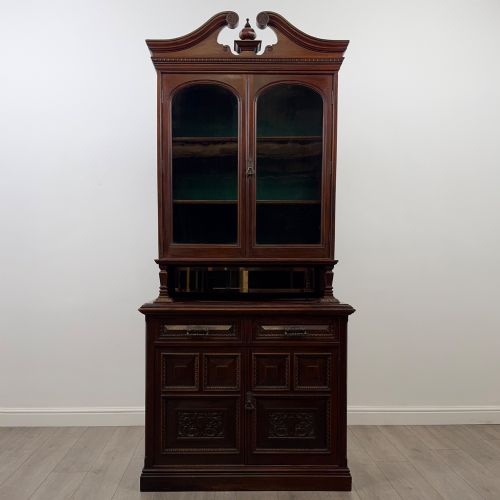
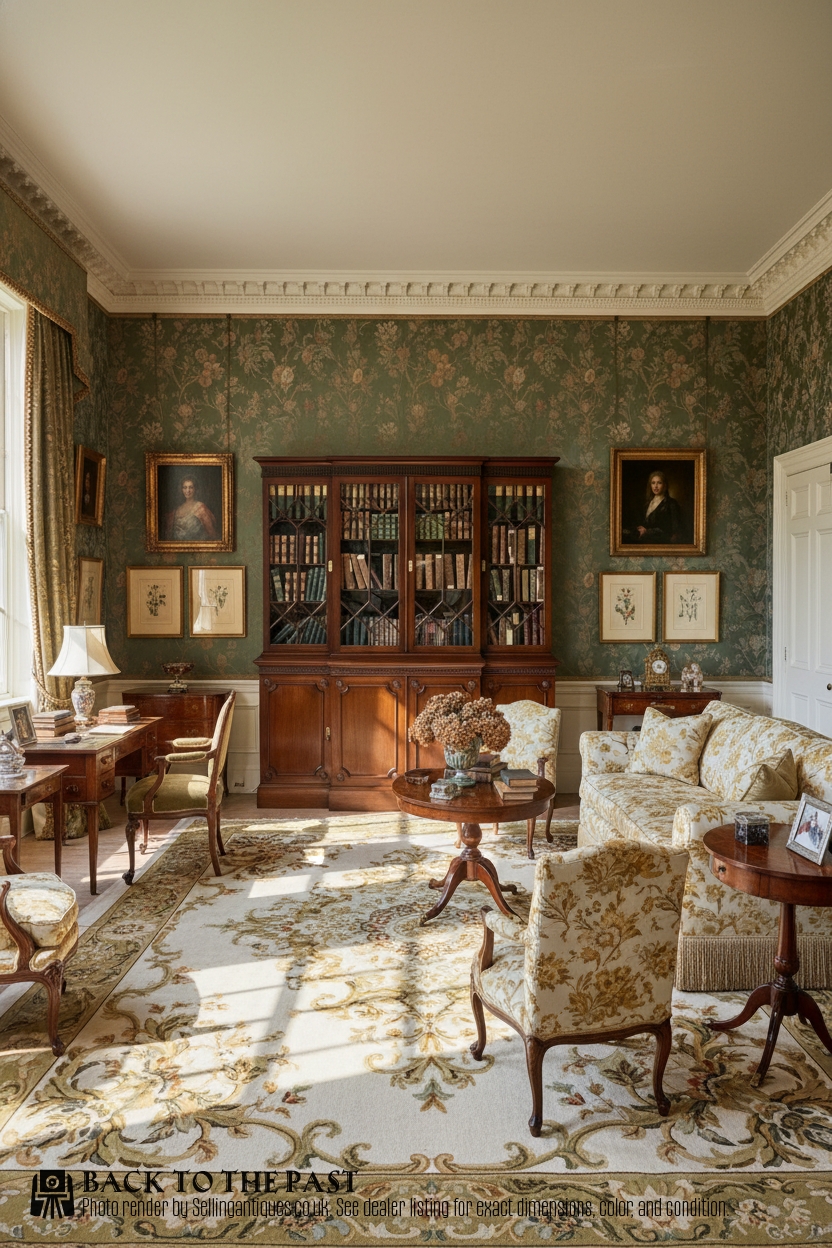
A vintage mahogany display case brings warmth and proportion to a room, offering glazed protection for cherished objects.
Vintage Mahogany Display Case
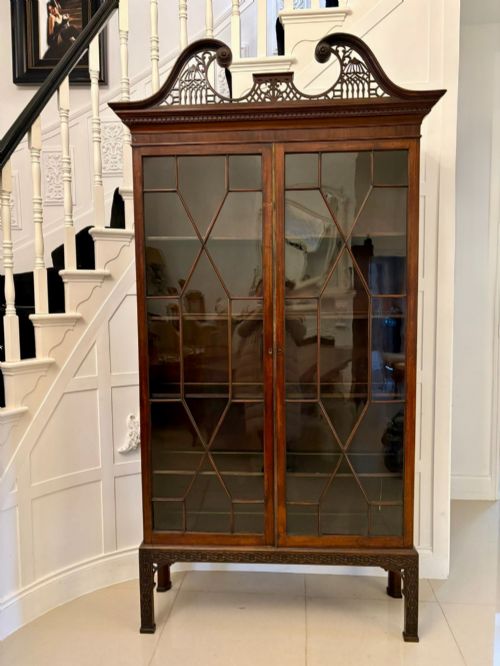
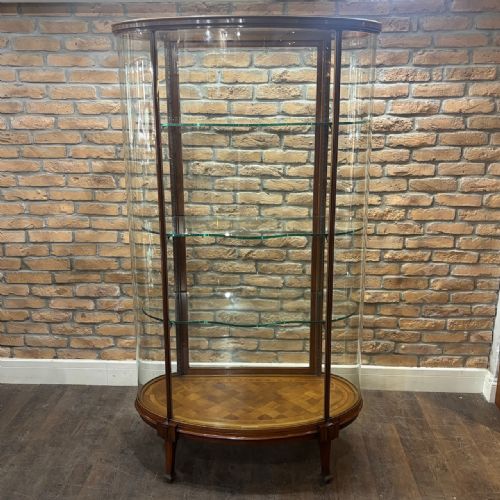
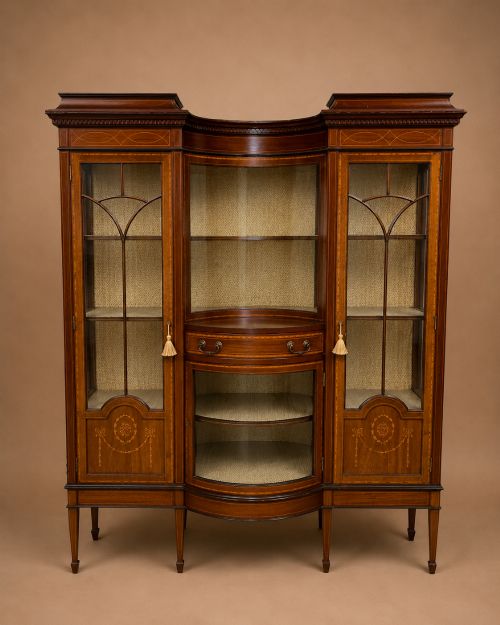
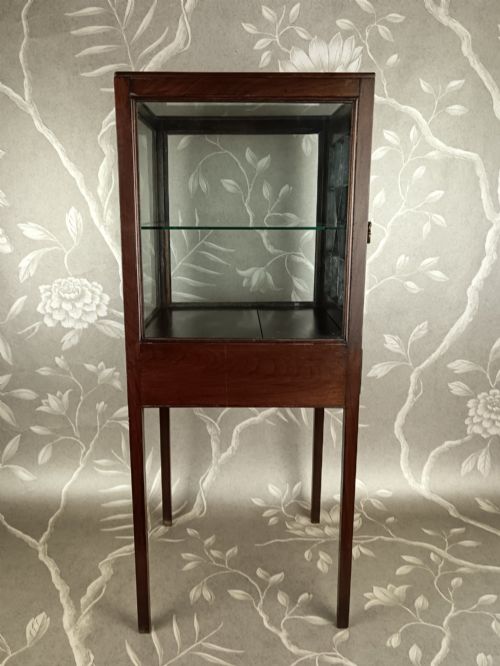
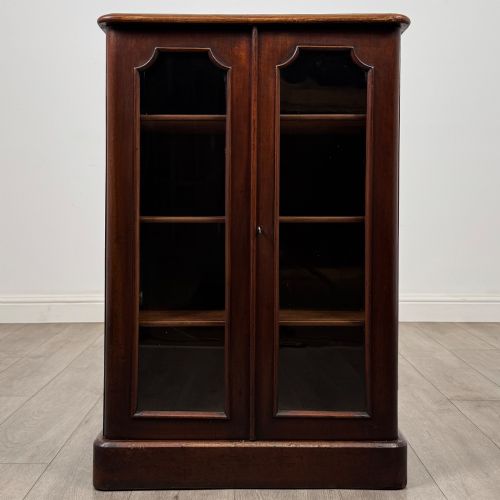
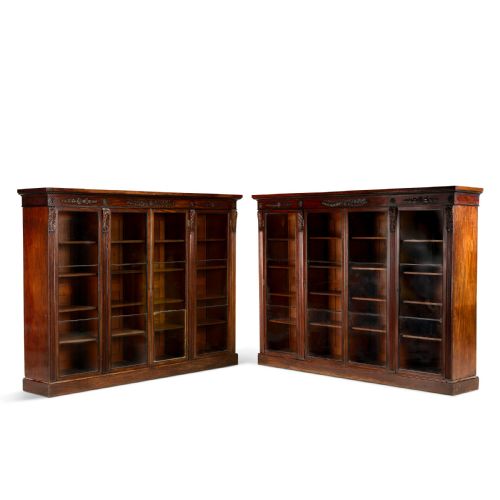
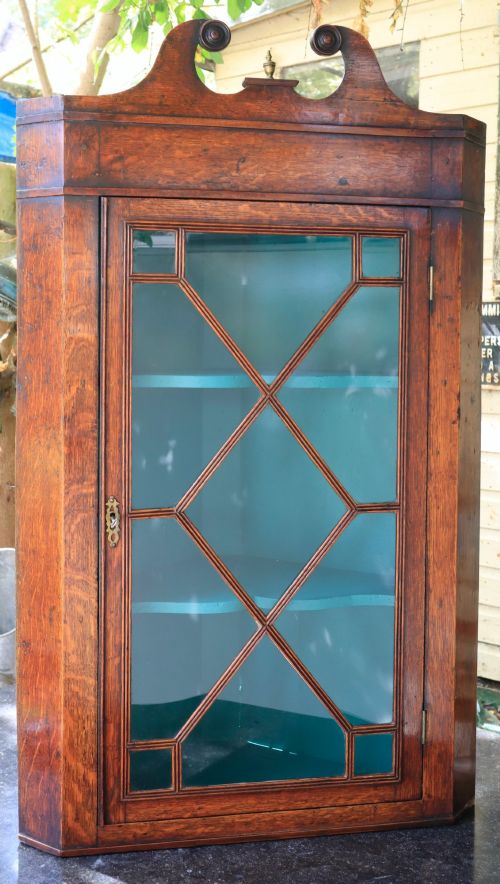
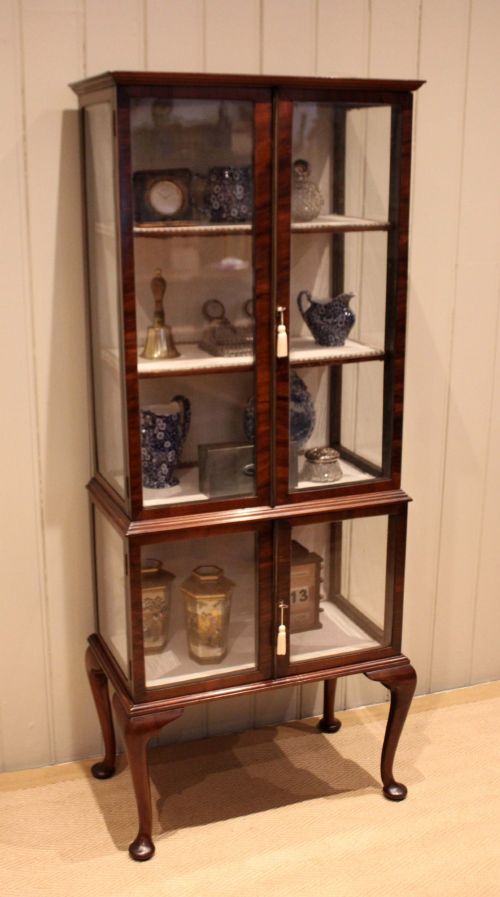
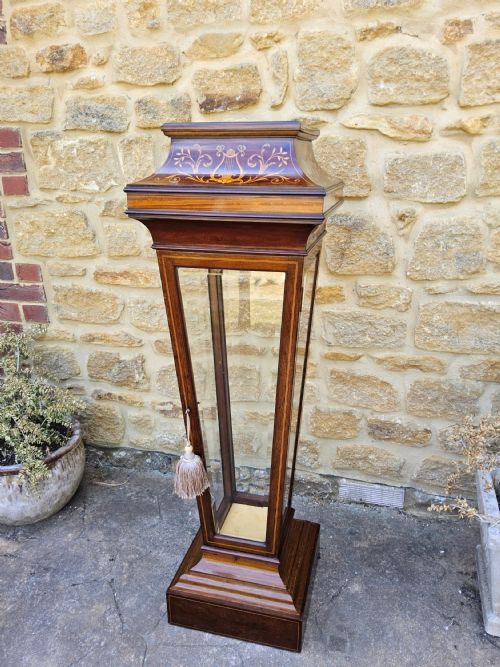
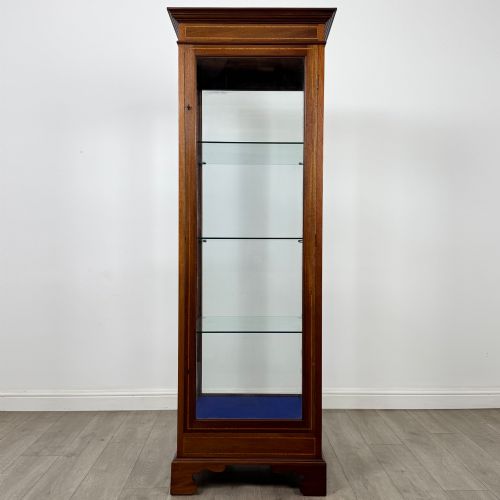
A vintage mahogany display case encompasses tall freestanding bookcases, bow-end shop counters, table-top vitrines and corner cabinets originating from periods spanning the nineteenth and twentieth centuries. Buyers seeking these items encounter examples shaped by Victorian, Edwardian, Georgian and Regency design traditions.
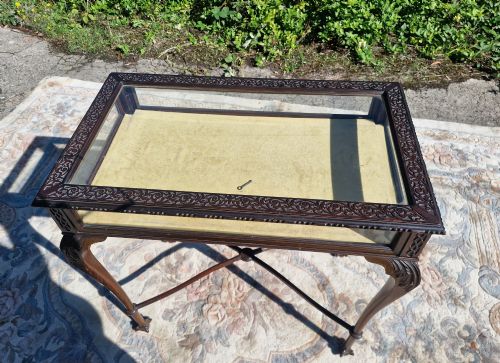
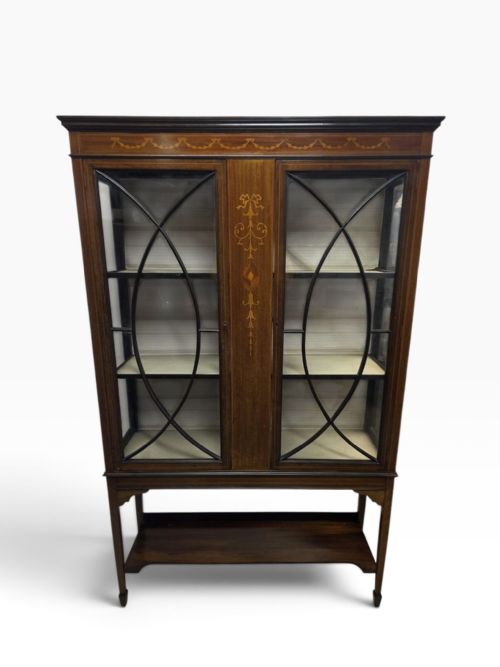
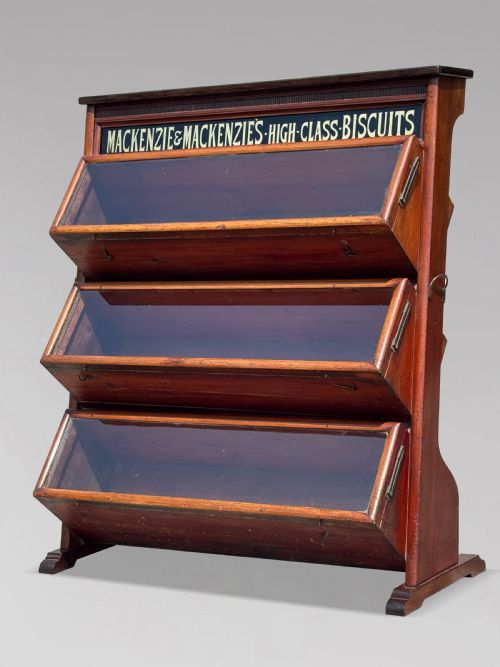
The selection ranges from domestic display cabinets with satinwood inlay and astragal glazing to commercial shop fittings by makers such as F. Sage and Co. Smaller forms include bijouterie tables and table-top cases designed to showcase smaller objects under glass.
Edwardian and late nineteenth-century pieces dominate the selection, often combining mahogany carcases with adjustable glass shelves, mirrored interiors and brass hardware. These domestic and commercial pieces reflect both formal revival styles and practical retail needs of the era.
Materials and construction methods
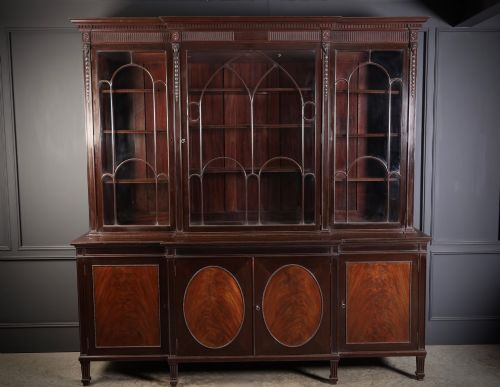
Makers utilised solid mahogany and mahogany veneers over secondary timbers, frequently incorporating satinwood inlay to add contrasting detail to door panels and friezes. Glass panels were fitted into wooden frames, sometimes shaped as astragal glazing bars or curved bow ends.
Interior fittings included adjustable glass shelves, mirrored backs to reflect light, and velvet or fabric linings within table-top bijouterie compartments. Brass handles, hinges and locks completed the hardware of both domestic cabinets and commercial shop fittings.
Materials recorded across the inventory include solid mahogany, glass, brass, mirror plates, satinwood inlay and velvet lining.
Factors separating different examples
Quality rests upon the crispness of carved details, the precision of satinwood inlay work and the integrity of the mahogany timber used in the carcase. Finer examples display balanced proportions, original glass panes and well-executed joinery without structural distortion.
Commercial provenance and maker attribution elevate certain pieces, as seen in items bearing the stamps of established cabinet makers or shop fitters. The survival of original mirrored backs, adjustable shelving mechanisms and functioning brass hardware distinguishes standard utility pieces from superior examples.
F. Sage & Co.·Maple & Co.·Maison Jansen
The Vintage Mahogany Display Case Glossary
- Astragal glazing
- A network of slender wooden bars holding small panes of glass within a cabinet door. This technique dates back to Georgian joinery and appears on revival pieces.
- Bijouterie table
- A glass-topped display table designed to hold small valuables, medals or jewellery. These pieces often feature hinged lids and fabric-lined interiors.
- Breakfront
- A piece of furniture where the central section projects forward from the outer sections. This architectural arrangement creates depth and visual rhythm in larger bookcases.
- Vitrines
- Glass-sided cabinets intended for the display of porcelain and ornaments. The term derives from the French word for glass.
- Satinwood inlay
- Contrasting light-toned wood veneers set flush into the mahogany surface to form decorative borders or motifs. It is characteristic of Sheraton Revival furniture.
Vintage Mahogany Display Case: Frequently Asked Questions
How do I date a mahogany cabinet?
Dating relies on construction methods, timber choice and decorative motifs such as satinwood inlay or carved astragal bars. Cabinet feet, backboards and interior shelf supports also offer clues to the period of manufacture.
Evidence in these listings points predominantly to Edwardian and Victorian eras, alongside earlier Georgian and Regency influences that inspired later revival pieces.
Can shelves be adjusted inside?
Many shop display cases and bookcases feature adjustable shelf supports, allowing owners to alter the internal layout for different objects. Domestic cabinets vary depending on their original intended use.
Reviewing specific listings confirms whether internal glass or wooden shelves rest on fixed or adjustable brackets.
Are these cases suitable for delicate items?
Enclosed glass panels and lockable doors protect stored contents from dust and handling. Table-top and freestanding vitrines provide all-around visibility for collections.
Fabric linings in bijouterie tables and mirrored interiors in shop cabinets further assist in displaying and safeguarding objects.