
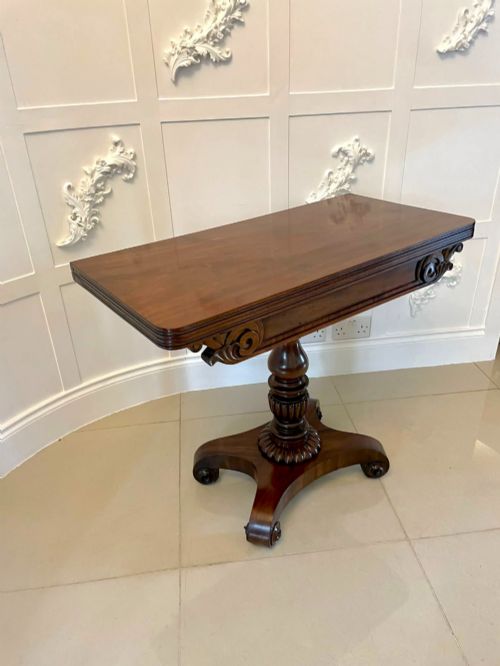
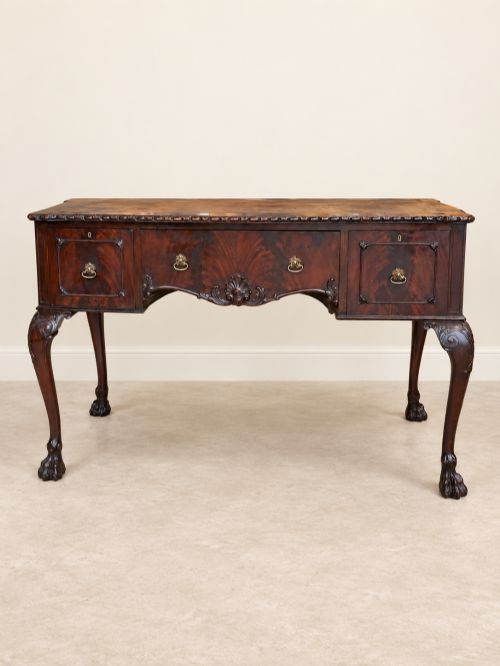
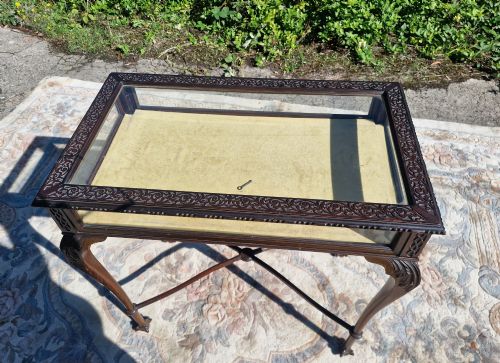
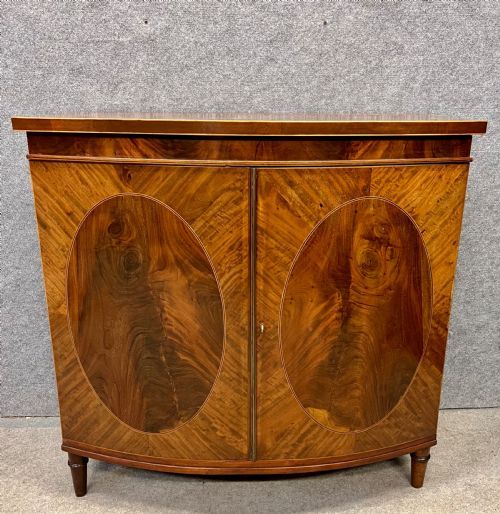
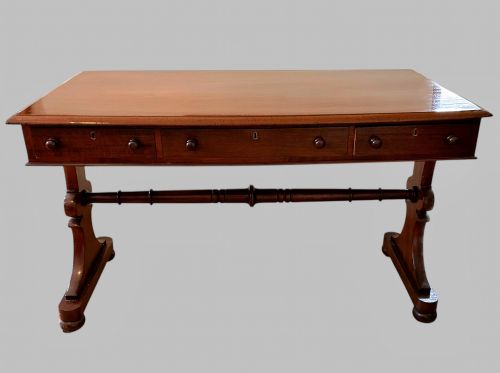
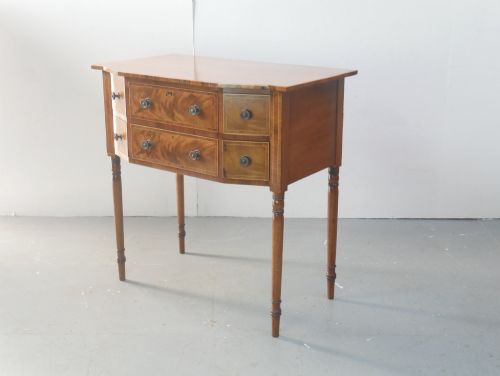
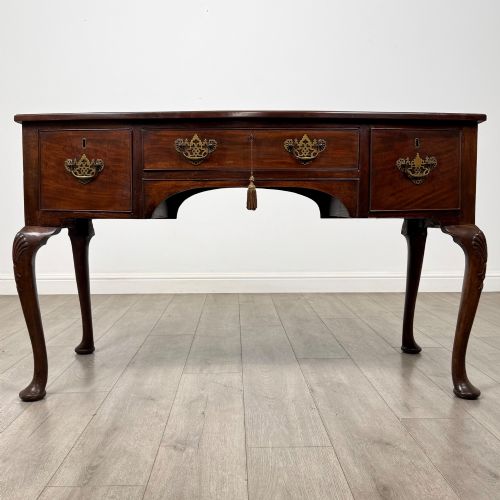
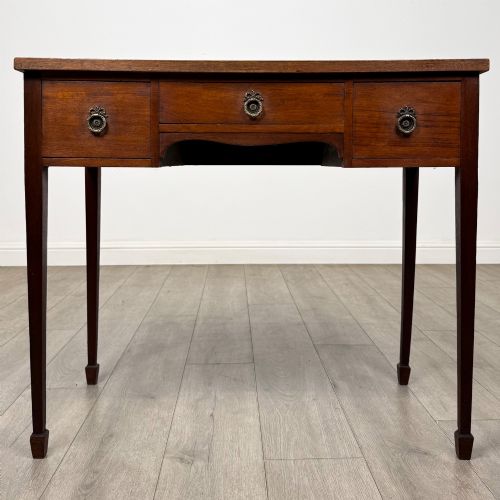
Vintage Mahogany Console Table
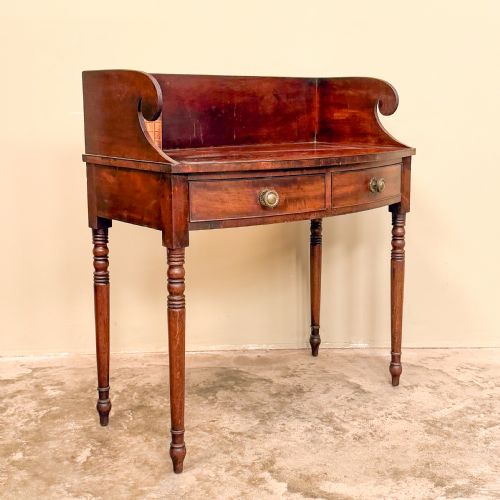
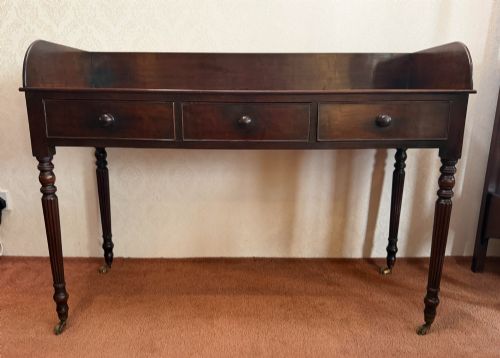
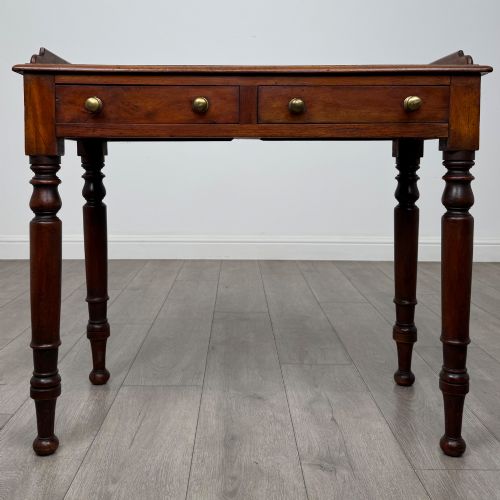
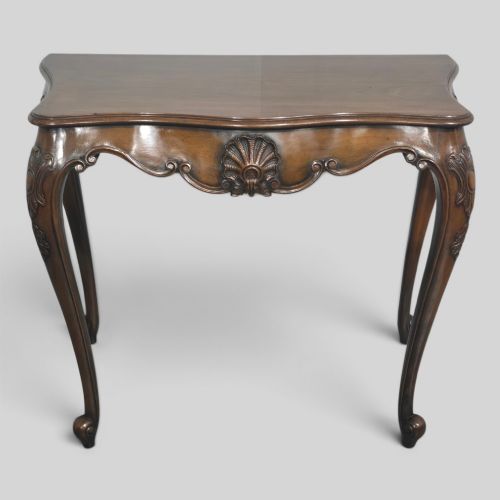
A vintage mahogany console table brings rich timber grain and classic proportion to a hallway or reception room.
Vintage Mahogany Console Table
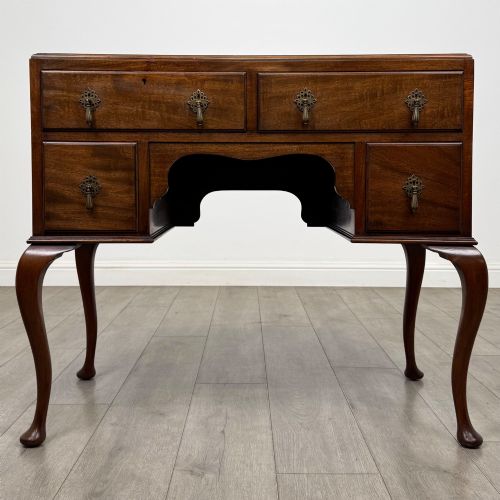
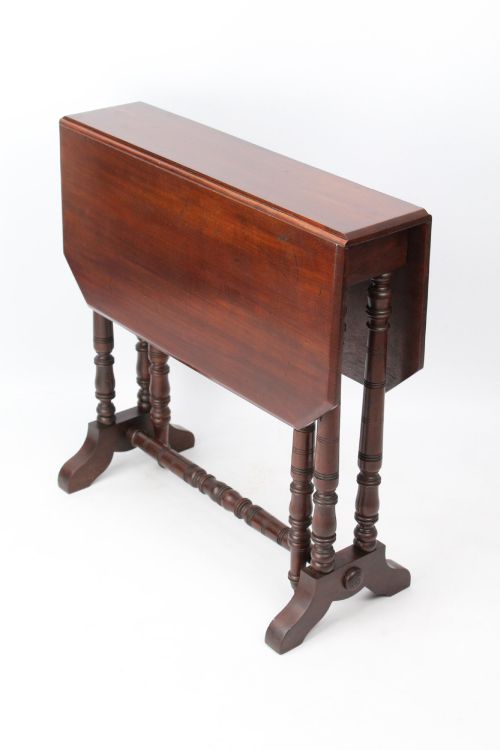
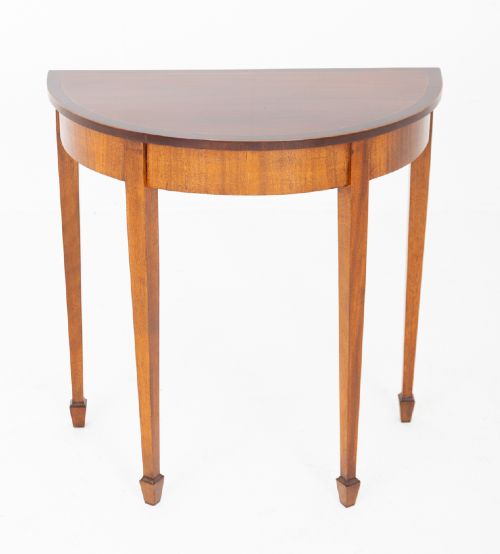
A vintage mahogany console table stands against a wall, often featuring a demi-lune, serpentine, or bow front shape designed to save floor space while offering a surface for display. These pieces frequently emerge from the Edwardian period or the nineteenth century, though revival styles appear across the selection.
Edwardian examples commonly display delicate wood inlay, whilst Victorian and earlier pieces rely on the natural depth of figured timber and carved details. Buyers encounter these diverse formats shaped by the changing requirements of domestic life over successive decades.
Craftsmanship and Proportion
The calibre of a piece rests upon the quality of the mahogany timber and the precision of any inlay work executed in satinwood or boxwood. Pieces exhibiting crisp carving and well-chosen veneer figures stand apart from simpler utilitarian examples.
Proportion and structural integrity define the upper tier of these tables, where balanced drawer construction and refined leg profiles reflect careful workshop execution. Finer examples maintain crisp lines and harmonious scale, whereas lesser pieces can appear heavy or lack secondary detail.
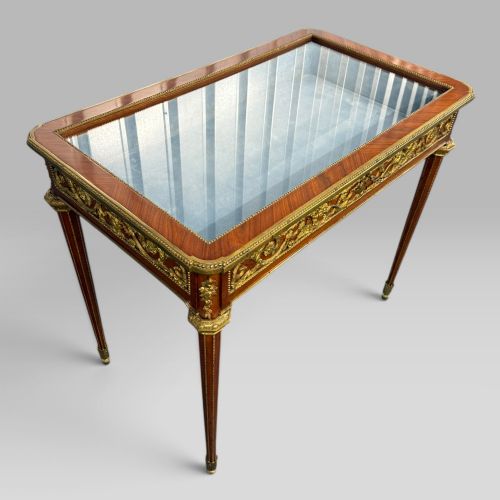
A cast iron pub table with its original mahogany top sits cheek-by-jowl with refined Edwardian display tables.
The Vintage Mahogany Console Table Glossary
- Demi-lune
- A half-moon shape popular for console tables and sideboards designed to fit snugly against a wall. This profile maximises floor space while providing a distinct decorative surface.
- Inlay
- A technique where contrasting materials such as satinwood or boxwood are inserted into recesses within the mahogany surface to create geometric or floral patterns. It defines much of the decorative work seen on Edwardian pieces.
- Serpentine
- A gently undulating front edge curving outward at the centre and inward at the sides, or vice versa. This contour requires skilled carpentry to shape timber accurately.
- Satinwood
- A pale, lustrous wood utilised alongside darker mahogany for contrasting stringing and marquetry panels. Its golden hue brightens inlaid table tops and cabinet fronts.
- Console table
- A table supported against a wall by brackets or legs, historically designed to display decorative objects. The form ranges from simple nineteenth-century framework to elaborate marble-topped variations.
Vintage Mahogany Console Table: Frequently Asked Questions
Where should I place a console table?
These tables suit narrow hallways, entrance spaces, and reception rooms where floor space is limited. Their shallow depth allows them to sit flush against a wall while holding lamps, mirrors, or small objects.
They also function effectively behind sofas or beneath windows, anchoring the layout of a room without obstructing movement through the space.
How do I identify Edwardian pieces?
Edwardian tables often display lighter wood inlays, satinwood banding, and refined tapering legs reflecting the tastes of the early twentieth century. They tend to feel lighter in scale compared to heavy Victorian furnishings.
Construction details, timber patination, and stylistic markers help distinguish these pieces from later revival items produced in the mid-twentieth century.
Are marble tops original?
Marble tops appear frequently on nineteenth-century and early twentieth-century console and washstand tables, providing a durable and cool surface. Their presence depends on the specific domestic function the table served originally.
Checking the fit against the mahogany frame helps determine whether the stone top belongs to the period of manufacture.
How do I care for mahogany furniture?
Mahogany benefits from occasional dusting with a soft cloth and minimal exposure to direct sunlight or sudden temperature changes. Avoiding excess moisture preserves the polish and prevents timber movement.
Applying traditional wax sparingly maintains the lustre of the wood grain without building up a heavy, dull film over time.