

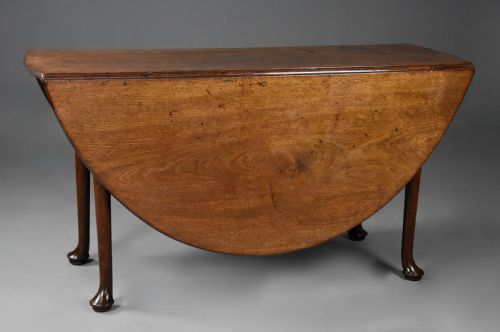
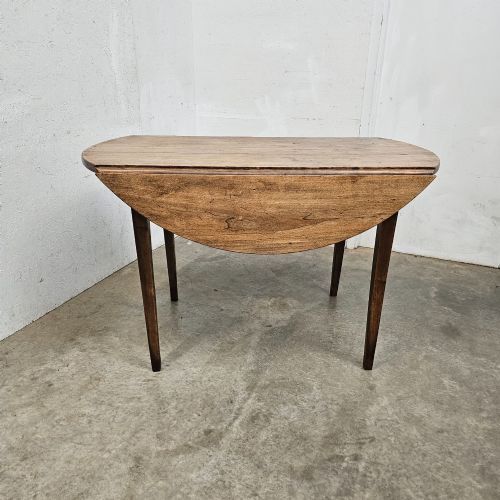

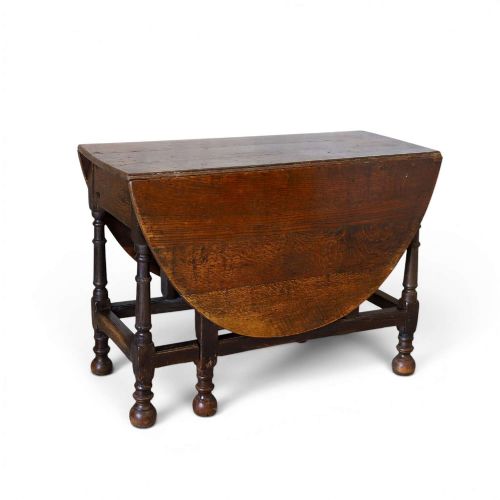
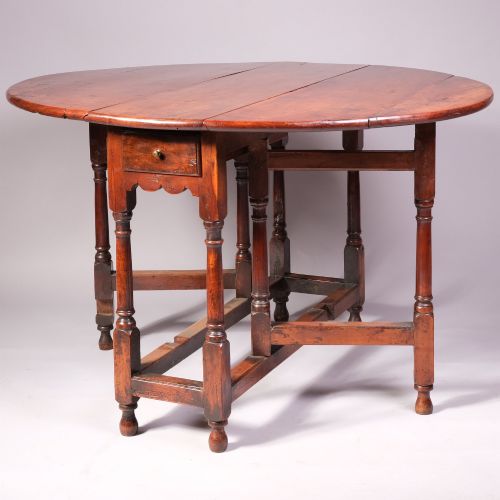
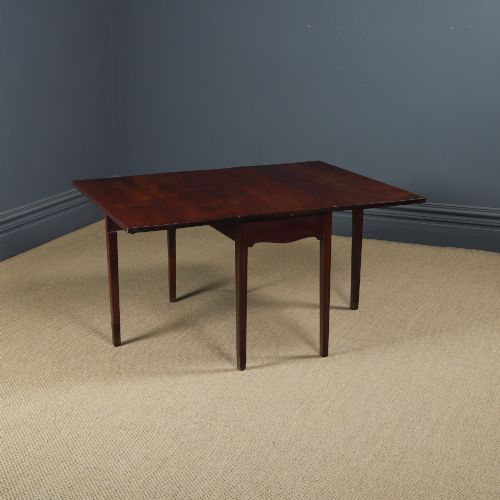
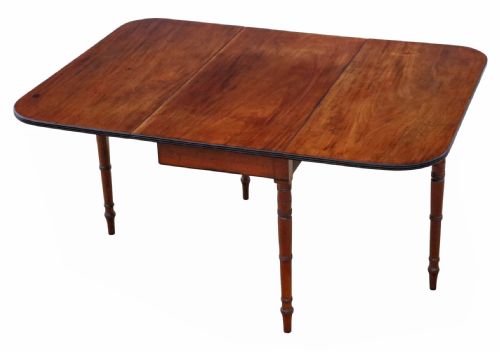


Brown Wooden Gateleg Table
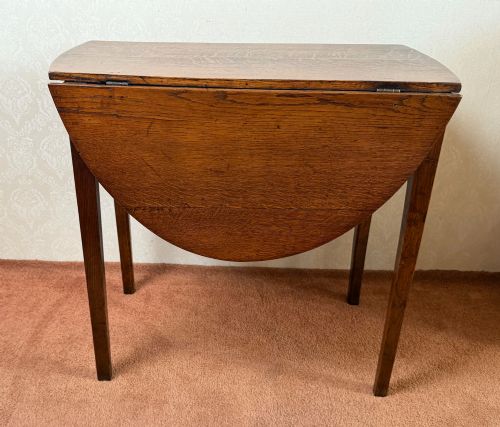
A brown wooden gateleg table offers clever folding leaves that expand a compact surface into a generous dining space.
Brown Wooden Gateleg Table
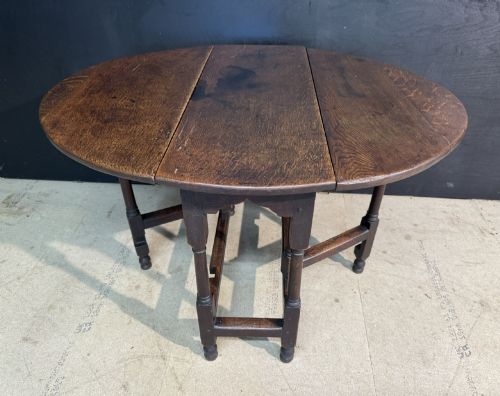
A brown wooden gateleg table provides a practical folding surface supported by swing-out legs that pivot from a central frame. These pieces appear frequently in oak, mahogany, and walnut across periods spanning the seventeenth century through to the Edwardian era.
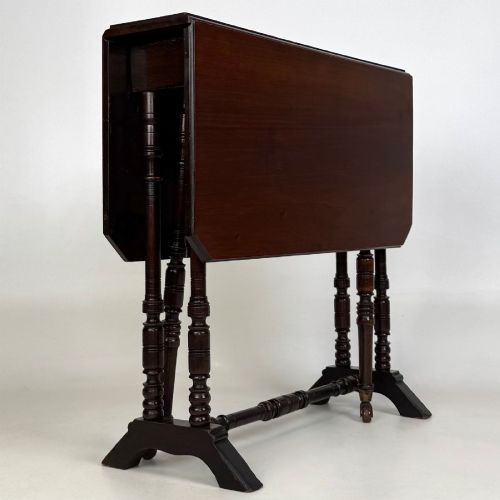
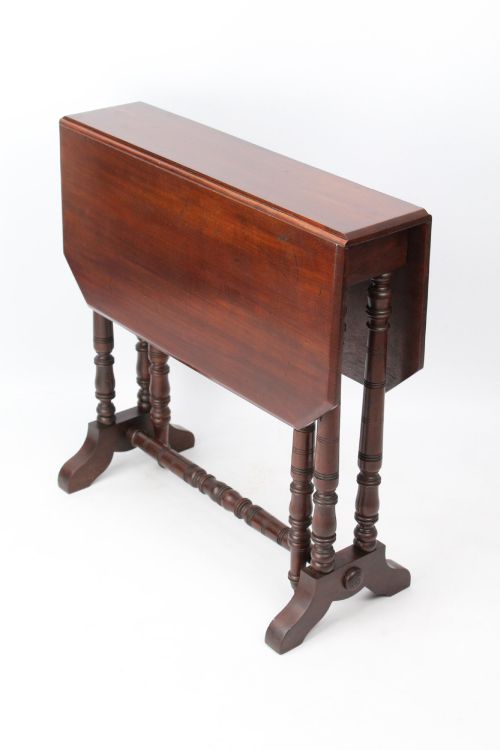
Buyers encounter substantial dining examples alongside smaller occasional and tea tables, including narrow drop-leaf formats and slender Sutherland designs. These items suit both daily meals and versatile living spaces where floor area matters.
Originating largely from English workshops, domestic versions range from rustic country oak constructions to finely polished Georgian and Victorian mahogany pieces. Each variant provides a stable framework designed to fold away neatly when not in use.
Materials and construction
Cabinetmakers built these frames primarily using solid timbers like oak, mahogany, and walnut, selecting dense woods capable of supporting the hinged drop leaves. Joinery relied on traditional mortise and tenon joints to withstand the regular movement of folding flaps.
Pivoting swing legs relied on sturdy wooden pivots or iron hinges to support the extended leaves safely during use. Many examples incorporate original brass castors or subtle satinwood inlay to finish the edges of the top.
Brown Wooden Gateleg Table Retail Price Guide 2026
Typical asking prices for brown wooden gateleg table among the pieces listed under this phrase on Sellingantiques today, from the lower quarter to the upper quarter. They describe what is for sale here now, not the wider market.
Early makers designed certain gate legs to swing with deliberate friction, preventing the leaves from dropping on unsuspecting toes during tea.
Indicators of quality
Quality rests heavily on the choice of timber and the integrity of the hinge mechanism, where superior pieces exhibit seamless alignment when opened. Faded patination developed over centuries indicates a healthy surface untouched by harsh chemical stripping.
Finer examples retain original brass castors and robust gate swing actions that operate without sagging at the joints. The thickness of the drop leaves and the precision of the central framework distinguish master cabinetwork from simpler provincial utility furniture.
The Brown Wooden Gateleg Table Glossary
- Gateleg table
- A table featuring hinged leaves supported by swing-out legs that resemble a swinging gate. This design maximises floor space while providing a sturdy surface when fully opened.
- Drop-leaf table
- A table with a fixed central section and hinged flaps on either side that drop down when unsupported. It serves as a space-saving solution for dining and occasional use.
- Sutherland table
- A narrow table featuring exceptionally slender drop leaves and thin gate legs, designed in the Victorian era to fold into a very compact footprint. They often function as tea or occasional tables.
- Patina
- The deep sheen and surface texture acquired by wood over decades of handling and polishing. A rich patina indicates age and gentle maintenance.
- Castor
- A small wheel mounted on a swivel attached to the foot of a table leg. Original brass versions assist mobility on carpets and polished floors.
Brown Wooden Gateleg Table: Frequently Asked Questions
How do I use a gateleg table daily?
Keep one or both leaves folded down against the wall for everyday tasks, opening the full surface only when dining or hosting guests.
Position the swing legs firmly beneath the extended leaf to ensure stable weight distribution during meals.
Will a gateleg table seat four people?
Many medium-sized variants easily accommodate four diners when both drop leaves are fully raised and supported by the swing gates.
Compact occasional versions suit smaller spaces but generally provide knee room for only two people.
How do I care for antique wood surfaces?
Dust the timber regularly with a soft, dry cloth and apply a quality beeswax periodically to nourish the grain.
Avoid placing hot dishes or wet glasses directly onto the polished wood to prevent ring marks and surface damage.