
Vintage Mahogany Chiffonier
A vintage mahogany chiffonier brings rich timber and practical enclosed storage into a room, offering both a surface for display and a compact sideboard base.

Vintage Mahogany Chiffonier
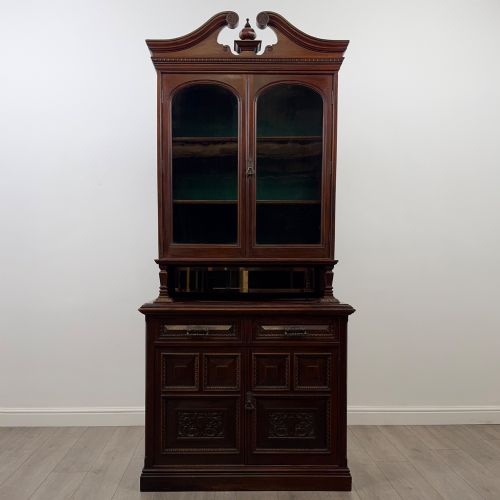
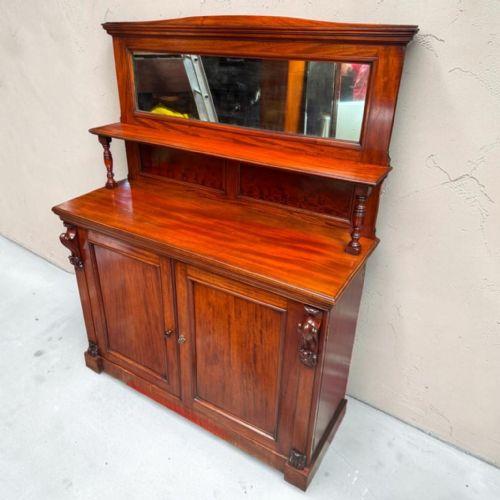
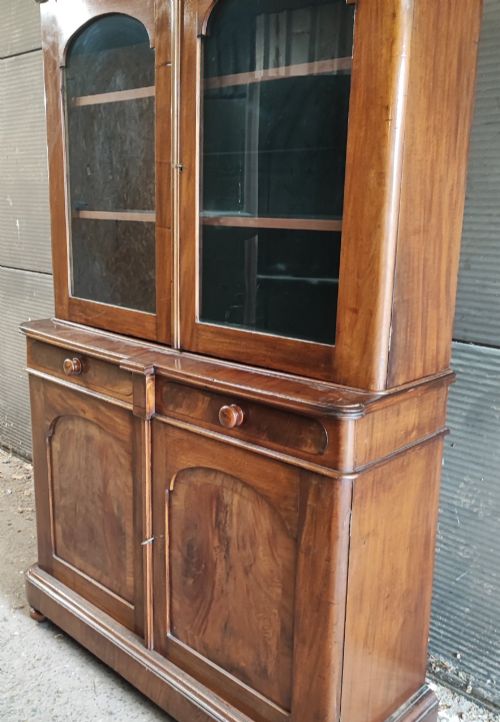
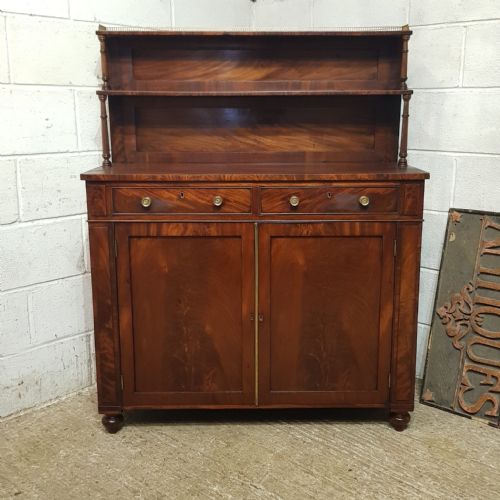
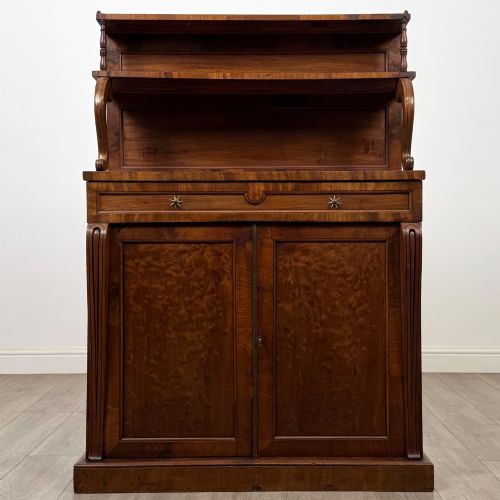
When you search for a vintage mahogany chiffonier, you are looking at low sideboards and side cabinets typically equipped with lower cupboards and sometimes upper shelves. These pieces serve as functional storage units that double as display surfaces in dining rooms or living spaces.
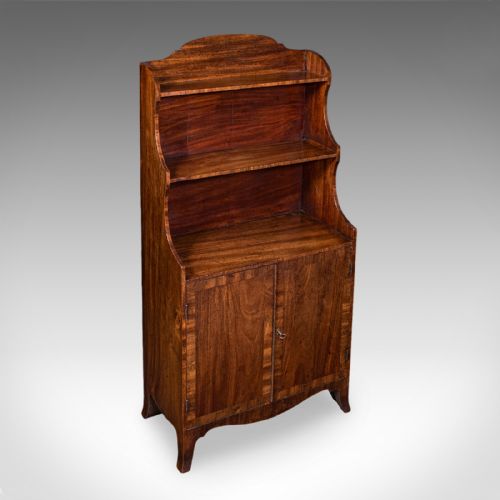
The versions you are most likely to meet on this page span from the Georgian and Regency eras through the Victorian period and into the early twentieth century. They appear in forms ranging from simple side cabinets to pieces with open book shelves or petite proportions.
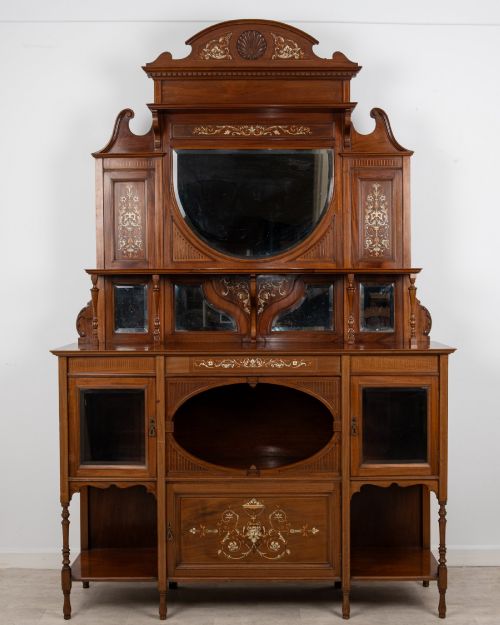
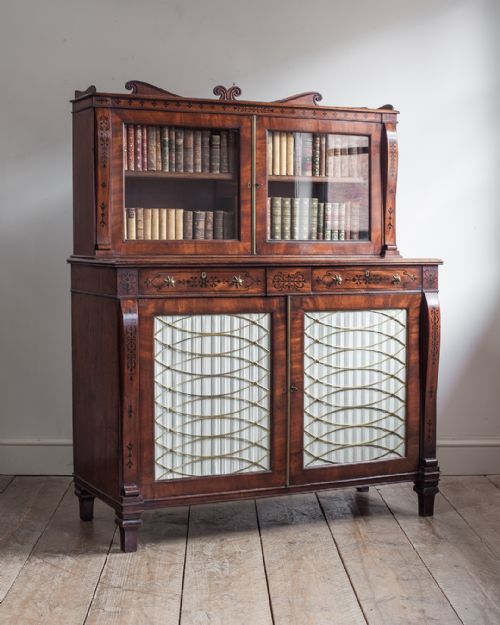
Originating largely from English workshops, these items utilise dense timbers and occasionally feature delicate inlay wood or flame mahogany veneer. Their forms bridge the gap between traditional bookcases and formal sideboards, making them adaptable additions to period interiors.
How they were made
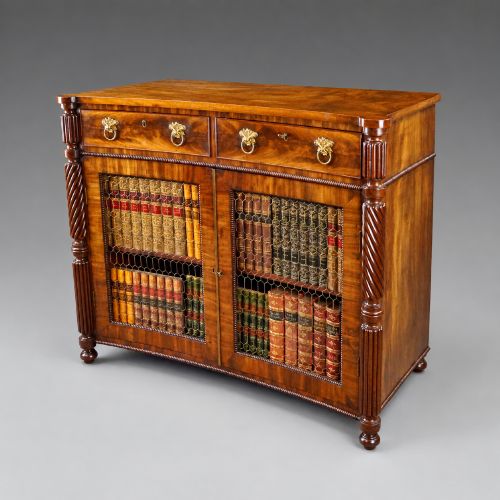
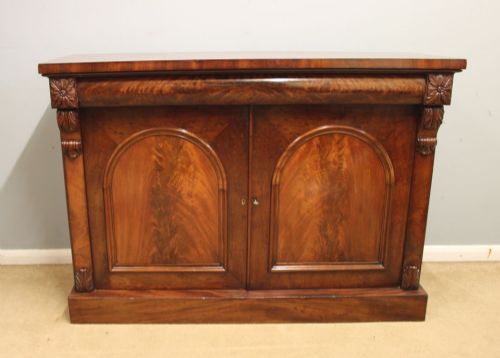
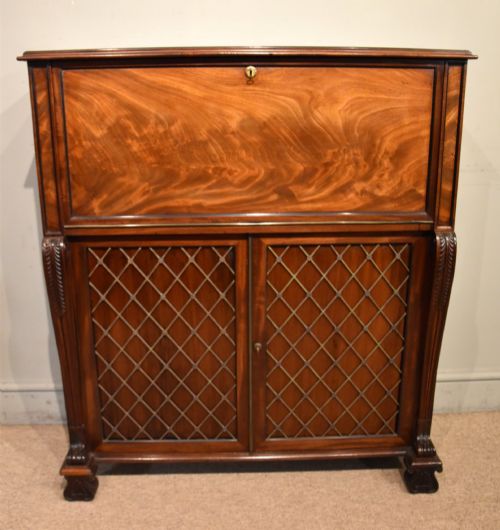
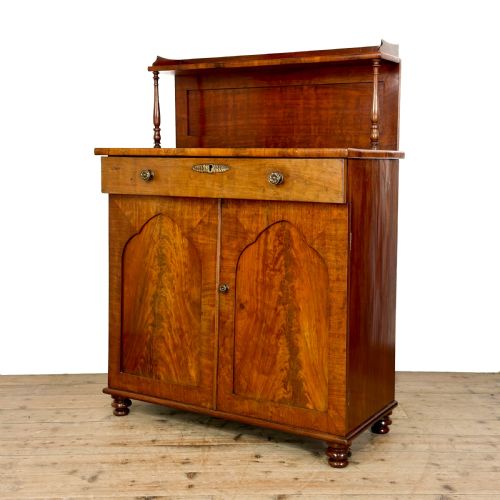
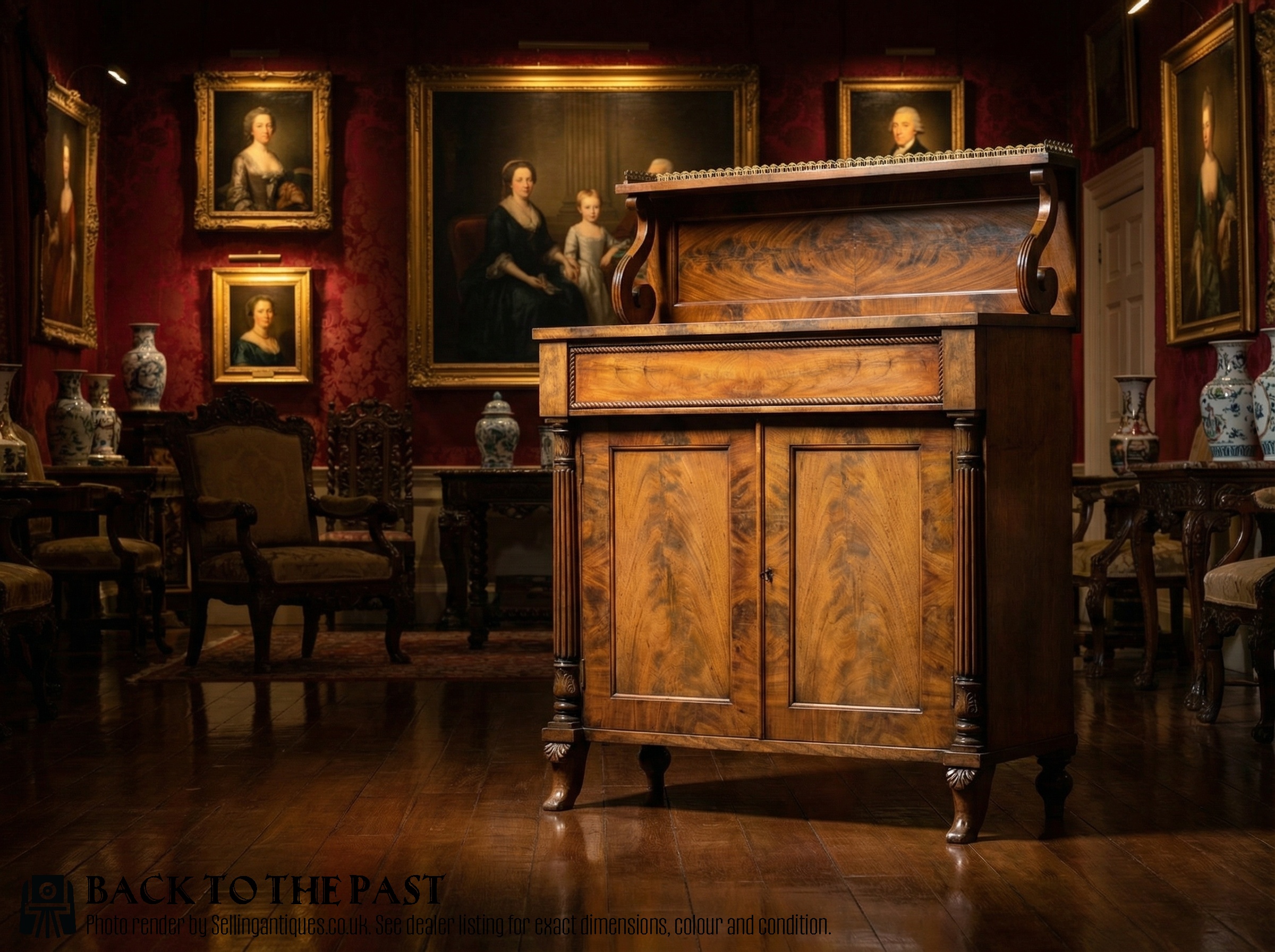
Cabinet makers constructed these pieces using solid mahogany alongside secondary woods like pine for internal framing and drawer linings. The exterior surfaces often display striking flame mahogany veneer carefully laid to create symmetrical grain patterns across doors and drawer fronts.
Detailing on these cabinets relies on traditional joinery techniques, complemented by brass fittings and occasionally inlay wood for decorative contrast. Structural components are joined by hand, ensuring robust construction that has survived from the eighteenth and nineteenth centuries.
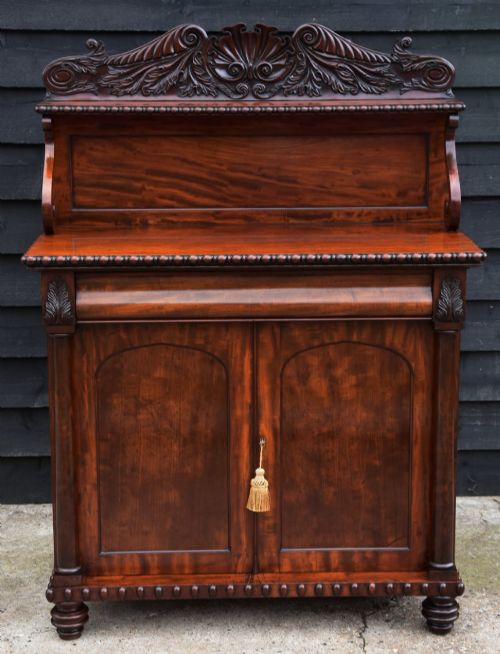
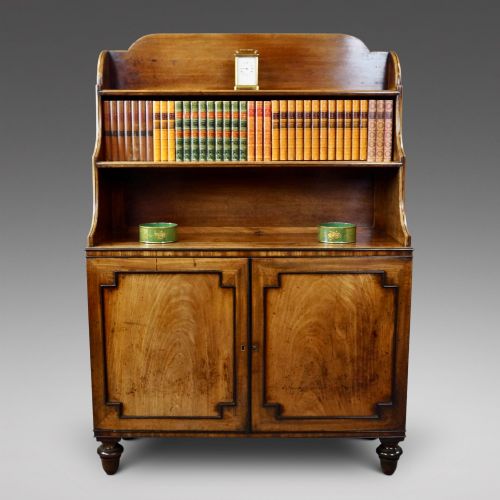
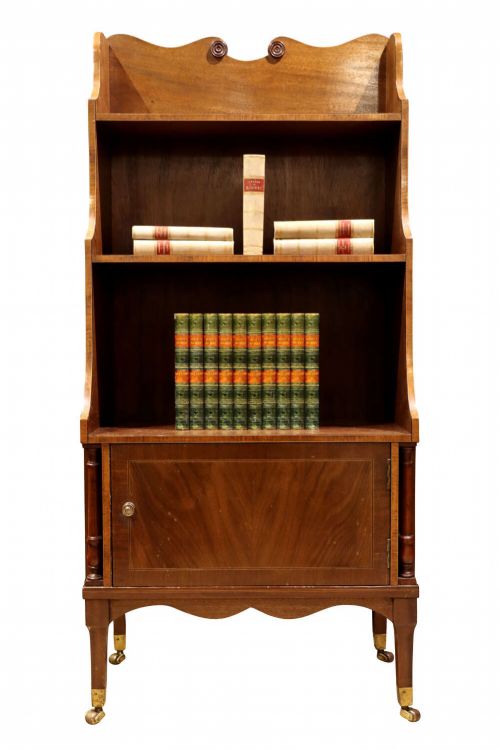
Open book shelves and upper tiers, where present, are integrated into the main carcass with sturdy brackets and shelves fixed securely to the backboards. The choice of materials reflects the cabinet maker's focus on both visual impact and everyday utility.
Vintage Mahogany Chiffonier Retail Price Guide 2026
Typical asking prices for vintage mahogany chiffonier among the pieces listed under this phrase on Sellingantiques today, from the lower quarter to the upper quarter. They describe what is for sale here now, not the wider market.
Even the petite versions manage to swallow an impressive stack of books behind their locked doors.
What varies in quality
The distinction between ordinary and exceptional examples rests in the choice of timber and the dexterity of the veneer work. Cabinets featuring highly figured flame mahogany display a depth of grain and warmth of colour that lesser pieces simply lack.
Proportion and restraint in ornament define the better specimens from this group. Pieces with balanced small proportions or integrated open book shelves demonstrate a more thoughtful design than heavier, utilitarian counterparts.
The refinement of brass hardware and the precision of any inlay wood further separate standard utility items from higher grade pieces. Subtle architectural details and clean lines indicate a higher standard of workshop execution.
The Vintage Mahogany Chiffonier Glossary
- Chiffonier
- A low sideboard or cabinet, typically featuring a cupboard base and occasionally surmounted by shelves. This form evolved from the sideboard to provide versatile storage in smaller rooms.
- Flame mahogany
- A veneer cut from the fork of the mahogany tree where the branch joins the trunk. It creates a distinctive, fiery pattern prized for its decorative impact on cabinet doors.
- Regency
- An English design period spanning the early nineteenth century characterised by classical restraint and archaeological influence. Pieces from this era often feature clean architectural lines.
- Inlay wood
- Contrasting timber embedded into the surface of a primary wood to form decorative patterns or borders. This technique adds visual refinement without relying on heavy carving.
- Georgian
- A period covering the eighteenth and early nineteenth centuries known for proportional harmony and solid construction. Furniture from this time uses dense timbers and traditional joinery.
Vintage Mahogany Chiffonier: Frequently Asked Questions
What is a chiffonier used for?
A chiffonier provides enclosed cupboard storage at a low height while offering a flat top surface for serving or display. Some variations also include open shelving above for books or decorative objects.
Historically placed in dining rooms or parlours, these pieces keep tableware or documents close to hand while occupying less floor space than a full sideboard.
How do I distinguish Regency from Victorian examples?
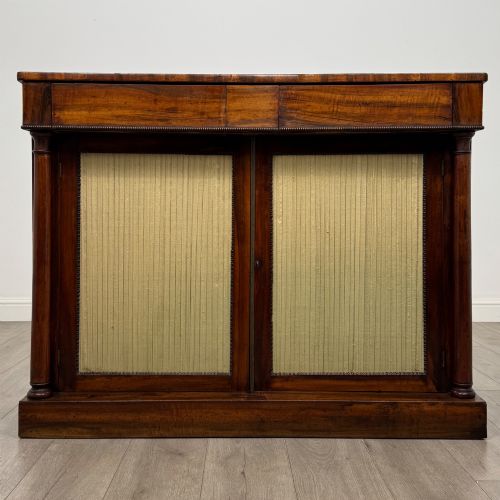
Regency pieces tend to display cleaner classical lines and restraint in their ornamentation, reflecting early nineteenth-century taste. They often rely on the natural grain of the timber rather than heavy carving.
Victorian versions, by contrast, can be heavier in proportion and may incorporate more elaborate architectural details or open book shelving structures as domestic fashions shifted.
Is flame mahogany different from solid mahogany?
Flame mahogany is a thin slice of veneer cut from a specific part of the tree where the grain twists dramatically. It is applied over a stable secondary wood to create a decorative surface.
Solid mahogany, meanwhile, consists of planks milled straight from the log, offering uniform colour and grain throughout the structural components of the cabinet.
Where should I place a chiffonier at home?
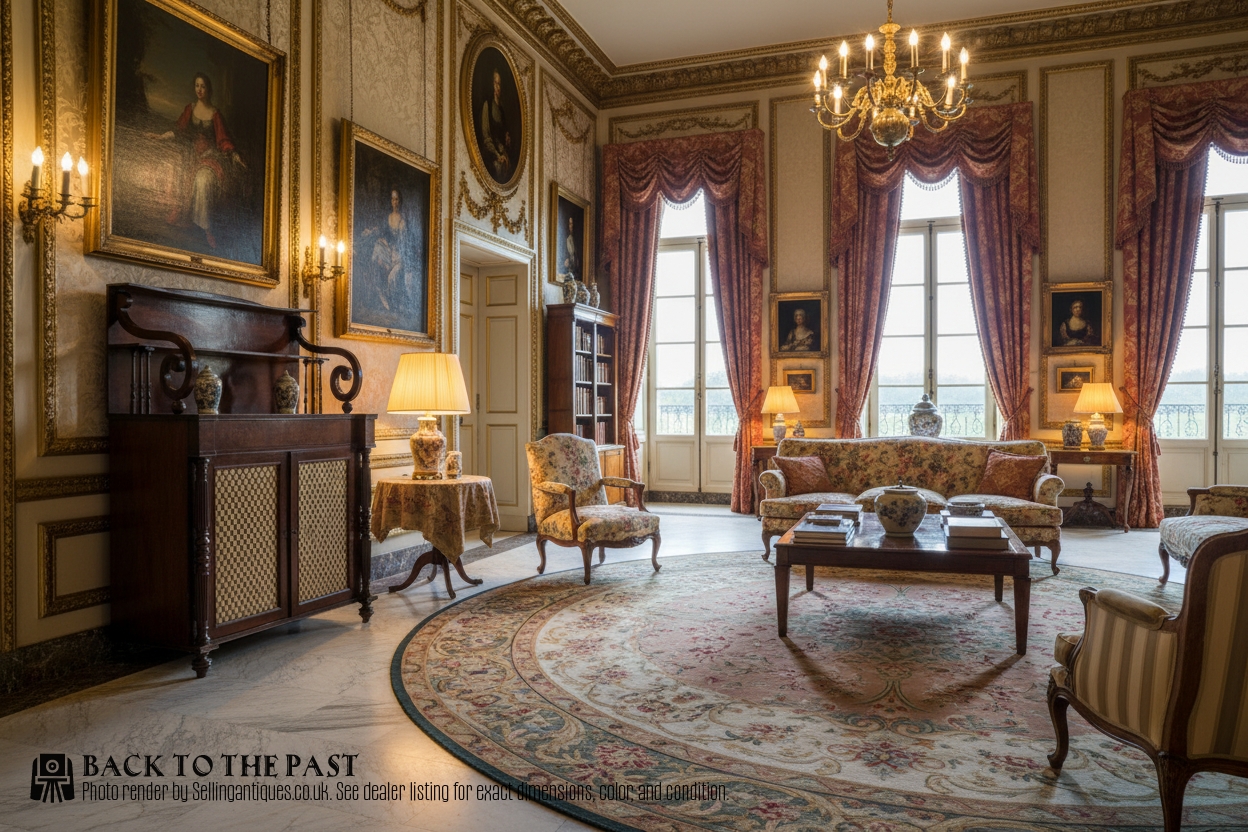
These cabinets suit dining rooms, living spaces, or hallways where their shallow depth allows them to sit comfortably against a wall without blocking walkway space. The top surface acts as a natural spot for a lamp or decorative items.
Peculiarly proportioned pieces with open shelves also function well in studies or libraries to house a collection of books alongside the lower enclosed storage.