

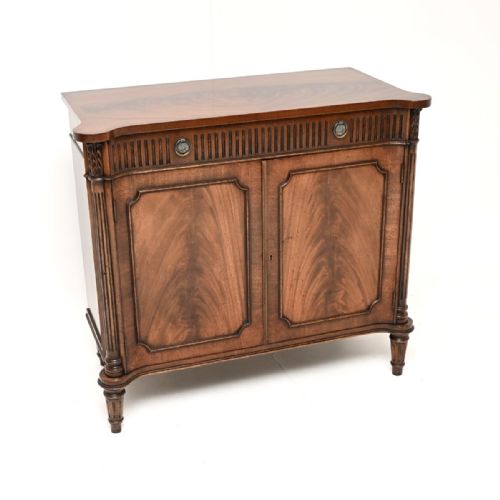
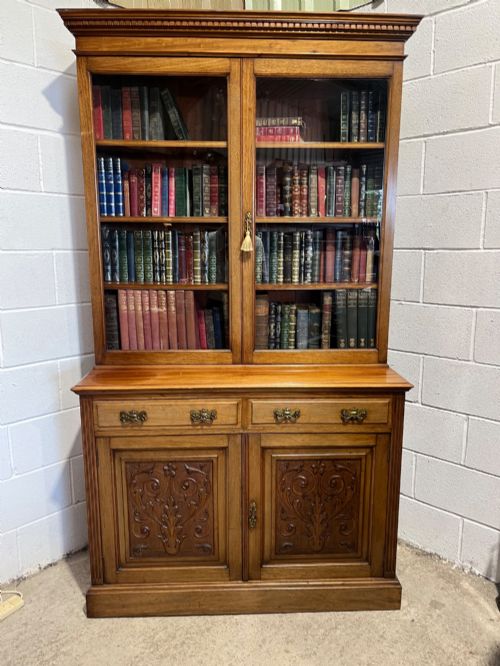
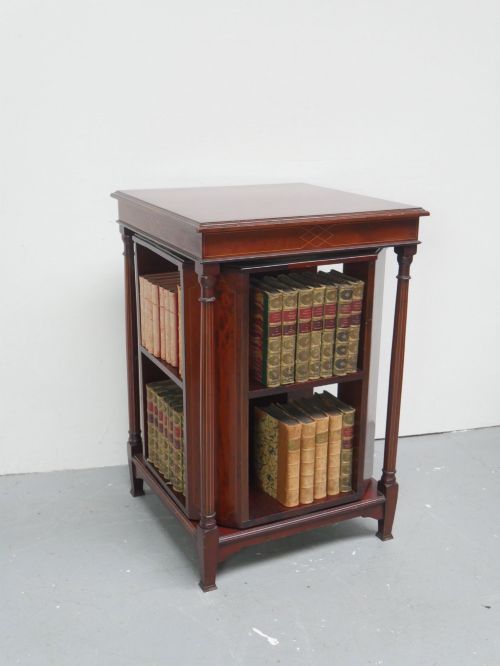
Vintage Mahogany Book Cabinet
A vintage mahogany book cabinet brings warmth to a study, offering sturdy shelving for volumes across periods from Regency to Edwardian.

Vintage Mahogany Book Cabinet
When you search for a vintage mahogany book cabinet, you encounter a range of storage furniture designed to hold books and display items in domestic or library settings. These pieces span multiple periods, including Victorian, Edwardian, and Regency eras, reflecting shifts in interior joinery and room layout over time.
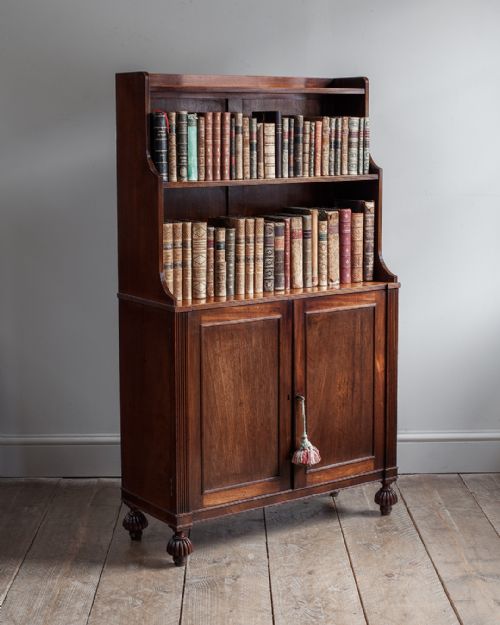
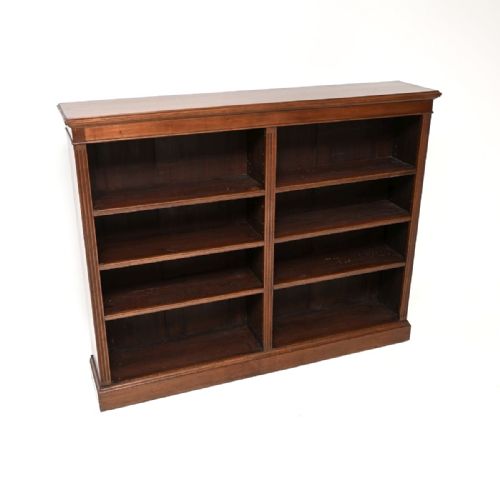
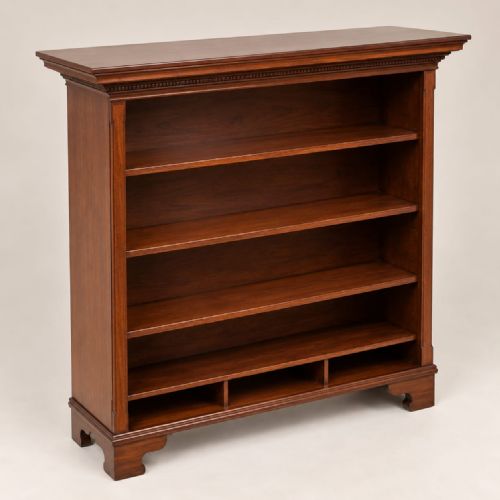
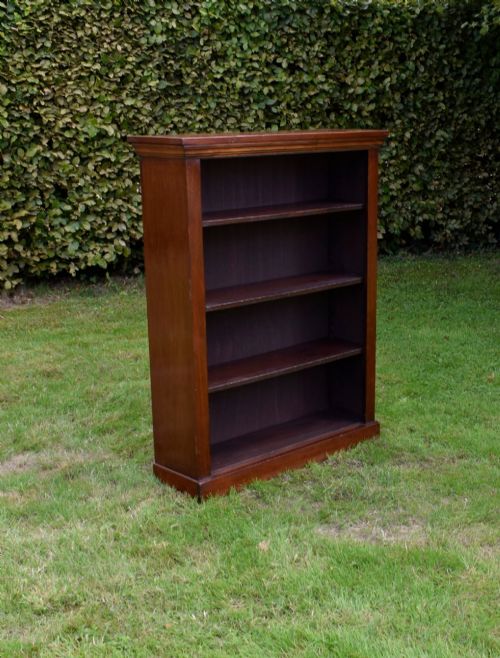
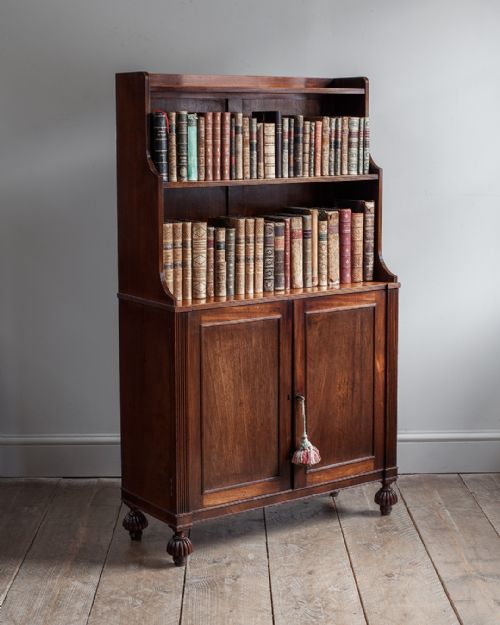
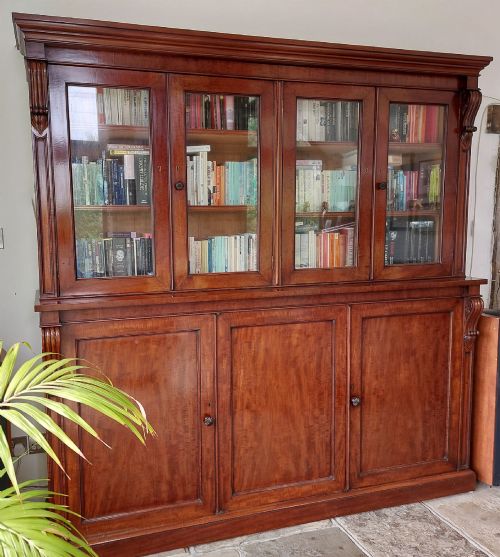
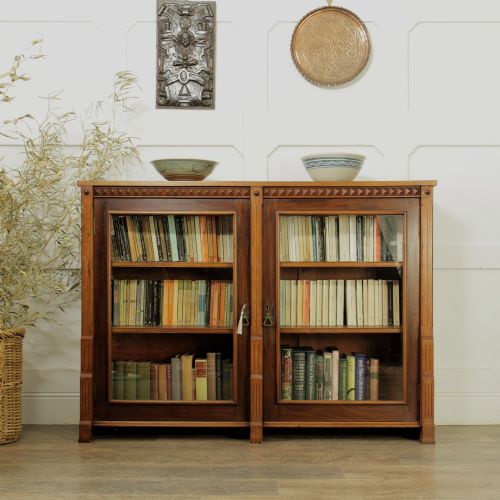
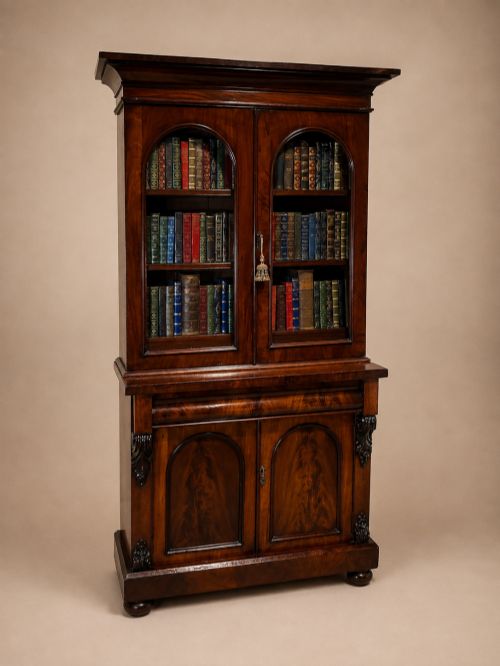
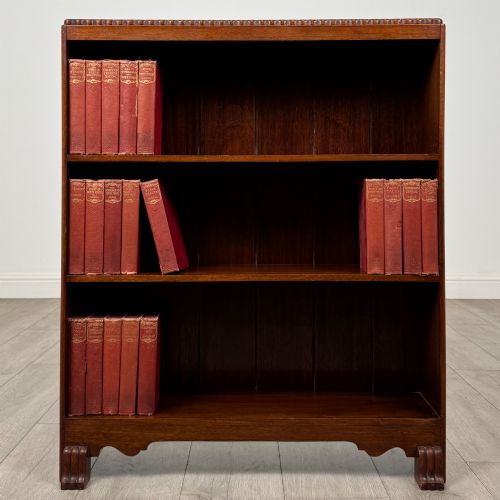
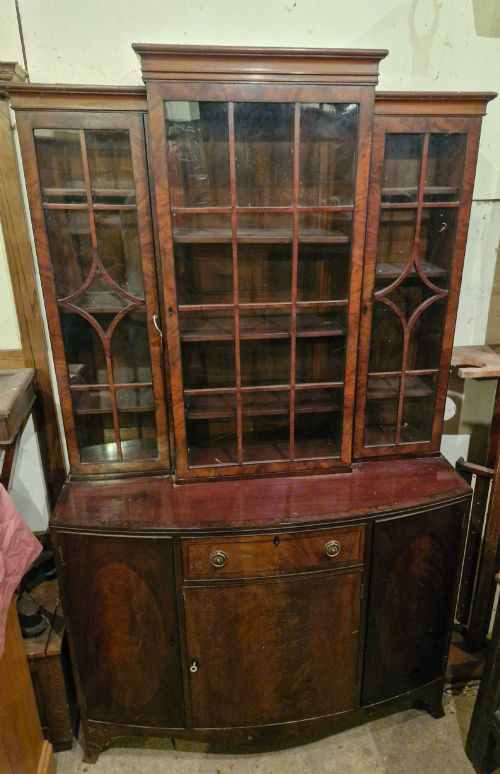
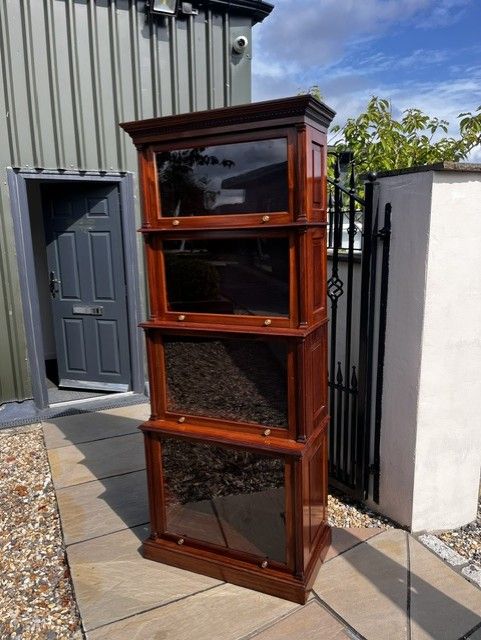
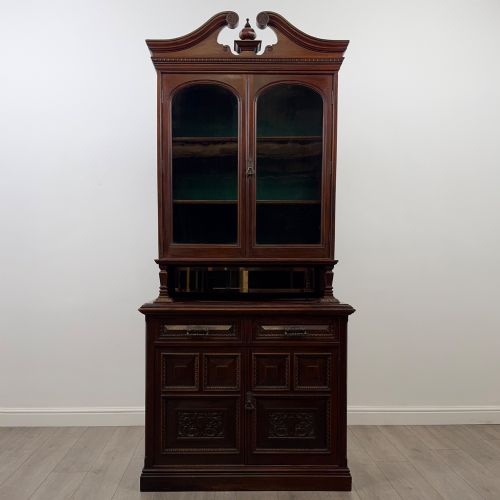
The forms on this page include open bookcases, glazed double bookcases, waterfall bookcases, revolving bookcases, and sectional barristers stacking bookcases. Cabinet variations incorporate lower doors, drawers, or display glass, while smaller versions serve specific corners or bedside spaces.
The most common versions you will meet combine mahogany timber with practical shelving configurations, often featuring glazed doors to protect volumes or open fronts for easy access. Origins stretch from the early 19th century into the early 20th century, capturing both formal library joinery and lighter Edwardian home furniture.
How they were made
Makers constructed these cabinets primarily using mahogany, sometimes complemented by solid mahogany or enhanced with satinwood inlay. Timber selection dictated the weight and grain pattern, providing a dark, stable foundation for polished surfaces.
Glazing featured heavily in enclosed models, using glass panels held within timber frames or astragal bars to shield books from dust. Brass hardware, including castors and handles, added functional detail to pieces like late Victorian waterfall cabinets and library units.
Available forms range from open shelves and waterfall cabinets to revolving units and Globe Wernicke sectional bookcases.
What varies in quality
Quality in these cabinets rests upon the choice of timber and the precision of the joinery, distinguishing sturdy library furniture from lighter domestic pieces. The presence of solid mahogany, refined satinwood inlay, and well-fitted glazed doors marks the upper end of the range.
Proportion and execution define the distinction between standard production and finer workshop output. Well-balanced proportions in breakfront or triple library bookcases reflect careful planning by cabinetmakers, whereas simpler stacking or revolving variants rely on mechanical ingenuity.
Globe Wernicke
The Vintage Mahogany Book Cabinet Glossary
- Mahogany
- A durable tropical hardwood known for its rich red-brown colour and fine grain. It served as the primary material for high-quality cabinets throughout the 19th and early 20th centuries.
- Waterfall bookcase
- A tiered shelving unit where each successive shelf steps back from the one below. These pieces often feature graduated open shelves and occasional lower cupboards.
- Astragal glazed
- A method of framing glass doors using narrow wooden strips called astragals. This technique creates geometric panes that safely hold individual glass segments.
- Sectional bookcase
- A modular shelving unit composed of stackable tiers with lifting glass doors. Also known as a stacking or barristers bookcase, it allows owners to add modules as collections grow.
- Secretaire bookcase
- A cabinet combining bookshelf storage with a pull-down writing desk drawer. It provided a compact workstation alongside traditional book storage.
Vintage Mahogany Book Cabinet: Frequently Asked Questions
How do I date a mahogany bookcase?
Dating relies on stylistic clues, construction methods, and materials recorded across the 19th and early 20th centuries. Regency and Georgian pieces often display restrained classical lines, while Victorian examples lean towards heavier proportions and glazed display doors.
Later Edwardian and 1920s pieces introduce lighter inlays, modular stacking designs, or revolving mechanisms. Examining the timber, hardware, and glass type helps narrow the manufacturing period.
Are these cabinets suitable for modern homes?
These cabinets provide practical vertical storage that fits well into contemporary studies, living rooms, and hallways. Their rich mahogany surfaces add traditional warmth and texture to modern interiors.
Options range from narrow corner units and revolving shelves to large triple library bookcases, accommodating collections of varying sizes.
What is the difference between open and glazed bookcases?
Open bookcases provide direct, unobstructed access to books, making them ideal for everyday reading materials. They were common in Victorian and Edwardian libraries and sitting rooms.
Glazed bookcases feature glass doors that protect delicate or older volumes from dust and light exposure. Many Edwardian and 19th-century cabinet variants utilise glass to combine display with preservation.