

Vintage Mahogany Bedside
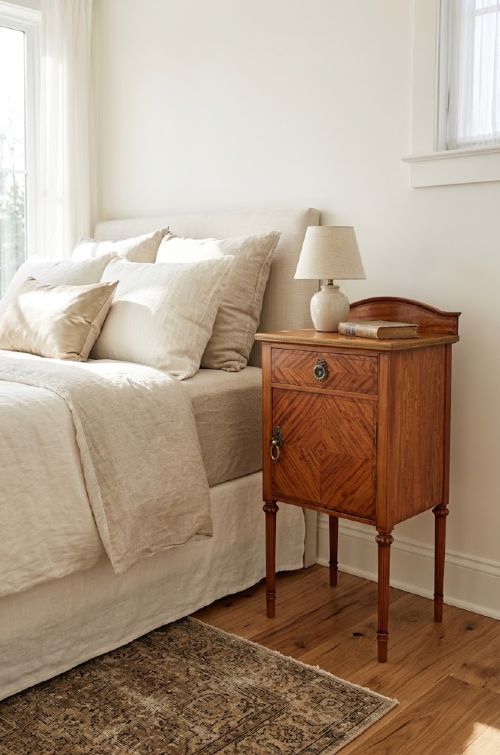
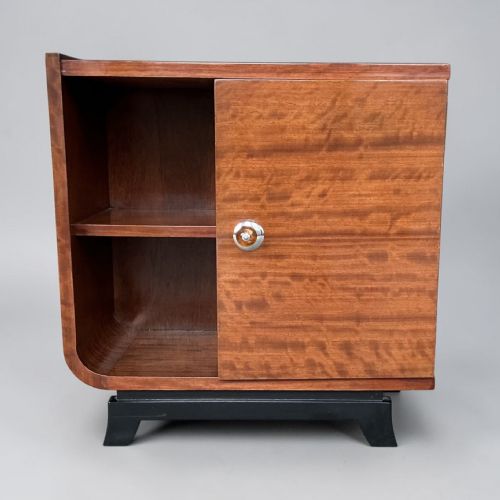
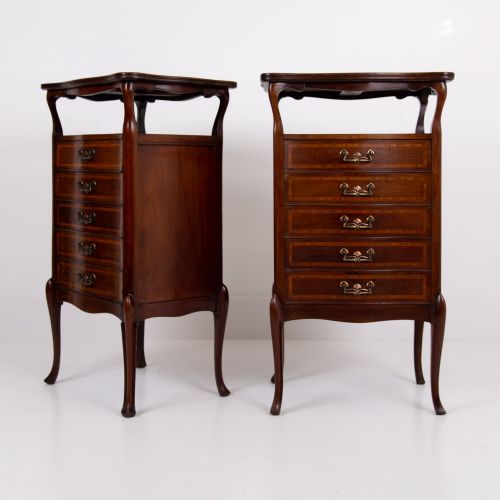
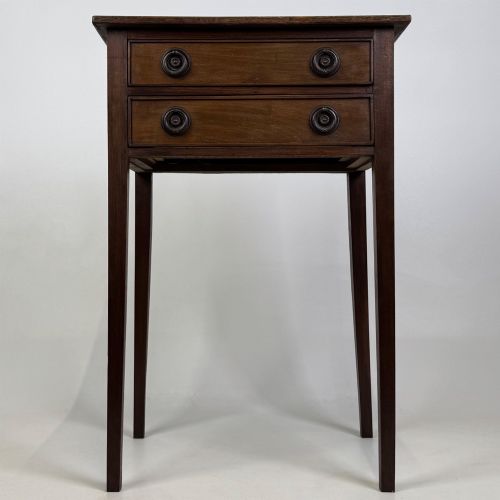
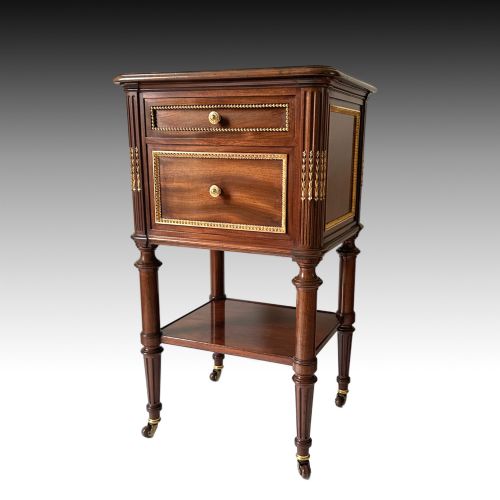
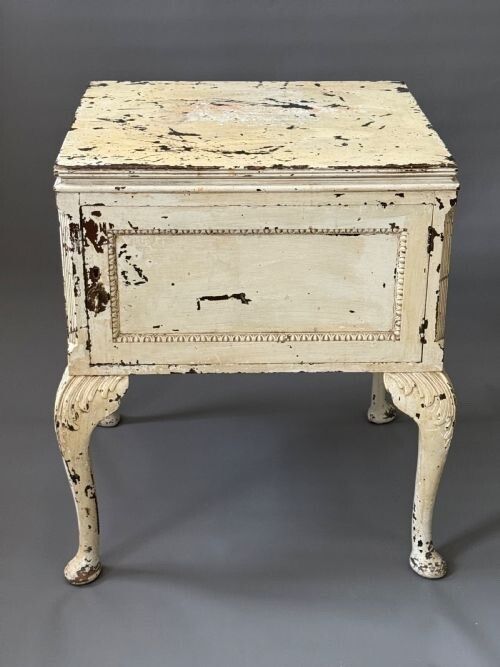
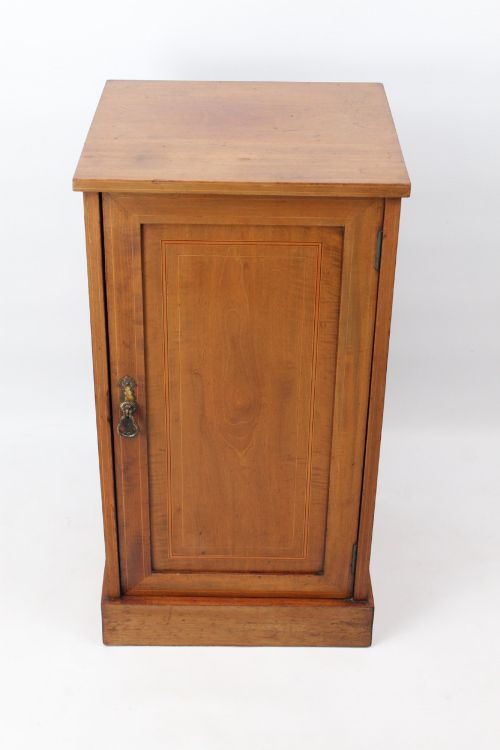
These vintage mahogany bedside pieces offer practical storage and timeless timber grain, spanning periods from Georgian craftsmanship to Edwardian utility.
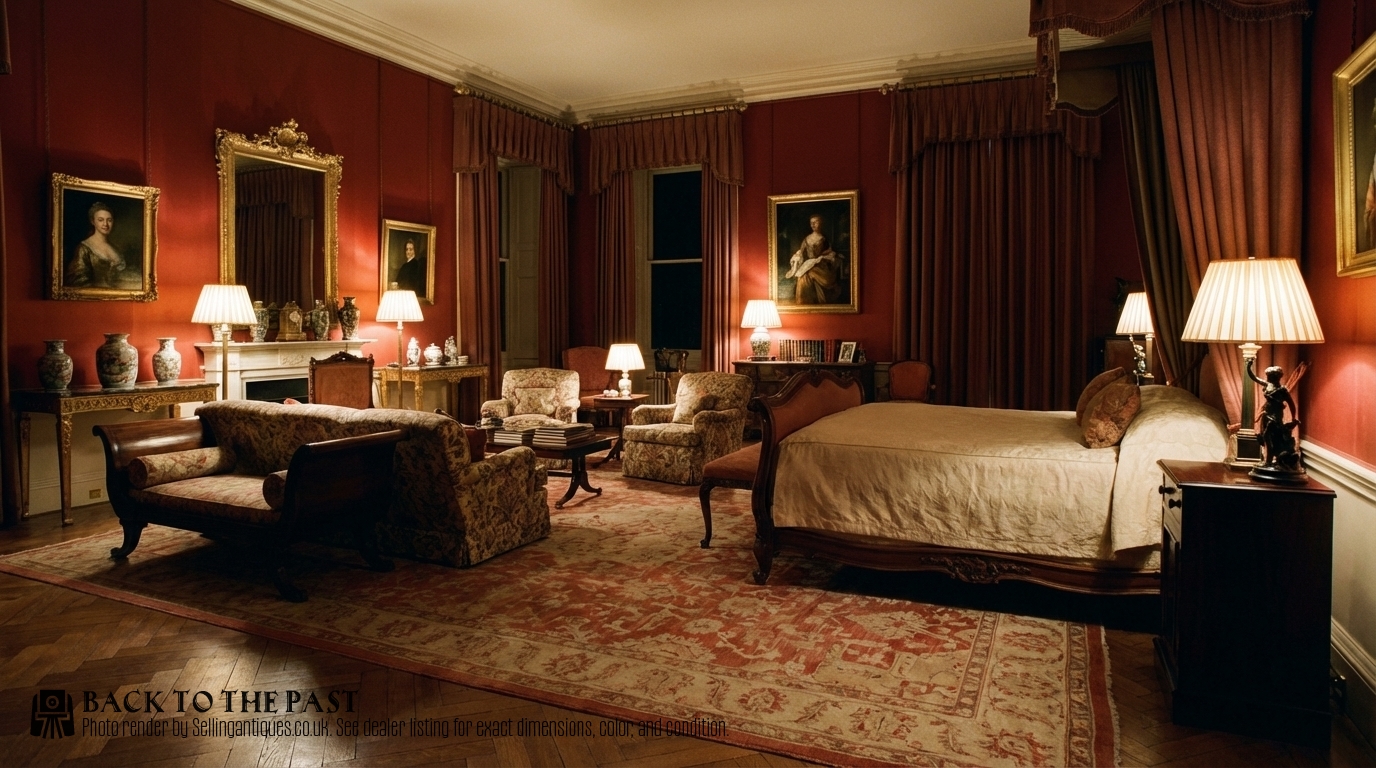
Vintage Mahogany Bedside
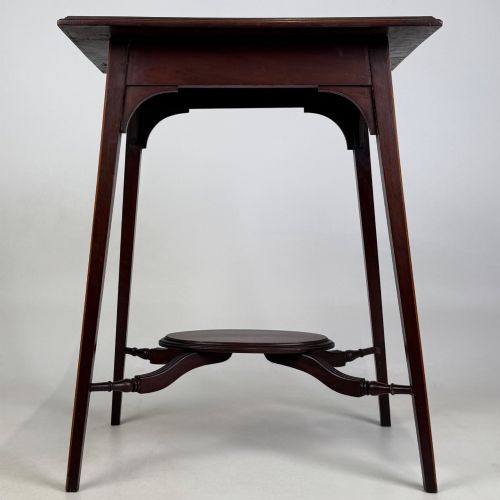
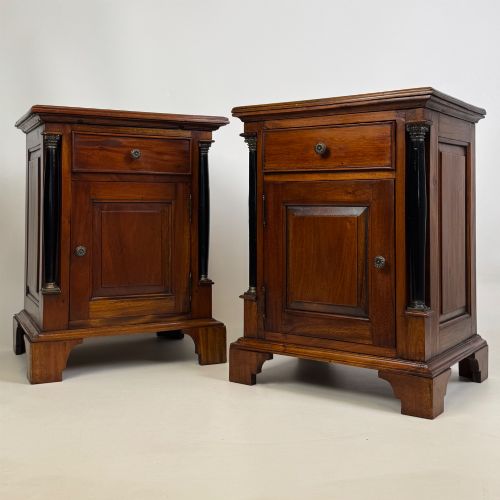
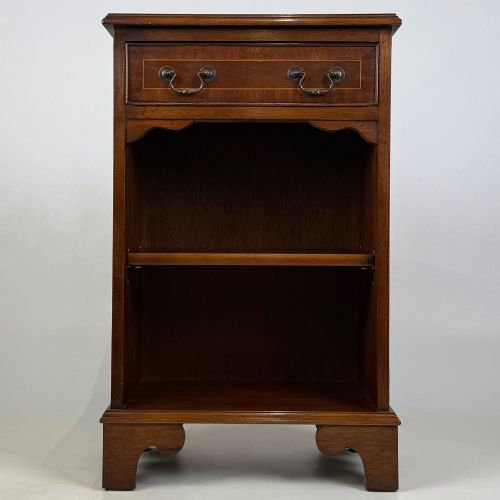
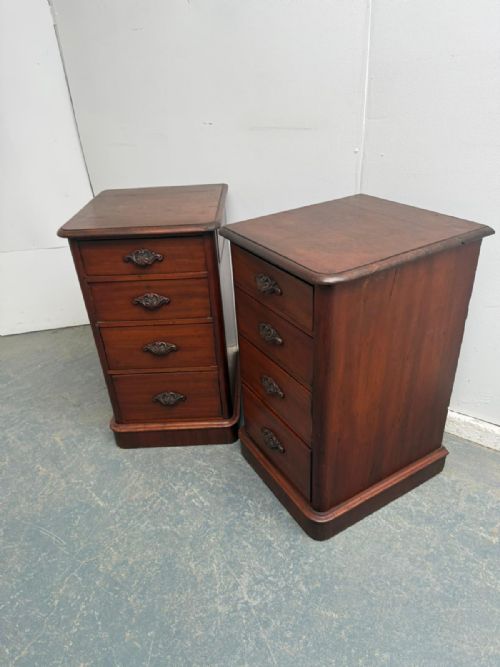
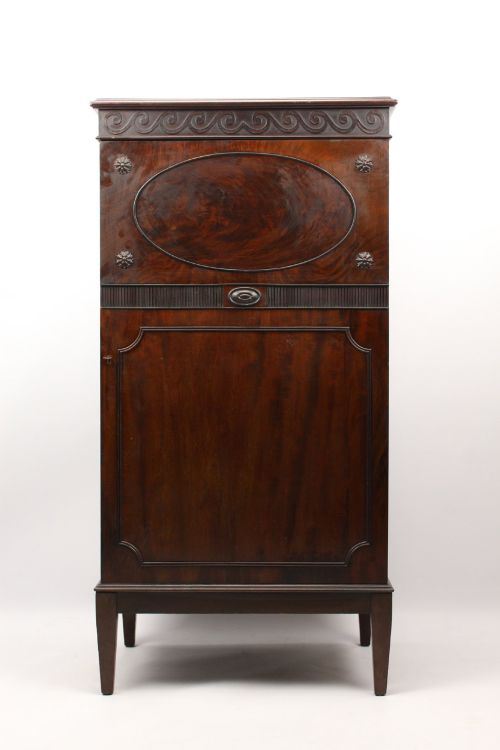
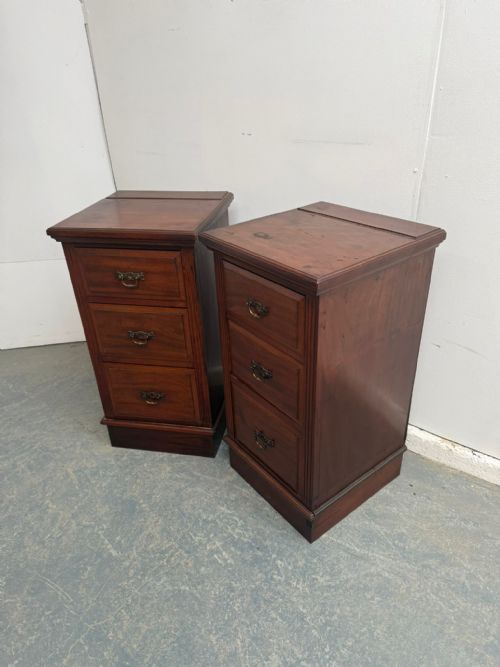
Vintage mahogany bedside pieces encompass compact cabinets, chests of drawers, and small tables designed for the bedroom, frequently encountered in Edwardian and Victorian forms. Buyers searching for vintage mahogany bedside options typically discover enclosed cupboards with single doors or small chests featuring multiple timber drawers.
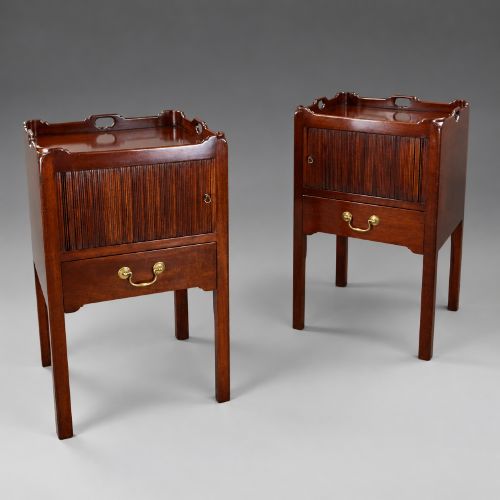
The selection ranges from George III pot cupboards to twentieth-century revival designs, incorporating occasional tables and side cabinets adapted for night use. Most examples date from the nineteenth and early twentieth centuries, reflecting changing domestic requirements for bedroom storage.
Makers and workshops produced these items in pairs as well as individual pieces, using rich reddish-brown timber to complement domestic interiors. The forms vary from simple rectangular night stands to serpentine chests and pedestal cabinets.
Materials and construction
Cabinet makers utilised solid mahogany and mahogany veneers over secondary timbers, often selecting wood with deep figuring and warm natural tones. Workshops enhanced these surfaces through waxing or polishing to protect the timber and highlight the grain.
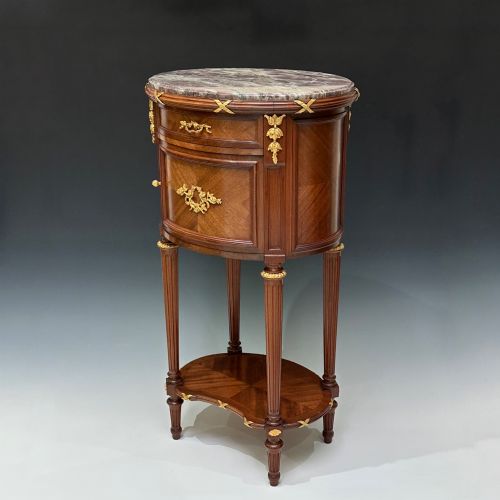
Details such as boxwood stringing, satinwood banding, and brass or ormolu mounts appear across Edwardian and French pieces. Structural integrity relied on traditional joinery, dovetail drawers, and sometimes painted decoration upon the timber panels.
Some nineteenth-century French tables hide a clever slide beneath the top, ready to catch midnight candle wax.
Judging quality in bedside cabinets
Quality rests upon the selection of timber figures, the crispness of any inlaid boxwood or satinwood, and the refinement of brass or ormolu hardware. Pieces with finely proportioned serpentine fronts or matched grain patterns demonstrate higher levels of cabinet making skill.
The structural robustness of drawer linings, the neatness of dovetailing, and the retention of original wax finishes distinguish finer workshops from mass-produced commercial outputs. Pairs matching in timber tone and scale command greater attention from collectors.
Denby & Spinks·François Linke
The Vintage Mahogany Bedside Glossary
- Mahogany
- A durable tropical hardwood prized for its reddish-brown colour and stable working properties. It forms the primary structural material for these pieces.
- Satinwood
- A pale, lustrous timber utilised for contrasting inlay and stringing on Edwardian cabinets. It creates decorative borders around the darker mahogany panels.
- Ormolu
- Gilded bronze mounts applied for ornamentation on French furniture styles. These metal accents decorate the corners and feet of nineteenth-century pieces.
- Wellington chest
- A tall, narrow chest of drawers secured by a hinged locking stile on one side. This Victorian form provides compact vertical storage.
- Serpentine
- A front profile curving outward in the centre and inward at the sides. This contour requires advanced woodworking skill to execute.
Vintage Mahogany Bedside: Frequently Asked Questions
What is a pot cupboard?
A pot cupboard is a small enclosed bedside cabinet historically designed to house a chamber pot. These pieces usually feature a single door and sometimes a pull-out slide.
Over time, their domestic function shifted to general bedside storage for books and personal items, though the compact proportions remain ideal for modern bedrooms.
Are bedside cabinets sold as pairs?
Many listings offer matched pairs of bedside chests or cabinets, particularly from the Edwardian and Georgian revival periods. Sourcing matching twins involves careful comparison of height, timber grain, and hardware.
Single pieces also appear frequently, reflecting historical bedroom layouts where symmetry was less strictly observed than in later twentieth-century decorating schemes.
How do I date a mahogany cabinet?
Dating relies on observing construction methods, secondary woods, and stylistic clues such as inlay patterns or brass handle types. Georgian pieces show hand-cut dovetails and simpler structural framing.
Edwardian and later revival items often incorporate machine assistance, lighter satinwood stringing, and distinctive Edwardian proportions or French Louis XVI influences.
How do I care for waxed mahogany?
Waxed mahogany requires occasional feeding with quality beeswax to nourish the timber and maintain a soft lustre. Avoid placing pieces near direct heat sources or strong sunlight.
Regular dusting with a dry cloth prevents particle buildup, while liquid spills should be wiped away immediately to protect the polished surface.