



Vintage Mahal Rug
A vintage mahal rug brings the grounded geometry and rich palettes of western Persian weaving directly into large country house interiors.
Vintage Mahal Rug
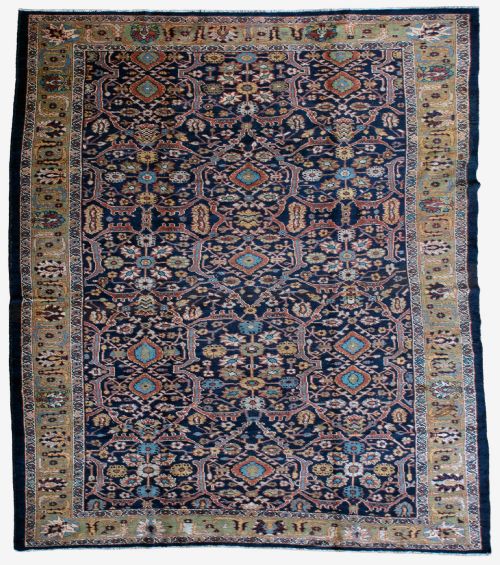
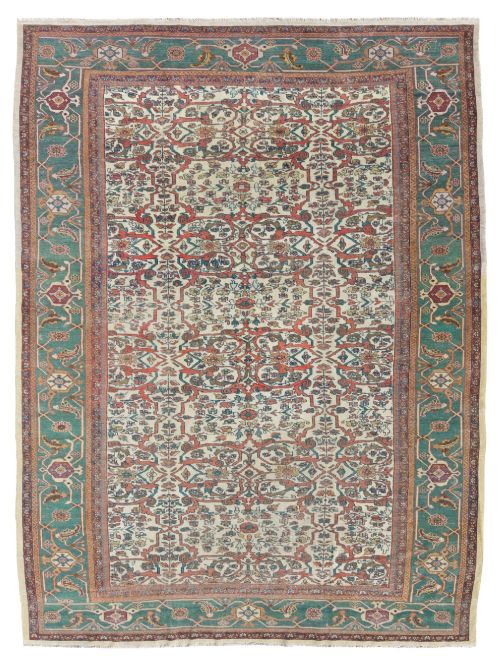
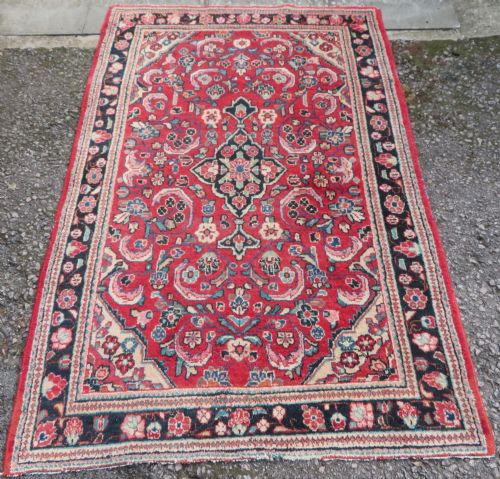
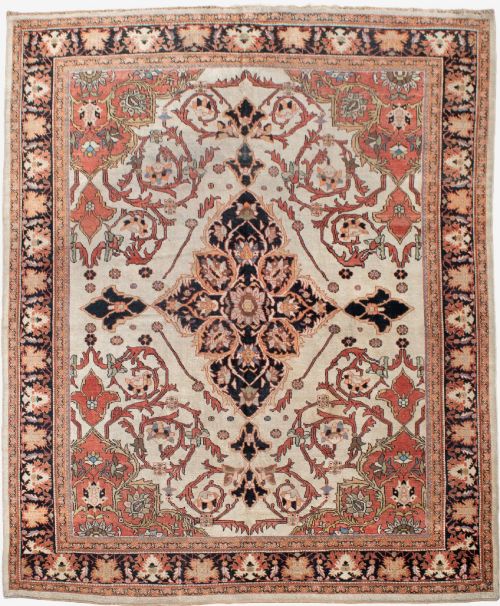
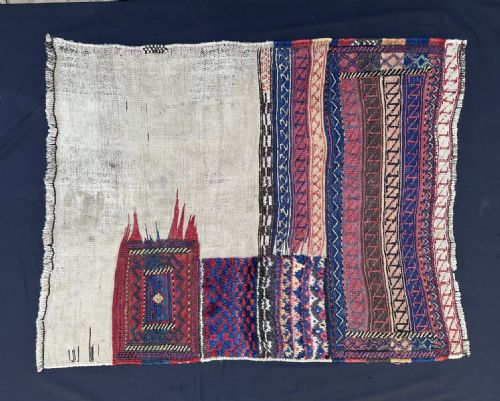
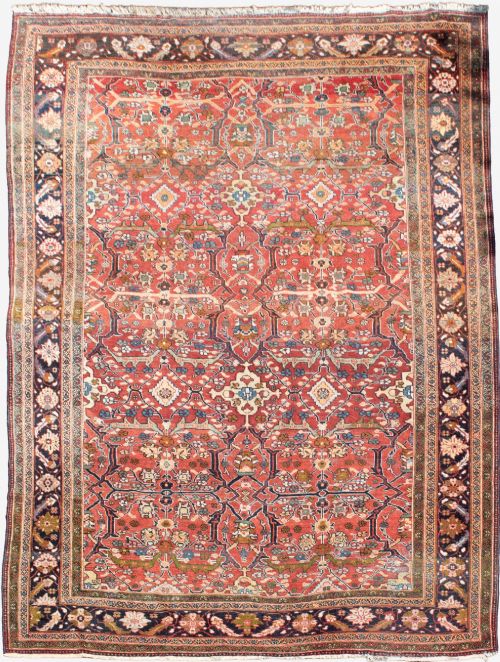
When you search for a vintage mahal rug, you are looking at large Persian carpets and room-sized floor coverings originating from western Persia, often spanning the late nineteenth century to the early decades of the twentieth century. These pieces include village rugs, runners, and grand carpets displaying traditional Persian designs alongside nomadic tribal formats such as wheat sacks and corridor carpets from the Chahar Mahal region.
The versions you are most likely to meet on this page date from the eighteen-eighties through to the nineteen-thirties, reflecting the output of weavers working in western Persia. Many bear classical shrub patterns, ivory grounds, or large-scale terracotta fields that suit substantial living spaces and country house interiors.
How they were made
Weavers constructed these carpets using hand-spun wool for the pile, often combined with cotton foundations and occasional goat hair details for structural resilience. The materials provide a heavy, durable fabric designed to withstand daily foot traffic while maintaining a soft handle over generations of use.
Craftspeople employed natural dyes to colour the wool, producing deep terracotta, ivory, and earthy tones that age gracefully. The knotting techniques reflect both settled village traditions and nomadic practices from the Chahar Mahal valley.
Vintage Mahal Rug Retail Price Guide 2026
Typical asking prices for vintage mahal rug among the pieces listed under this phrase on Sellingantiques today, from the lower quarter to the upper quarter. They describe what is for sale here now, not the wider market.
Object forms documented here range from large carpets and corridor runners to nomadic wheat sacks and tribal village rugs.
What varies in quality
The quality of these carpets depends heavily on the clarity of the natural dyes and the fineness of the wool used in the pile. Hand-spun wool with rich colour variation creates depth across the field, whereas duller or unevenly applied dyes flatten the visual impact of the design.
Structural integrity also separates examples, particularly the tightness of the weave and the preservation of the original borders and selvages. Carpets retaining their full dimensions and even pile wear demonstrate superior original making and careful subsequent preservation.
The Vintage Mahal Rug Glossary
- Mahal rug
- A type of Persian carpet originating from the western region, known for bold floral motifs and room-sized formats. These rugs often feature large-scale designs adapted for western export markets.
- Tacheh
- A traditional woven wheat sack or storage bag produced by Luri and Bakhtiari nomads in the Chahar Mahal valley. Collectors prize these smaller textiles for their geometric tribal symbolism and utilitarian origins.
- Ziegler
- A trade designation for nineteenth-century Persian carpets produced under European supervision to suit western aesthetic tastes. They typically feature softened palettes and expansive field designs.
- Sultanabad
- A nineteenth-century Persian carpet classification closely related to Mahal production, characterised by oversized floral patterns. These carpets originate from the same general district in western Persia.
- Natural dye
- Colouring matter derived from plants, insects, or minerals rather than synthetic chemicals. These dyes produce complex, muted shades that mellow attractively with age.
Vintage Mahal Rug: Frequently Asked Questions
How do I clean a mahal rug?
Vacuum gently without using a beater bar to remove loose dirt from the wool pile. Professional rug cleaning is essential for addressing deeper soil or spills without damaging the natural dyes.
Avoid chemical spot treatments or excessive water, which can cause the cotton foundation to shrink or the dyes to run. Consult a specialist familiar with antique Persian textiles before undertaking any wet maintenance.
Where were mahal carpets made?
These carpets were woven in the Chahar Mahal region of western Persia, encompassing both settled village workshops and nomadic tribal areas. The local rivers and mountain vegetation provided suitable conditions for raising sheep with resilient wool.
Weavers in this district supplied both domestic markets and international trade networks, adapting traditional Persian motifs into expansive room-sized formats.
How do I identify a mahal rug?
Look for large-scale floral patterns, all-over shrub designs, and earthy colour palettes dominated by terracotta and ivory grounds. The scale of the ornamentation is typically bolder and more spaced out than in fine city carpets from Tabriz or Isfahan.
Examine the back of the rug to check for hand-spun wool and sturdy cotton warps, which indicate traditional nineteenth or early twentieth-century production methods from western Persia.
Can I use a vintage rug in a hallway?
Runners and corridor carpets from this region suit high-traffic areas because the dense hand-spun wool pile naturally resists wear. Placing a quality underlay beneath the textile prevents slipping and cushions the foundation against hard floors.
Rotate the runner periodically to ensure even exposure to foot traffic and sunlight over the years, preserving the balance of the natural dyes.