

Vintage Low Cupboard
These pieces of vintage low cupboard furniture offer compact storage and enduring timber character for everyday rooms.
Vintage Low Cupboard
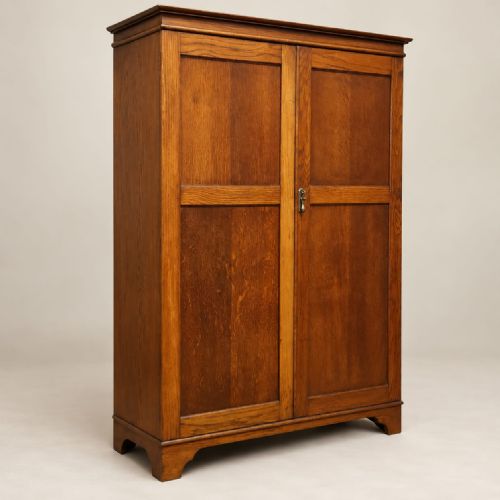
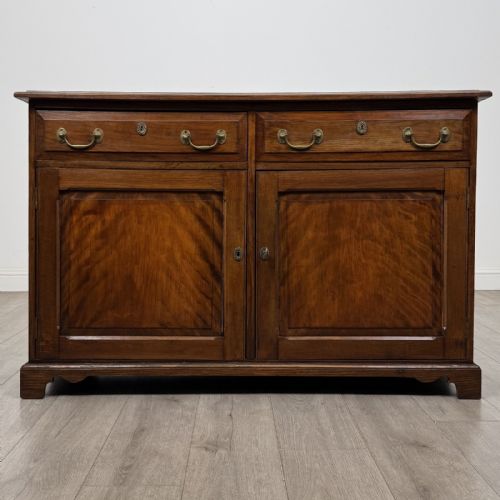
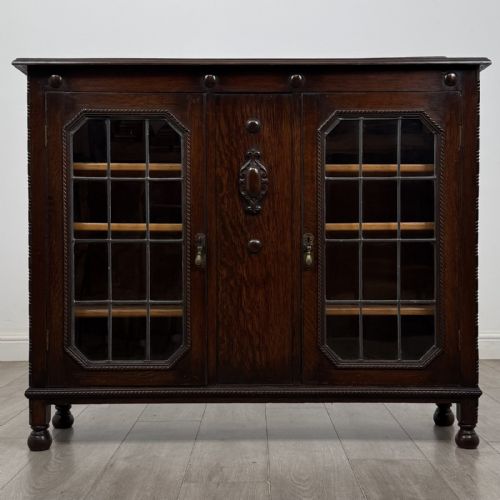
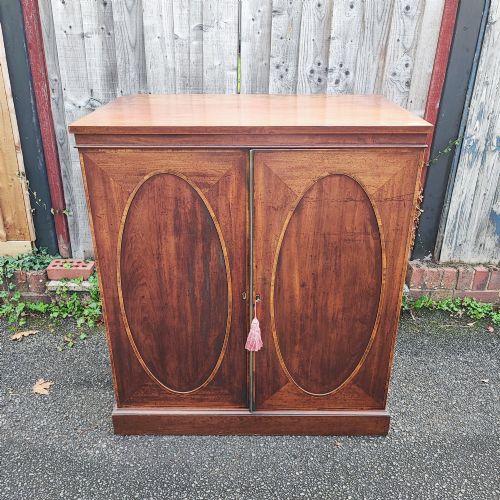
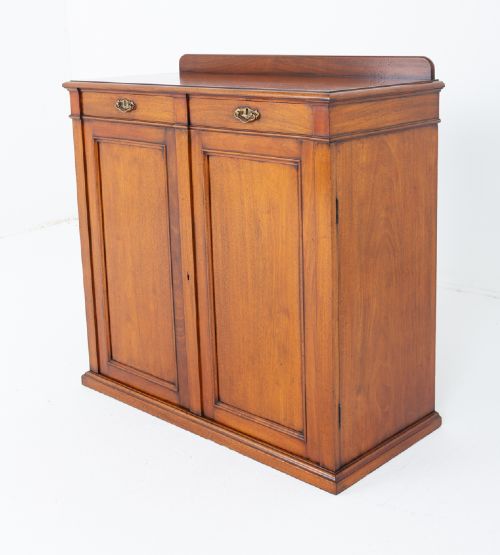
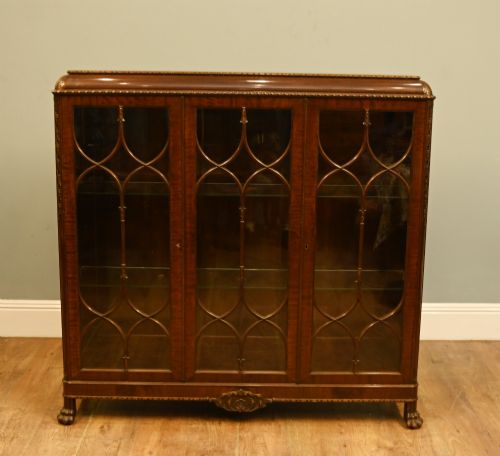
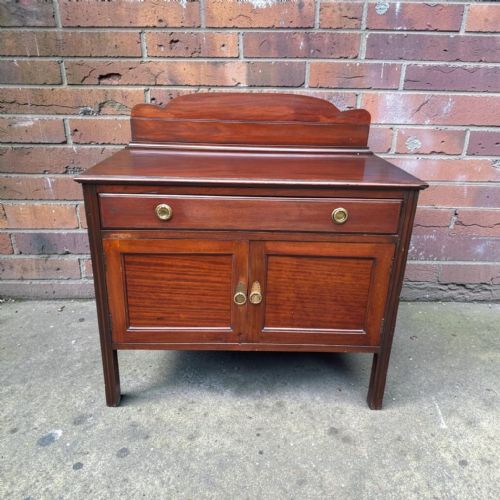
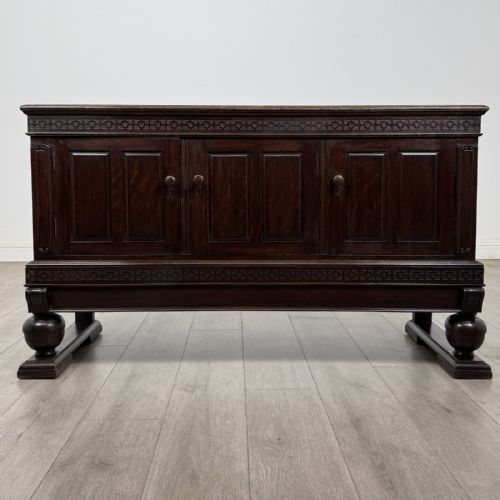
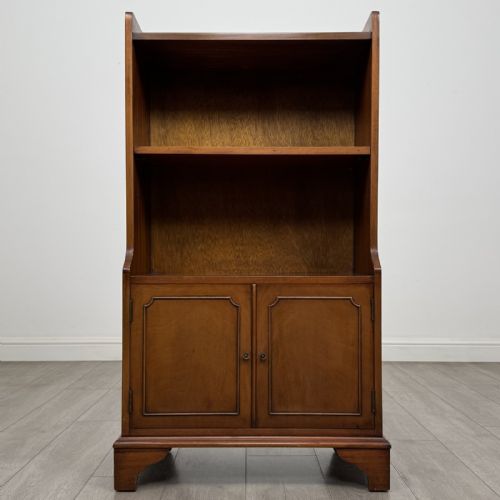
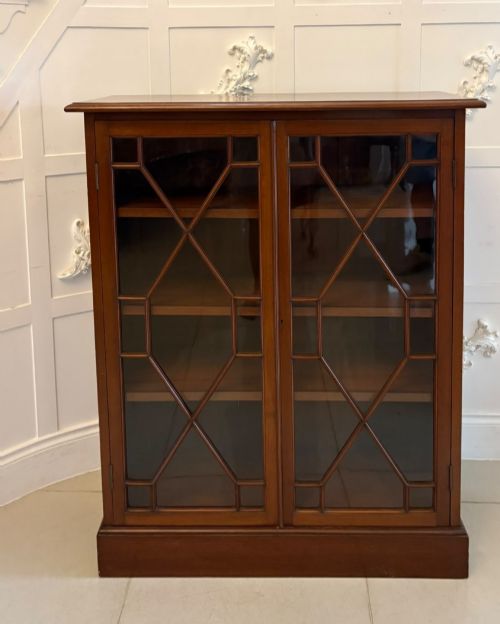
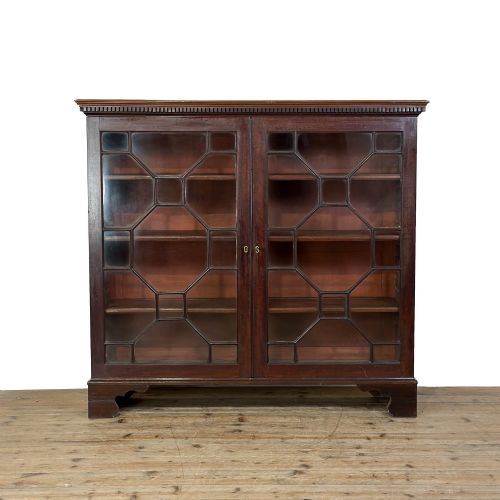
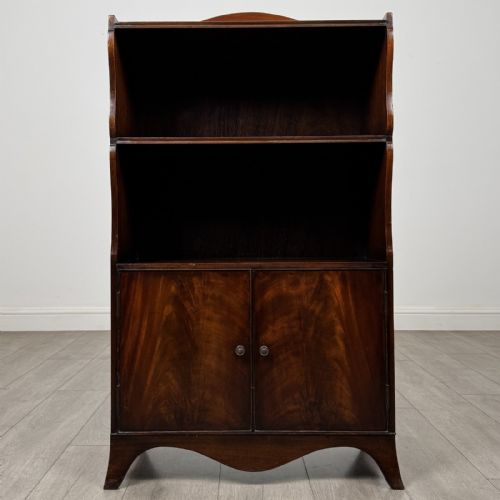
A vintage low cupboard provides enclosed storage at a height suitable for modern living spaces while drawing on historical forms. These pieces often appear as diminutive side cabinets, dresser bases, and compact storage units built for practical domestic use.
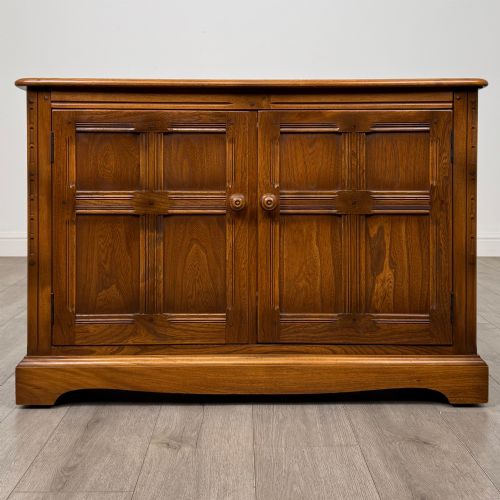
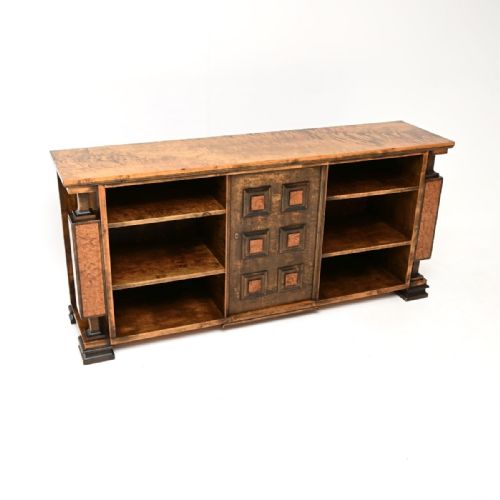
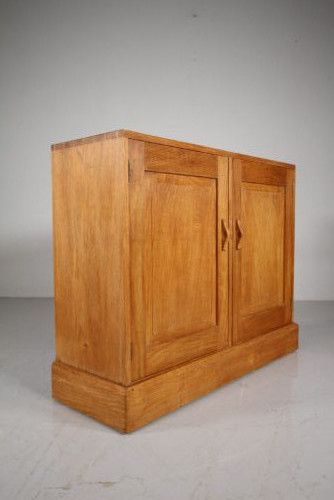
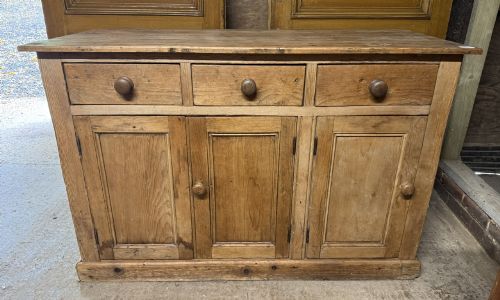
The selection ranges from Edwardian oak cupboards with turned legs to Victorian pine and mahogany cabinets, alongside pieces executed in the Arts and Crafts or Art Deco styles.
Buyers seeking this phrase frequently encounter oak and mahogany examples originating from the nineteenth and early twentieth centuries, constructed to fit beneath windows or display objects upon their tops.
Materials and Construction Methods
Cabinet makers utilised dense hardwoods such as oak, mahogany, walnut, and rosewood alongside softer pine, depending on the intended room and domestic tier. Timber panels were frequently joined using traditional framing techniques to allow for natural wood movement.
Surface detailing relied on carved linenfold motifs, raised galleries, painted finishes, and inlaid veneers rather than applied plastics. Hardware typically consisted of cast brass handles and hinges secured directly to the timber doors.
Vintage Low Cupboard Retail Price Guide 2026
Typical asking prices for vintage low cupboard among the pieces listed under this phrase on Sellingantiques today, from the lower quarter to the upper quarter. They describe what is for sale here now, not the wider market.
Listings feature oak, mahogany, walnut, pine, and rosewood cabinets spanning the Victorian, Edwardian, and Art Deco eras.
Distinctions in Execution
The standard of a vintage low cupboard rests on the selection of timber and the precision of its joinery. Cabinets built with solid walnut, figured mahogany, or quarter-sawn oak display a superior grain consistency compared to utilitarian painted pine versions.
Refined pieces demonstrate careful attention to internal shelving, original brass hardware, and balanced proportions. Lesser examples often show signs of hurried construction or heavy later alterations to their original layout.
Liberty
The Vintage Low Cupboard Glossary
- Linenfold
- A style of wood carving that imitates folded linen cloth, frequently seen on the panels of oak cupboards from the Edwardian period and earlier.
- Dresser Base
- The lower section of a kitchen or dining room dresser, featuring cupboards and drawers beneath a flat top surface without plate racks above.
- Raised Gallery
- A low decorative upstand running along the back and sides of a cabinet top to prevent items from sliding off.
- Pier Cabinet
- A low display or storage cabinet designed specifically to fit into the wall space between windows.
- Turned Leg
- A leg shaped on a lathe to create cylindrical or decorative profiles, commonly found supporting Edwardian and Victorian cupboards.
Vintage Low Cupboard: Frequently Asked Questions
Where can a low cupboard fit?
These compact pieces suit entrance hallways, living rooms, and bedrooms where full-height wardrobes or tall bookcases would overwhelm the floor space. Their reduced height allows them to sit comfortably beneath windows or serve as a surface for lamps and ornaments.
Buyers often place them in dining areas to store tableware or use them as low media units while retaining period character.
How do I care for antique timber?
Polishing the wood with natural waxes helps nourish the grain and protects the surface from everyday wear without sealing the pores. Keeping the cabinet away from direct heat sources and strong sunlight prevents the timber from splitting or warping.
Regular dusting with a soft, dry cloth preserves the original patina built up over decades of domestic use.
Are these cupboards fully original?
Many pieces retain their original brass handles, hinges, and interior shelving, though some have undergone minor repairs or adjustments during their working life. Painted finishes sometimes reflect later decorative treatments applied to older pine and hardwood carcasses.
Examining the interior construction and timber colour helps reveal whether doors and fittings belong to the original manufacture.
What styles are represented here?
The selection includes formal Victorian mahogany cabinets, Edwardian oak cupboards with carved panels, and streamlined Art Deco birch designs. Regional country pieces in waxed or painted pine sit alongside refined Regency rosewood furniture.
This variety allows buyers to match the cabinet to specific interior schemes ranging from rural cottages to Edwardian townhouses.