


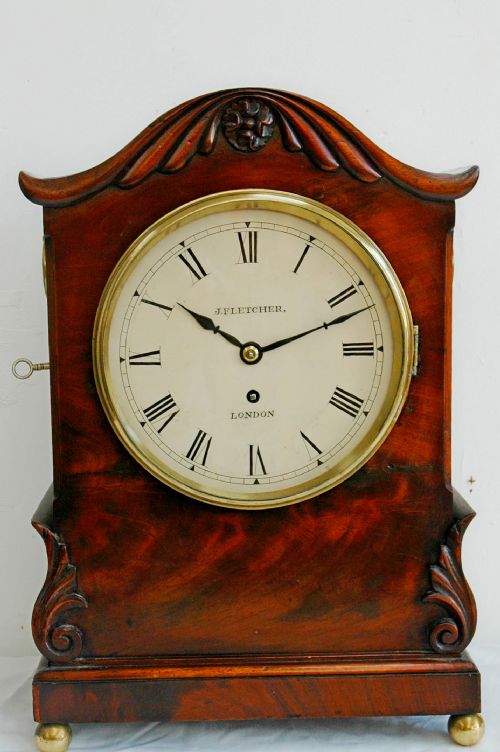


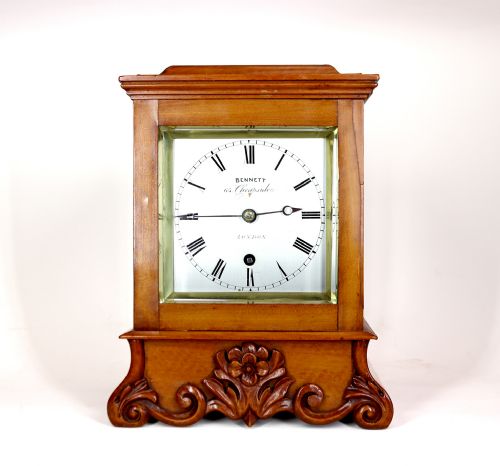


Vintage London Table Clock
A vintage london table clock brings precision and traditional craftsmanship into a room, spanning centuries of horological skill.
Vintage London Table Clock
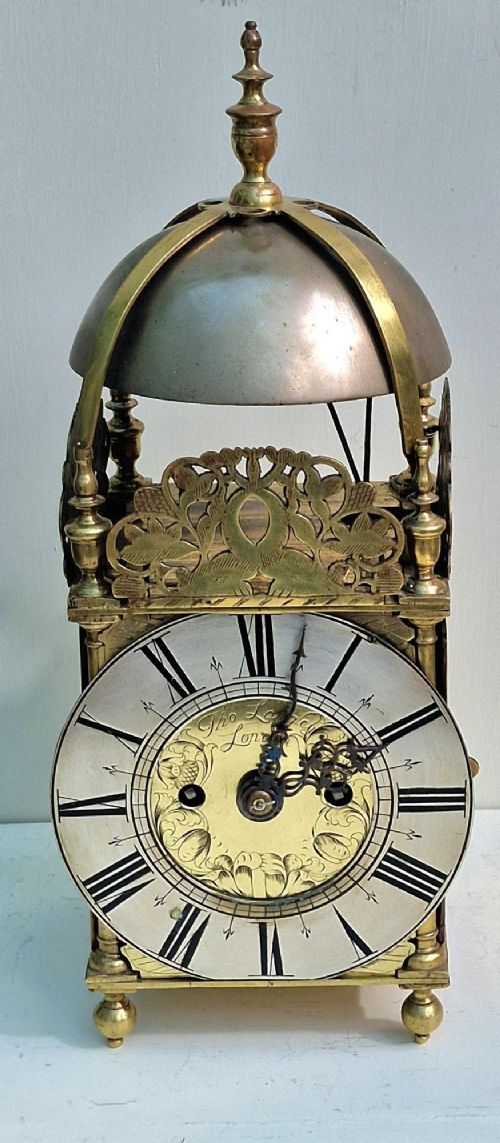
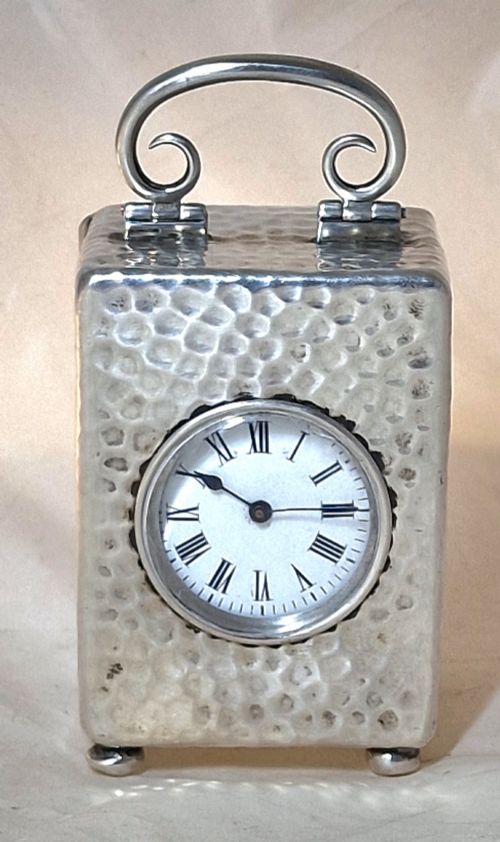
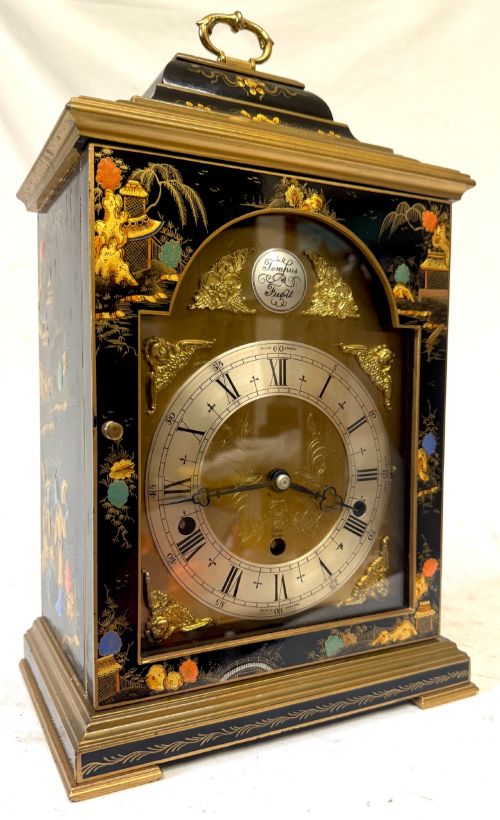
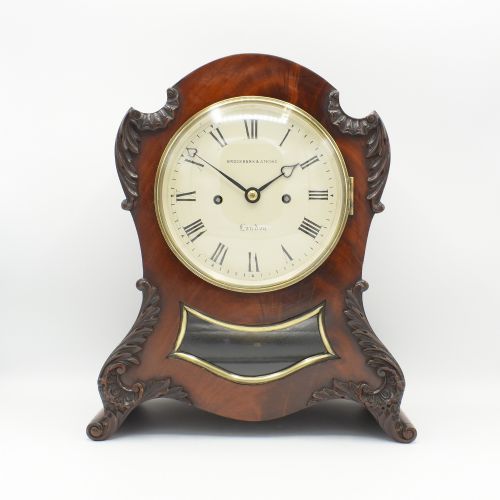
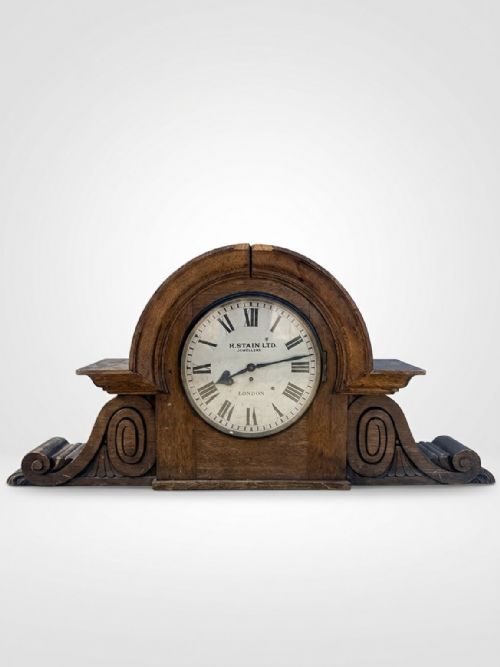
A vintage london table clock encompasses mantel clocks, bracket clocks, and carriage clocks produced across multiple eras including the Regency, Victorian, and Edwardian periods.
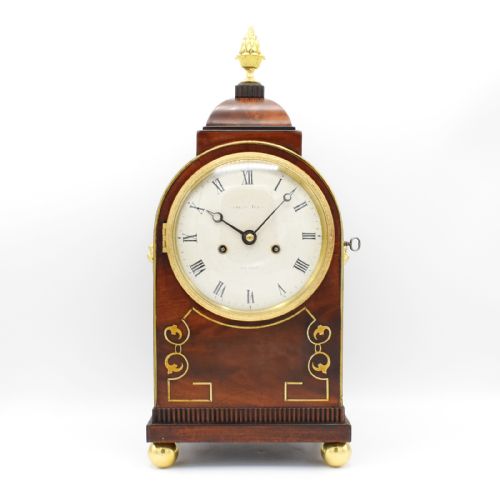
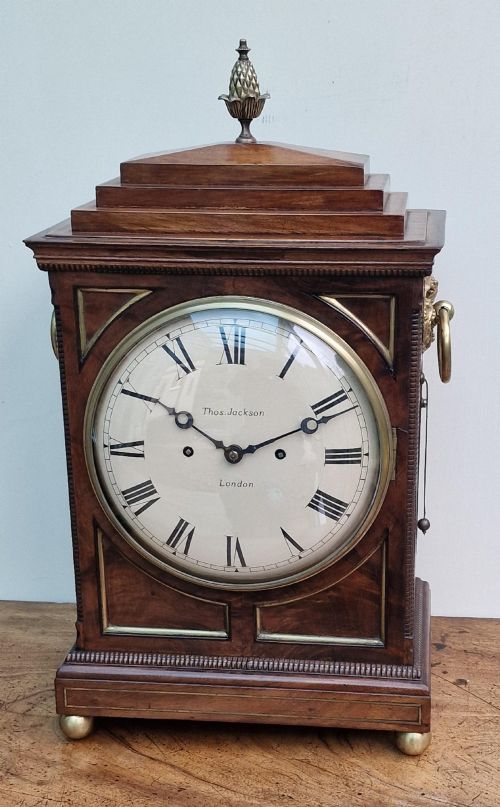
Buyers examining this selection encounter various wood and metal cases, ranging from mahogany bracket designs to brass carriage clocks.
These pieces trace the evolution of domestic timekeeping through centuries of London watchmaking and retailing history.
Materials and movement
Cases utilise traditional timbers such as mahogany, rosewood, and walnut, frequently accented with brass inlay or ebonised wood.
Dial construction relies on enamel, silvered metal, and brass, housing mechanical movements driven by fusee or spring mechanisms.
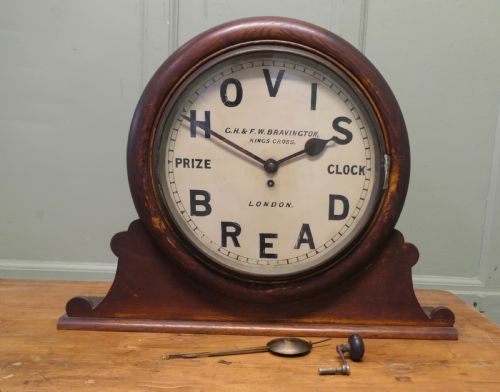
One listed item served as a prize clock for Hovis, linking daily bread directly to historical horology.
Cabinetry and mechanism
The standard of a clock rests on the crispness of the timber case carving, veneer selection, and the intricacy of the brass or silvered dial details.
Movement complexity, such as fusee setups or chiming capabilities, separates standard timepieces from exceptional examples.
Thomas Langley·Brockbanks And Atkins·George H F W Bravington·Charles Pratt·Thomas Jackson·George Orpwood·Bush·Sir John Bennett·Thomas Moss·Turner·Walker·William Barrow·J C Vickery·Harrods·Bravingtons Ltd·Louis Recordon·Perigal·Joseph Jump·Dent·Elliott·Pennington·John Taylor·Maple·Hay·Purvis
The Vintage London Table Clock Glossary
- Fusee
- A conical pulley used in older clocks to maintain even tension on the chain as the mainspring unwinds. This mechanism helps ensure steady timekeeping accuracy.
- Carriage clock
- A small, portable spring-driven clock designed for travel, typically featuring a brass case with glass panels. These units often include a pivoting handle on top.
- Bracket clock
- A portable table clock originally built with a sturdy base to sit upon a wall bracket. Many later versions functioned purely as mantel or table timepieces.
- Verge escapement
- An early type of escapement mechanism that controls the release of power in a clock. It works in conjunction with a balance wheel or pendulum.
- Enamel dial
- A face made by fusing powdered glass to a metal substrate at high heat. This creates a durable, glossy surface with painted numerals.
Vintage London Table Clock: Frequently Asked Questions
How do I wind a fusee table clock?
Wind the clock using the appropriate key inserted into the dial or back plate, turning gently until resistance is felt.
Avoid over-winding to protect the internal chain and spring mechanism from undue stress.
Where should I place a bracket clock?
Position the clock on a stable, level surface away from direct sunlight, draughts, and sudden temperature changes.
Ensure the location allows the mechanical movement to run without interference from vibrations.
How do I identify a carriage clock?
Look for a rectangular brass housing fitted with bevelled glass panels on the sides and top, often featuring a carrying handle.
These portable timepieces typically date from the nineteenth or early twentieth centuries.
What maintenance do antique clocks need?
Have the mechanical movement professionally cleaned and lubricated periodically to prevent wear on the metal pivots and gears.
Keep the exterior wood or brass case clean using methods appropriate for the specific material.