





Vintage London Print
A vintage london print captures the capital through centuries of etching, lithography and engraving.
Vintage London Print
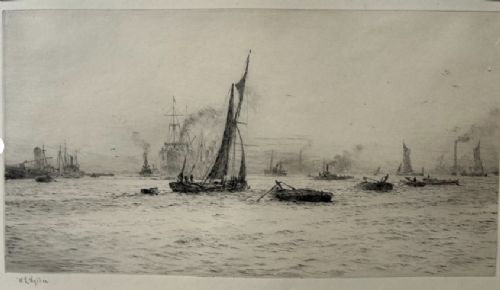
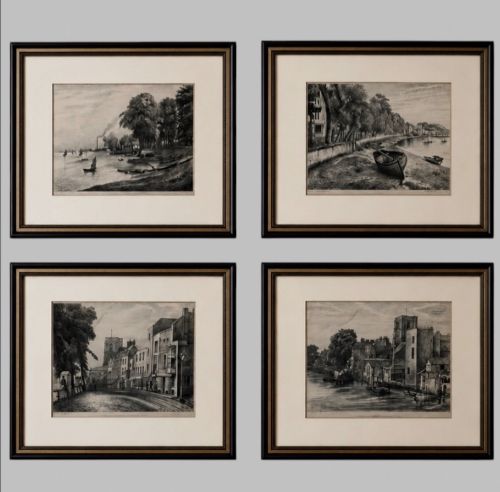
A vintage london print encompasses framed works, engravings, and maps depicting the city from the Georgian period through to the mid-twentieth century. Buyers seeking a vintage london print will encounter hand-coloured etchings, lithographs of Chelsea, and topographical views by artists such as William Lionel Wyllie and Edgar J. Maybery.
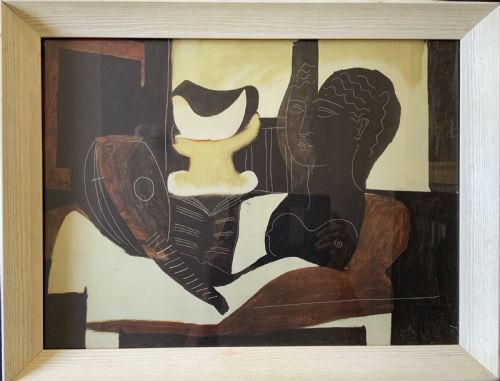
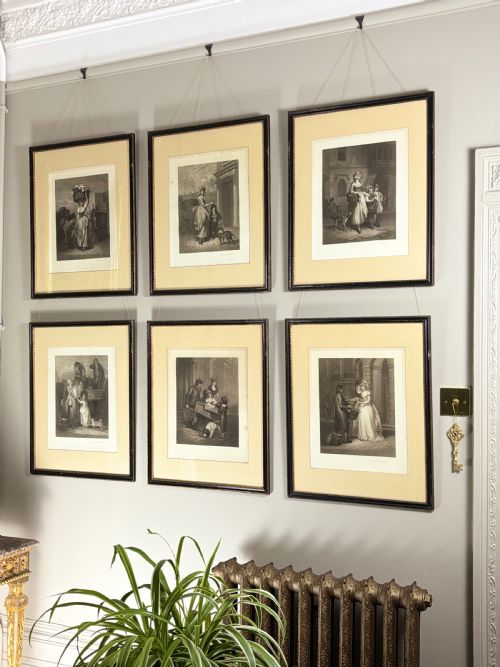
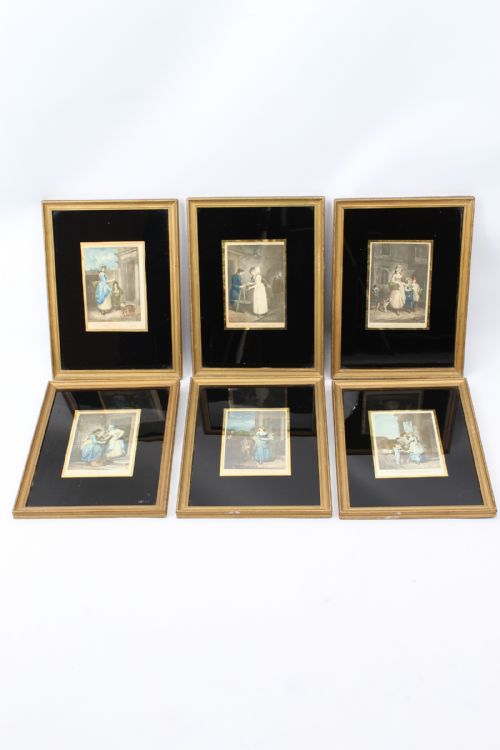
The selection ranges from nineteenth-century views of the Thames and Greenwich Park to twentieth-century abstract prints and sets depicting the traditional cries of the city. These works span multiple stylistic movements, including Realism, Edwardian Maritime, and Mid-Century Modern.
Framed prints and engravings dominate the offerings, alongside wood engravings and map plates produced by publishers like Cassell. Each piece records a distinct architectural layout and social history of the capital across different eras.
What varies in quality
The distinction between standard commercial output and superior work rests on the clarity of the plate impression and the precision of any hand-applied watercolour. Early impressions from copper or steel plates yield crisp architectural lines, whereas worn plates produce blurred details.
Framing materials and original mounts also influence the overall standard, with period frames providing greater contextual integrity than modern replacements. The reputation of the engraver, publisher, or artist dictates the standing of individual pieces within the market.
Vintage London Print Retail Price Guide 2026
Typical asking prices for vintage london print among the pieces listed under this phrase on Sellingantiques today, from the lower quarter to the upper quarter. They describe what is for sale here now, not the wider market.
Listings feature paper, glass, wood, and metal across the nineteenth and twentieth centuries.
William Lionel Wyllie·George Philips and Son·Thomas G Appleton·Edgar J Maybery·Peek Frean and Co
The Vintage London Print Glossary
- Etching
- A printmaking process where lines are bitten into a metal plate with acid before ink is applied. This technique allows for fine, fluid detail found in many topographical views.
- Lithography
- A planographic printing method based on the mutual repulsion of oil and water. Artists draw directly onto a limestone slab or metal plate to achieve soft tonal ranges.
- Mezzotint
- A tonal printmaking method where the copper plate is roughened to produce dark backgrounds and scraped to create highlights. It was frequently used for rich reproductions of larger artworks.
- Drypoint
- An intaglio technique where a sharp needle scratches lines directly into a metal plate, raising a burr that holds ink to create velvety lines.
- Topographical
- Relating to the detailed mapping and representation of specific geographical locations and cityscapes. These prints offer accurate records of historical urban development.
Vintage London Print: Frequently Asked Questions
How do I identify the age of a print?
Age is determined by examining the paper stock, printing technique, and any inscriptions or publication dates noted on the margin. Stylistic clues within the depicted London architecture also assist in dating.
Printers often included publisher details and dates directly beneath the image area. Comparing these elements with known historical publishing periods confirms the era.
Are these prints original works?
Many examples are original etchings, engravings, or lithographs created directly from plates or stones prepared by the artist or contemporary printmaker. Some items represent period reproductions of earlier maps and views.
Checking for plate marks and ink texture helps distinguish genuine original printmaking from later photographic reproductions.
How should I frame and display them?
Prints on paper require conservation-grade mounting materials and UV-filtering glass to prevent fading from natural light. Keeping them away from direct sunlight preserves the integrity of the ink and paper.
Traditional wood frames complement the historical nature of these works while offering necessary structural protection against environmental shifts.
What subjects are most common?
Common subjects include views of the River Thames, bridges such as Blackfriars and London Bridge, and historical maps of the capital and its environs. Street scenes, including the traditional cries of London, frequently appear.
These themes reflect the changing social and physical landscape of the city across the nineteenth and early twentieth centuries.