



Vintage Lion Door Porters
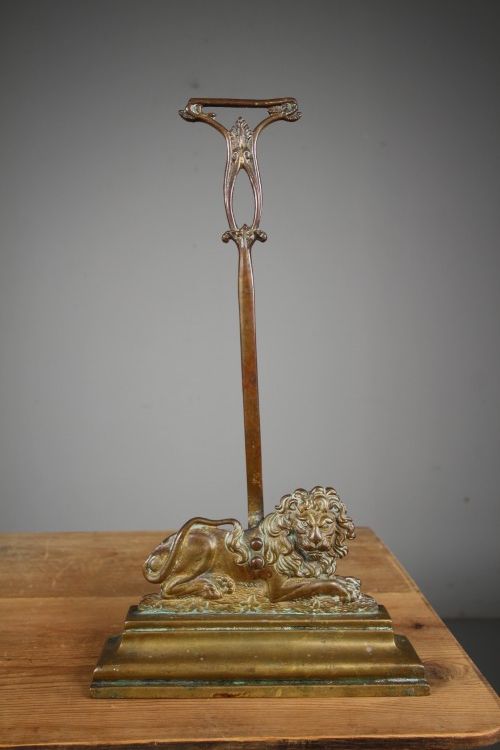
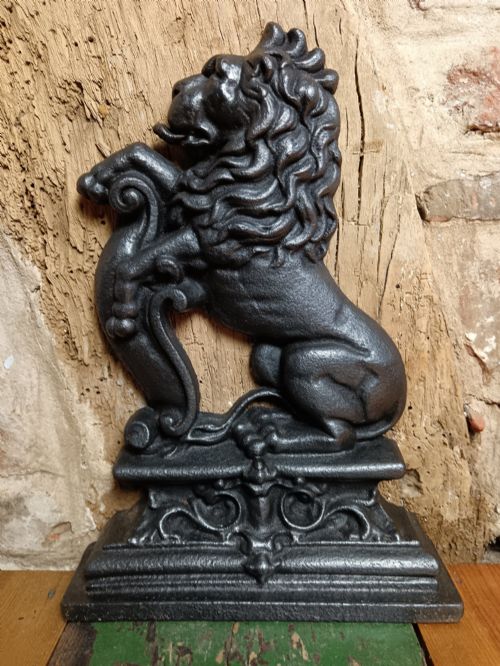
These vintage lion door porters are heavy metal stops designed to hold heavy doors open, bringing substantial presence to any hallway.
Vintage Lion Door Porters
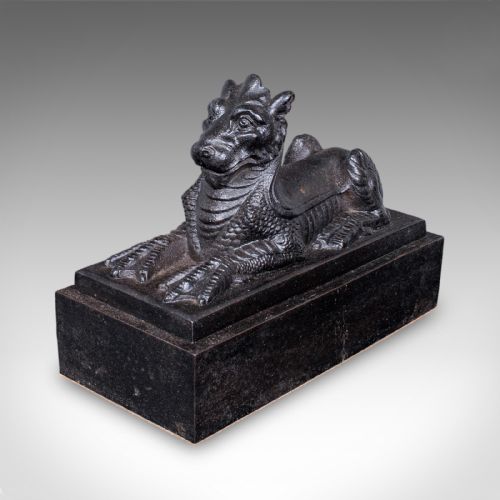
When you search for vintage lion door porters, you are looking at substantial metal weights designed to hold heavy interior doors open. These items serve a practical function while introducing a distinct sculptural element to a hallway or entrance. The pieces appearing here span from the Georgian period through the Victorian era, offering robust examples of period ironwork and brasswork.
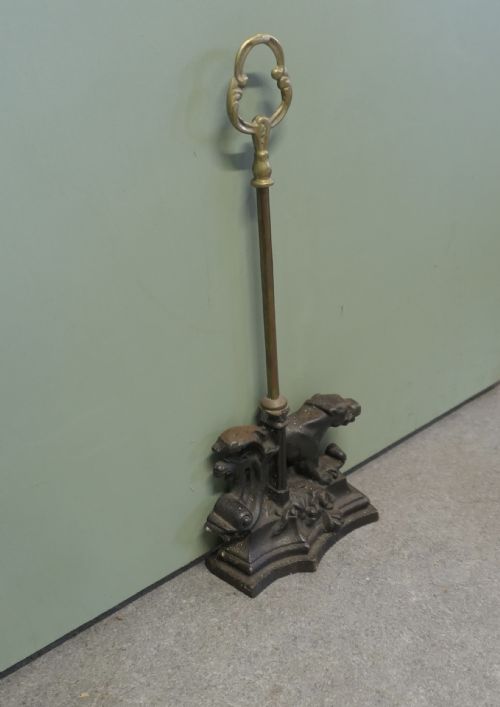
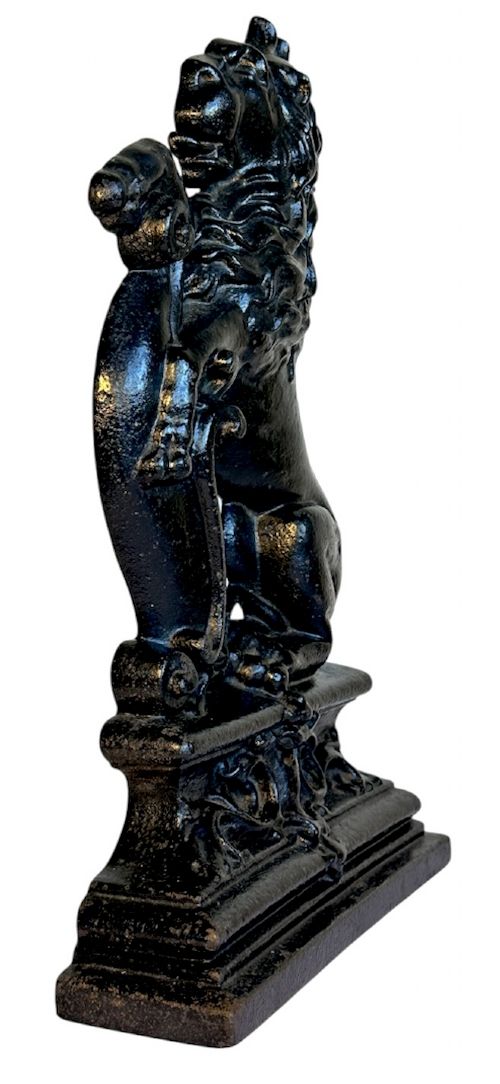
The version you are most likely to meet on this page is cast in iron or brass, often depicting a rampant lion. English examples from the nineteenth century predominate, frequently taking the form of a door stop or door porter. These items combine utility with decorative motifs drawn from mythology and heraldry.
Materials and construction
The primary materials recorded in these listings are cast iron, brass, and bronze. Molten metal was poured into sand moulds to create the heavy mass needed to hold doors securely in place.
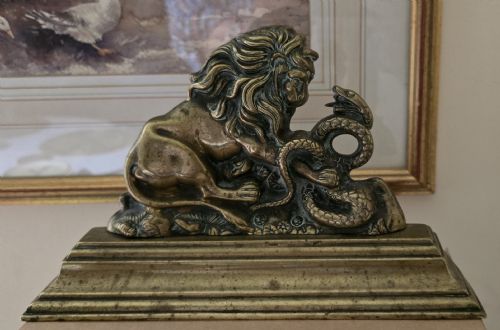
Finishes vary between the natural dark texture of cast iron and the polished gleam of cast brass. Certain pieces incorporate detailed modelling such as serpents alongside the lion.
Vintage Lion Door Porters Retail Price Guide 2026
Typical asking prices for vintage lion door porters among the pieces listed under this phrase on Sellingantiques today, from the lower quarter to the upper quarter. They describe what is for sale here now, not the wider market.
Listings span the Georgian and Victorian periods, utilising cast iron, brass, and bronze to form robust door stops.
Assessing quality and character
The distinction also lies in the integrity of the metalwork and the presence of integrated handles or sturdy bases. Pieces that retain their original surface texture and authentic age-related patination stand apart from those with compromised detail.
The Vintage Lion Door Porters Glossary
- Door porter
- A heavy movable weight used to keep a door open. These pieces are often fitted with a handle at the top for lifting.
- Rampant
- A heraldic term describing an animal depicted standing on its hind legs with forepaws elevated. This posture appears frequently in lion door stops.
- Cast iron
- An iron-carbon alloy poured into a mould to shape heavy objects. This material provides the substantial weight required for door stops.
- Victorian
- Pertaining to the reign of Queen Victoria from eighteen thirty-seven to nineteen oh one. Many pieces on this page date from this period.
Vintage Lion Door Porters: Frequently Asked Questions
How heavy are these door porters?
These pieces are cast in solid metal to provide the necessary heft for holding heavy interior doors. Their substantial weight ensures they remain stable against draughts.
Most examples are designed to be lifted by an integrated handle or top section, making them practical to move when closing the door.
Were they used in every room?
Door porters were typically placed in principal rooms and grand hallways where heavy timber doors required propping open. They served both a functional role and a decorative purpose.
In larger houses, multiple porters kept high-traffic doors accessible for servants and residents alike.
How do I care for cast iron?
Cast iron requires minimal maintenance beyond occasional dusting with a dry cloth. Avoiding excessive moisture prevents surface corrosion.
Applying a light microcrystalline wax helps protect the metal and preserves the natural dark finish over time.
How do I date a door porter?
Dating relies on stylistic clues, casting techniques, and material composition compared against known period examples. Victorian pieces often display robust proportions and specific decorative motifs.
Georgian examples tend to show earlier neoclassical influences or distinct handling of brass and serpents.