


Vintage Lighthouse Painting
A vintage lighthouse painting captures coastal isolation and maritime history on canvas, paper or wood.
Vintage Lighthouse Painting
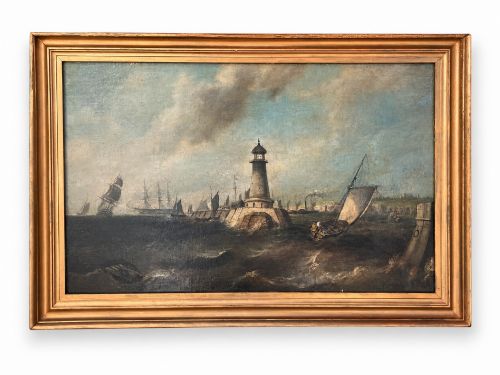
A vintage lighthouse painting brings maritime heritage into a room, depicting coastal scenes from the nineteenth and twentieth centuries. These works range from folk art expressions to detailed realism, capturing beacons against turbulent seas and rocky shores.
The pieces on this page draw from Victorian and Edwardian periods alongside later twentieth century interpretations. Buyers encounter oil paintings on canvas and delicate watercolours on paper, reflecting the diverse ways artists recorded maritime life.
Coastal locations feature prominently, from British waters near Plymouth and St Ives to French beach scenes. Each canvas or paper sheet preserves a specific perspective on maritime history, shaped by the prevailing artistic styles of its decade.
Materials and methods
Artists relied primarily on oil paint applied to canvas or wood panels, building rich textures that withstood the depiction of heavy seas and coastal weather. Watercolour on paper offered a lighter medium for detailed marine watercolours and coastal sketches.
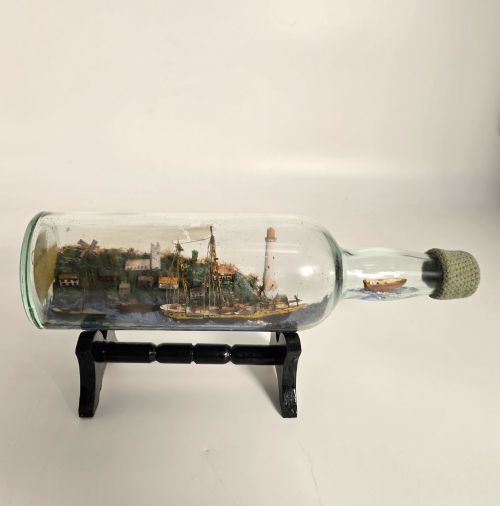
Framing often utilised glass and wood to protect these fragile works on paper and canvas. The physical support ranged from standard stretched canvas to folk art panels and diorama construction.
Listings feature works spanning the nineteenth century through the 1960s, executed in oil and watercolour on paper, canvas and wood.
Assessing quality and execution
Quality rests in the artist's command of light, atmosphere and maritime accuracy, distinguishing spirited folk art from accomplished fine art. Brushwork that successfully conveys the movement of water and the solid permanence of a stone tower elevates a composition.
Condition of the medium, whether oil paint or watercolour, influences the integrity of the piece. Well preserved surfaces without excessive cracking or fading retain the original impact intended by the painter.
Nicholas Condy·George F Pennington·Ernest F Hill·Arthur Wilde Parsons·Joseph Heard·Johan Johansson·Wilfred Knox
The Vintage Lighthouse Painting Glossary
- Oil paint
- A slow drying medium consisting of pigments suspended in a drying oil, typically linseed. This material allows for deep colour saturation and textured impasto application.
- Watercolour
- A paint where the colour pigments are suspended in a water soluble vehicle, usually applied to paper. It creates transparent washes of light and colour.
- Maritime realism
- An artistic style focusing on accurate depictions of ships, coastal architecture and the sea. Painters working in this manner paid close attention to nautical detail.
- Folk art
- Artistic work created within a traditional culture, often by self taught makers. These pieces prioritise expressive storytelling over academic conventions.
Vintage Lighthouse Painting: Frequently Asked Questions
How do I date a lighthouse painting?
Dating relies on stylistic clues, framing materials and any inscribed dates or signatures on the canvas or reverse. Victorian works often show heavier varnish and formal realism, whereas twentieth century pieces may display looser brushwork.
Examining the stretcher bars, paper type or framing can provide additional chronological context. Comparing the subject matter with known coastal landmarks helps narrow the decade of creation.
What is the difference between oil and watercolour?
Oil paint uses an oil binder on canvas or wood, allowing for thick impasto and deep, blendable colour. Watercolour uses a water soluble medium on paper, producing transparent and luminous washes.
Oils generally offer greater durability and texture, while watercolours require glass protection to prevent moisture damage. Both mediums capture coastal light differently.
Where should I hang a marine painting?
Marine paintings suit rooms with natural light, though direct sunlight should be avoided to protect pigments, especially on watercolours. Placing them away from damp areas preserves the canvas and paper.
Matching the frame to the interior decor helps integrate the artwork into the space. Many collectors prefer displaying them in studies, living rooms or hallways.
Are all these pieces British origin?
The selection includes works from British artists and coastal views such as St Ives and Plymouth, alongside continental European scenes. Maritime art naturally crossed borders as artists travelled to major ports.
Checking individual listings reveals the specific geographic focus and artist background for each piece. This variety reflects international maritime connections.