
Vintage Light Shade
A vintage light shade brings character and period warmth to a room, offering functional illumination through historical design.
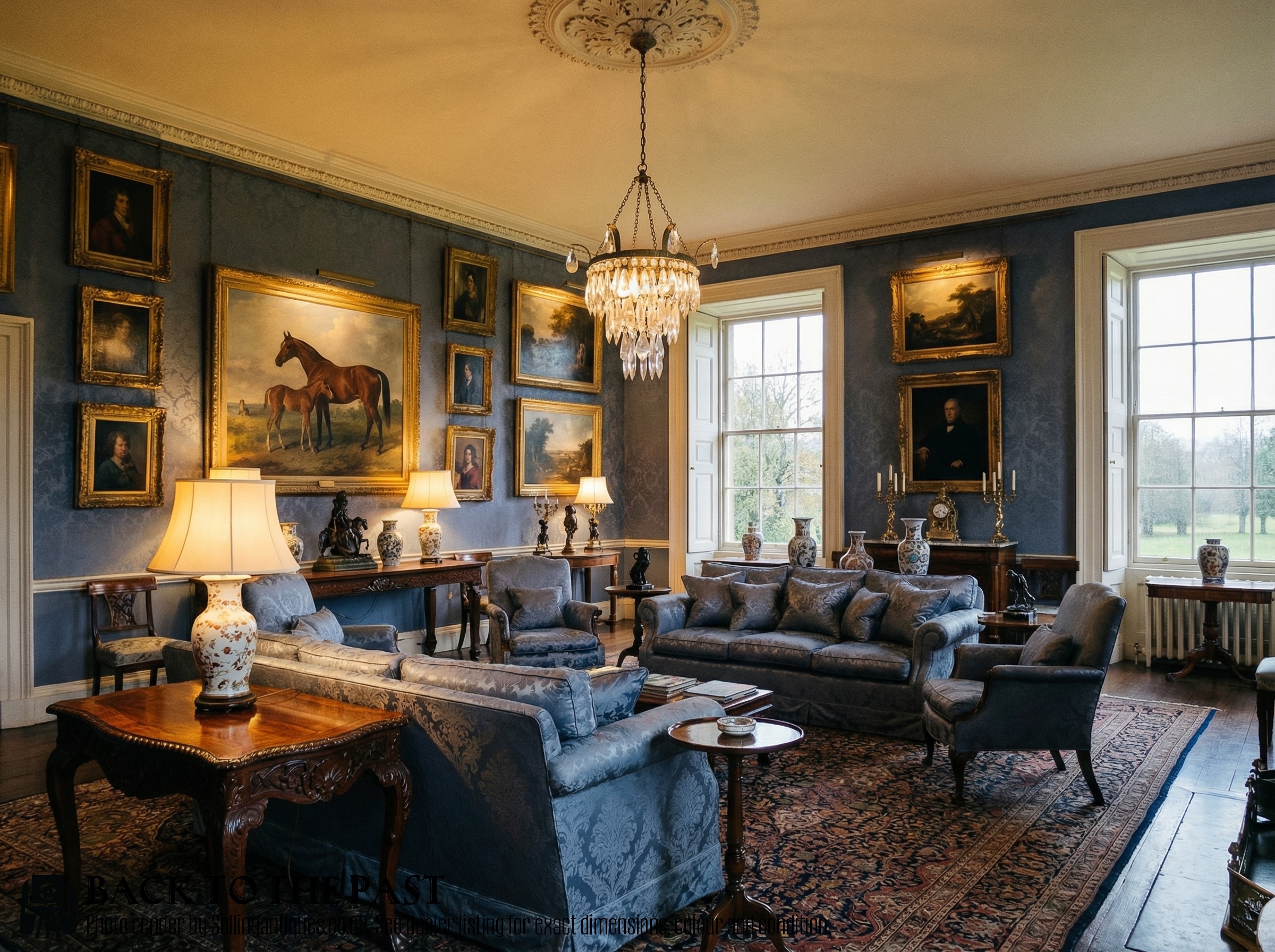
Vintage Light Shade
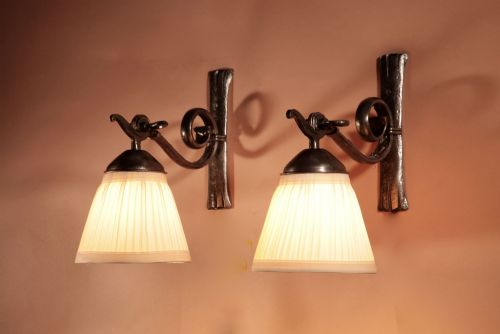
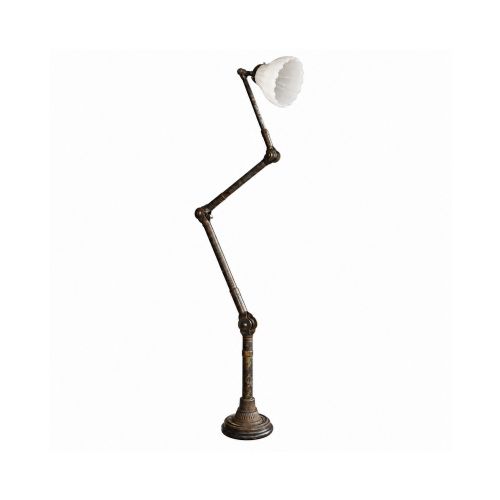
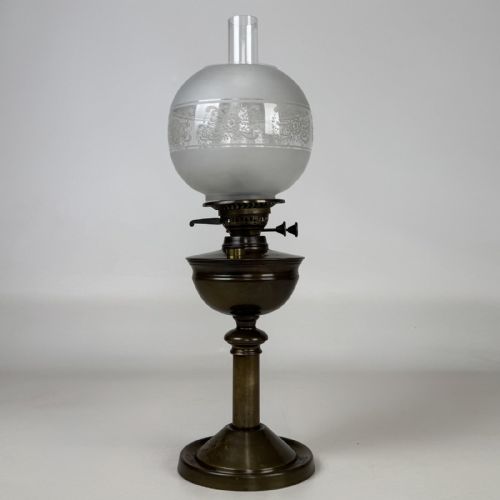
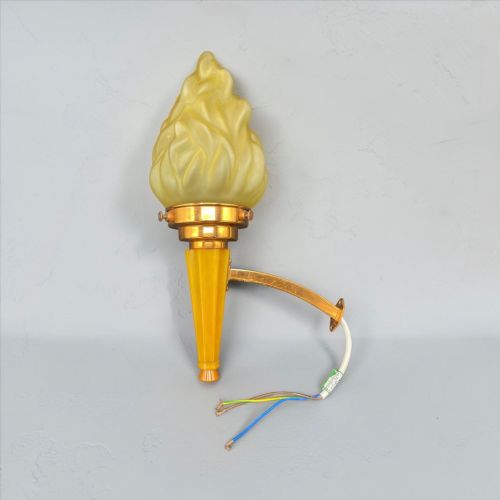
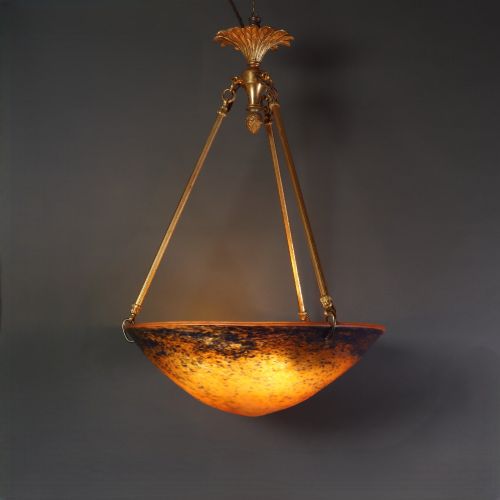
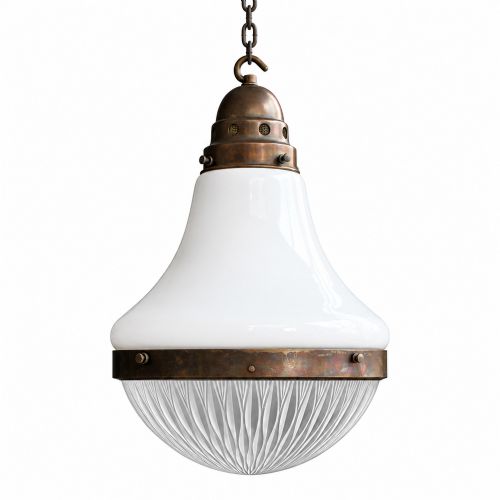
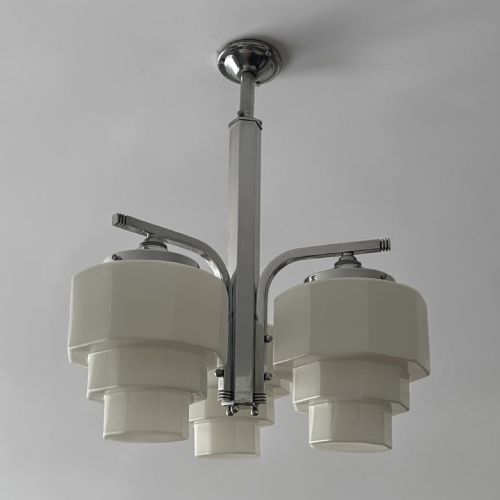
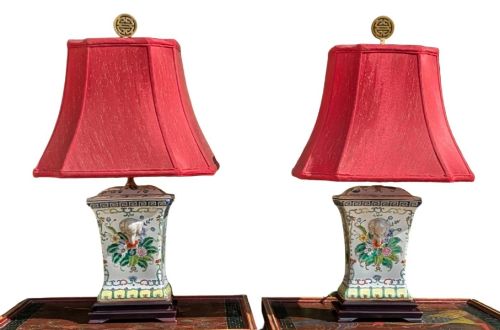
A vintage light shade encompasses a diverse selection of historical lighting fixtures, ranging from ceiling pendants and chandeliers to table and floor lamps. Buyers seeking a vintage light shade will encounter various forms originating from the Victorian, Edwardian, and Art Deco periods, alongside earlier nineteenth-century examples.
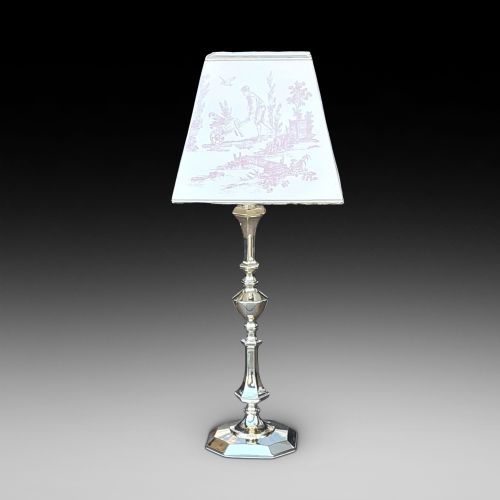
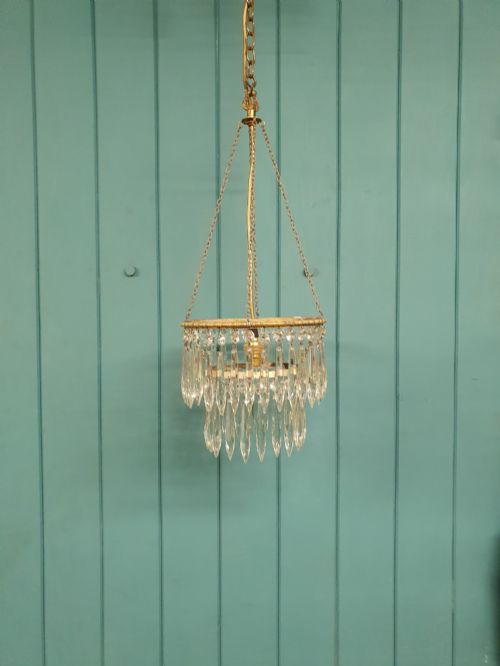
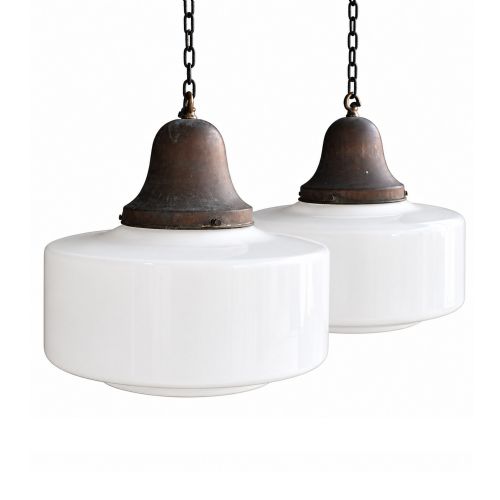
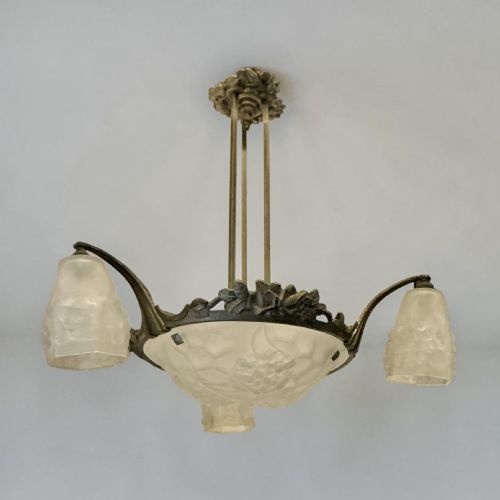
The inventory on this page heavily reflects styles such as Art Deco geometric designs, classical revival motifs, and industrial brass work. Common configurations include opaline glass shades paired with brass mounts, cut crystal bowls, and fabric or vellum coverings resting on wooden or metallic bases.
How they were made
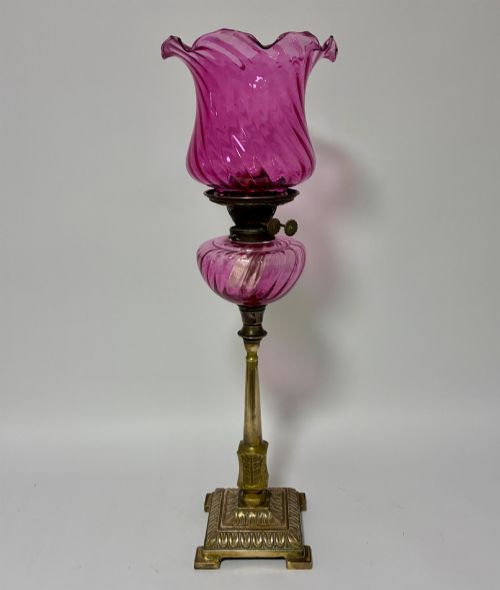
Maker workshops utilised traditional casting and spinning techniques to shape metals like brass, silver, and giltwood into structural frames and columns. Glass components were frequently blown, moulded, or cut by hand, producing opaline, cranberry, and crystal textures that diffused light softly.
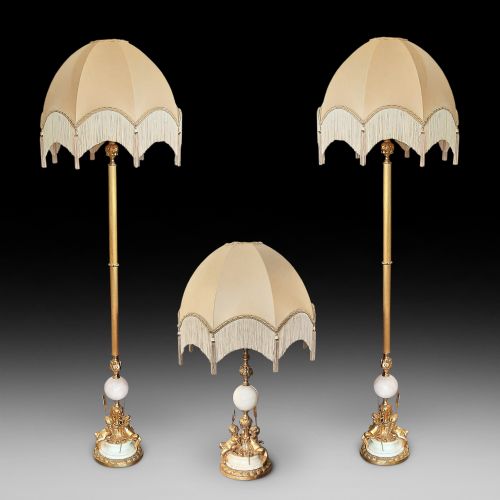
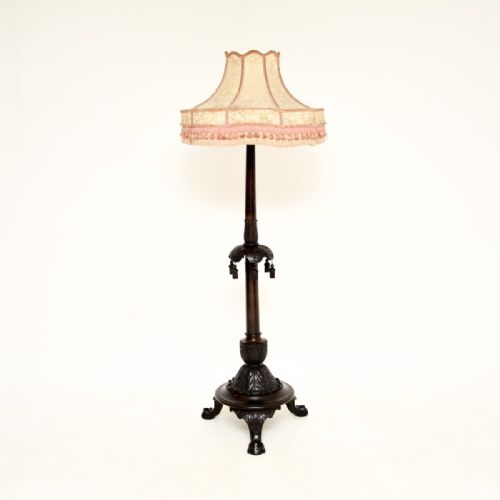
Organic and manufactured materials such as marble, wood, fabric, and toleware were combined with metal hardware to construct both hanging pendants and upright standard lamps. Artisans applied specialised lacquering, carving, and pate sur pate porcelain methods to finish the surfaces.
A stately Corinthian column once burning midnight oil now quietly illuminates the room through a cranberry glass glow.
What varies in quality
The standard of a piece is determined by the precision of hand-cut crystal details, the weight and purity of the brass or silver used in the frame, and the artistic merit of applied finishes like lacquered Chinoiserie. Superior examples exhibit crisp casting on Corinthian columns and unblemished, heavy glass shades.
Authorship and provenance significantly elevate a piece, as seen in items attributed to specific designers or salvaged from notable public spaces like town halls and hotels. Pieces retaining their original matching glass globes and unaltered mounting hardware demonstrate higher integrity.
Maison Bagues·Émile-Jacques Ruhlmann
The Vintage Light Shade Glossary
- Opaline glass
- A type of semi-translucent milky glass often tinted in soft colours, widely used for Victorian and Edwardian lamp shades to soften glare.
- Corinthian column
- A classical architectural column form frequently adapted into the structural stems of nineteenth-century brass table and floor lamps.
- Toleware
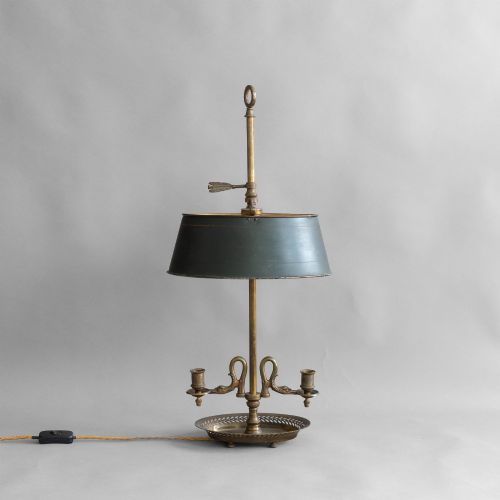
- Painted or lacquered sheet metal, typically tin, styled into desk lamps and decorative shades with rich green or dark finishes.
- Slip shade
- A type of moulded glass shade that fits directly into a metal frame, commonly associated with Art Deco ceiling lights.
- Duplex burner
- A double-wick mechanism found on nineteenth-century oil lamps designed to produce a brighter flame before conversion to electricity.
Vintage Light Shade: Frequently Asked Questions
How do I date a vintage light shade?
Dating relies on identifying stylistic markers, such as geometric Art Deco patterns or ornate Victorian brass work, alongside construction techniques. Examining the mounting hardware and wiring channels also helps place the piece within the nineteenth or early twentieth century.
Material choices further narrow the period, as specific glass treatments like opaline or cranberry hues gained popularity during distinct decades.
Can these shades be used with modern wiring?
Most antique and vintage lighting can be adapted for modern electrical standards by a qualified professional. The original brass frames and glass shades easily accommodate updated lamp holders.
Care should be taken to retain original structural brackets where possible to preserve the historical integrity of the mounting.
How do I care for fragile glass shades?
Cleaning requires gentle dusting with a soft cloth and mild soapy water, avoiding harsh chemical abrasions that could damage historic finishes. Opaline and cut crystal surfaces should be handled carefully when detached from their frames.
Regularly checking the seating and screws on heavy glass bowls ensures they remain secure within their brass mounts.