
Waterfall Pendant Light
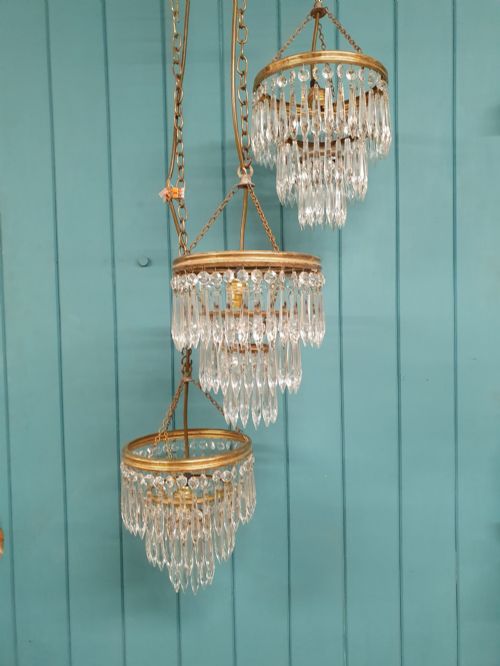
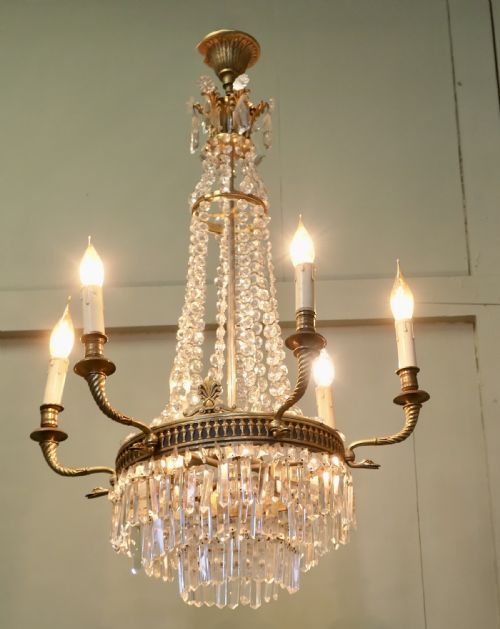
These waterfall pendant light fixtures bring structured tiers of glass prisms and brass into a room, offering a functional centrepiece with historic character.
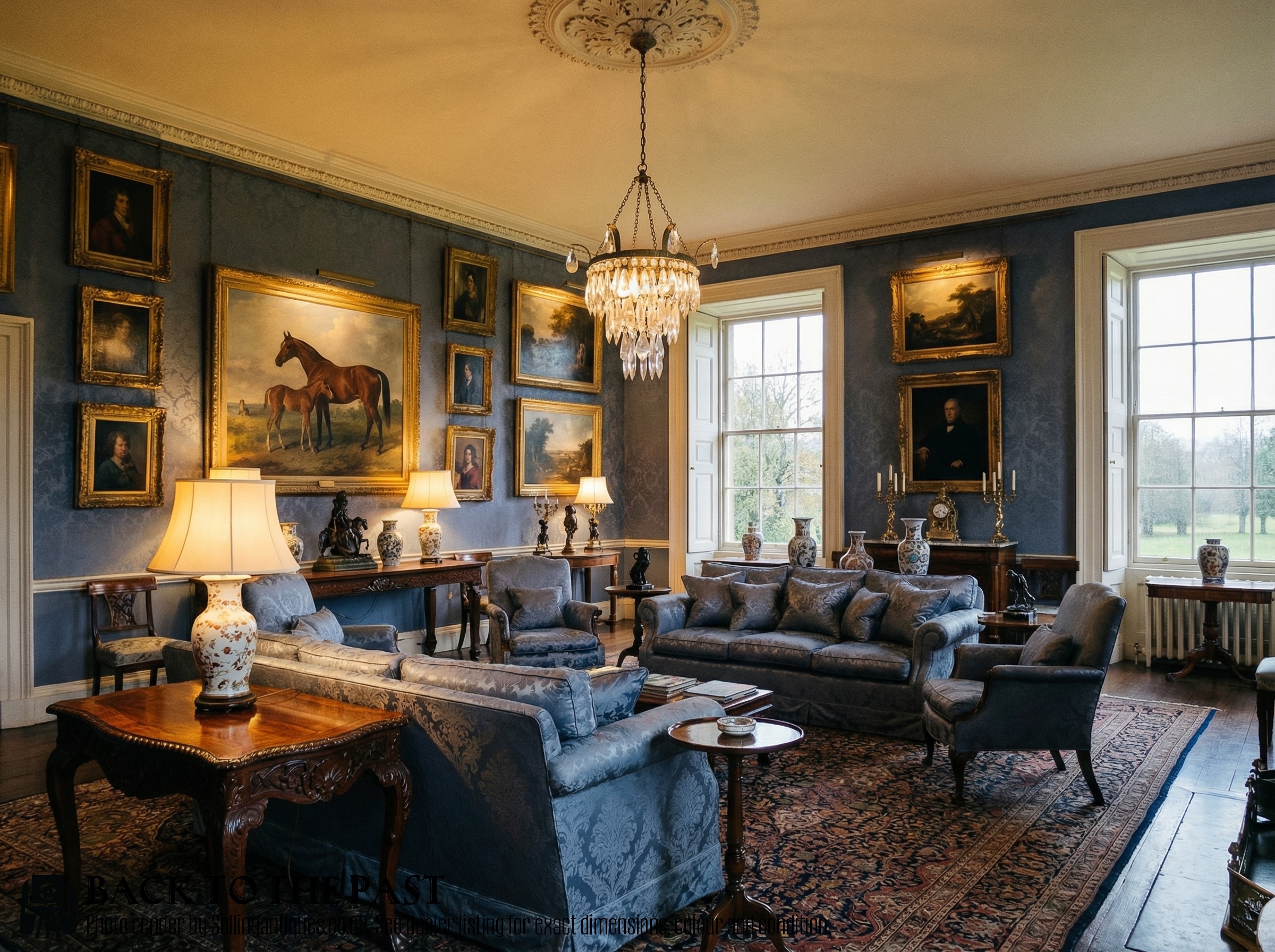
Waterfall Pendant Light
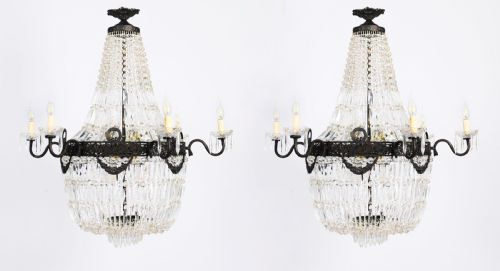
A waterfall pendant light brings together cascading glass elements, tiers of cut crystal, and metal frames to direct light downward across a space. These pieces draw on French Empire, Louis Revival, and Edwardian design traditions, spanning the nineteenth and twentieth centuries.
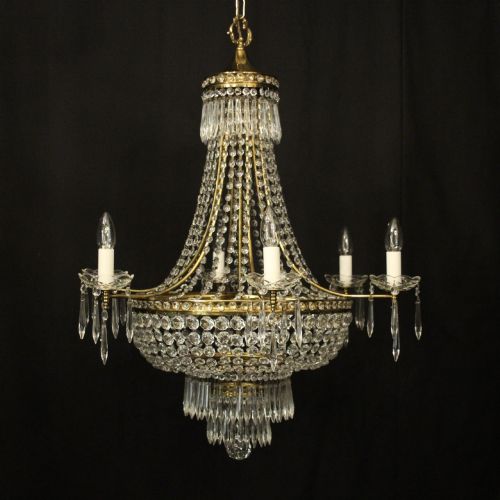
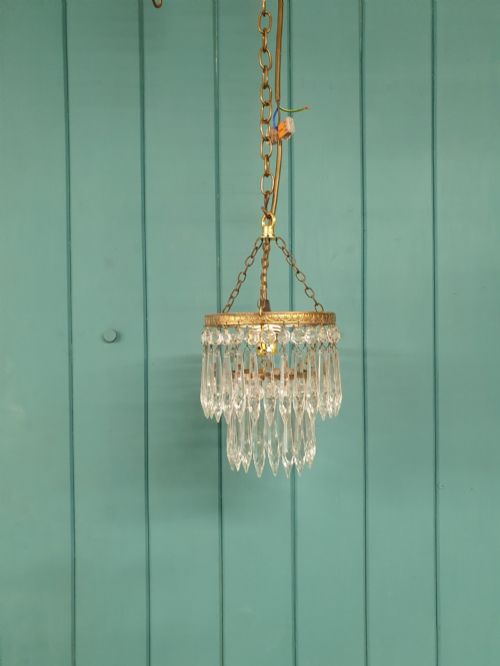
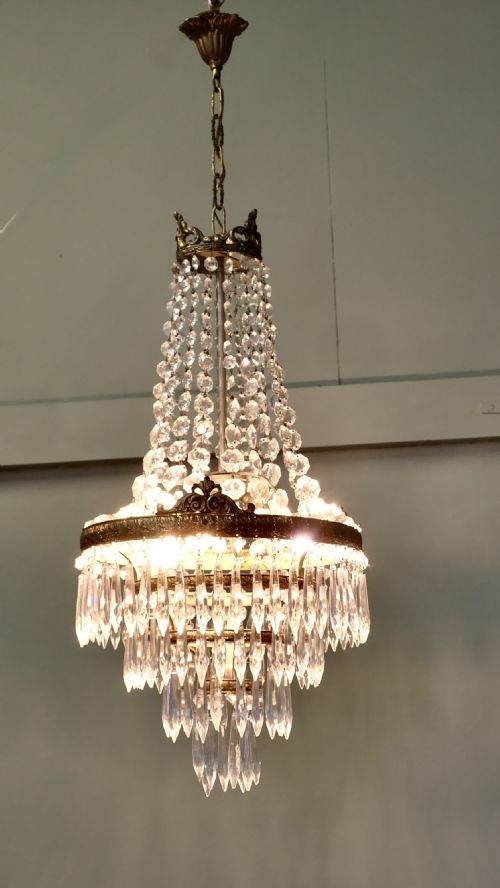
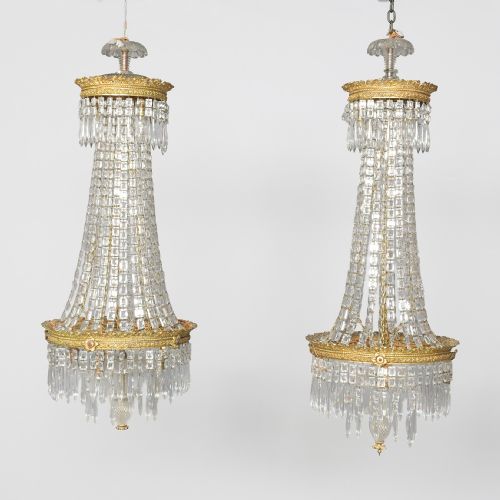
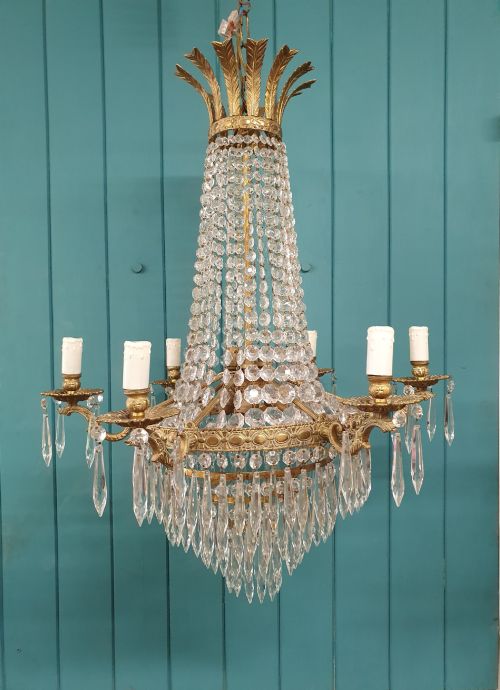
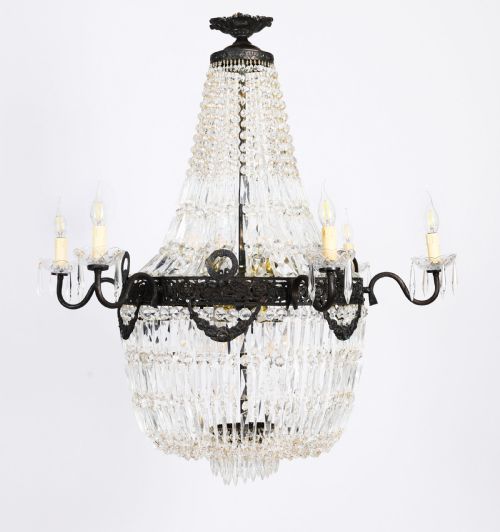
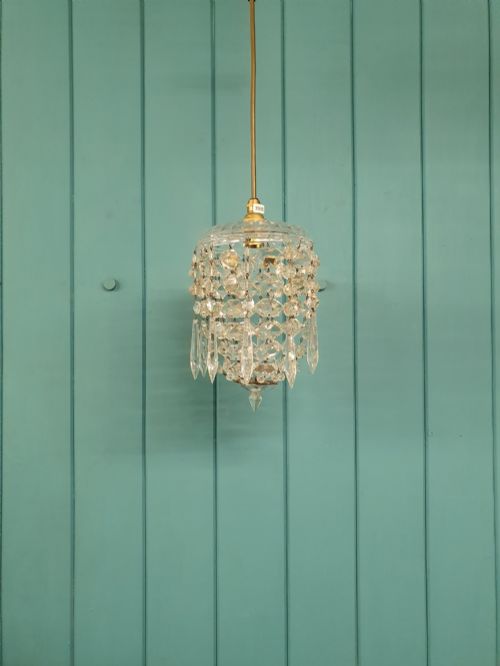
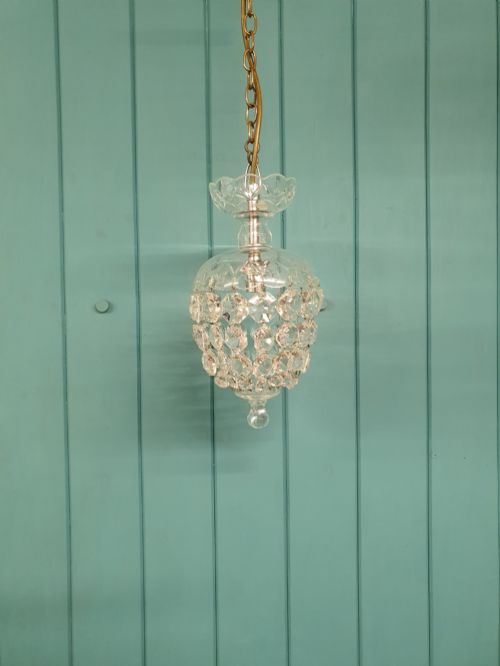
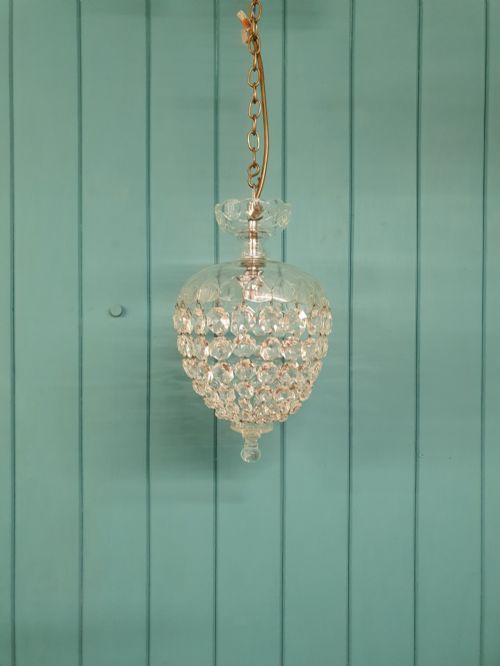
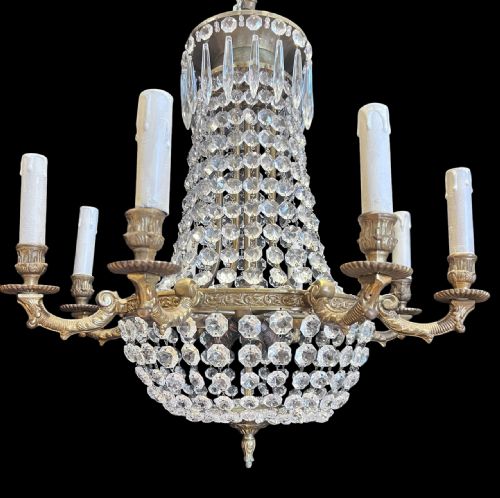
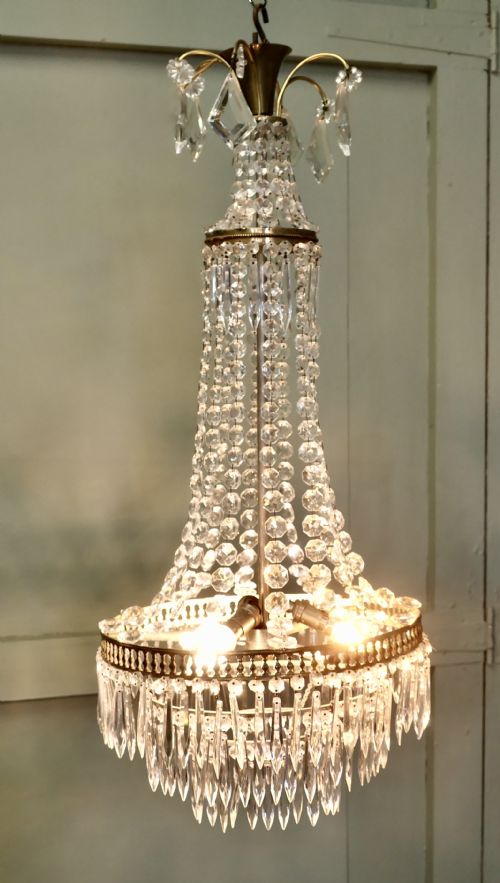
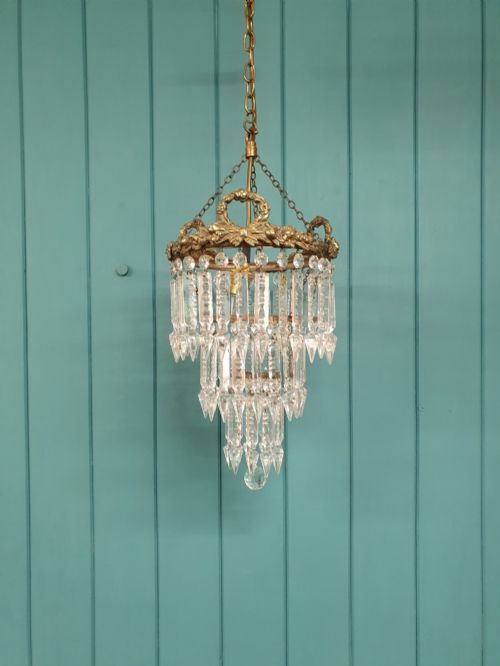
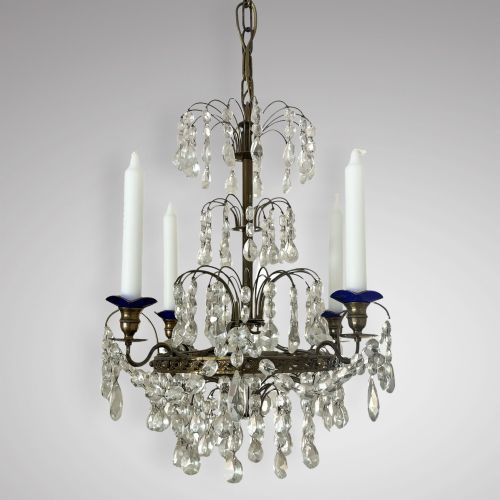
Buyers will most frequently encounter compact Edwardian brass and cut glass bag chandeliers alongside larger French Empire style tent and waterfall pieces. The forms range from single light plafonieres and small spike chandeliers to multi-branch ballroom fixtures with extensive glass drop arrangements.
How they were made
The construction relies on sturdy brass, gilt brass, or bronze frames formed into rings, domes, or tents to support the weight of the glass. Metal mounts and armatures provide the structural backbone for complex tiers of hanging elements.
Cut glass, crystal, and crystal glass components are shaped into prisms, beads, drops, and lustres, then wired through the frame to catch and refract illumination from internal bulbs.
The inventory includes single light plafonieres alongside large ballroom chandeliers spanning French Empire and Louis Revival design styles.
What varies in quality
The sophistication of the metalwork defines the upper tiers of production, where cast brass and bronze mounts display crisp leaf decoration and balanced proportions rather than simplified stamping. Heavier frames support more complex multi-branch lighting schemes securely.
The clarity and cutting style of the glass components separate standard examples from superior pieces. Deeply cut crystal prisms and matched lustres produce sharper light refraction and demonstrate greater precision in assembly.
The Waterfall Pendant Light Glossary
- Tent and waterfall
- A lighting configuration where an upper conical section of glass beads feeds down into a wider, cascading tier of hanging crystals and prisms.
- Bag chandelier
- A fixture featuring a flattened or tapered bag-shaped lower profile composed of dense strings of glass beads enclosing the light source.
- Spike chandelier
- A vertical hanging light design characterised by central projecting spikes or tiers of downward pointing glass drops.
- Plafoniere
- A ceiling-mounted or close-hanging light fixture with a shallow profile, often utilising glass panels or crystal arrangements.
- Lustre
- A glass pendant drop or prism suspended from the arms or frame of a chandelier to enhance light diffusion.
Waterfall Pendant Light: Frequently Asked Questions
How do I hang a waterfall pendant light?
Suspension requires attaching the fixture's ceiling rose securely to a joist or suitable ceiling anchor using an appropriate chain and wiring setup. Ensure the weight of the brass frame and glass elements is supported independently of the electrical connections.
Position the fixture at a height that clears head traffic while allowing the cascading crystals to catch ambient light effectively within the room.
What rooms suit a waterfall pendant light?
These fixtures suit entryways, dining spaces, and principal living rooms where vertical drop and downward illumination create a strong focal point. Their reflective glass elements work well in rooms with limited natural light.
Smaller bag and spike variants fit narrower hallways or compact spaces, while multi-branch tent chandeliers anchor larger high-ceilinged interiors.
How do I clean a crystal chandelier?
Cleaning involves dusting individual glass drops carefully with a soft cloth and applying a specialist glass cleaner to remove accumulated grime. Support fragile crystal strands from underneath during the process to prevent strain on the brass wire connections.
Avoid using harsh chemical sprays that might dull the metal mounts or damage the gilt finish on the bronze and brass frames.
How do I date an antique chandelier?
Dating relies on examining the wiring methods, metal casting techniques, and the cut of the glass components. Edwardian and 1930s pieces often exhibit specific brass mount styles and standardised chain links distinct from 19th-century work.
Cross-referencing the structural form, such as bag, tent, or spike configurations, against known period styles helps narrow the manufacturing window.