


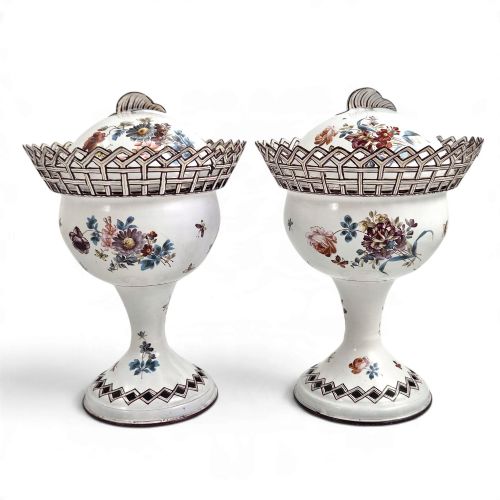

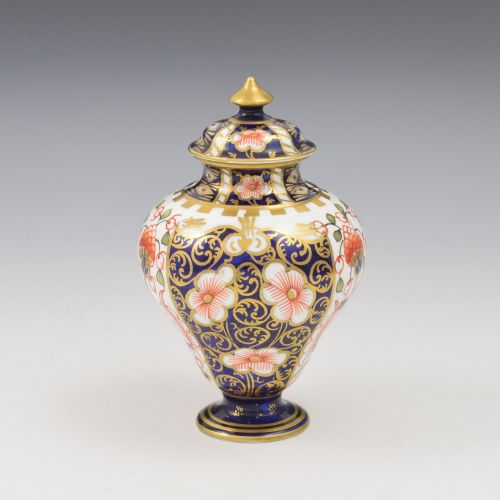
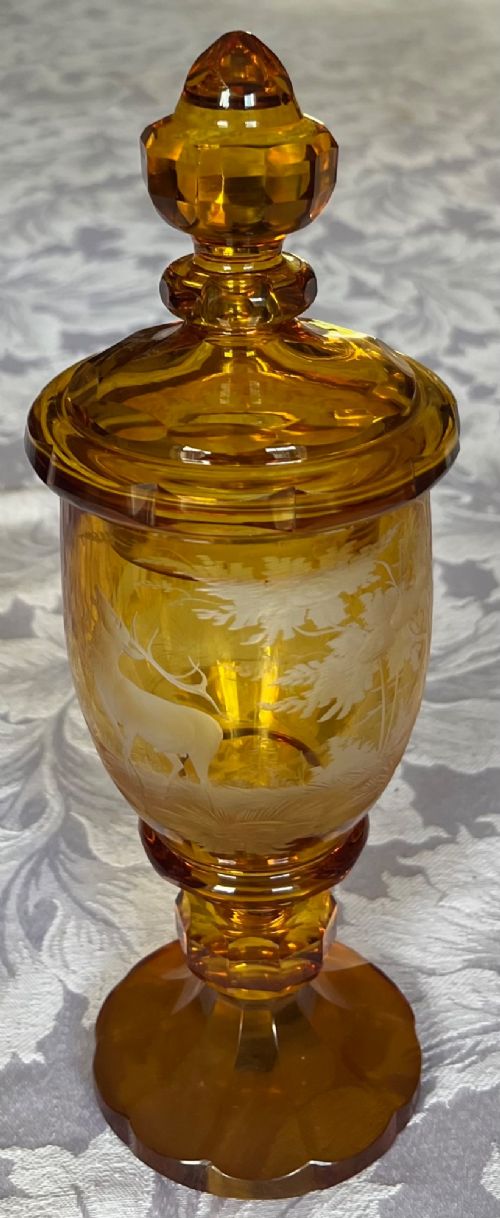

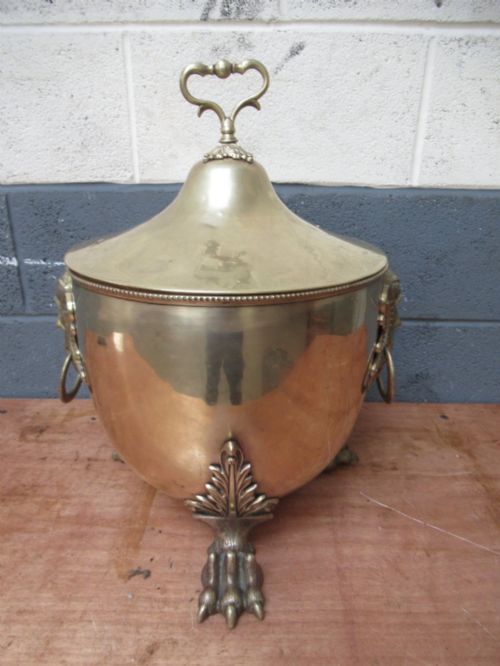
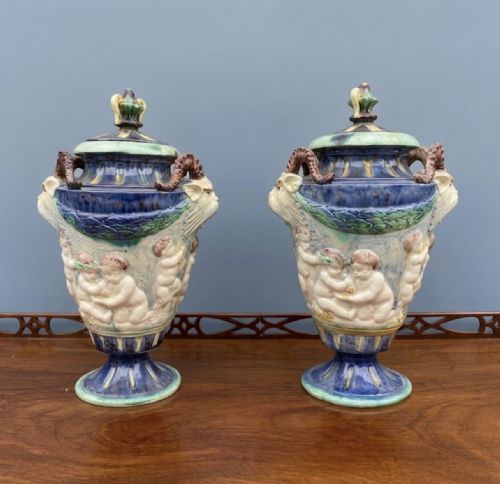


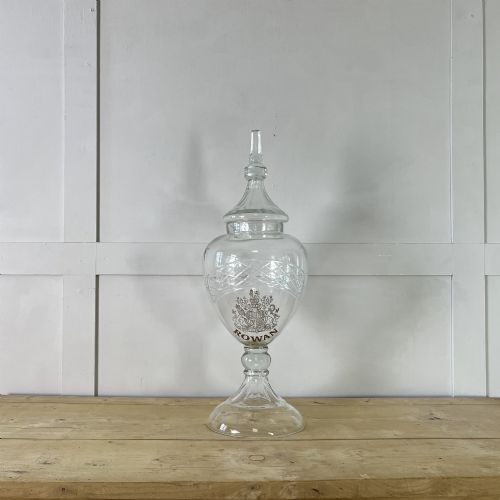

Vintage Lidded Urn
A vintage lidded urn brings sculptural weight and classic containment to a room, offering a decorative vessel shaped by diverse ceramic and metal traditions.
Vintage Lidded Urn
When you search for a vintage lidded urn, you encounter vessels that span centuries, crossing from English porcelain pot pourri jars to Japanese Imari and Chinese ginger jars.
The objects on this page appear in various guises, including majolica, cut glass, cloisonne, and earthenware, reflecting both European revival styles and Asian export traditions.
Makers ranged from major English potteries like Royal Worcester and Fielding's Crown Devon to continental workshops and Asian kilns, producing covered vases, urns, and jars.
Materials and Technique
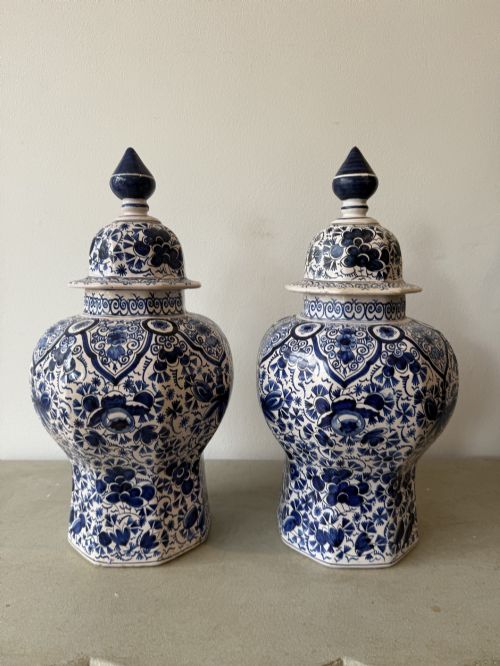
Pottery and porcelain bodies are shaped on the wheel or cast in moulds before receiving hand-painted decoration, glazes, and firing in kilns.
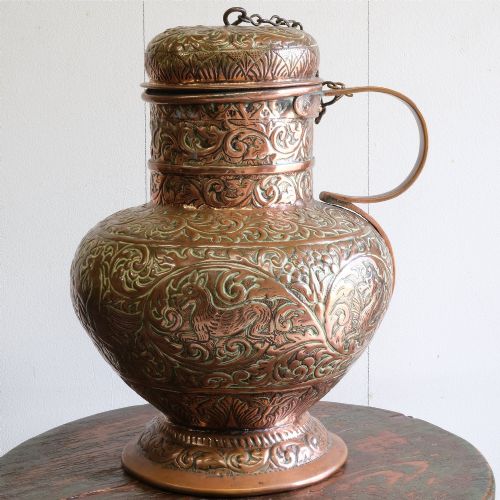
Metal vessels utilise copper, brass, and silver, shaped through beating, casting, or hammering, often paired with iron frames or engraved detailing.
Glass pieces employ cutting and engraving techniques on heavy blanks to create faceted patterns that catch the light.
Vintage Lidded Urn Retail Price Guide 2026
Typical asking prices for vintage lidded urn among the pieces listed under this phrase on Sellingantiques today, from the lower quarter to the upper quarter. They describe what is for sale here now, not the wider market.
The listings span the 18th century through to 1960, encompassing porcelain, copper, brass, cut glass, earthenware, and terracotta.
Craft and Finish
Quality rests in the crispness of the modelling and the precision of hand-painted details, where skilled brushwork distinguishes finely executed fruit or floral motifs from routine decoration.
The presence of an original matching lid secured over centuries elevates a piece, confirming that the cover and body share the same kiln origin and wear.
Royal Worcester·Coalport·Masons Ironstone·Samson of Paris
The Vintage Lidded Urn Glossary
- Pot pourri
- A perforated lidded vessel designed to hold dried scented plant material. These containers allow fragrance to diffuse gently into a room.
- Cloisonne
- Enamel work created by soldering wire compartments onto a metal base before filling them with paste and firing. This technique produces intricate coloured patterns separated by fine metal lines.
- Imari
- A Japanese export porcelain style employing underglaze blue and overglaze iron red and gold. The palette remains vibrant and distinctive across centuries of reproduction.
- Ginger jar
- A ceramic vessel with a wide shoulders and a short neck, originally made for storage in China. They frequently accept fitted covers and serve purely decorative roles today.
Vintage Lidded Urn: Frequently Asked Questions
What were lidded urns used for?
These covered vessels served both practical storage roles and purely decorative functions within historic interiors. Many specifically held dry aromatics or pot pourri to scent domestic spaces.
Larger decorative urns stood on mantelpieces or pedestals as focal points, demonstrating the owner's taste and the maker's skill.
How do I care for a porcelain urn?
Dust porcelain and ceramic pieces gently with a dry, soft brush to protect delicate painted surfaces and gilded highlights. Avoid abrasive cleaners or soaking historic glazes in water.
Metal urns in brass or copper respond well to occasional gentle cleaning if you wish to maintain a bright finish, though many prefer the natural aged patina.
How can I tell if the lid is original?
Examine the glaze, wear patterns, and clay body under the lid and around the rim to check for consistency with the base. An original lid matches the exact colour tone and weathering of the vessel it caps.
Replacements often sit unevenly or show different interior manufacturing marks compared to the main body.
Are these pieces suitable for daily use?
Most antique lidded urns function best as decorative display items rather than utilitarian household containers. Their age and historic glazes mean they are vulnerable to knocks and chemical wear from modern use.
Gentle placement in a stable location ensures these fragile ceramics and metals survive safely for future generations.