
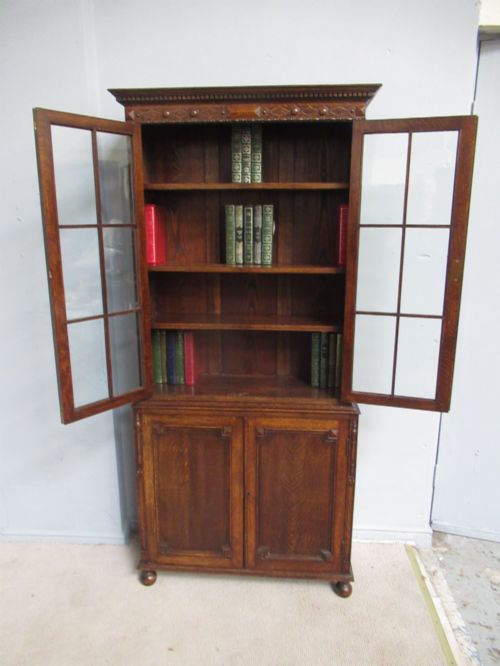
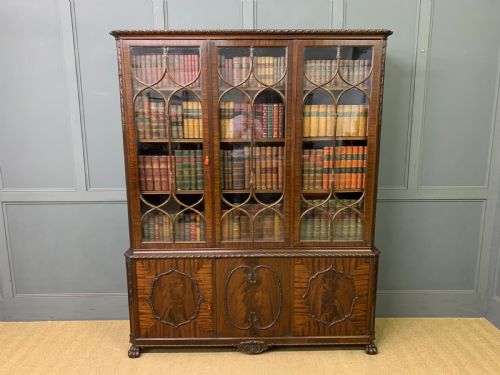
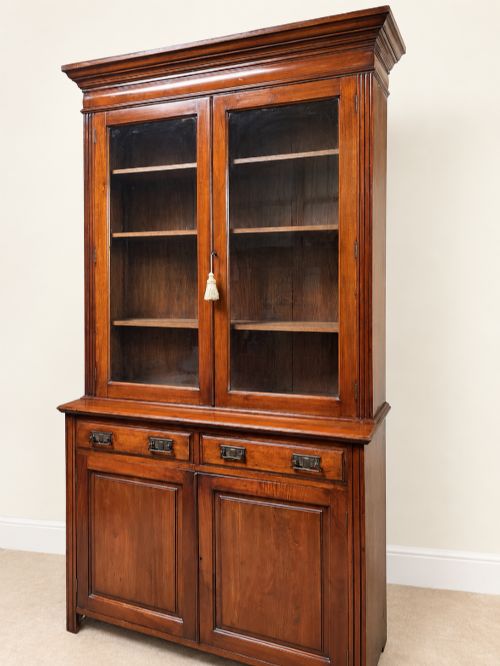
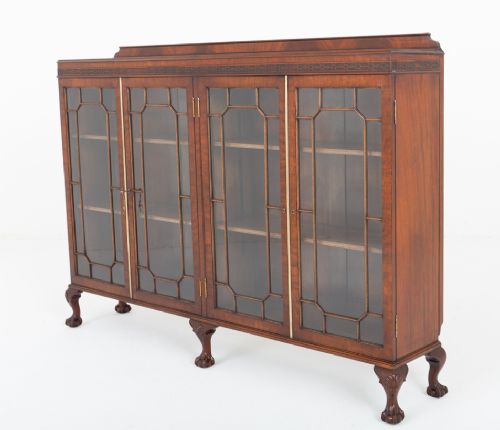
Vintage Library Display Cabinet
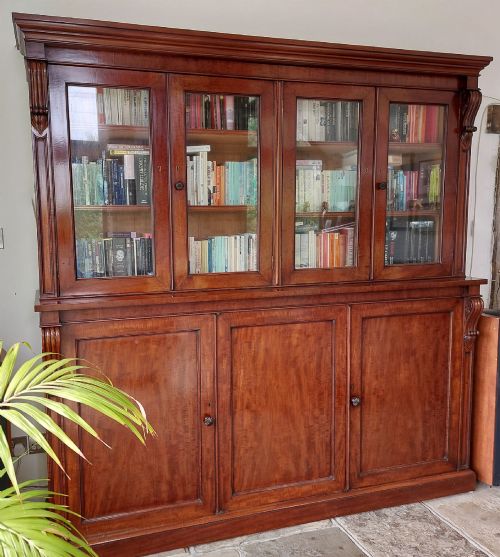
A vintage library display cabinet organises books and treasures behind glass doors, bringing proportion and rich timber into a room.
Vintage Library Display Cabinet
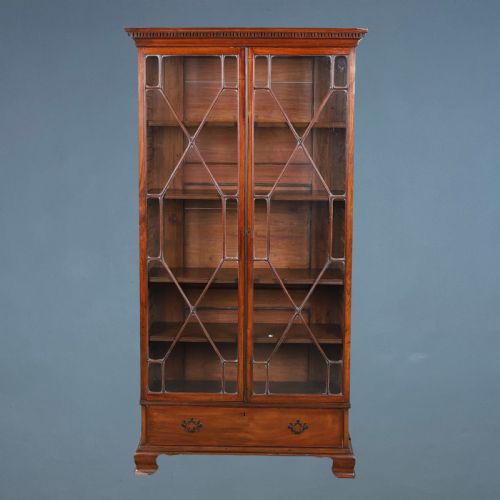
A vintage library display cabinet combines enclosed shelving with glass-fronted panels to keep volumes visible yet protected. When searching for a vintage library display cabinet, buyers encounter forms ranging from tall breakfronts to compact open designs.
The selection spans centuries, featuring pieces from the Georgian, Victorian, and Edwardian eras alongside later 20th-century items. Materials vary significantly, with mahogany, oak, and walnut dominating the inventory.
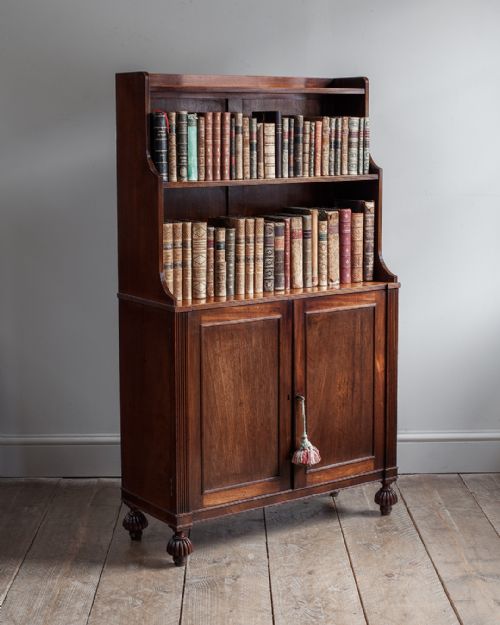
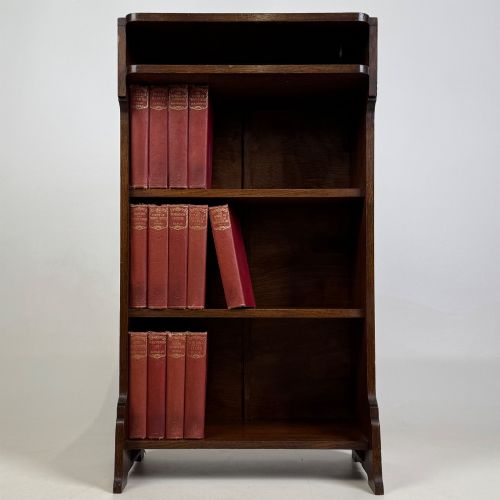
Common configurations include double and triple door cabinets, alongside sectional styles and waterfall bookcases. These items serve both practical storage needs and decorative display purposes within domestic spaces.
Materials and construction methods
Cabinet makers utilised dense hardwoods such as mahogany and oak, often applying walnut veneer to create figured surfaces. Solid timber forms the structural carcass, whilst brass handles and hinges provide functional hardware.
Glazing techniques involve fitted glass panes held within wooden frames or leaded sections. Back panels typically consist of tongue-and-groove timber planks, supporting adjustable shelving systems found in taller formats.
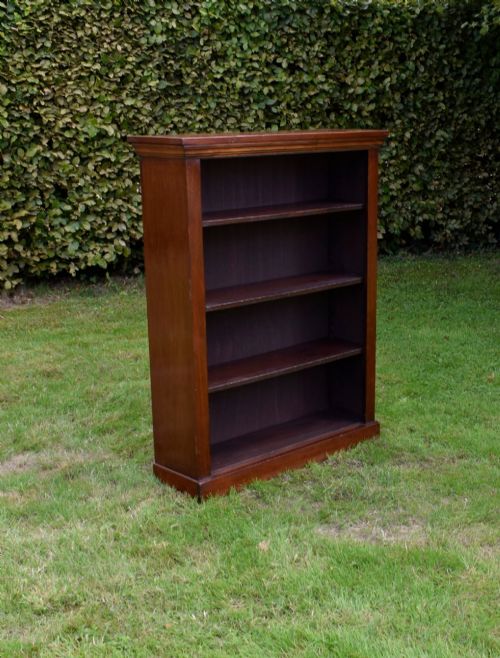
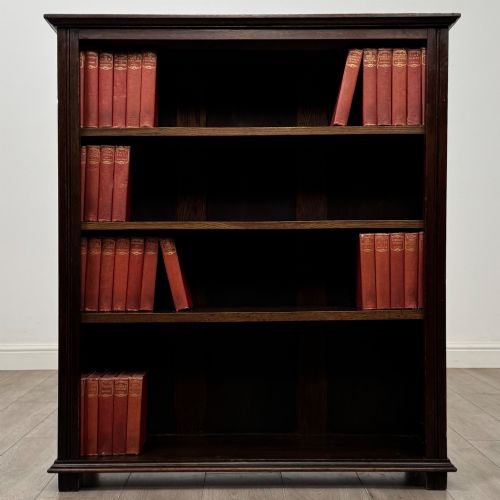
Glass doors and open shelving dominate the object types, spanning Victorian, Edwardian, and Regency periods.
Distinguishing quality across pieces
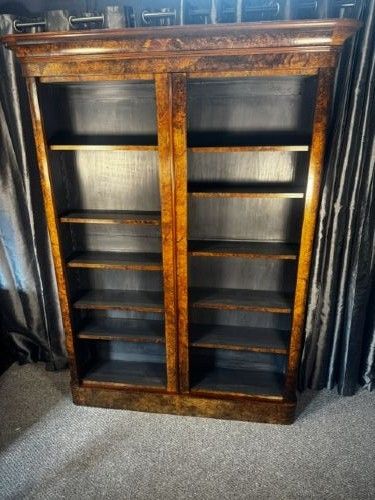
Superior examples demonstrate refined proportions and careful timber selection, such as matched burr walnut or figured mahogany grain. Joinery details like dovetail drawer construction and tight door alignment separate finer workshops from utilitarian pieces.
The integration of original brass fittings and intact glass panels influences the overall integrity of a cabinet. Finer pieces often exhibit restrained architectural mouldings or subtle inlay work that enhances the design without cluttering the surface.
Globe Wernicke
The Vintage Library Display Cabinet Glossary
- Breakfront
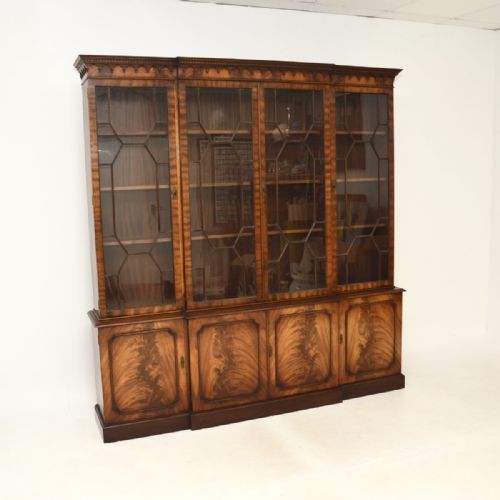
- A cabinet design where the central section projects forward from the flanking wings. This architectural arrangement creates depth and visual interest across larger library units.
- Glazed
- Fitted with glass panels to enclose the shelving space. This allows books and objects to be viewed whilst protected from dust.
- Sectional bookcase
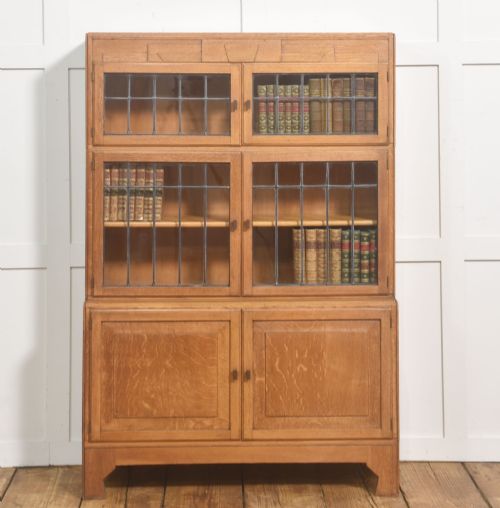
- A modular storage unit composed of stackable glazed compartments. These tiers lift open independently to access individual shelves.
- Waterfall bookcase
- A shelving unit featuring stepped sides that recede towards the top. This profile creates a cascading silhouette popular in early designs.
- Veneer
- A thin layer of decorative wood applied to a secondary timber base. This technique allows cabinet makers to display striking grain patterns economically.
Vintage Library Display Cabinet: Frequently Asked Questions
What periods do these cabinets cover?
The inventory spans from the 18th century through the Victorian and Edwardian eras into the early 20th century. Styles include Georgian, Regency, and French Empire influences alongside later revival pieces.
Most items originate from the 19th and early 20th centuries, reflecting changing domestic tastes in library and study furniture over time.
How do I choose the right timber?
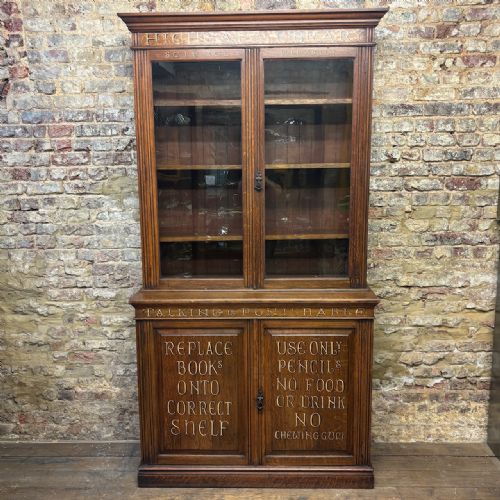
Mahogany offers a deep reddish-brown tone often associated with formal Georgian and Victorian rooms. Oak provides a sturdy, heavily grained option suited to Edwardian and school library styles.
Walnut and burr walnut introduce warmer, highly figured surfaces that draw the eye. Consider the existing woodwork in your space when selecting a material.
Are the shelves adjustable?
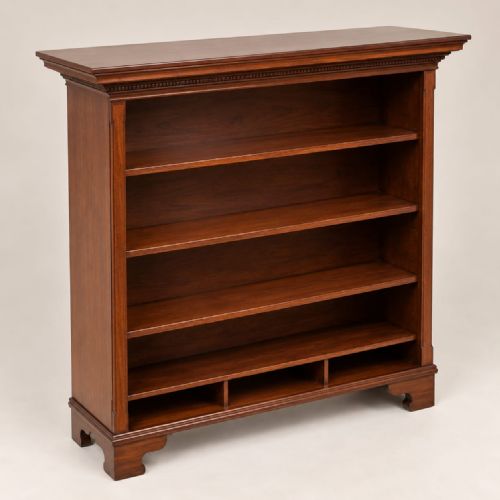
Many tall and late Victorian variants incorporate adjustable shelving to accommodate books of differing heights. Fixed shelves remain common in older Georgian and specific display formats.
Checking the internal setup ensures your volumes will fit comfortably within the designated cabinet compartments.
What is a sectional bookcase?
A sectional bookcase consists of modular, stackable tiers with upward-lifting glass doors. This ingenious patent allows units to be expanded or rearranged as a collection grows.
Often associated with makers like Globe Wernicke, this format combines modular flexibility with traditional oak or mahogany construction.