



Vintage Leather Wingback Chair
A vintage leather wingback chair brings deep-seated comfort and traditional form to a room through sturdy framing and supple hides.
Vintage Leather Wingback Chair
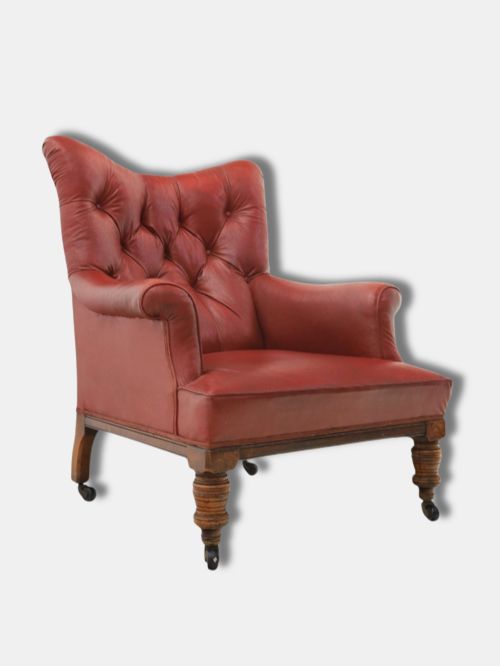
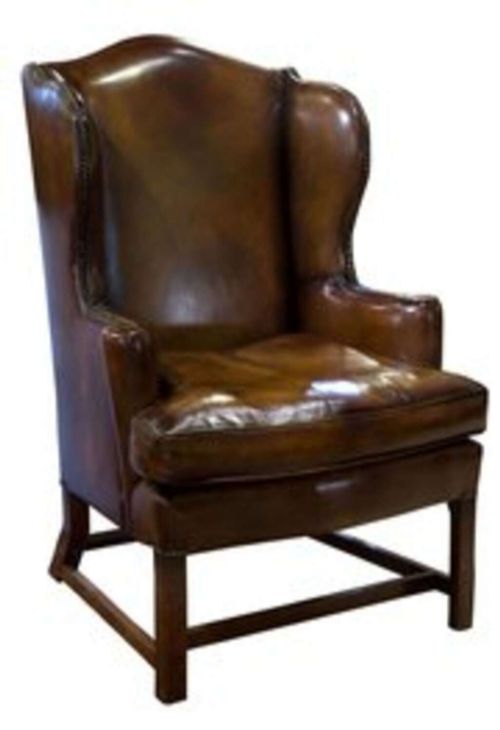
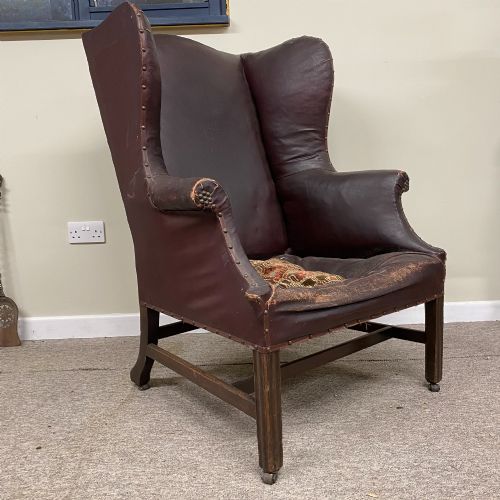
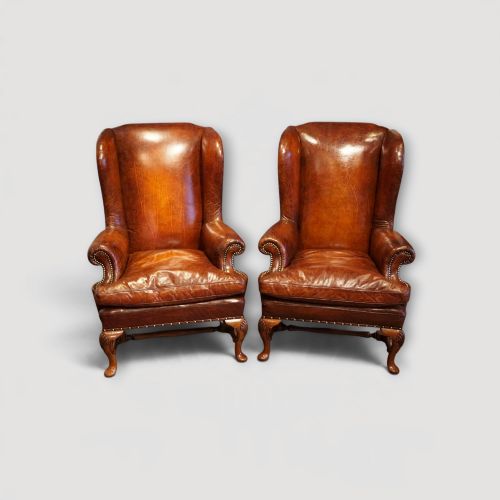
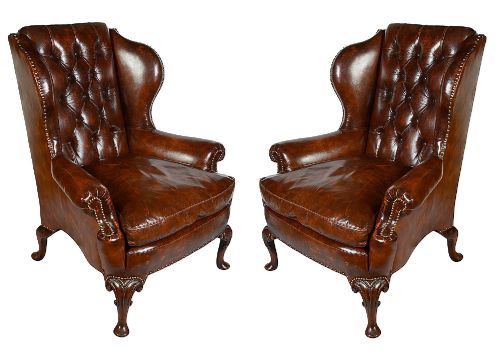
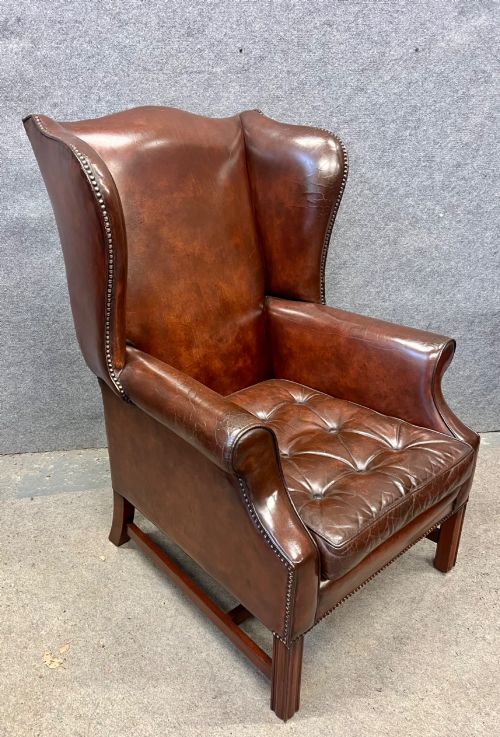
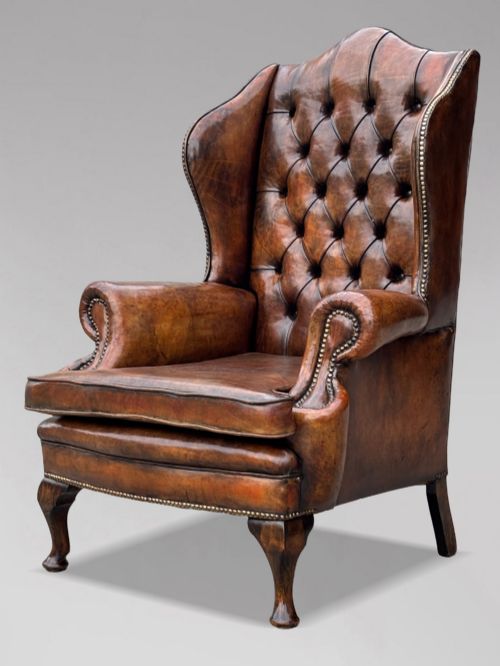
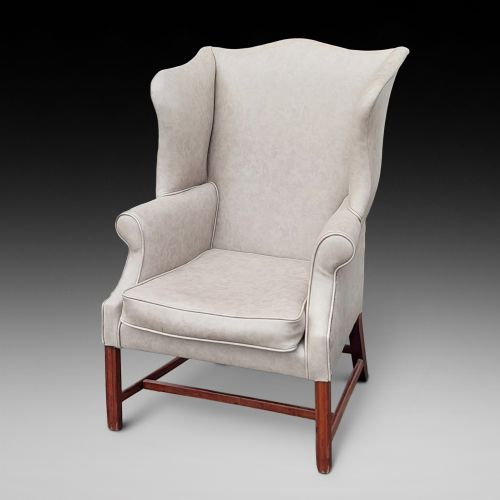
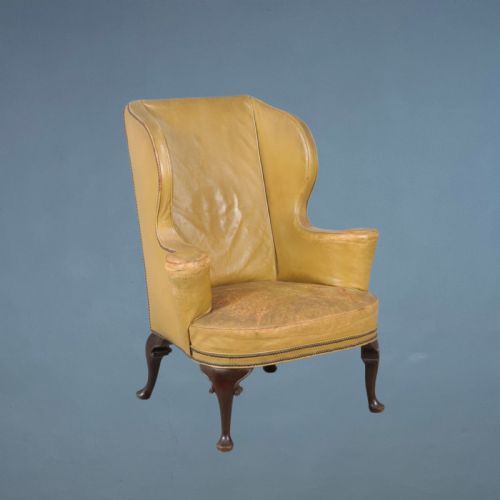
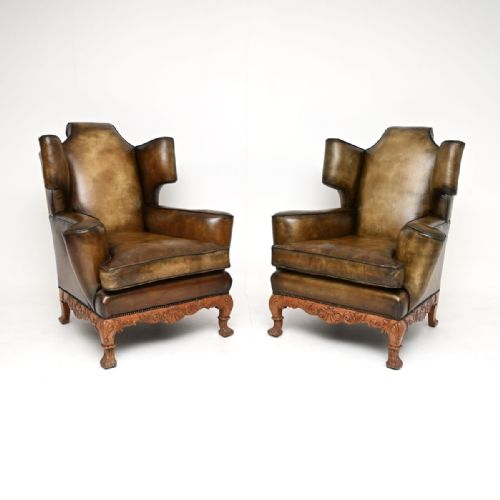
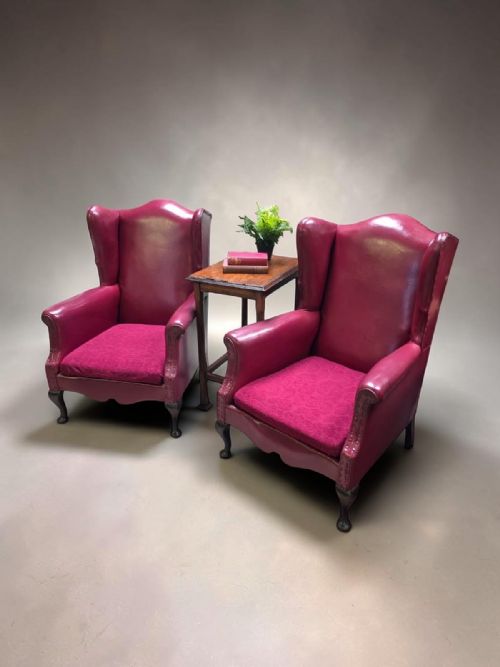
A vintage leather wingback chair is a high-backed seating form designed to shield the sitter from draughts, featuring distinctive side panels or wings attached to the armrests. The pieces gathered here span several distinct periods, including Victorian, Edwardian, and the early twentieth century, alongside revival styles that echo earlier Georgian designs.
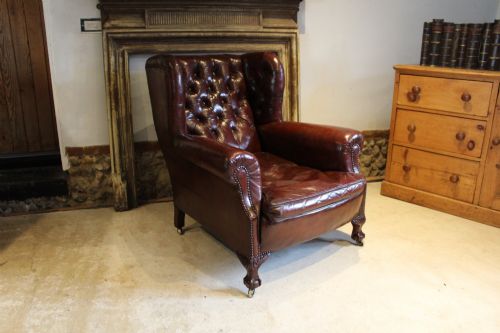
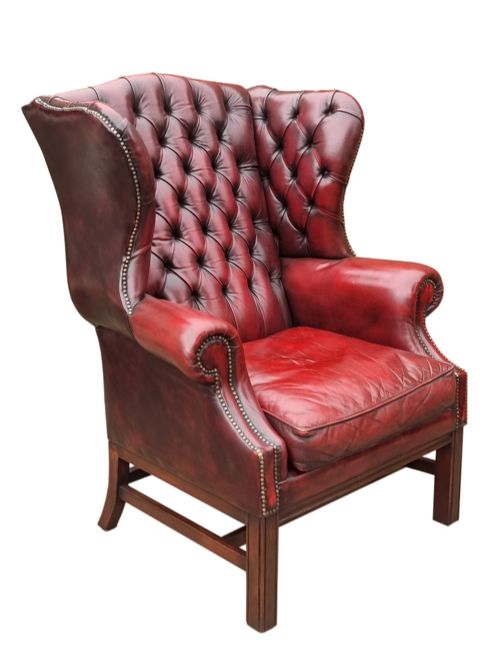
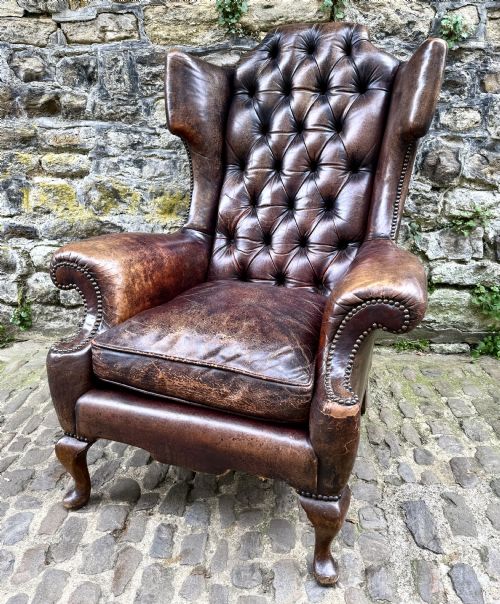
Most examples you will encounter combine traditional button-backed upholstery with substantial wooden frames, often resting on cabriole or straight legs. They appear frequently in rich brown, oxblood, or hand-dyed leather, offering deep seats intended for studies, libraries, and drawing rooms.
How they were made
The underlying structures rely on durable timbers such as mahogany, oak, walnut, and assorted hardwoods to ensure stability over generations of use. Upholsterers stretched tough leather over supportive padding and secured the hides with careful stitching and brass detailing.
Makers shaped the distinctive wings and scroll arms by hand, often incorporating deep buttoning to hold the internal stuffing firmly in place. Frames frequently employed traditional joinery techniques, marrying solid wood components without relying on modern fasteners.
Vintage Leather Wingback Chair Retail Price Guide 2026
Typical asking prices for vintage leather wingback chair among the pieces listed under this phrase on Sellingantiques today, from the lower quarter to the upper quarter. They describe what is for sale here now, not the wider market.
Listings span several eras, incorporating Victorian, Edwardian, and early twentieth-century examples alongside Georgian revival pieces.
What varies in quality
The distinction between standard examples and superior pieces rests on the weight of the timber framing and the depth of the hide's natural grain. Hand-dyed finishes that retain subtle variations in tone indicate careful surface treatment rather than uniform factory application.
Proportion and carving detail also set certain armchairs apart, particularly where makers applied detailed woodwork to the legs or arms. A well-balanced silhouette with harmonious proportions signifies careful design from the outset.
John Ward
The Vintage Leather Wingback Chair Glossary
- Wingback
- An armchair style featuring protective side panels flanking the backrest to block room draughts. These extensions were originally designed to trap heat from an open fireplace.
- Cabriole leg
- A furniture leg that curves outward in a convex arc and tapers inward in a concave arc, ending in a pad or foot. This form derives from ancient furniture designs and gained popularity during revival periods.
- Button back
- An upholstery method where depressions are formed in the padding by pulling tufting buttons deep into the stuffing. This technique secures the internal filling and creates a patterned surface.
- Hide
- The natural skin of an animal, dressed and tanned for upholstery use. Thicker hides offer greater resilience for heavy-use seating.
Vintage Leather Wingback Chair: Frequently Asked Questions
What is a wingback chair?
A wingback chair is an upholstered seat featuring high sides and extended panels designed to protect the occupant from draughts. The form evolved to provide comfort near open hearths in older homes.
Today, these chairs serve as reading seats or statement pieces in studies and living spaces, offering a combination of high support and traditional silhouette.
How do I date a leather wing chair?
Dating relies on examining the timber frame construction, the style of the legs, and the method of upholstery. Earlier pieces from the eighteenth and early nineteenth centuries often feature specific hand-carved details and dense hardwood frames.
Later revival pieces from the Victorian and Edwardian eras adopt these historical cues while employing slightly different joinery methods and turning techniques characteristic of their own manufacturing periods.
What is hand-dyed leather?
Hand-dyed leather is hide that has been coloured manually using stains rather than receiving a uniform, heavy machine coating. This process allows the natural grain and subtle tonal variations of the material to remain visible.
Chairs finished this way acquire a softer appearance over time as the leather responds to light, use, and routine maintenance.
Where should I place a wingback chair?
These chairs suit rooms with traditional proportions, such as libraries, studies, or beside a fireplace where their high backs can anchor the room layout. Their substantial presence requires adequate floor space to let the silhouette stand clear.
Pairing them with low footstools or placing them alongside bookshelves creates a balanced reading area that respects the traditional function of the furniture.