
Vintage Leather Watch
A vintage leather watch pairs mechanical timekeeping with patinated hide, offering tactile wear from the early twentieth century through the nineteen-seventies.
Vintage Leather Watch
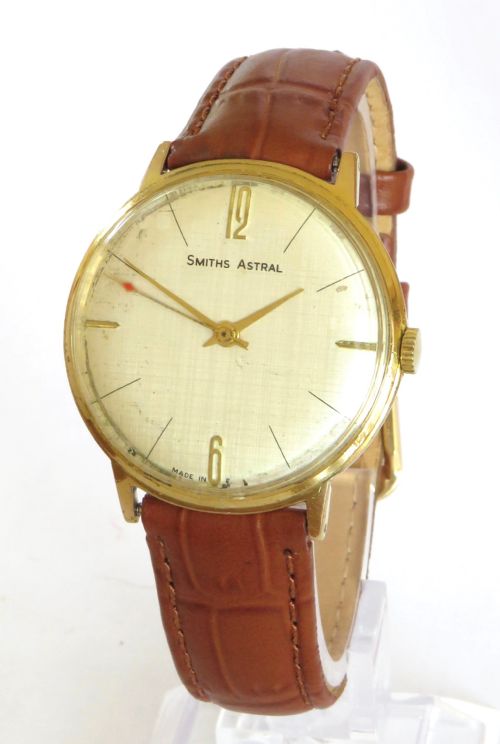
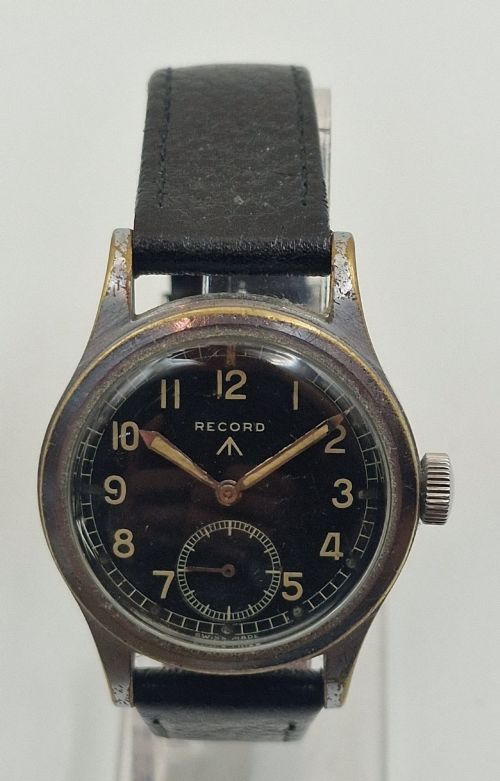
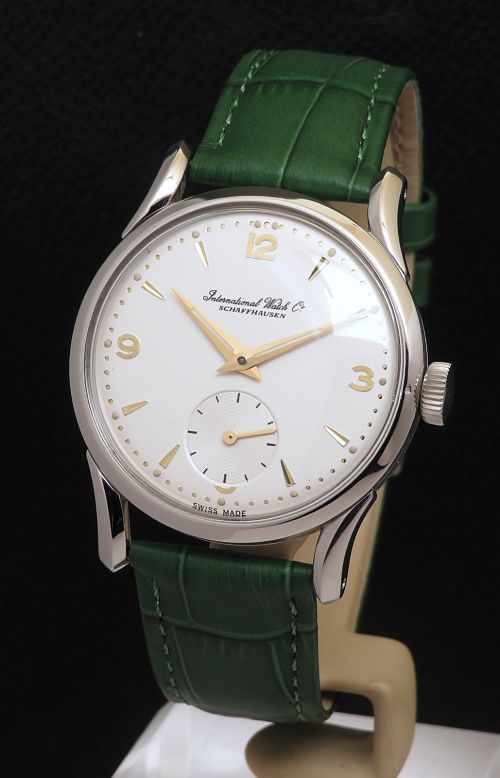
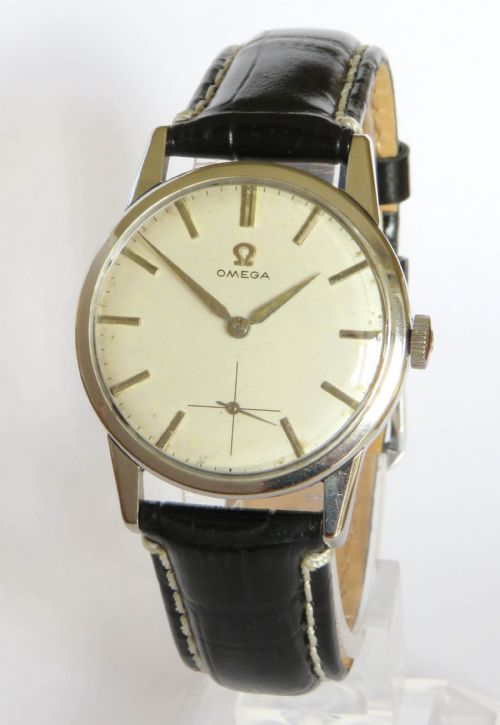
A vintage leather watch typically comprises a mechanical wristwatch fitted to a strap or cord made of hide, spanning styles from First World War military trench pieces to Mid-Century Modern dress designs. When searching this phrase, a buyer meets wristwatches paired with leather straps alongside occasional leather jewellery and cufflink cases.
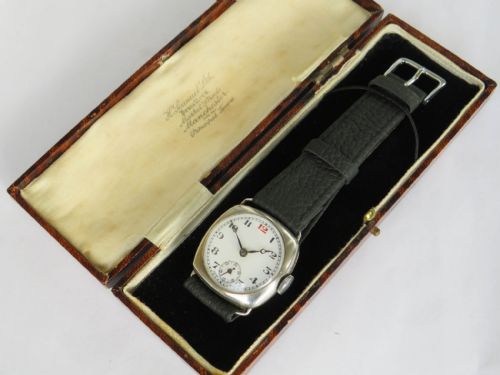
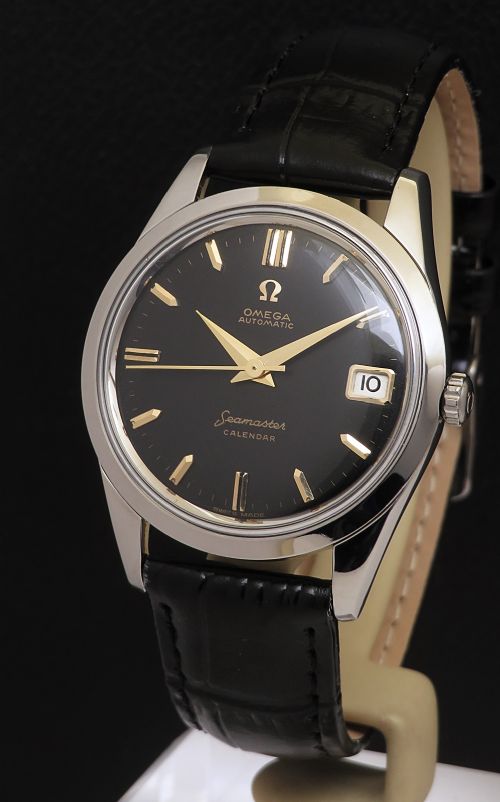
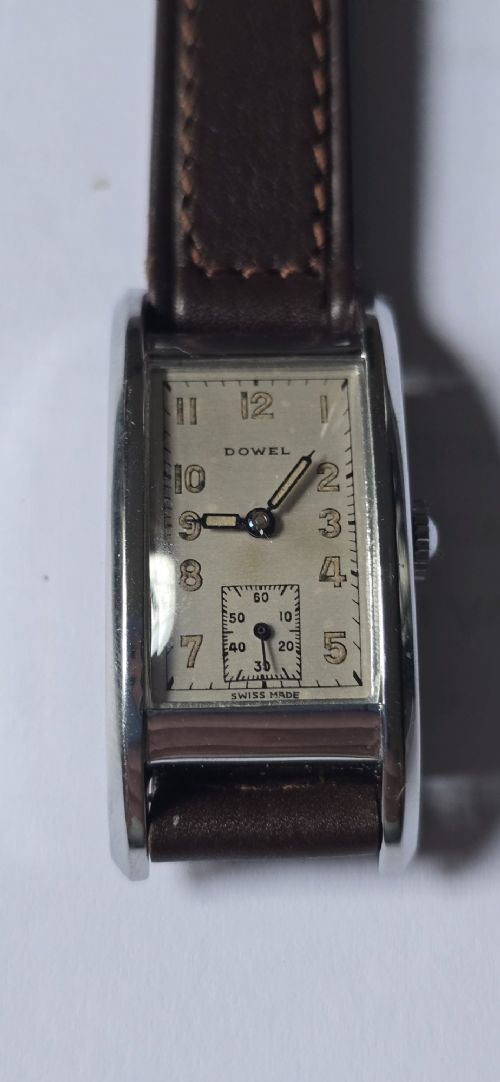
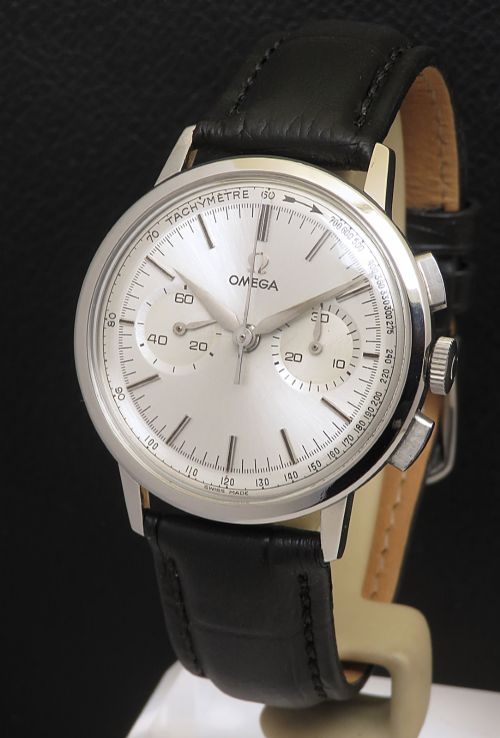
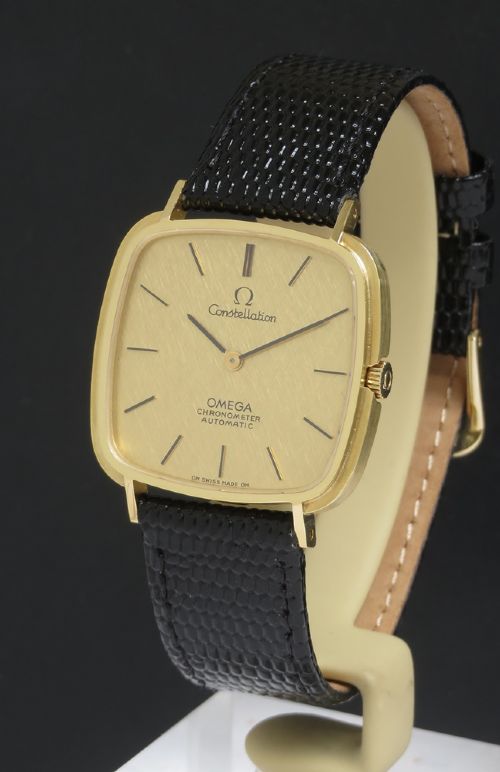
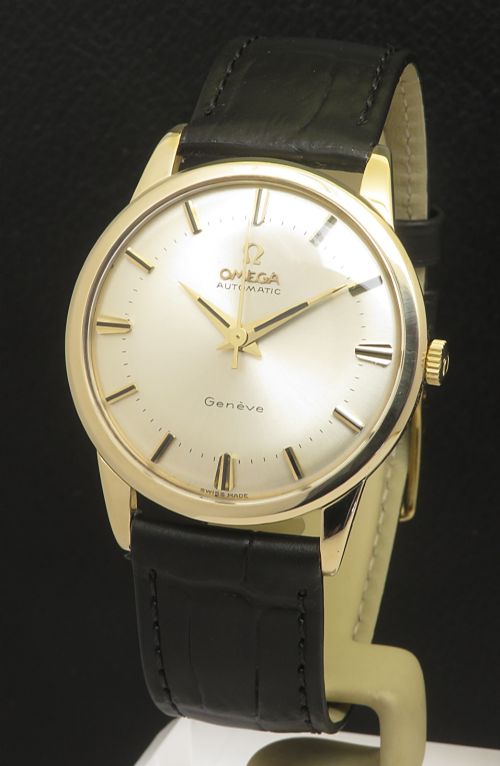
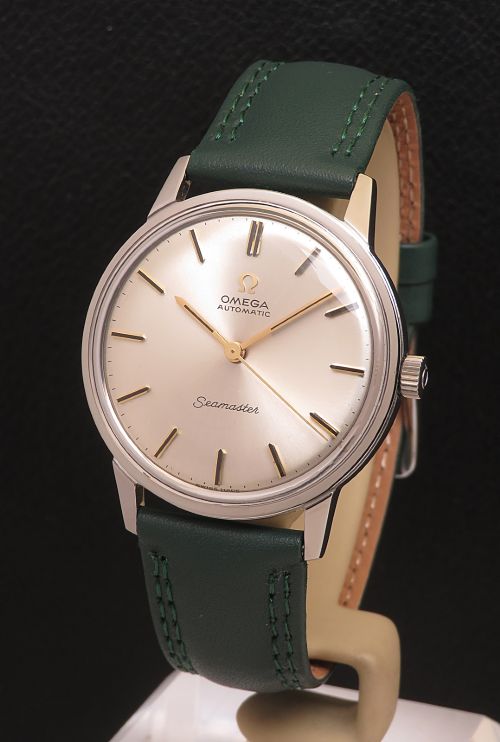
The selection ranges from early twentieth-century silver pieces with shrapnel guards through nineteen-forties mechanical tank models to nineteen-sixties automatic chronometers and calendar watches. Pieces from the nineteen-fifties and nineteen-sixties feature prominently, often driven by Swiss movements housed in stainless steel or gold cases.
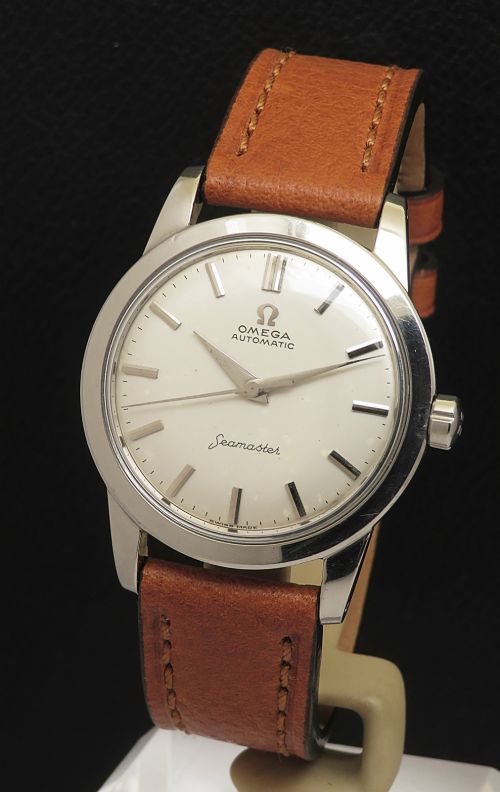
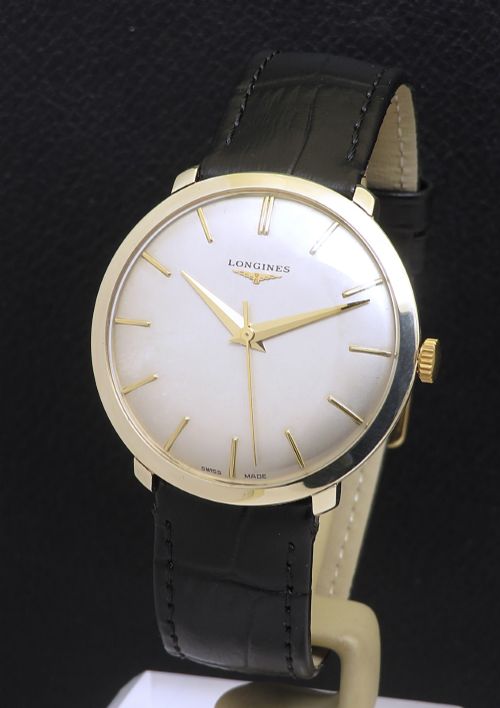
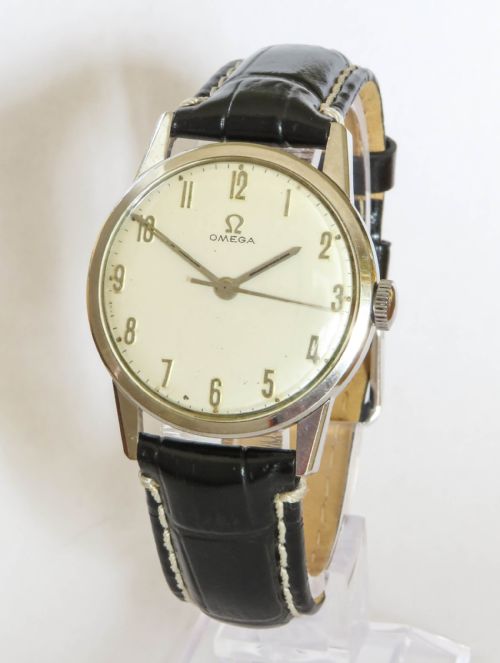
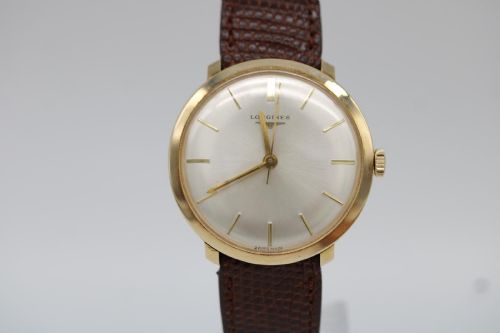
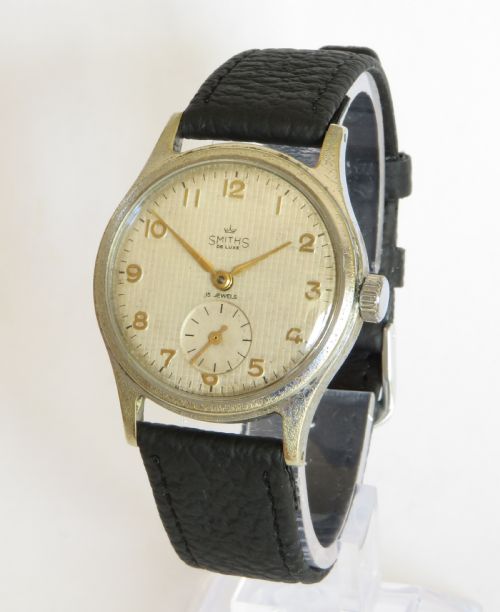
Makers represented in these horological items include Omega, International Watch Company, Longines, Tudor, Smiths, and Hamilton. The combination of period dials, mechanical calibres, and supple or aged leather defines the category.
Materials and construction
Cases combine stainless steel, brass, and precious metals such as nine-carat and eighteen-carat gold, paired with glass or acrylic crystals to protect the dial. Movements rely on manual-wind mechanical or automatic self-winding calibres.
Straps utilise leather materials, while related storage items incorporate crocodile leather and brass hardware. Dials feature metal markers, printed numerals, and sub-dials for chronograph functions.
Early twentieth-century trench models included metal shrapnel guards to protect the glass from battlefield debris.
Determining quality
Quality rests upon the originality of the dial, the condition of the case metal, and the preservation of the mechanical movement. Untouched or fully restored movements by notable makers command attention.
The integration of precious metal cases, such as solid nine-carat gold, separates standard dress pieces from higher-tier chronometers and deluxe editions.
Record·International Watch Company·Omega·Longines·Smiths·Tudor·Hamilton
The Vintage Leather Watch Glossary
- Calibre
- The specific internal mechanism or movement of a watch. Makers stamp numbers on these parts to identify the design.
- Chronometer
- A precision timepiece tested and certified to meet high standards of accuracy over various temperatures and positions. These movements represent advanced horological skill.
- Manual wind
- A mechanical movement requiring the wearer to turn the crown by hand to tension the mainspring. Most pieces before the mid-twentieth century relied on this system.
- Automatic
- A self-winding mechanical movement that uses a weighted rotor to tension the mainspring using the natural motion of the wrist. This technology gained widespread adoption in the nineteen-fifties.
- Trench watch
- A transitional timepiece bridging pocket watches and wristwatches, worn during the First World War. These robust items often feature wire lugs and protective metal guards over the glass.
Vintage Leather Watch: Frequently Asked Questions
How do I wind a manual vintage watch?
Gently rotate the crown clockwise between your thumb and forefinger until you feel gentle resistance. Stop immediately to avoid over-winding and damaging the internal mainspring.
Perform this action at a consistent time each day if you wear the piece regularly. Keep moisture away from the crown during the process.
Are these watches waterproof?
Vintage timepieces generally lack modern waterproof seals, even if marked as water-resistant or waterproof originally. Gaskets and seals degrade over decades.
Avoid submerging or wearing the piece while swimming or showering. Keep the watch away from heavy rain and direct water contact.
How accurate are mechanical vintage watches?
Mechanical pieces from the early to mid-twentieth century gain or lose a small number of seconds each day. This variance is normal for mechanical gear trains.
Regular servicing by a watchmaker helps maintain steady timekeeping. High-grade chronometer movements achieve tighter daily tolerances than standard calibres.
How do I care for a leather watch strap?
Keep the hide away from excess moisture, sweat, and direct sunlight to prevent drying and cracking. Allow the material to breathe when not being worn.
Treat the leather periodically with a neutral conditioner suitable for fine hide. Replace worn straps safely using proper spring bar tools.