




Vintage Leather Document Box
These vintage leather document boxes combine sturdy hides with careful tooling, offering a practical place to store papers with old-world character.
Vintage Leather Document Box
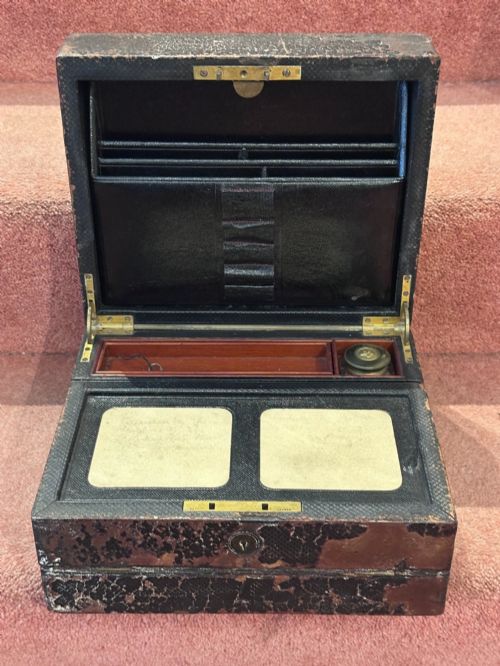
A vintage leather document box is a practical container designed for holding correspondence, papers, and small valuables. These items range from compact clerk's suitcases to larger writing boxes and faux book caskets.
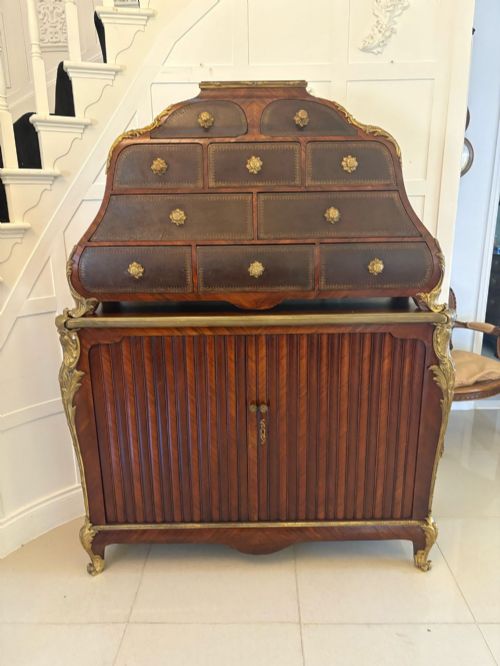
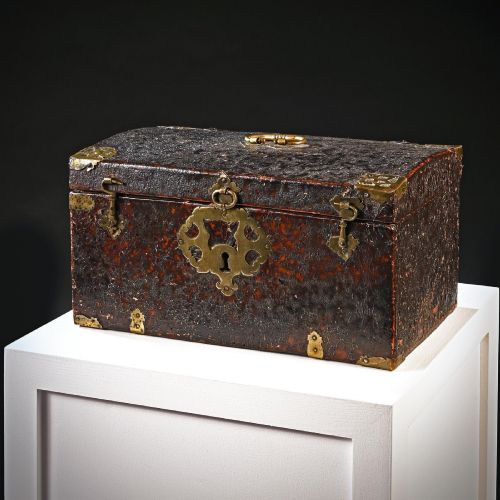
The pieces appearing on this page span several eras, with Victorian items particularly common alongside seventeenth-century and mid-twentieth-century examples. Forms vary from simple rectangular jewellery containers to fitted writing slopes and brass-bound campaign chests.
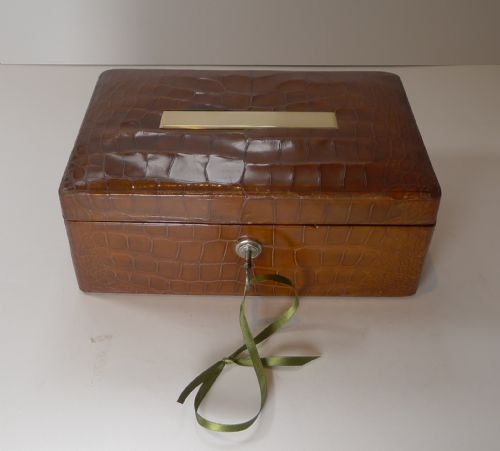
Materials extend beyond standard leather to include exotic skins like crocodile and alligator, pig's skin, and wood or brass frames beneath the hide. Such variety ensures a mix of utilitarian desk accessories and decorative caskets.
How They Were Made
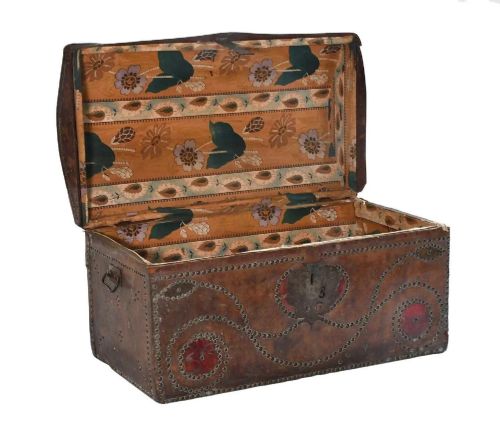
Craftsmen built these boxes using a solid core of wood, such as mahogany, before covering the exterior in leather or exotic skins like crocodile. The hides were often secured with brass tacks or reinforced with metal banding.
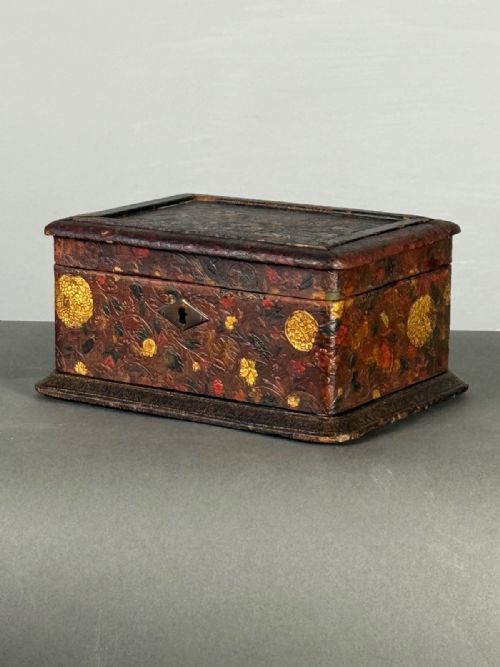
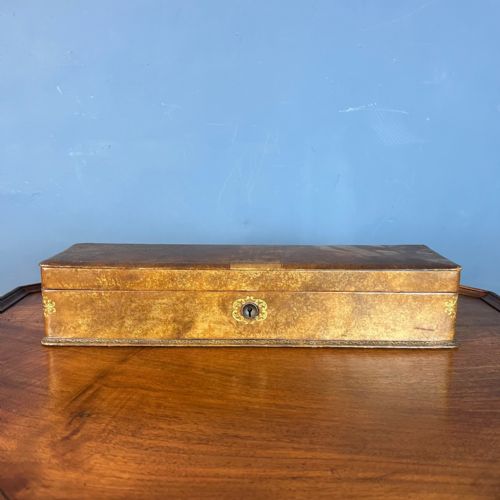
Decoration relied on gold leaf tooling and blind embossing applied directly to the leather surface to create intricate patterns. Pigment and fabric linings frequently completed the interior compartments of writing slopes and correspondence boxes.
The listings span from the seventeenth century through the Victorian era to the mid-twentieth century, employing mahogany, brass, and gold leaf.
What Varies in Quality
The execution of the leatherwork dictates the distinction between standard boxes and exhibition-quality pieces. Crisp, deep gold leaf tooling and well-preserved embossed details elevate the finish significantly.
Internal complexity also separates the items, ranging from simple empty storage spaces to elaborate writing boxes fitted with multiple sections, brass mounts, and secret compartments.
Susse Freres Paris·Houghton & Gunn
The Vintage Leather Document Box Glossary
- Campaign chest
- A sturdy chest or box made in sections with brass corners, designed to be easily transported during military campaigns. These often feature recessed handles and robust locks.
- Writing slope
- A desk accessory featuring an inclined writing surface that typically opens to reveal storage for paper, pens, and inkwells. Many incorporate leather-lined writing pads.
- Faux book
- A decorative box shaped and bound to resemble a leather-bound book or a set of volumes. These were often used on library shelves to conceal documents or valuables.
- Gold leaf
- Extremely thin sheets of beaten gold applied to leather surfaces during the tooling process. It creates lasting decorative highlights that resist tarnishing.
- Embossing
- A technique of pressing a raised design into the surface of the leather using heated metal dies. This adds texture and visual depth to the exterior.
Vintage Leather Document Box: Frequently Asked Questions
What is a document box used for?
These boxes served primarily to store letters, important papers, and personal valuables securely on a desk or during travel. Their fitted interiors often accommodated pens and ink alongside correspondence.
Today, they function as decorative storage on tabletops, keeping modern clutter hidden while adding period character to a room.
How do I care for vintage leather?
Leather requires protection from direct sunlight and excessive dryness to prevent cracking over time. Gentle dusting and occasional specialised conditioning help preserve the hide and any gold leaf tooling.
Avoid using modern chemical cleaners, as these can strip historical pigment and damage fragile embossed surfaces.
Are these boxes suitable for travel?
While historic pieces like campaign chests and attaché cases were built for transit, many delicate Victorian writing boxes are better suited for static display. Their internal compartments and hinges require gentle handling.
Sturdier leather suitcases and brass-bound boxes retain more of their original structural resilience for occasional movement.
How can I tell the age of a leather box?
Dating relies on examining the construction methods, hardware materials, and styling cues such as Victorian tooling or seventeenth-century framing. The type of core wood and the wear pattern on the hide provide further clues.
Maker signatures or stamps, when present, offer a direct link to a specific period or workshop.