





Antique French Filing Drawers
Antique french filing drawers offer practical storage with distinct continental character, from industrial steel units to refined kingwood and ormolu cabinets.
Antique French Filing Drawers
When you search for antique french filing drawers, you encounter practical storage furniture designed to organise papers and documents in studies, offices, and chateaux. These pieces span utility items like post office filing shelves and industrial steel cabinets to elaborate pieces meant for formal rooms.
The most common forms on this page include cartonnier cabinets, banks of drawers, and desk organisers, originating from periods such as the nineteenth century up to the nineteen-twenties. Materials vary widely from utilitarian pine and steel to decorative walnut, mahogany, and kingwood.
Makers ranged from industrial workshops to notable cabinetmakers producing stamped pieces for professional and domestic use. Styles reflect the eras in which they were made, encompassing Charles X, Belle Epoque, and French Industrial designs.
How they were made
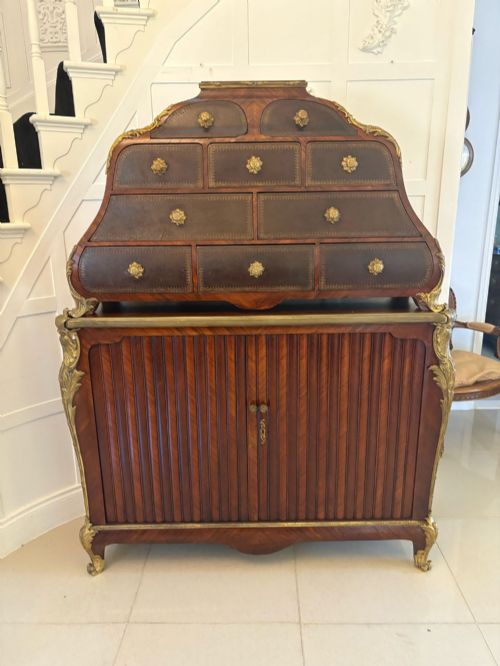
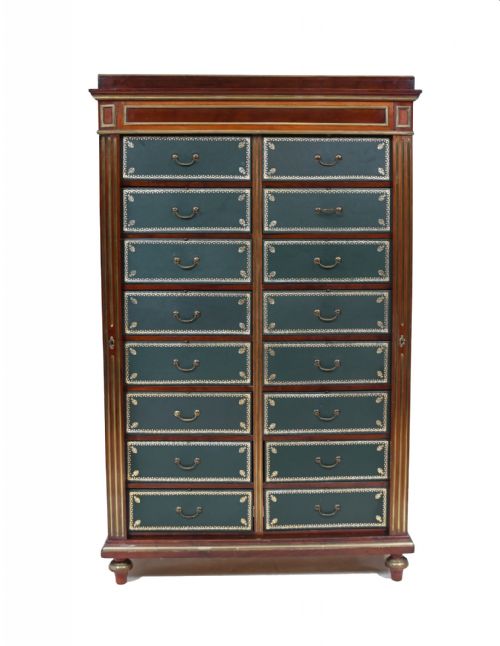
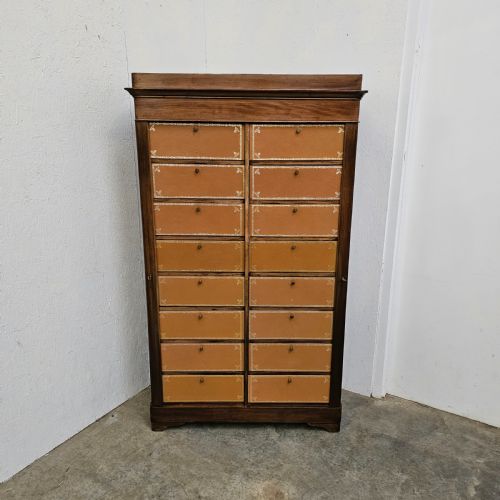
Cabinetmakers utilised hardwoods such as walnut, mahogany, and kingwood for formal pieces, often mounting them with ormolu and incorporating leather details on pull-out surfaces or compartments. These materials required skilled joinery to build tall chests, banks of drawers, and cartonnier cabinets capable of holding heavy paper records.
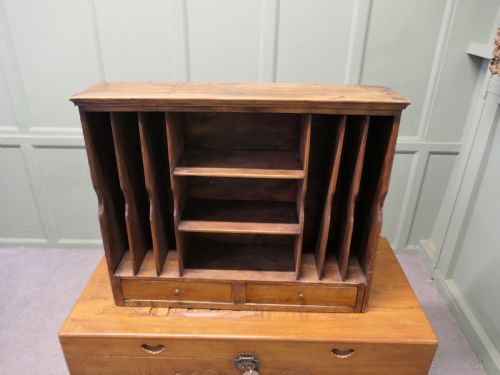
Industrial examples relied on steel and pine for durability in working environments like post offices and factories. Carpenters and metalworkers combined these robust materials with straightforward mechanical assembly to create functional filing solutions.
Antique French Filing Drawers Retail Price Guide 2026
Typical asking prices for french filing drawers among the pieces listed under this phrase on Sellingantiques today, from the lower quarter to the upper quarter. They describe what is for sale here now, not the wider market.
Listings feature materials ranging from steel and pine to luxury veneers like kingwood and mahogany, spanning the eighteenth to twentieth centuries.
What varies in quality
Quality in these pieces is dictated by the selection of timbers and the sophistication of the mounts, such as the use of finely chased ormolu on kingwood cartonnier cabinets. The refinement of the hardware, including brass pulls and fitted leather elements, separates standard utility furniture from high-status decorative objects.
Construction methods also mark the difference between standard workshop production and stamped pieces by notable makers like Victor Raulin. Finer cabinets exhibit precise joinery, balanced proportions, and decorative veneers that survive intact across centuries.
Victor Raulin
The Antique French Filing Drawers Glossary
- Cartonnier
- A piece of furniture designed to hold papers, documents, or cartons, often taking the form of a tall cabinet with numerous pigeonholes or shallow drawers. These were frequently fitted with leather-bound document boxes.
- Ormolu
- Gilded bronze mounts applied to furniture for decorative effect, common on fine nineteenth-century French pieces. It provides a bright metallic contrast against dark hardwoods like mahogany and kingwood.
- Kingwood
- A dense, richly figured timber native to Brazil, prized by French cabinetmakers for its decorative grain patterns. It is frequently seen on formal nineteenth-century and Charles X furniture.
- Belle Epoque
- A period of French history lasting from the late nineteenth century to the start of the First World War, noted for ornate and optimistic cultural expression. Objects from this era often combine decorative flair with practical utility.
Antique French Filing Drawers: Frequently Asked Questions
What is a cartonnier cabinet?
A cartonnier is a specialised piece of furniture designed for organising papers, documents, and correspondence in an office or library setting. They often feature multiple vertical compartments or shallow drawers fitted with leather.
Historically, these cabinets sat on desks or stood independently to keep important state or personal papers sorted and accessible. Today, they function well in home offices for modern document storage.
How do industrial units differ from chateau pieces?
Industrial filing units utilise robust materials like steel and pine, prioritizing durability and function for environments such as post offices and factories. They offer a utilitarian aesthetic suited to modern workspaces.
In contrast, chateau pieces employ luxury materials like kingwood, mahogany, and ormolu mounts. These decorative cabinets were built to complement formal domestic interiors rather than heavy-duty commercial offices.
Where were these pieces used originally?
These filing drawers and cabinets served in administrative environments, provincial post offices, and private studies across France. Wealthy households and professionals relied on them to manage letters, ledgers, and documents.
Over time, many transitioned from working offices into residential settings as decorative and practical storage items. Their enduring utility makes them adaptable for contemporary homes.
How can I date a piece?
Dating relies on identifying the prevailing style, construction materials, and recorded periods associated with the item, such as Charles X or Belle Epoque. Stylistic cues and hardware types provide the primary evidence for the era of manufacture.
Makers' stamps or specific timber choices, like kingwood or industrial steel, further narrow the timeframe. Examining the construction techniques reveals whether a piece originates from the eighteenth, nineteenth, or early twentieth century.