
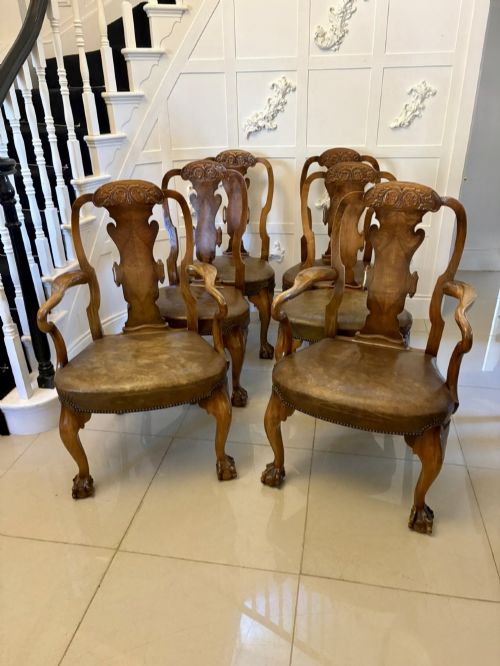
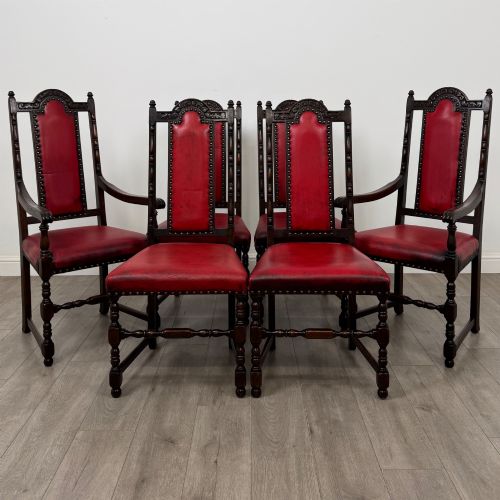
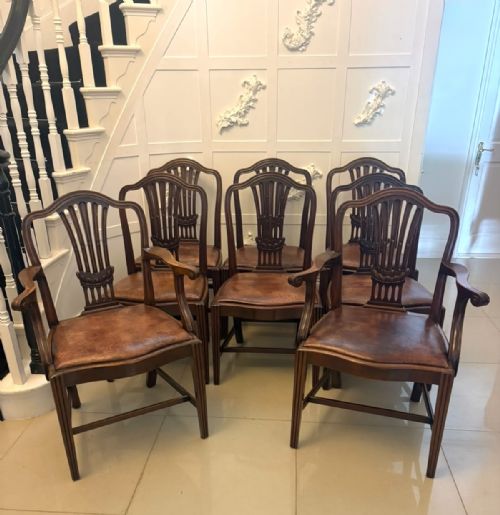
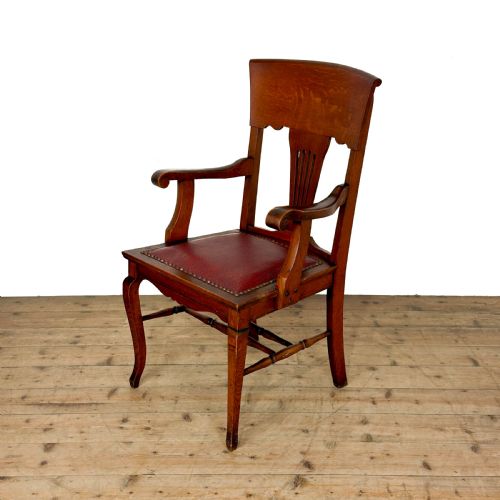


Vintage Leather Dining Seats
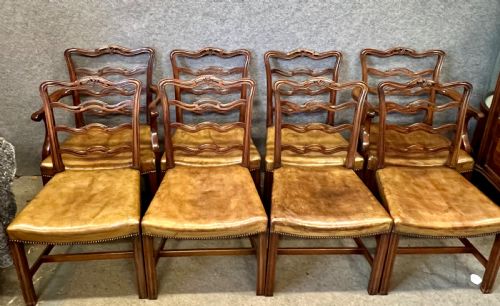
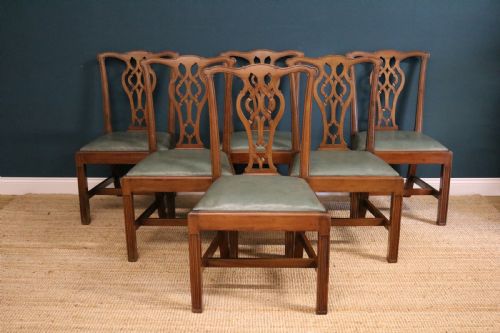
These vintage leather dining seats bring together solid timber frames and aged hides, offering character and enduring comfort for a dining room.
Vintage Leather Dining Seats
When you search for vintage leather dining seats, you encounter a wide selection of dining chairs, carvers, and side chairs framed in various woods. These pieces appear in sets ranging from pairs up to ten or twelve, alongside occasional banquette sofas and desk chairs.
The materials and styles span from the nineteenth century through the Edwardian era and into the Art Deco period, incorporating revivals such as Chippendale, Hepplewhite, and Jacobean alongside French designs.
Materials and Technique
Makers built the frames primarily from timbers such as mahogany, oak, walnut, and burr walnut, often employing carved details or shield backs depending on the revival style of the period. Upholstery work utilised durable leather seats, sometimes accented with brass studding, black or red leather, or velvet trim.
Structural integrity relied on traditional joinery within woods like timber and oak, paired with firm hide upholstery designed to withstand daily use around a dining table.
Some chairs arrive with brass studs holding the leather firm, ready for decades more of dinner table debate.
Judging Quality
Quality rests in the harmony between the timber frame and the leather upholstery, where substantial woods like burr walnut or carved mahogany elevate the piece. The depth of carving, the weight of the oak or mahogany, and the crisp execution of revival styles dictate the standing of a set.
Condition of the leather and the integrity of the wooden joints separate standard examples from finer works produced by recognised cabinet makers and workshops.
Harry and Lou Epstein·Hille·Shoolbred
The Vintage Leather Dining Seats Glossary
- Carver
- An armchair designed with elbows, traditionally placed at the head of a dining table. These match a set of smaller side chairs.
- Shield Back
- A chair back shaped like a heraldic shield, popularized during the eighteenth century and revisited in later revival pieces. This design frequently incorporates carved splats.
- Banquette
- An upholstered bench or sofa designed for seating multiple people along a wall or within a dining arrangement. These often feature decorative wooden frames or velvet trim.
- Sabre Leg
- A chair leg that curves outward in a concave sweep reminiscent of a sabre. This form appears on nineteenth-century dining seats.
Vintage Leather Dining Seats: Frequently Asked Questions
How do I clean vintage leather seats?
Wipe the leather gently with a soft, damp cloth to remove dust and surface dirt. Avoid harsh chemical cleaners that strip the natural oils from the hide.
Condition the leather periodically with an appropriate balm to maintain suppleness and prevent cracking over time. Test any product on a hidden underside area first.
Are these seats comfortable for long dinners?
Many of these pieces feature padded leather upholstery designed for dining use. Armchairs and carvers offer additional elbow support for extended seating.
Support levels vary depending on the internal stuffing and suspension methods used during the original manufacture or subsequent reupholstery.
How do I match chairs to a table?
Consider the primary wood type, such as mahogany, oak, or walnut, and match the underlying tone of your dining table. Revival styles like Chippendale or Regency share proportional design rules that help different pieces look cohesive together.
Pay attention to seat height and arm clearance to ensure the chairs slide comfortably beneath the table apron.
How do I tell Edwardian chairs from Victorian ones?
Victorian dining seats often showcase heavier carved walnut or mahogany frames with deep, ornate details. They reflect mid to late nineteenth-century revival tastes.
Edwardian pieces tend to display lighter oak or mahogany construction, often adhering to simpler revival lines or early twentieth-century interpretations.