

Vintage Landscape
A vintage landscape captures a painted view of countryside, coast or street, bringing historical atmosphere and colour into a room.
Vintage Landscape
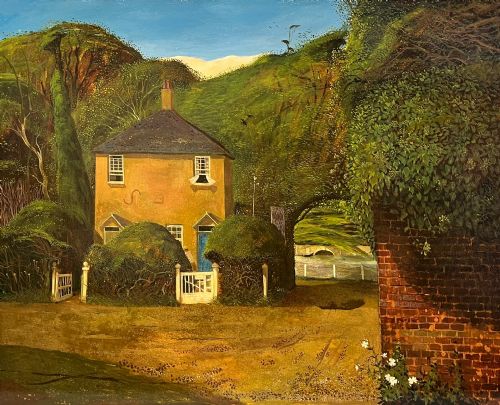
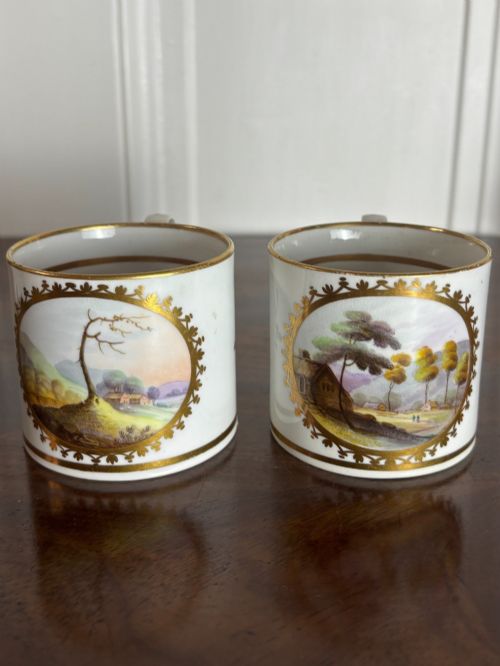
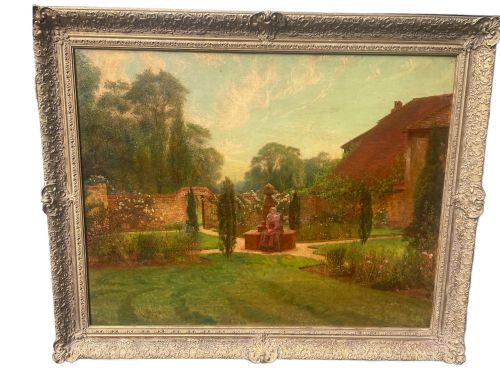
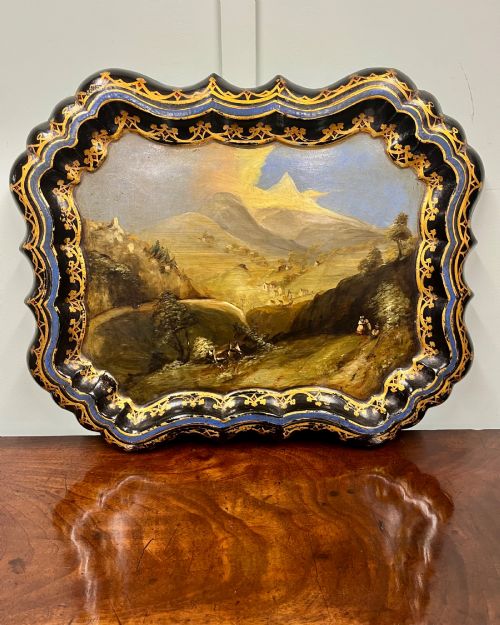
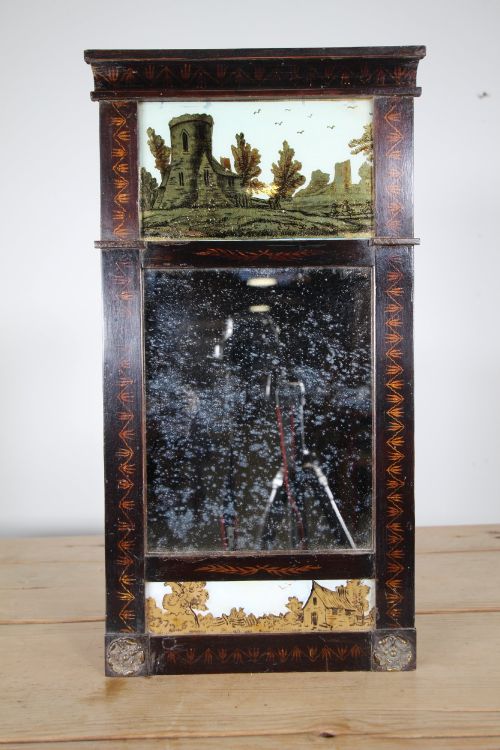
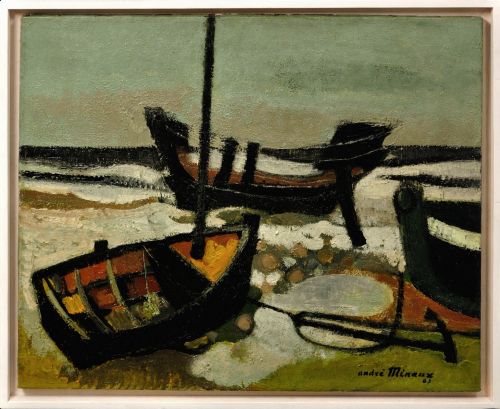
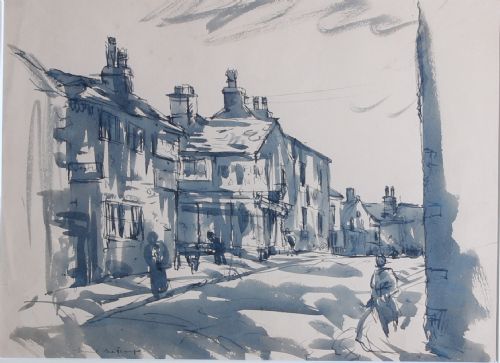
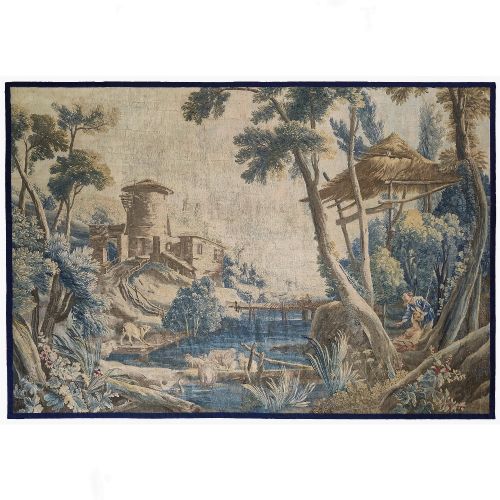
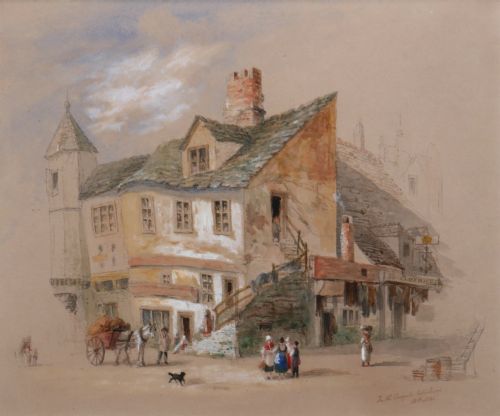
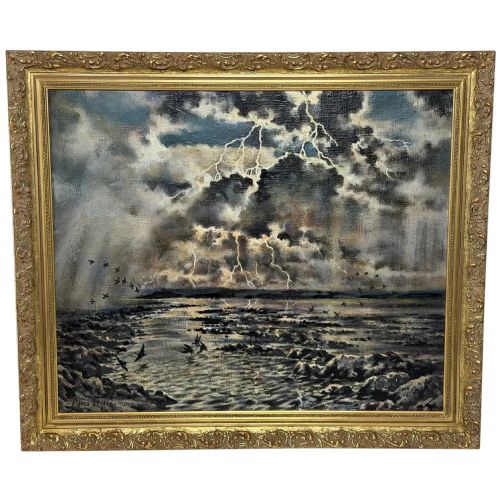
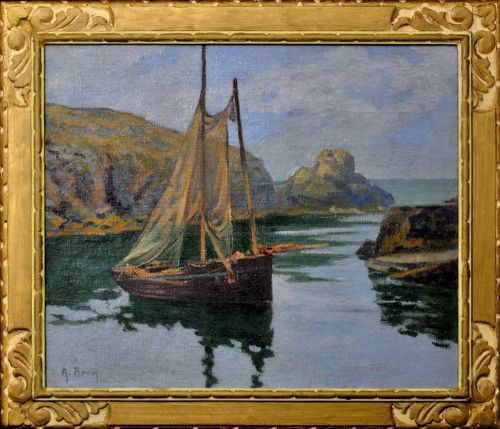
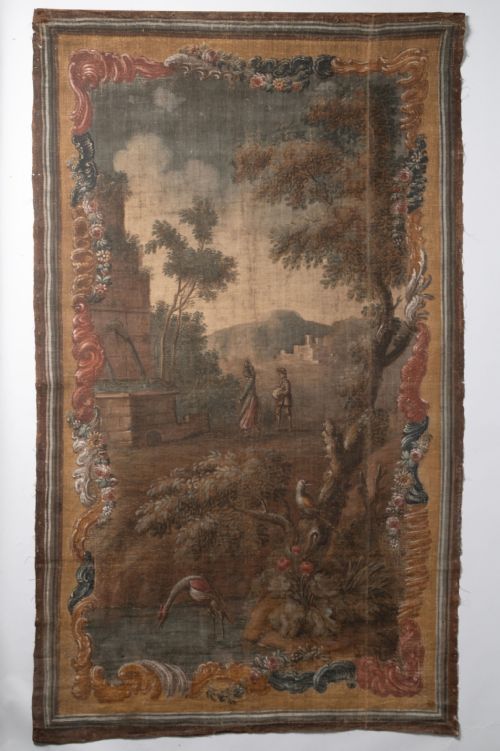
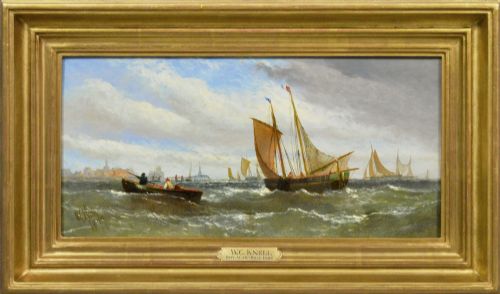
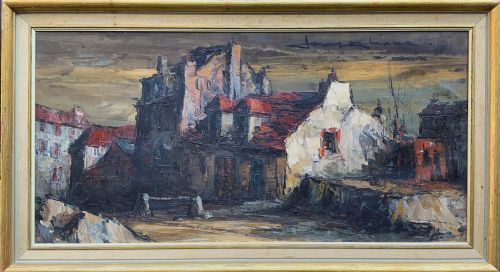
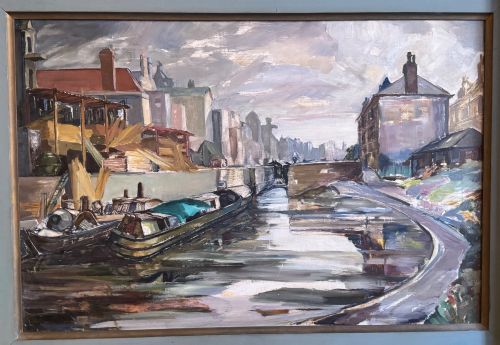
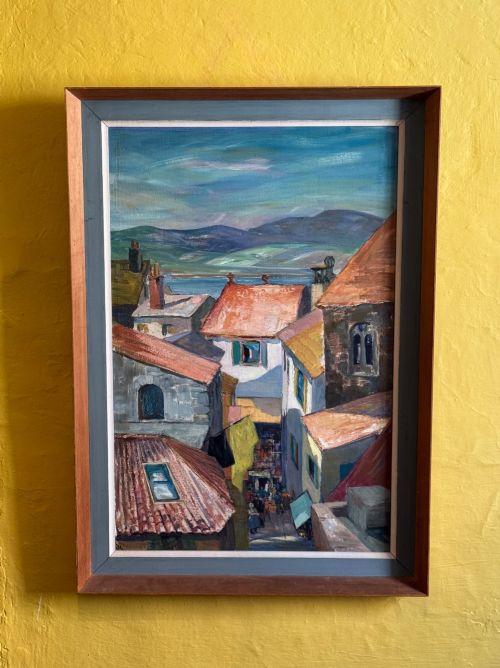
A vintage landscape brings historical depictions of rural scenes, marine views, and country cottages into a room. These works span centuries, with examples originating from the eighteenth, nineteenth, and twentieth centuries.
The most common formats on this page are oil paintings on canvas and pastel drawings on paper. Subjects range from tranquil pastoral scenes with cattle to bustling coastal harbours and winter ice skaters.
Works often reflect distinct regional traditions such as the Dutch School or British Impressionism. Buyers select these framed artworks to introduce traditional character and atmosphere to interior spaces.
Materials and construction
Artists painted primarily using oil on canvas or applied pastel and gouache onto paper. Wooden supports and gilt frames complete many of the surviving pieces.
Watercolour paint on paper provides lighter coastal and rural depictions, frequently protected behind glass. Heavier oil paint builds texture and depth on canvas surfaces.
Vintage Landscape Retail Price Guide 2026
Typical asking prices for vintage landscape among the pieces listed under this phrase on Sellingantiques today, from the lower quarter to the upper quarter. They describe what is for sale here now, not the wider market.
Several artists recorded cows, sheep, ducks, and horses sharing the same pastoral fields as nineteenth-century travellers.
Evaluating quality and execution
Skill in handling perspective, light, and atmospheric depth distinguishes finer works from simpler compositions. The confidence of brushstrokes in oil paintings or pastel marks on paper reveals the draughtsmanship of the artist.
Original frames in giltwood or wood add physical integrity and historical context to a painting. The preservation of the canvas and paper surface without excessive restoration maintains the integrity of the piece.
Pieter Cornelis Steenhouwer·Angus Rands·William Shayer·Philip Naviasky·Herbert Royle·George F Bird·Sir David Murray·William Langley·Thomas Rowden·Sushila Singh·Francesco Guardi·Walter Robin Jennings·Willem J Palman·Hugh Barry Scott·William Manners·Karel Dujardin·Barent Gael·Philip H Rideout·Donald McIntyre·Edmund Bristow
The Vintage Landscape Glossary
- Oil on canvas
- A painting medium where pigment suspended in oil is applied to stretched woven fabric. This technique allows for rich colour blending and textured brushwork.
- Pastel and gouache
- Media involving dry pigment sticks or opaque water-based paint applied to paper. These works require framing under glass to protect the delicate surface.
- Dutch School
- A collective term for painters working in the Netherlands, known for realistic depictions of landscapes, seas and winter scenes. Artists often focused on natural light and atmospheric skies.
- Giltwood
- Wood carved and coated with a thin layer of gold leaf. This material frequently frames antique mirrors and traditional oil paintings.
- Watercolour
- A painting method where water-soluble pigments are applied to paper. The technique creates transparent washes of colour, commonly used for marine and rural views.
Vintage Landscape: Frequently Asked Questions
What is a vintage landscape?
A vintage landscape is a painted or drawn depiction of natural scenery created in past centuries. These works record rural fields, marine views, and village life from earlier eras.
They offer a window into historical environments and artistic styles. Collectors acquire them for their decorative presence and historical record.
How should I hang an oil painting?
Oil paintings on canvas should hang on interior walls away from direct sunlight and damp conditions. Proper picture wire and wall fixings support the weight of the wooden frame.
Maintaining a stable room temperature prevents the canvas and wooden stretcher from warping. Secure placement ensures the artwork remains safe over time.
How do I care for pastel drawings?
Pastel drawings on paper require glazing with glass to protect the loose pigment from physical contact and dust. Framing needs to keep the paper from touching the glass surface directly.
Placing these works out of direct sunlight prevents the delicate colours from fading. Gentle handling preserves the original pastel marks.
What is the difference between oil and watercolour?
Oil paint utilises a slow-drying oil medium on canvas, allowing for thick textures and rich colour manipulation. Watercolour uses water-soluble pigments on paper to create transparent, luminous washes.
Oils generally require sturdy frames without glass protection, while watercolours need glass covers. Each medium offers distinct visual qualities and demands different preservation methods.