

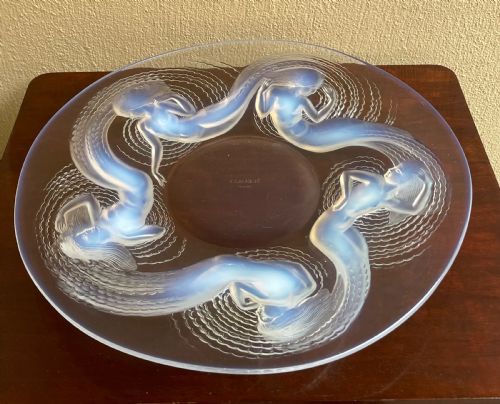


Vintage Lalique Glass Plate
A vintage lalique glass plate brings exquisite French artistry to a table, combining tactile opalescence with striking Art Deco design.
Vintage Lalique Glass Plate
When you search for a vintage lalique glass plate, you encounter decorative plates, chargers, shallow bowls, and coupes originating from the early twentieth century. The selection on this page consists entirely of pieces designed by René Lalique, spanning the Art Nouveau and Art Deco periods.
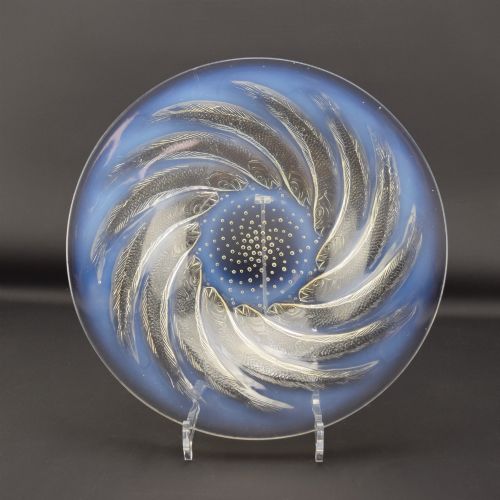
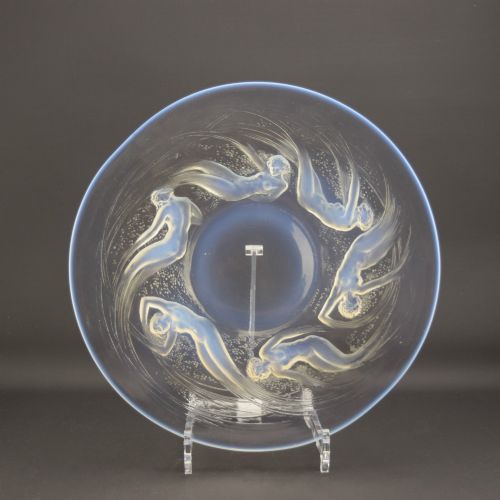
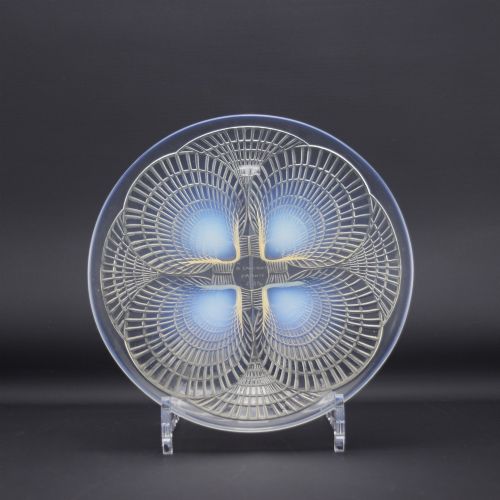
Most examples you meet here utilise opalescent glass that catches and turns ambient light into shifting tones of blue and amber. Alongside plates, the forms include wide bowls and salvers decorated with animal, floral, and figural motifs such as fish, shells, and dancers.
How they were made
These items are shaped from moulded or pressed glass, utilising techniques that allow intricate low-relief designs to emerge across the surface. Makers manipulated the cooling process to produce distinct visual textures.
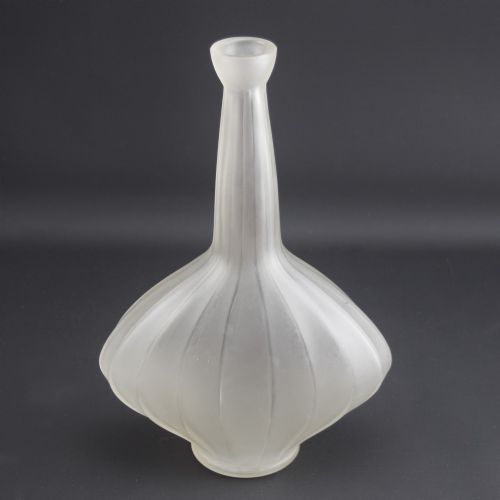
Frosted glass and opalescent glass dominate the pieces, often enhanced with a sepia stain to sink into the recessed details and define the motifs. The contrast between clear polished areas and milky, translucent bodies defines the production.
Several plates feature swimming fish that seem to glide across the glass whenever the room's lighting shifts.
What varies in quality
The distinction between tiers of these plates rests on the crispness of the moulded relief and the strength of the opalescent effect. Stronger optical shifts in the glass indicate a more successful firing.
Surface finish also determines distinction, particularly the precision applied to the sepia staining and the polish on high-relief edges. Pieces that retain their full visual depth without distraction show superior workshop execution.
Rene Lalique
The Vintage Lalique Glass Plate Glossary
- Opalescent Glass
- Glass that appears milky bluish-white when viewed with light passing through it, and amber or yellow when lit from the front. This optical effect results from the addition of specific chemicals to the molten batch.
- Frosted Glass
- Glass with a textured, matte surface created by acid-etching or sandblasting. It provides a soft contrast to the polished highlights on relief decoration.
- Sepia Stain
- A dark brownish pigment applied to the recessed parts of a glass piece and wiped away from the high points. This technique highlights the carved or moulded design.
- Charger
- A large decorative plate used as a base or displayed on its own. In this collection, these pieces serve primarily as centrepieces.
Vintage Lalique Glass Plate: Frequently Asked Questions
How do I clean a vintage lalique glass plate?
Wash the glass gently in warm water using a mild, unperfumed detergent. Avoid abrasive sponges or harsh chemicals that can harm the surface.
Dry the piece immediately with a soft, lint-free cloth to prevent water spots from forming on the textured areas.
Can I use these plates for food?
These historical items are intended primarily for display and decorative collection rather than heavy daily dining. Using them for serving runs the risk of surface scratching.
Keep them safely on flat surfaces, plate stands, or within display cabinets to preserve their condition.
What periods do these glass plates cover?
The pieces span the early decades of the twentieth century, specifically covering the Art Nouveau and Art Deco eras. Designs date from the nineteen-teens through the nineteen-thirties.
Stylistic shifts move from flowing natural forms like fish and leaves toward more geometric and stylised figures.
How do I identify a genuine piece?
Look closely at the depth of the moulded relief and the quality of the opalescent finish. Genuine examples show crisp detailing in the motifs.
Examine the underside or rim for signatures or marks associated with the maker, keeping in mind that styles evolved across different decades.