


Vintage Lacquered Furniture
Vintage lacquered furniture brings striking painted surfaces and rich depth into a room through tables, cabinets, and seating.
Vintage Lacquered Furniture
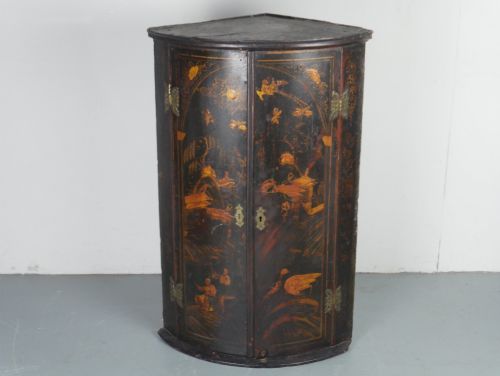
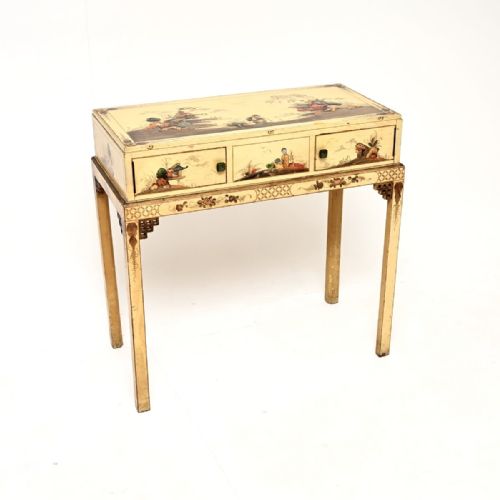
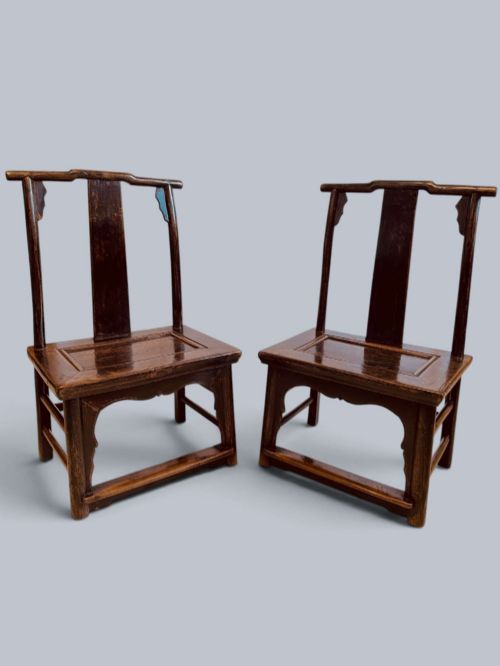
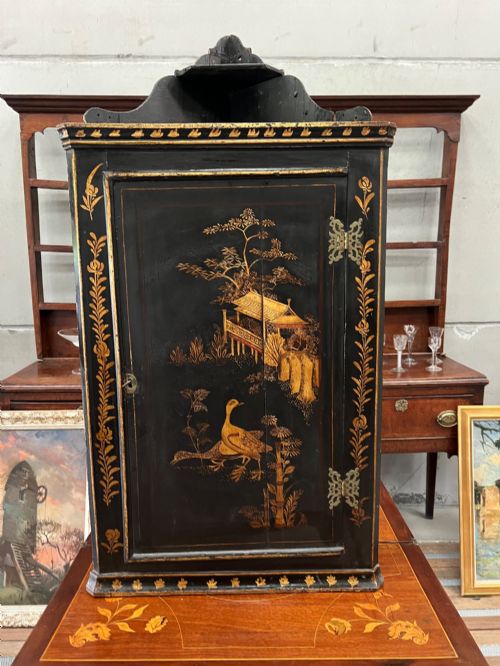
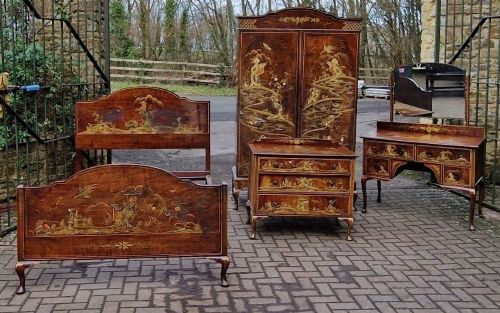
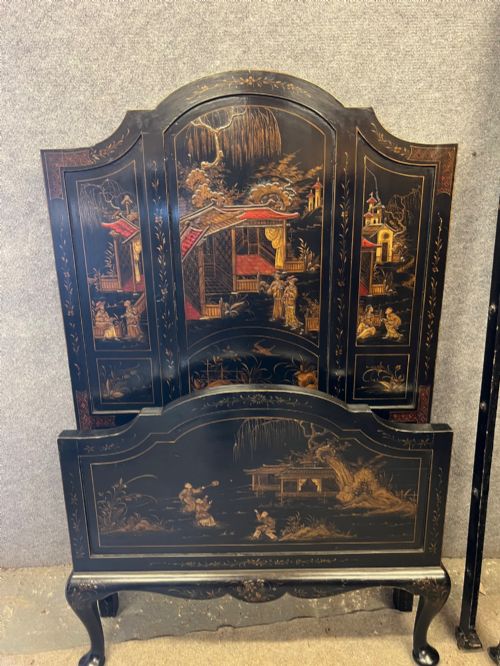
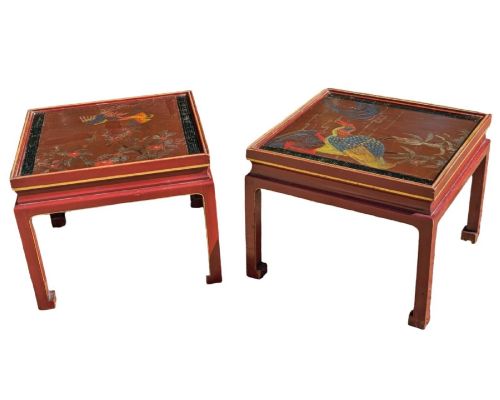
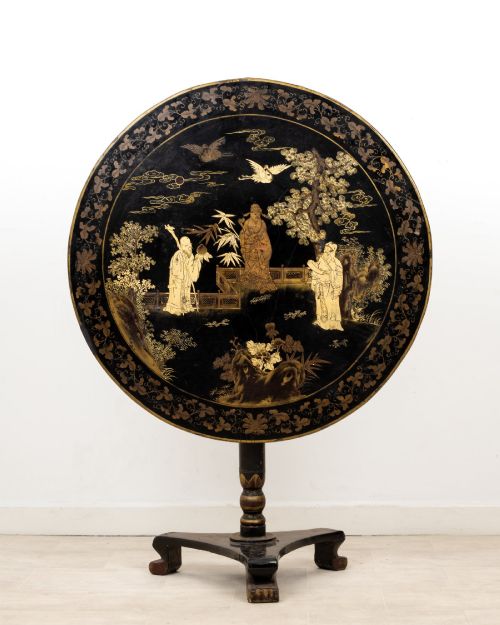
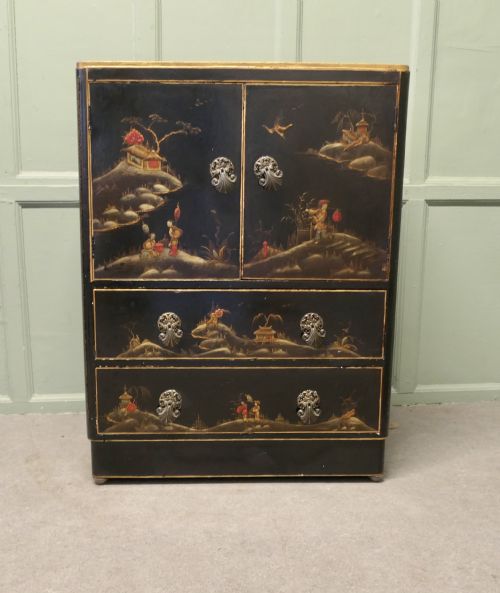
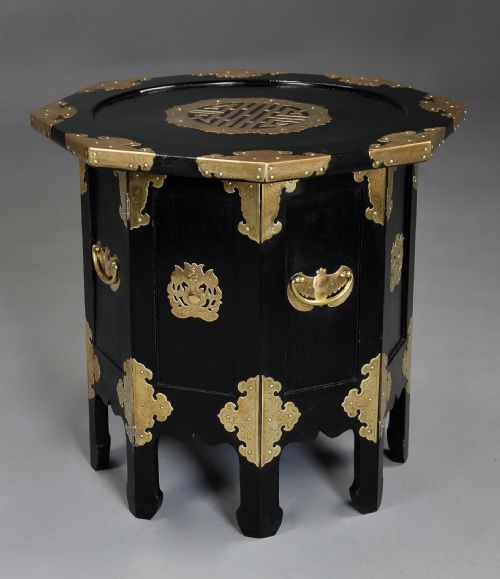
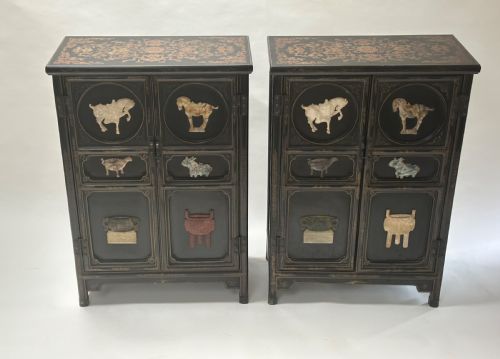
Vintage lacquered furniture encompasses a diverse selection of decorative items designed for practical use and visual impact within domestic spaces. Buyers searching this phrase encounter items ranging from traditional Chinese low tables and apothecary cabinets to English Chinoiserie sideboards and Art Deco cocktail bars. The selection spans the nineteenth century through the early twentieth century, incorporating periods such as Victorian, Edwardian, and the 1930s.
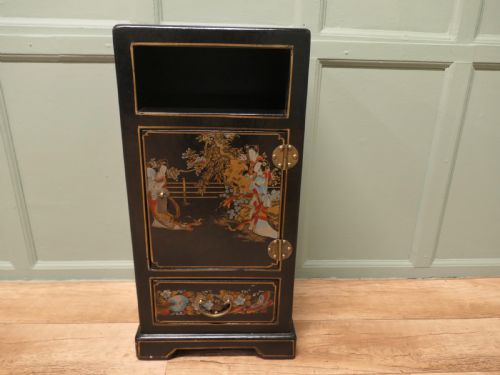
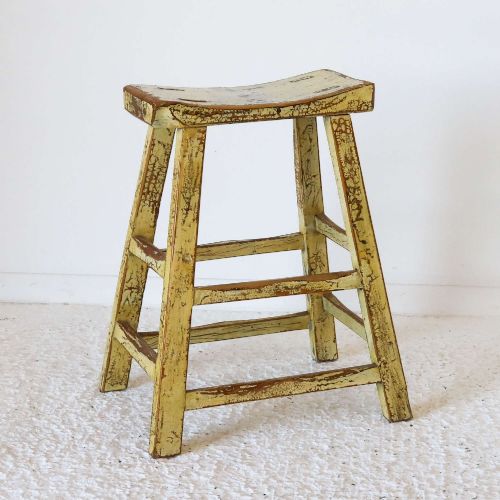
The material forms appearing most frequently include side cabinets, coffee tables, occasional tables, armchairs, and chests. Many examples reflect specific stylistic traditions, notably Chinoiserie, Japanese tansu work, and European japanning. These objects serve as functional storage pieces or focal points in a room, bringing distinct colour and ornamental detail to an interior.
How they were made
The construction of these pieces relies on solid wood foundations such as elm, walnut, maple, and bamboo, frequently finished with layers of lacquer or paint. Artisans applied successive coats of resin or varnish, often sanded smooth to create a deep, lustrous ground for painted or gilded decoration. Traditional Asian pieces utilise timber frames built with intricate joinery, while European interpretations often employ japanning techniques to simulate Eastern lacquer.
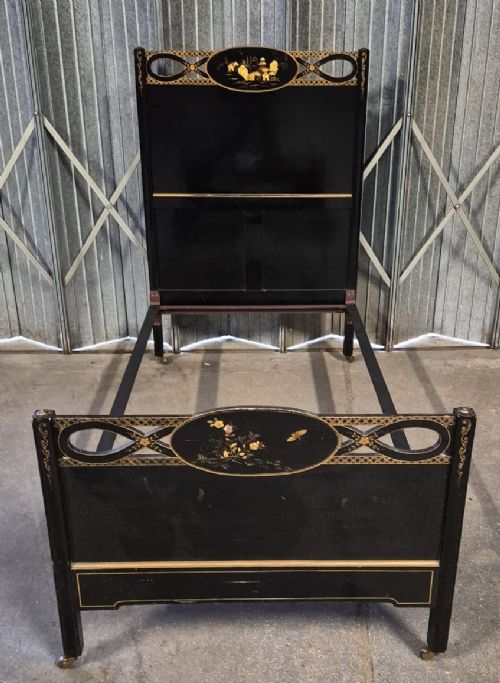
Surface ornamentation frequently incorporates hand-painted motifs, gold leaf, brass hardware, and inlay work such as cloisonne. The application of gilt and colour creates contrast against black, red, or cream ebonised wood backgrounds. Structural elements such as cane seating panels or marble tops appear alongside the primary wood and lacquer work in specific European and British designs.
Vintage Lacquered Furniture Retail Price Guide 2026
Typical asking prices for vintage lacquered furniture among the pieces listed under this phrase on Sellingantiques today, from the lower quarter to the upper quarter. They describe what is for sale here now, not the wider market.
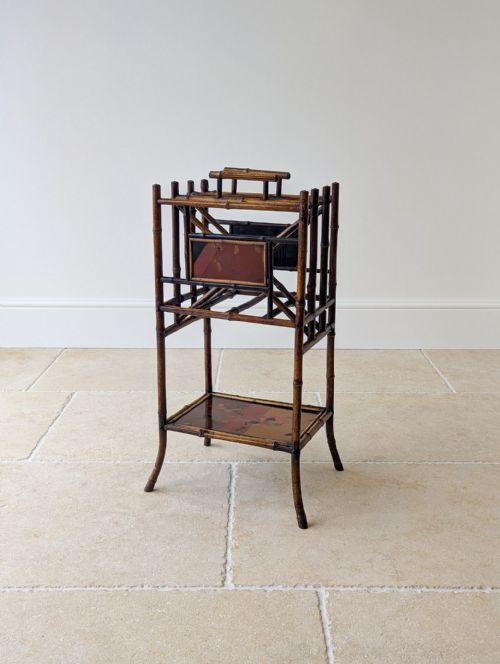
Among the seating options, a bamboo Canterbury from the 1890s offers a delightfully idiosyncratic spot for newspapers.
What varies in quality
The distinction between standard and superior pieces rests largely on the depth of the finish and the finesse of the hand-painted decoration. Finer examples display meticulous brushwork in the depiction of figures, birds, and botanical scenes, showing clear definition and secure adhesion to the wood substrate. Lower tiers often present simplified stencilling or flat, uniform surfaces lacking the subtle layering characteristic of traditional lacquer.
Structural integrity and the survival of original finishes also determine the standing of an item. Pieces retaining their uncompromised initial surface patina hold greater coherence than those with heavy later overpainting or significant timber replacement. The sophistication of auxiliary materials, such as chased brass mounts or genuine gold leaf rather than metallic paint, further separates workshop standards.
H and L Epstein·Maison Krieger
The Vintage Lacquered Furniture Glossary
- Chinoiserie
- The European imitation and interpretation of Chinese and East Asian artistic traditions, popular in furniture decoration and interior design.
- Japanning
- A European form of finishing that imitates Japanese and Chinese lacquerware, typically using heat-dried varnish layers on wood.
- Tansu
- Traditional Japanese mobile cabinetry and chests built for storage, featuring practical metal fittings and durable timber construction.
- Gilt
- Application of gold leaf or gold paint to surfaces to provide decorative metallic highlights and contrast against dark lacquer.
- Canterbury
- A small wooden stand fitted with partitions, originally designed to hold sheet music or books within reach of a seat.
Vintage Lacquered Furniture: Frequently Asked Questions
How do I care for lacquer?
Lacquer surfaces require gentle maintenance using a soft, dry cloth to remove dust without abrasive cleaners. Keeping pieces away from direct sunlight and extreme humidity protects the finish from fading or cracking.
Applying mild furniture wax is sometimes suitable for older European japanned surfaces, but Asian lacquer requires specialised preservation depending on its resin base.
Are these items antique?
Many items listed under this category date from the nineteenth and early twentieth centuries, encompassing Victorian, Edwardian, and Art Deco eras. The selection includes pieces manufactured across distinct decades up through the 1930s.
Each item's period is determined by its construction methods, materials, and stylistic characteristics recorded in historical design traditions.
Where were these pieces used?
These items were built for domestic living spaces, ranging from formal drawing rooms and sitting rooms to bedrooms and studies. Tables, cabinets, and chests served both decorative display and everyday storage functions.
Their versatile forms allowed them to function as focal points or complementary accents within diverse interior decorating schemes.