






Vintage Kitchen Wall Painting
These vintage kitchen wall painting works bring character to a room, offering domestic scenes and still lifes built for daily display.
Vintage Kitchen Wall Painting
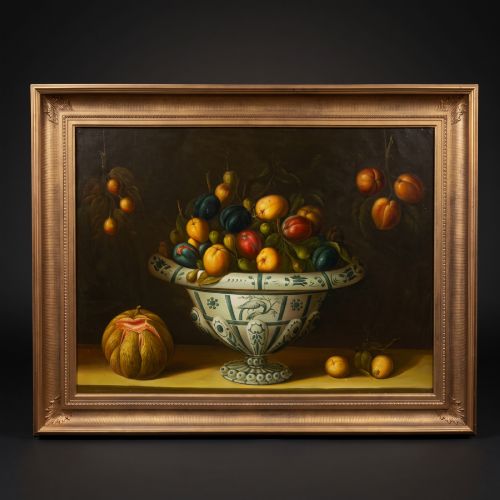
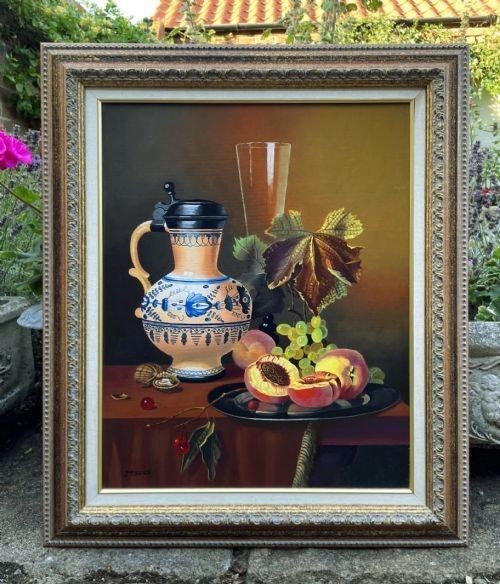
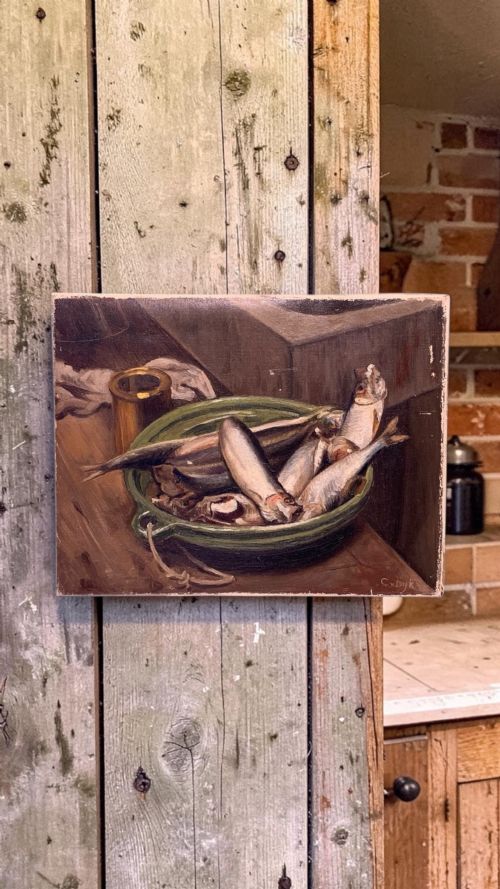
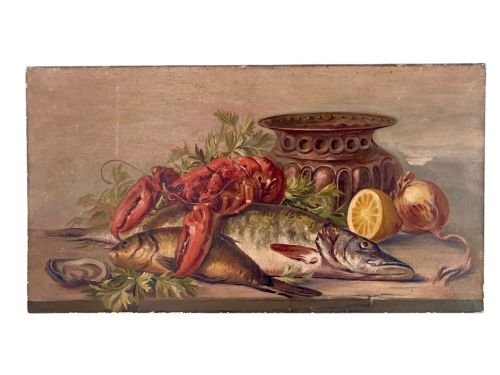
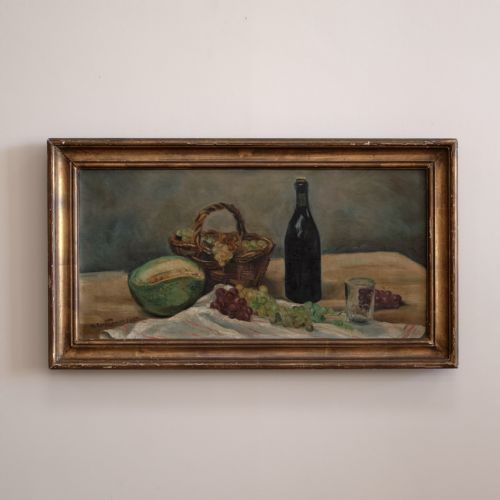
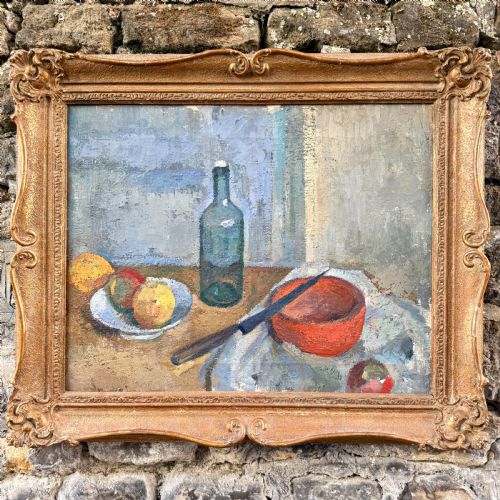
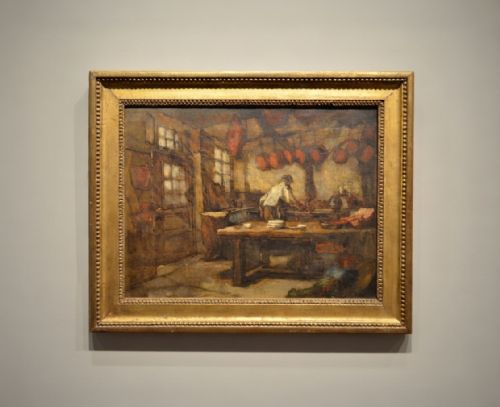
A vintage kitchen wall painting captures domestic interiors, culinary subjects, and still life arrangements of fruit, fish, and vessels across the nineteenth and twentieth centuries. When searching for this phrase, buyers encounter varied works executed in styles ranging from Academic Realism and Post-Impressionism to Dutch Master and Rustic Farmhouse traditions.
Mid-century European still life studies and early twentieth-century canvases dominate the visual mix, often depicting simple foodstuffs, earthenware jugs, and tabletop settings. These pieces offer an immediate sense of warmth and historical depth suitable for traditional and eclectic interiors alike.
Materials and technique
Painters relied principally on oil paint applied to stretched canvas or solid wood panels, sometimes incorporating gilt frames to finish the piece. Pigments were worked with brushes and palette knives to build texture, particularly in renderings of fruit, textiles, and ceramic vessels.
Supporting wall pieces utilise painted wood, employing traditional pigments and finishes such as Little Greene Pompeian Ash on salt boxes and display shelves. These functional items combine carpentry joinery with decorative paint layers designed to withstand kitchen environments.
Vintage Kitchen Wall Painting Retail Price Guide 2026
Typical asking prices for vintage kitchen wall painting among the pieces listed under this phrase on Sellingantiques today, from the lower quarter to the upper quarter. They describe what is for sale here now, not the wider market.
Materials recorded across the inventory include canvas, oil paint, gilt wood, and painted wood finished in specific historic paint colours.
Assessing quality
Quality rests upon the confidence of the brushwork and the clarity of the composition, distinguishing skilled academic or mid-century studies from simpler decorative works. Mastery of light on surfaces like pewter jugs, fish scales, and fruit skins dictates the visual impact of a canvas.
The construction of the frame and the preservation of the original paint surface on both canvases and wooden wall racks play a major part in the overall integrity of the piece. Works retaining their period frames and stable paint layers demonstrate superior survival through decades of domestic use.
Edward Carter Preston·Thomas Couture·Gustav Goemans·Pauline Delacroix Garnier
The Vintage Kitchen Wall Painting Glossary
- Oil on Canvas
- A painting medium where pigments suspended in drying oils are applied to a woven fabric support stretched across a wooden frame. This combination allows for rich colour blending and textured impasto.
- Wood Panel
- A rigid wooden support used by artists instead of canvas, often providing a smooth ground for detailed brushwork in nineteenth-century and earlier compositions.
- Still Life
- An artwork depicting inanimate subject matter, typically commonplace objects such as fruit, game, or vessels arranged on a tabletop.
- Gilt Wood
- Wood treated with a thin layer of gold leaf or metallic powder, commonly used to finish decorative picture frames and architectural mouldings.
- Post-Impressionism
- An art movement extending French Impressionism while rejecting its limitations, focusing on more symbolic content and heavier brush application.
Vintage Kitchen Wall Painting: Frequently Asked Questions
How do I hang a heavy oil painting safely?
Ensure your wall fixings match the weight of the canvas and solid wood frame, using appropriate wall plugs and screws into masonry or studs.
Position the painting at eye level to enjoy the composition properly while avoiding direct exposure to kitchen steam and moisture.
Are these paintings suitable for humid kitchens?
Oil paintings on canvas and wood tolerate normal room conditions well, but excessive steam and heat from cooking stoves can damage paint layers over time.
Consider placing the artwork away from direct heat sources and cookers to protect the canvas and historical frame.
How do I clean an antique painted frame?
Dust the frame gently with a dry, soft-bristled brush to remove surface particles without disturbing any gilt or painted finish.
Avoid using water, chemical solvents, or household cleaners, as these can strip historical patination and damage the wooden substrate.
What period do these still lifes come from?
The works span from the nineteenth century through the mid-twentieth century, encompassing periods like the Victorian era, early twentieth century, and nineteen-sixties.
Stylistic cues such as canvas type, framing, and painting technique help identify the specific era of execution.