



Vintage Kitchen Hutch
These vintage kitchen hutch pieces offer practical storage and timeless utility, bringing hard-wearing domestic character straight from past centuries into modern rooms.
Vintage Kitchen Hutch
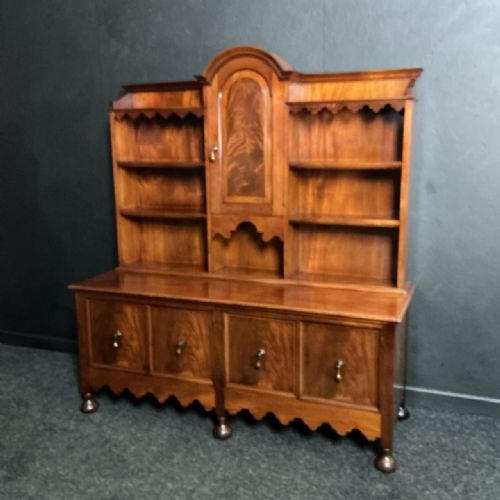
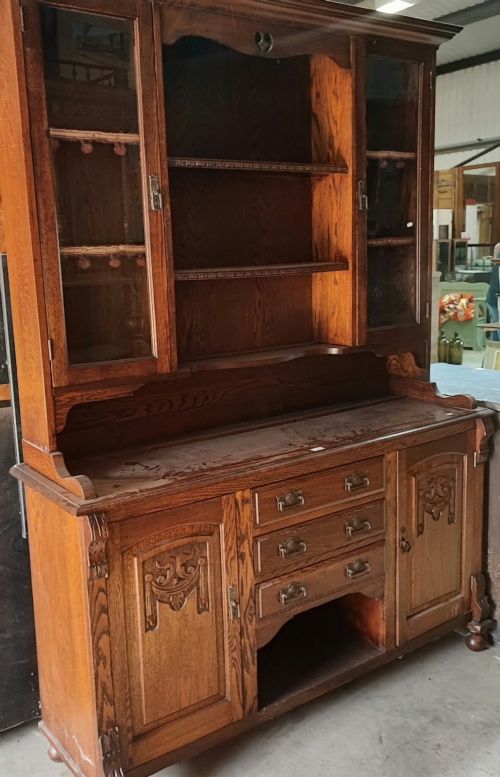
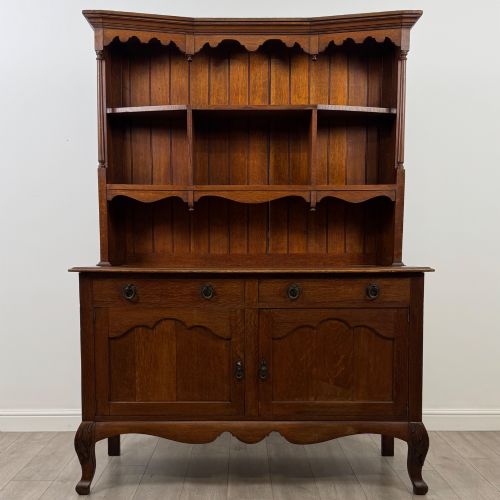
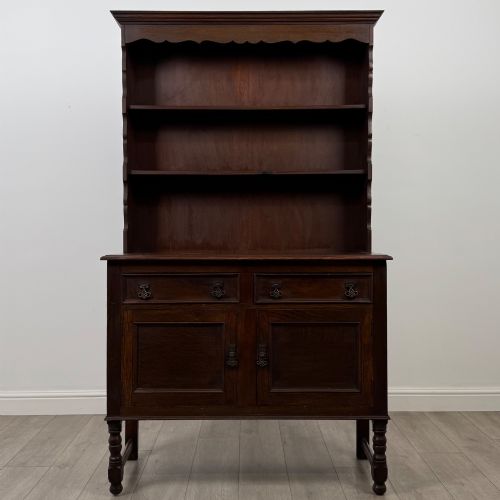
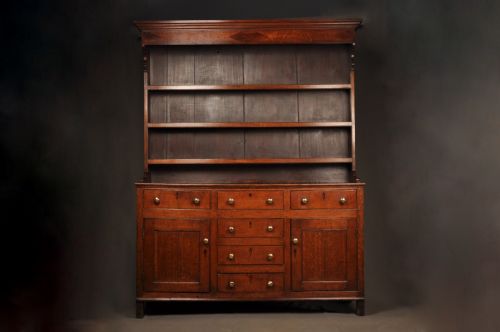
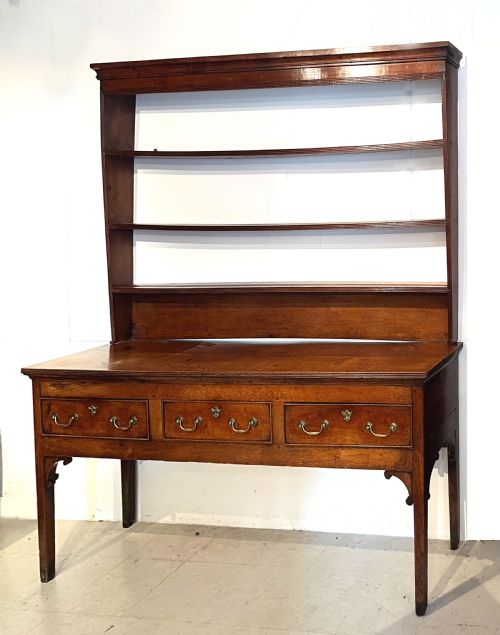
When you search for a vintage kitchen hutch, you are looking at substantial storage furniture historically used for food preparation, tableware display, and pantry organisation in domestic homes. The examples found here span from the eighteenth century through the Edwardian era and into the 1930s, encompassing regional forms such as Welsh dressers and West Country kitchen dressers.
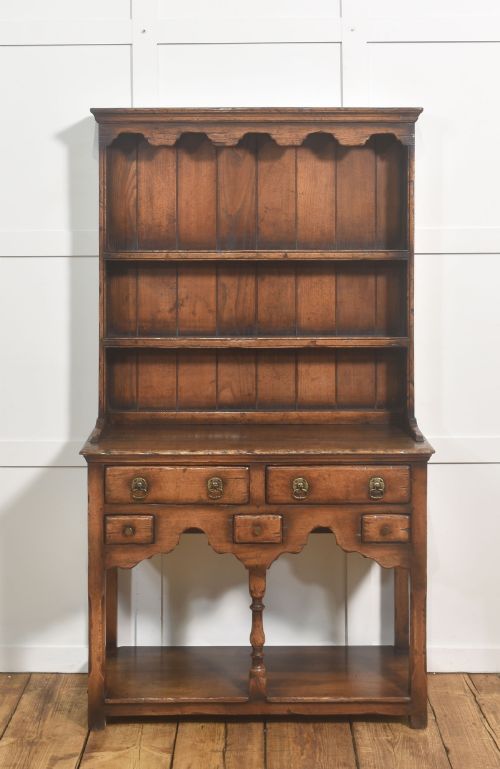
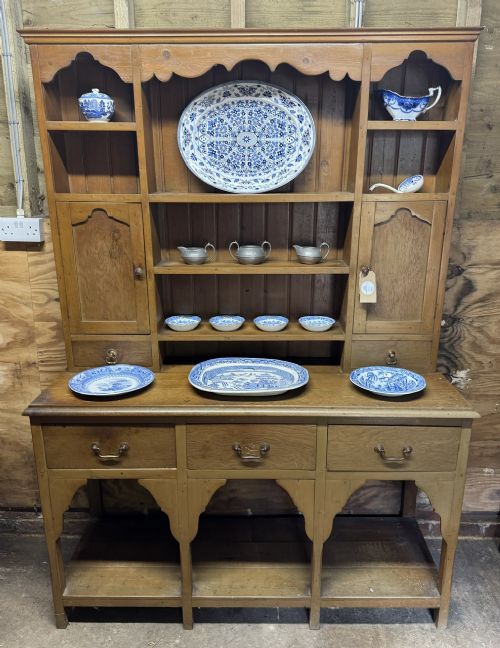
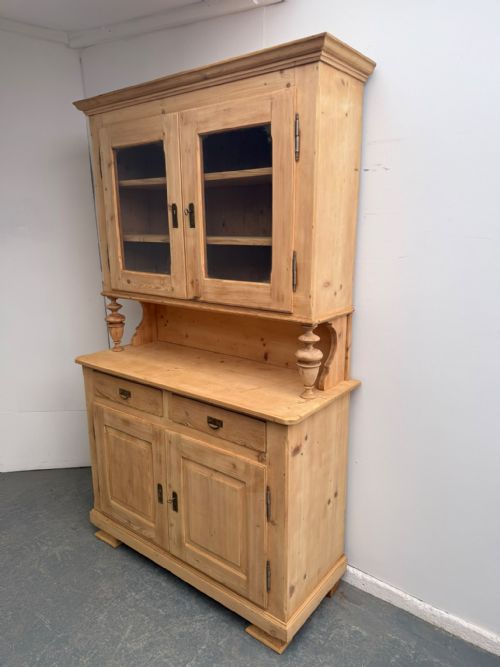
The version you are most likely to meet on this page is the oak or pine dresser featuring a lower base of cupboards and drawers topped by an open plate rack or glazed cabinet. These pieces originate predominantly from English, Welsh, and continental workshops, displaying vernacular traditions rather than rigid formal design.
Forms range from compact cottage cupboards to large breakfront configurations, constructed to suit both modest farmhouse kitchens and larger country houses. Each piece reflects the functional requirements of its era, combining open shelving for daily utility with enclosed spaces for provisions.
How they were made
Cabinet makers relied principally on solid oak and pine, supplemented by mahogany in finer Edwardian and Victorian iterations. Iron, brass, and metal hardware such as hinges, handles, and latches provided functional durability to doors and drawers.
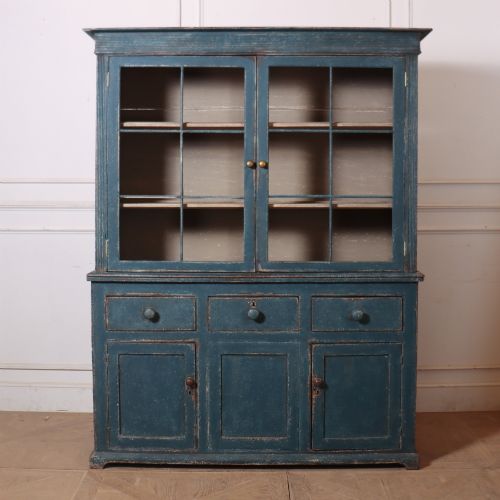
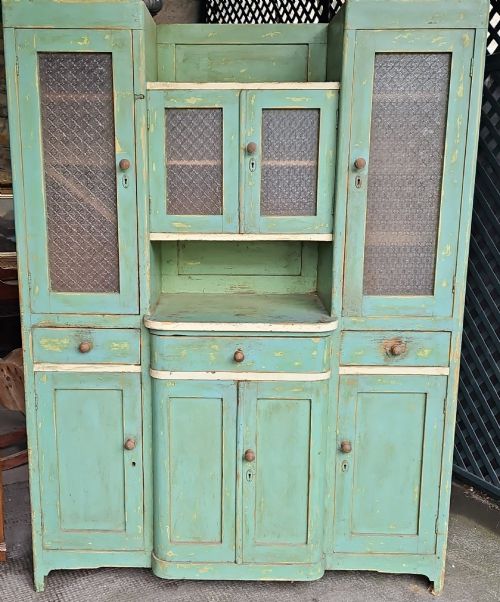
Surfaces were frequently finished with natural wax, accumulated patinas, or applied paint finishes, including historic cream, teal, and scrumbled treatments. Plate racks, glazed doors, and carved detailing in styles like Jacobean Revival and Arts and Crafts demonstrated regional craftsmanship and individual workshop methods.
Several pieces retain historic layers of cream and teal paint, proving that past generations loved a splash of kitchen colour just as much as we do.
What varies in quality
The distinction between ordinary and superior pieces rests on the integrity of the timber, the retention of original surface treatments like historic paint or deep patinated wax, and the survival of matching plate racks. Early eighteenth-century examples and named maker pieces exhibit finer joinery and structural survival compared to later standardised utility items.
Proportion and regional character also dictate standing; West Country and Welsh vernacular pieces with untouched backboards, original brass or iron pulls, and harmonious proportions command greater interest among collectors seeking authentic domestic history.
Heals of London
The Vintage Kitchen Hutch Glossary
- Plate rack
- The upper tiered shelving section of a dresser designed specifically to display ceramic plates and platters upright. This open display area forms an integral visual component of traditional kitchen furniture.
- Patina
- The deep surface sheen and mellowing developed on wood over centuries of handling, cleaning, and exposure to light. It serves as a visual indicator of age and genuine historic use.
- Breakfront
- A cabinet design where the central section projects forward from the flanking outer sections. This architectural arrangement adds depth and visual rhythm to larger kitchen dressers.
- Scrumbled
- A decorative paint technique simulating the grain of more expensive woods or creating mottled texture on pine furniture. Painters applied translucent glazes over a lighter base coat using combs or rags.
- Welsh dresser
- A traditional regional form featuring open plate shelves above a base fitted with drawers and cupboards. These pieces evolved to serve both display and storage functions in rural homes.
Vintage Kitchen Hutch: Frequently Asked Questions
What is a vintage kitchen hutch?
A vintage kitchen hutch is a utilitarian storage item combining a lower base of cupboards or drawers with upper shelving or glass cabinets. These pieces served as the central storage hub for domestic dishware and provisions in historical homes.
They bring rustic practicality and historic charm into modern living spaces, serving as functional storage and display furniture.
How do I tell an 18th century piece apart from a Victorian one?
Eighteenth-century pieces typically display earlier timber preparation methods, hand-cut joinery, and simpler country oak construction without factory standardisation. Victorian examples often incorporate denser hardware, tiger oak, or more elaborate revival styling.
Examining the backboards, drawer construction, and tool marks helps reveal the manufacturing period.
Were these pieces used only in kitchens?
While primarily built for food preparation and storage in farmhouse kitchens, many large dressers also stood in dining rooms or pantries for formal tableware display. Their dual nature allowed owners to store heavy pots below while showcasing prized ceramics above.
Today, they adapt easily to dining rooms, kitchens, or living areas for book and object display.
What woods were used to build them?
Oak and pine remain the predominant timbers found across these listings, sourced locally for their strength and availability. Mahogany appears in finer Edwardian and Victorian versions, while painted finishes often coat pine surfaces.
Iron and brass hardware complemented these woods to ensure durable everyday operation.