



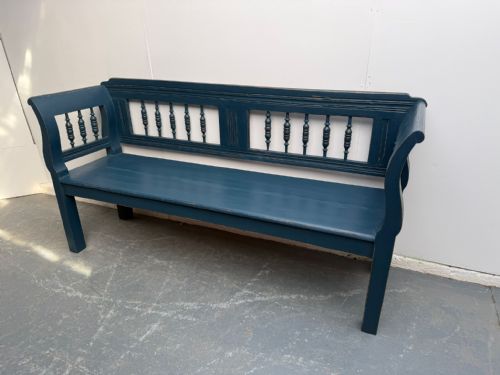
Vintage Kitchen Bench
These vintage kitchen bench examples bring honest utility and robust character to modern interiors through solid timber construction and time-worn patinas.
Vintage Kitchen Bench
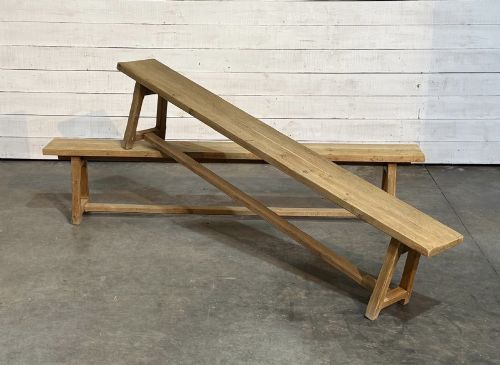
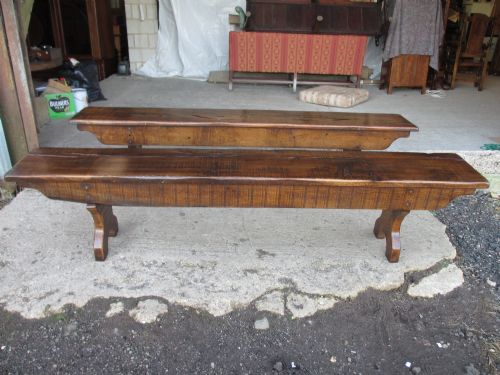
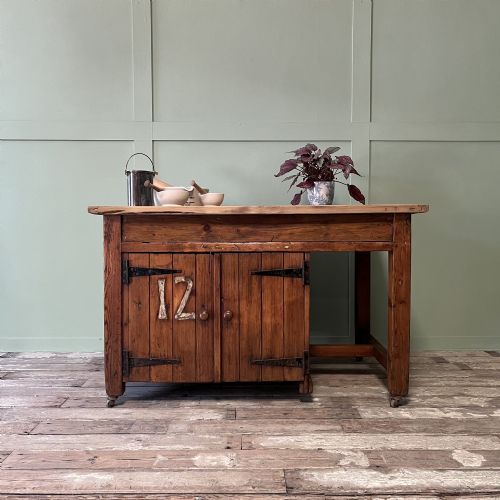
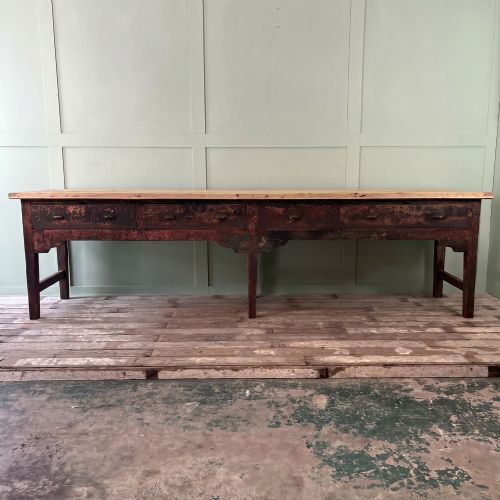
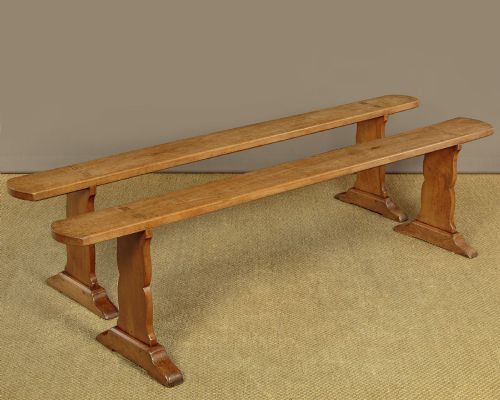
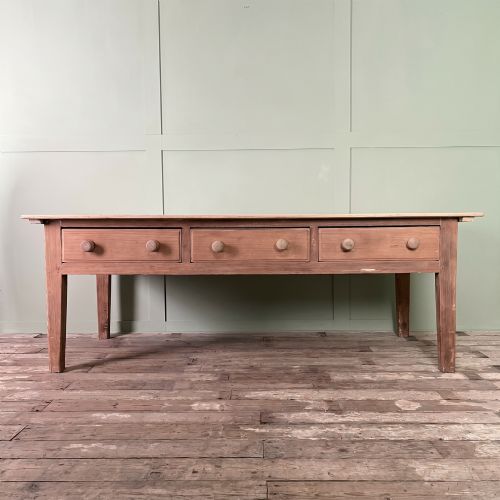
A vintage kitchen bench encompasses utilitarian seating and work surfaces originating from domestic, workshop, and tavern settings across the nineteenth and early twentieth centuries. These pieces serve multiple roles in contemporary spaces, functioning as long dining seating, hallway furniture, or central preparation tables.
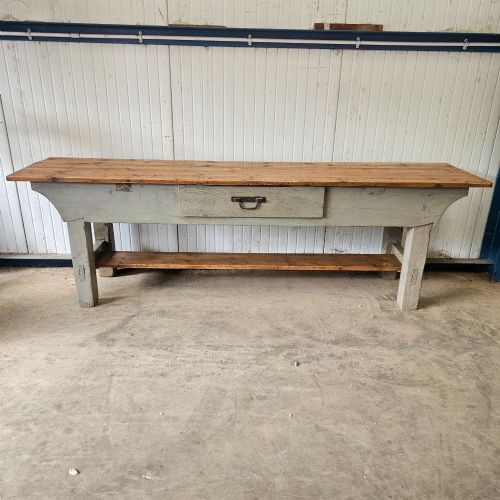
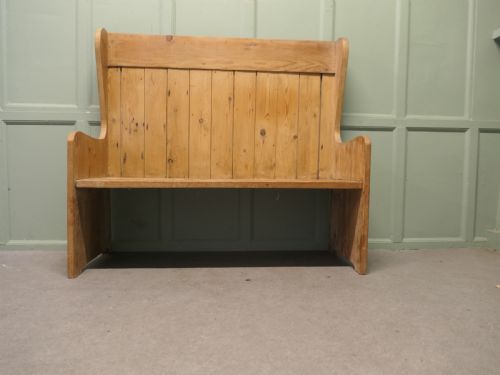
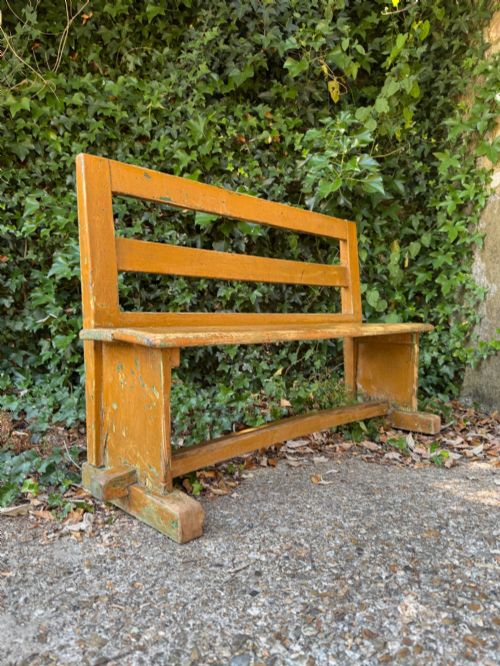
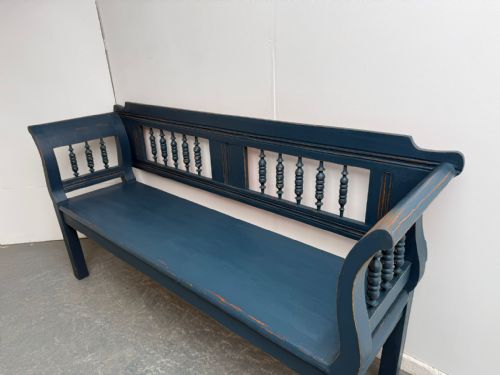
Pine forms the most common material encountered within this category, often displaying original painted finishes in blue or green alongside natural waxed surfaces. Examples span from simple country settles with high backs to substantial French and Swedish artisan workbenches fitted with vices.
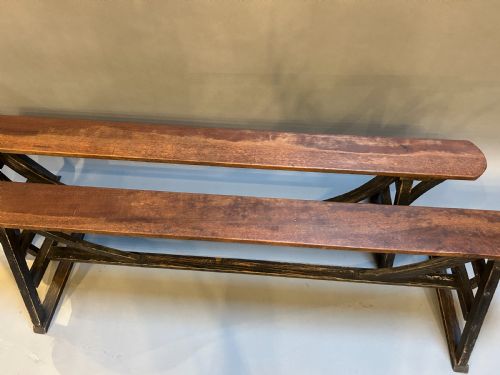
The selection includes matched pairs and single long forms originating from English, French, Scandinavian, and Eastern European workshops. Buyers encounter everything from slender Edwardian oak seating to heavy nineteenth-century cherrywood and sycamore utility tables.
Construction and materials
Makers utilised dense native timbers such as pine, oak, beech, and cherrywood, selecting woods based on local availability and the intended load of the work surface or seat. Joinery relies on traditional pegged mortise and tenon methods designed to withstand daily industrial or domestic strain.
Iron and cast iron hardware appear frequently, securing heavy trestle ends, vices, and structural braces on artisan workbenches and tavern seating. Surfaces show the marks of hand-planing and sustained labour, frequently sealed with layers of historic paint or simple protective wax.
Vintage Kitchen Bench Retail Price Guide 2026
Typical asking prices for vintage kitchen bench among the pieces listed under this phrase on Sellingantiques today, from the lower quarter to the upper quarter. They describe what is for sale here now, not the wider market.
Several heavy French workbenches still retain their original wooden vices, ready to clamp your morning post.
Assessing quality and authenticity
The integrity of the structural timber determines baseline quality, with superior examples retaining their original thick top boards and uncompromised underframes. Heavy oak and cherrywood variants generally indicate heavier-use workshop or institutional origins compared to lighter domestic pine.
The presence of untouched historic surface treatments, including original blue or green paint and genuine working vices on artisan benches, elevates the desirability of a piece. Proportions also dictate value, with unusually long formats or matched pairs commanding distinct architectural interest.
Trussant And Cie
The Vintage Kitchen Bench Glossary
- Settle
- A wooden bench featuring a high back designed to block draughts, alongside solid sides and frequently a box compartment beneath the seat.
- Workbench
- A heavy utility table utilised by artisans and carpenters, typically incorporating a wooden screw vice and thick plank tops scarred by trade use.
- Trestle
- A structural support consisting of a horizontal beam fixed to two splayed legs, commonly found beneath long dining benches and refectory tables.
- Patina
- The surface sheen and colour acquired by timber and paint through decades of handling, friction, and exposure to light.
- Sycamore
- A dense European hardwood valued for its pale colour and clean grain, frequently chosen for dairy and food preparation surfaces.
Vintage Kitchen Bench: Frequently Asked Questions
How do I use a vintage bench in a modern kitchen?
A long wooden bench pairs effectively with a dining table to maximise seating capacity while keeping sightlines open across the room.
Shorter workshop or preparation tables function well as kitchen islands or sideboards for food storage.
How do I care for the old paint on a painted bench?
Clean surfaces gently with a dry or barely damp cloth to avoid lifting historic layers of pigment and wax.
A neutral microcrystalline wax applied sparingly helps protect fragile painted finishes from further flaking.
Are these benches sturdy enough for daily seating?
Nineteenth-century utility benches and worktables were constructed from heavy timbers using pegged joints intended for strenuous daily labour.
Most examples remain structurally robust for family dining provided the underframe joints stay secure.
How do I distinguish an artisan workbench from a domestic table?
Artisan benches typically incorporate integrated wooden vices, dog holes for clamping timber, and exceptionally thick working tops.
Domestic variants feature lighter plank construction designed primarily for seating or serving food.