








Vintage Khorasan Carpet
These vintage khorasan carpet pieces bring regional Persian craftsmanship and dense wool textures straight into modern interiors.
Vintage Khorasan Carpet
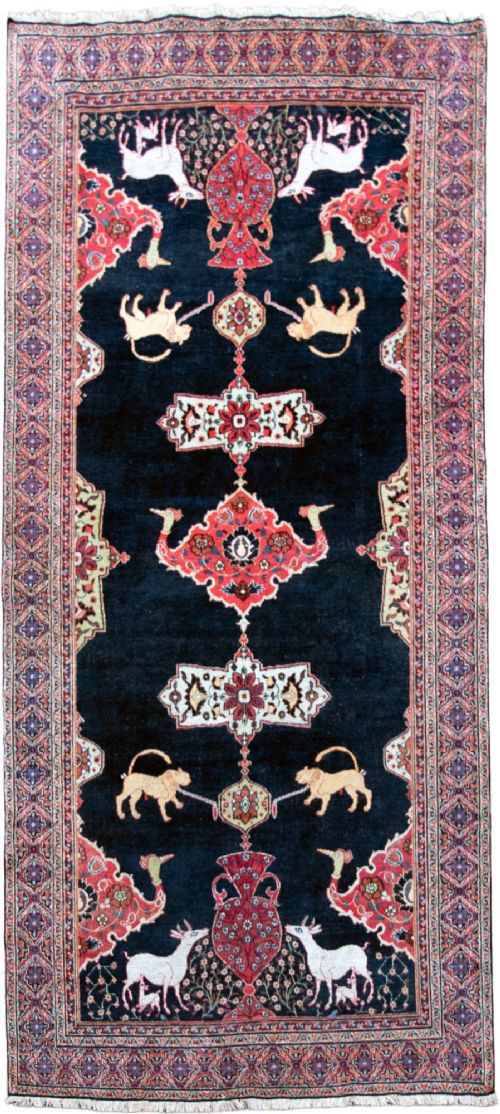
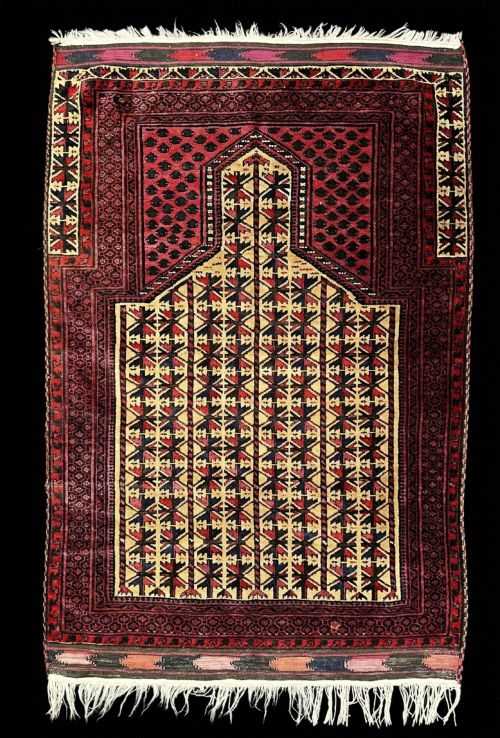
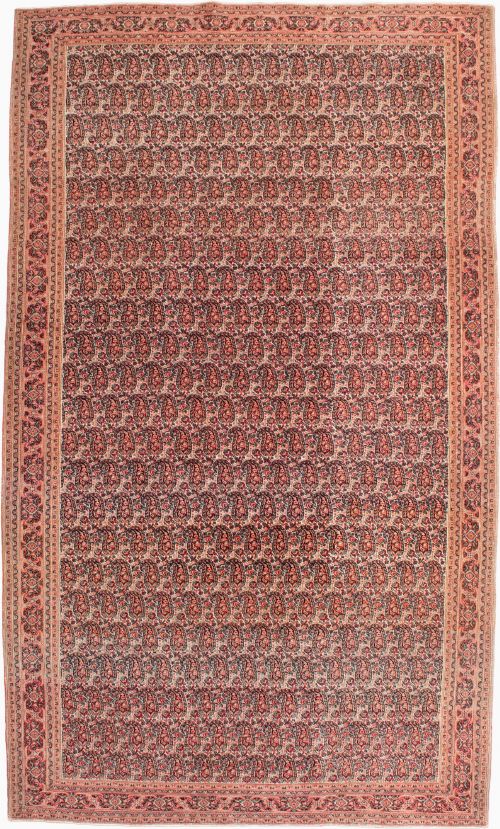
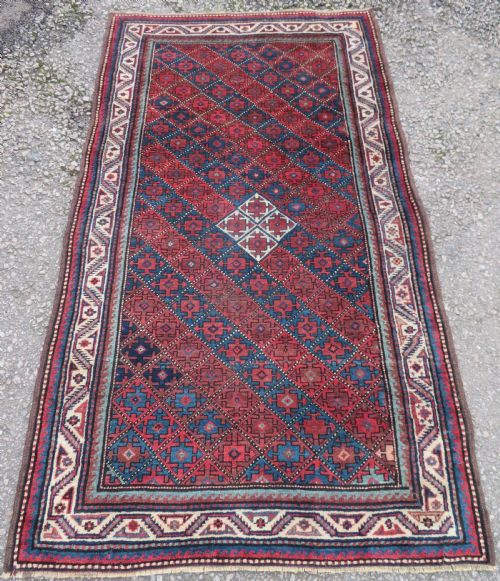
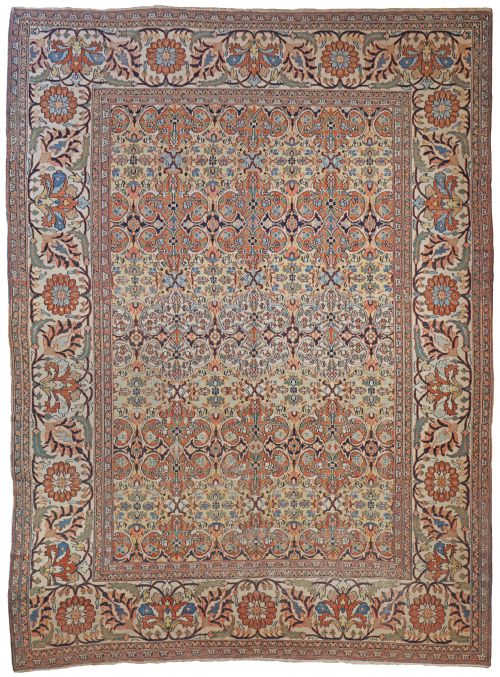
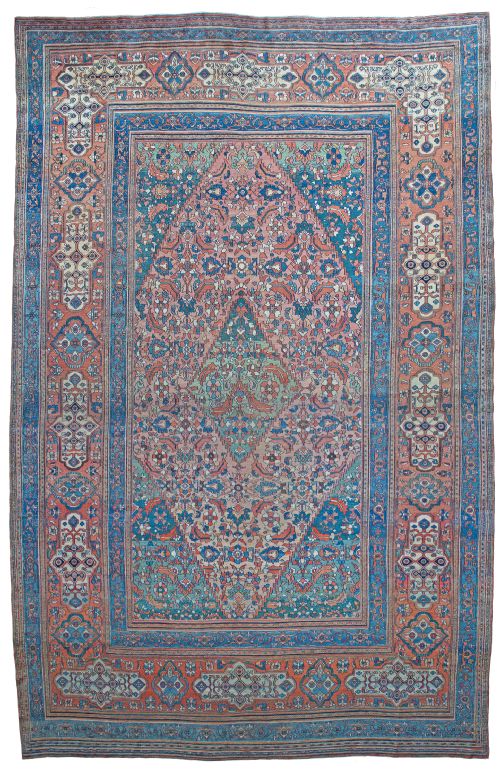
A vintage khorasan carpet embodies the rug weaving traditions of north-east Persia, spanning the late nineteenth and early twentieth centuries. Pieces appearing on this page range from room-sized oversize carpets down to smaller area rugs.
Tribal weaving groups heavily influence the selection, including Quchan Kurds, Baluch nomads, and Khorrassan village makers. Common formats include distinctive regional tribal designs, mina khani variants, and fine lattice patterns.
Materials and construction
Weavers constructed these carpets using natural wool pile knotted onto sturdy cotton foundations. This pairing provides the structural resilience necessary for heavy domestic use over generations.
The regional looms of the Khorasan province utilised traditional hand-spun fibres and local dyeing methods. Such techniques resulted in deep colour saturation across both large carpets and smaller tribal rugs.
Vintage Khorasan Carpet Retail Price Guide 2026
Typical asking prices for vintage khorasan carpet among the pieces listed under this phrase on Sellingantiques today, from the lower quarter to the upper quarter. They describe what is for sale here now, not the wider market.
Some carpets travelled by camel before ever seeing a Western floor.
Factors of quality
The distinction between standard examples and superior pieces rests in the tightness of the knotting and the crispness of the lattice or tribal motifs. Tighter foundations allow intricate geometric and floral variants to hold their definition sharply.
Pile preservation and wool quality also dictate the standing of an individual rug. Even wear across the surface and resilient wool retention separate master-woven specimens from simpler village output.
The Vintage Khorasan Carpet Glossary
- Khorasan
- A historical region in north-east Persia known for producing dense wool carpets and diverse tribal rugs. It encompasses major weaving centres and nomadic territories alike.
- Baluch
- A term describing rugs woven by Baluch tribal groups, often characterised by geometric motifs and rich dark wool palettes. These pieces frequently intersect with Khorasan regional production.
- Mina Khani
- A repeating floral lattice design pattern featuring interconnected blossoms and rosettes. This classical motif appears frequently in Khorasan tribal weaving.
- Quchan
- A town and district in north-east Persia associated with Kurdish tribal weavers. Rugs from this origin display distinct regional wool handling and border arrangements.
Vintage Khorasan Carpet: Frequently Asked Questions
How do I clean a vintage khorasan carpet?
Regular gentle vacuuming without the beater bar removes surface dust safely. Professional specialist cleaning remains essential for deep maintenance.
Avoid harsh chemical treatments or excessive water immersion to protect the natural wool and cotton foundations.
Where were these carpets originally woven?
Weavers produced these pieces across the Khorasan province in north-east Persia. Many examples originate from specific tribal groups such as the Quchan Kurds and Baluch nomads.
Production took place both in settled village workshops and through nomadic encampments utilising local materials.
How do I date a khorasan carpet?
Dating relies on examining structural characteristics, wool consistency, and traditional regional design patterns. Pieces on this page typically date from the late nineteenth century through the early twentieth century.
Natural dye variations and specific tribal attributions provide further clues to the period of manufacture.
Are these carpets suitable for heavy traffic?
The combination of dense wool pile and sturdy cotton foundations provides strong structural durability. These carpets were built for practical daily floor use.
Placing a quality rug underlay beneath the carpet helps absorb impact and reduces friction against hard flooring.