



Vintage Kerman Wool Carpet
These vintage kerman wool carpet pieces bring enduring Persian character to a room through dense wool pile and traditional floral motifs.
Vintage Kerman Wool Carpet
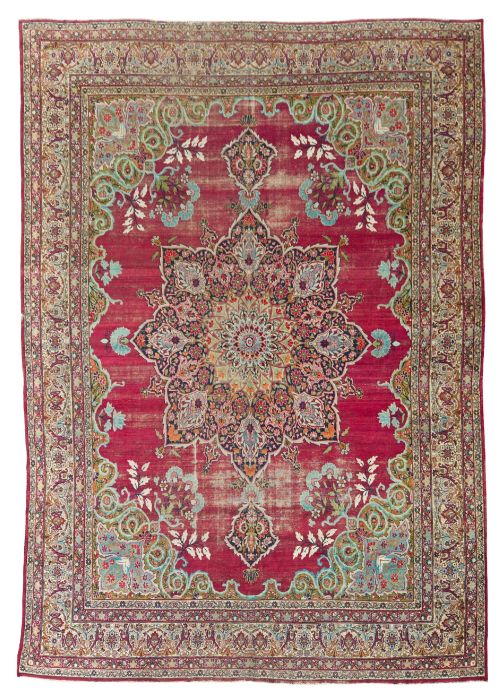
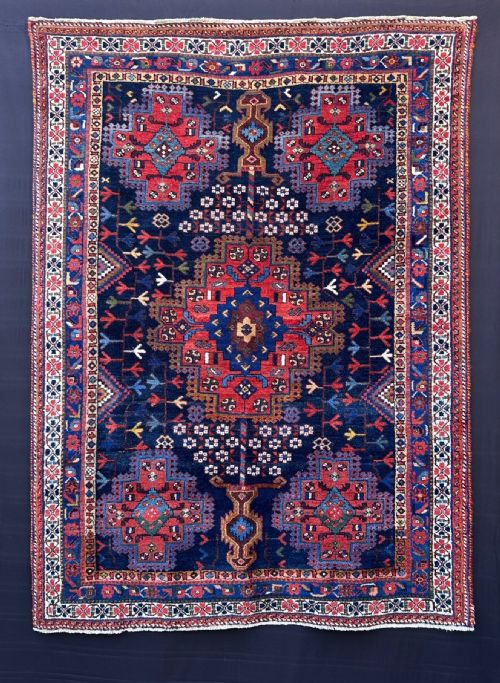
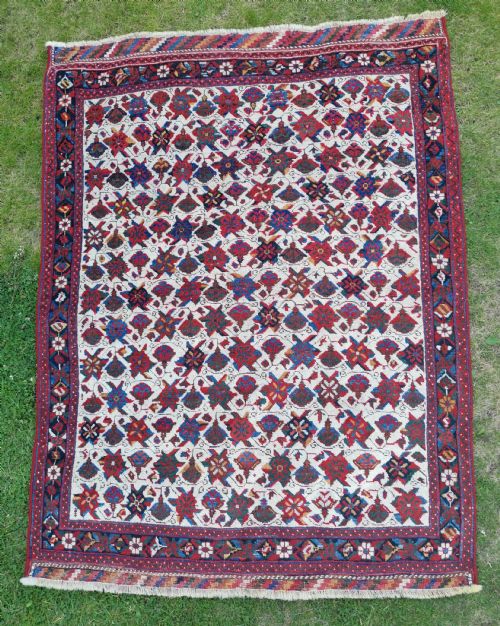
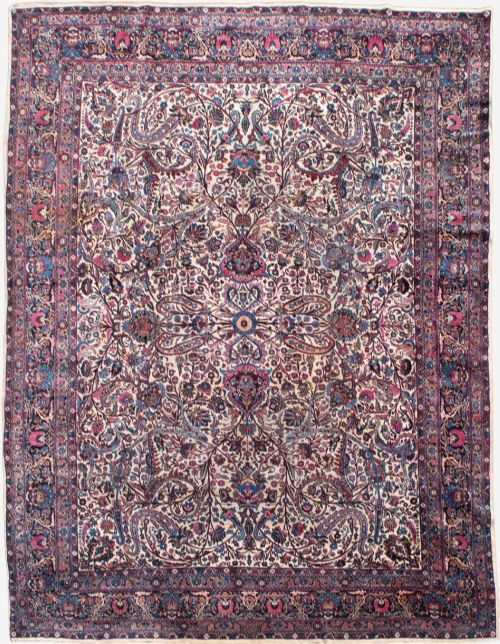
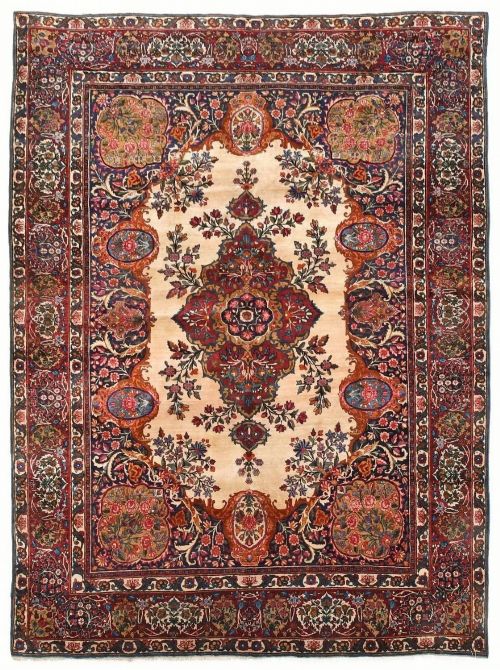
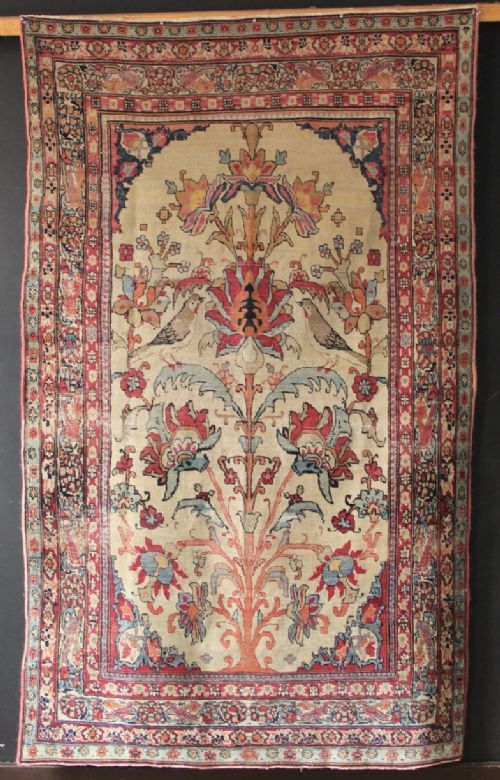
A vintage kerman wool carpet represents the traditional weaving output of South Persia, encompassing regional rugs, room-size carpets and tribal textiles. When collectors search for a vintage kerman wool carpet, they encounter diverse formats ranging from small mats and runner proportions to large room sizes and oversized floor coverings.
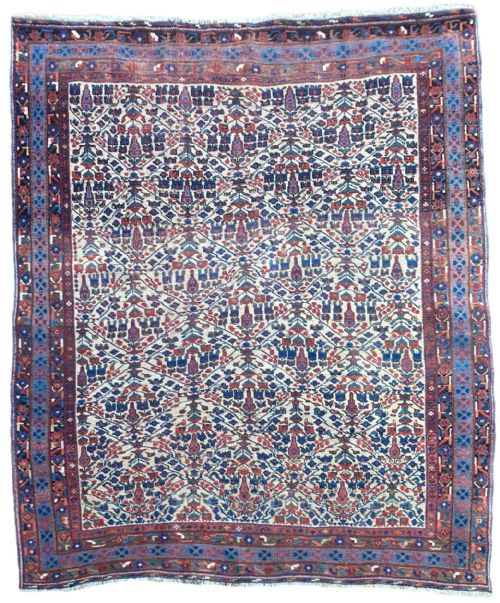
The selection includes specific regional identifications such as Kirman Lavar, alongside tribal pieces from the Afshar tribes of the Neiriz region within Kerman Province. These textiles span periods from the late nineteenth century through to the mid-twentieth century, showing distinct stylistic links to traditional Persian designs.
Evaluating quality and execution
Quality in these carpets rests upon knot density and the precision of the woven design, separating standard room-size rugs from exceptionally fine oversized examples. Finer execution allows complex repeat floral patterns to maintain clarity across large formats.
The integrity of the wool pile and the condition of the cotton foundation dictate the longevity of each piece, distinguishing well-preserved examples from those showing heavy distress.
Vintage Kerman Wool Carpet Retail Price Guide 2026
Typical asking prices for vintage kerman wool carpet among the pieces listed under this phrase on Sellingantiques today, from the lower quarter to the upper quarter. They describe what is for sale here now, not the wider market.
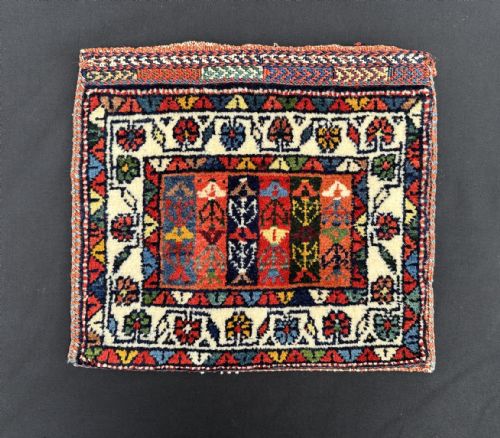
Some carpets feature vanity bags alongside standard rugs, proving that South Persian nomads liked to travel in well-organised style.
The Vintage Kerman Wool Carpet Glossary
- Boteh
- A traditional almond-shaped motif with a curved upper tip, frequently repeated across Persian carpets.
- Lavarn
- A designation associated with finer Kerman weaving, often denoting exceptional detail and superior wool quality.
- Soumak
- A flat-weaving technique producing sturdy textiles without a traditional cut-pile surface.
- Afshar
- A nomadic or settled tribal group originating in South Persia known for distinctive geometric and regional rug designs.
Vintage Kerman Wool Carpet: Frequently Asked Questions
How do I clean my carpet?
Gentle surface care and professional specialist washing preserve the natural wool pile without damaging the cotton foundation beneath.
Avoid harsh chemical treatments that can alter the traditional dyes and weaken the textile fibres over time.
Where were these woven?
These textiles originate from South Persia, specifically associated with the Kerman Province and the surrounding Neiriz region.
Production encompasses both settled town workshops and regional tribal groups like the Afshar.
What sizes are available?
Dimensions range widely from small mats and narrow runners to large room-size floor coverings and oversized carpets.
Format choices accommodate everything from compact spaces to expansive reception rooms.
How do I date a carpet?
Dating relies on stylistic analysis of the floral and tribal motifs, material wear patterns, and structural characteristics recorded across pieces from the nineteenth and twentieth centuries.
Comparative study of regional Persian weaving traditions helps narrow the period of production.