





Vintage Japanese Pot
A vintage japanese pot brings handcrafted depth to a room through centuries of metalwork, ceramics, and lacquer traditions.
Vintage Japanese Pot
A vintage japanese pot encompasses a varied collection of vessels designed for display, planting, and daily use, drawing heavily on aesthetic movements from the Edo and Meiji periods.
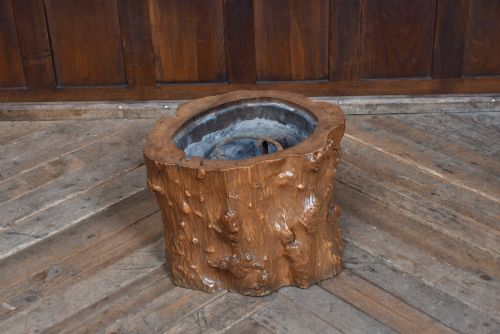
The selections available here range widely in form, featuring large bronze jardinieres, porcelain ginger jars, copper ashtrays, and carved wooden hibachi.
Buyers will encounter items spanning the nineteenth century through the early twentieth century, reflecting both traditional domestic craft and export production.
Materials and Construction
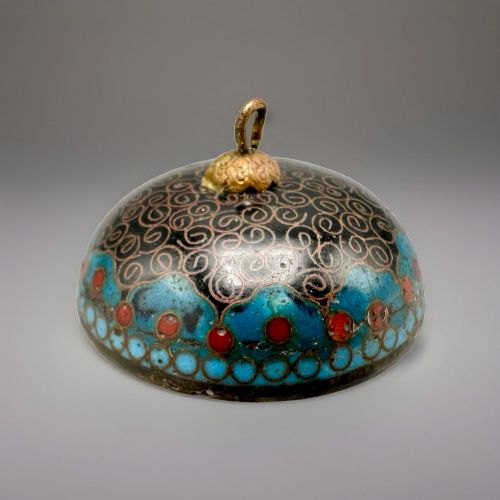
Metal vessels rely on cast bronze and hammered copper, often finished with original patinas or detailed cloisonne enamel work incorporating bird and mosaic motifs.
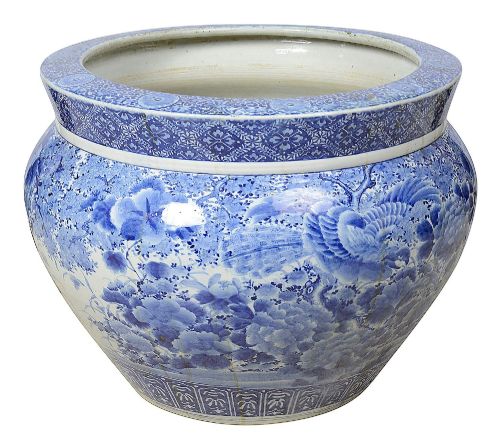
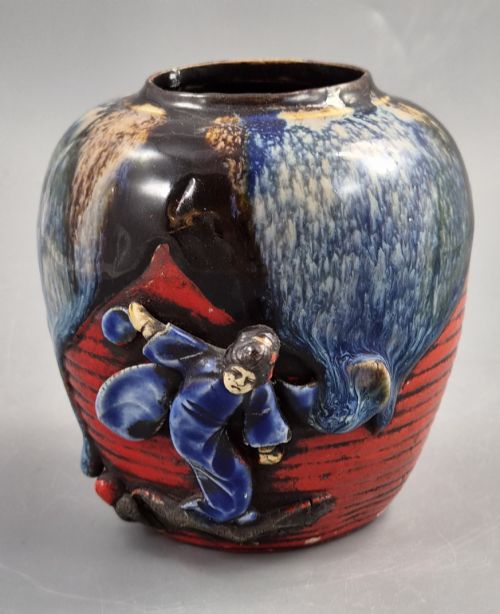
Ceramic pieces utilise porcelain, stoneware, and earthenware bodies finished with blue and white glazes, polychrome paint, or thick blue flambé effects.
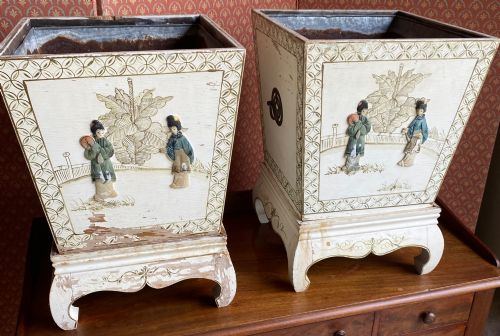
Organic elements appear through carved wood construction in items like traditional hibachi containers.
Vintage Japanese Pot Retail Price Guide 2026
Typical asking prices for vintage japanese pot among the pieces listed under this phrase on Sellingantiques today, from the lower quarter to the upper quarter. They describe what is for sale here now, not the wider market.
Climbing figures scale the side of one stoneware jar, reminding us that potters enjoyed a touch of theatre.
Assessing Quality and Execution
The standard of a vintage japanese pot rests upon the precision of its surface decoration, whether in the fine wiring of cloisonne enamel or the brushwork on blue and white porcelain.
Weight and balance distinguish superior cast bronze bowls and jardinieres, where wall thickness and intentional patination indicate deliberate studio production.
Attribution to recognised makers, such as Makuzu Kozan II, elevates specific stoneware pieces above standard commercial export ware.
Makuzu Kozan II
The Vintage Japanese Pot Glossary
- Cloisonne
- A decorative metalwork technique where enamel paste is applied within compartments formed by soldered flat metal wires. This method creates intricate mosaic patterns on ginger jars and ashtrays.
- Jardiniere
- A large ornamental pot or container designed to hold plants or flowers. These items are frequently cast in bronze or thrown in porcelain.
- Imari
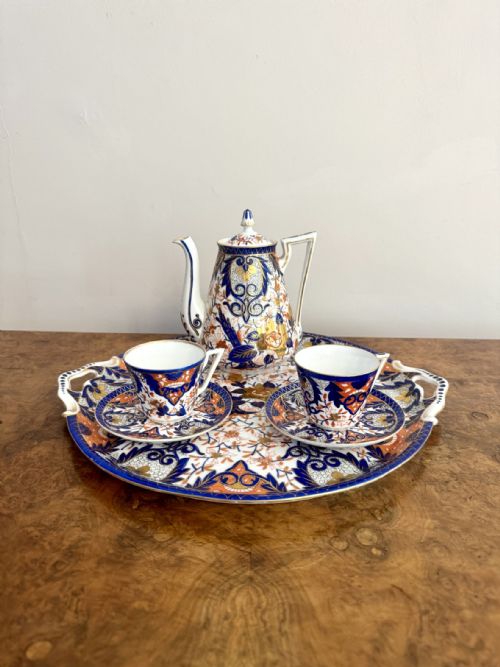
- A style of Japanese porcelain featuring a distinct palette of underglaze blue and reddish-orange overglaze with gold highlights. Pieces in this tradition often date from the nineteenth century.
- Hibachi
- A traditional Japanese heating device or container adapted as a decorative wooden bowl. They display traditional joinery and patination.
- Flambe
- A ceramic glaze fired with metallic oxides to produce streaked, mottled colour effects. This technique appears on specific stoneware jar vases from the Taisho and Showa periods.
Vintage Japanese Pot: Frequently Asked Questions
What is a japanese pot used for?
These vessels served diverse practical and decorative functions in historic interiors, ranging from heating rooms with charcoal in wooden hibachi to holding cut flowers in large bronze jardinieres.
Collectors today utilise them primarily as sculptural statement pieces or planters for interior foliage.
How do I date a vintage japanese pot?
Dating relies on stylistic markers associated with specific imperial periods, such as the intricate cloisonne work typical of the Meiji era or the heavier blue and white porcelain forms from the late nineteenth century.
Materials, glazes, and recorded maker attributions also provide chronological anchors for specific pieces.
Are these pots waterproof?
Ceramic and heavy bronze vessels are generally robust, but historic items require careful handling when exposed to moisture and soil.
Using a modern liner inside antique jardinieres and planters protects the original interior surfaces from water damage.
How do I clean bronze and enamel?
Enamelled surfaces benefit from gentle dusting with a soft dry cloth to preserve delicate cloisonne wires and coloured glass pastes.
Bronze items maintain their character best through minimal intervention, avoiding harsh chemical polishes that strip away historic patination.