



Vintage Japanese Metalwork
Vintage japanese metalwork brings tactile weight and intricate surface detail to a room, ranging from cast bronze figures to vibrant enamel vessels.
Vintage Japanese Metalwork
Vintage japanese metalwork encompasses a diverse range of decorative and functional objects produced primarily during the Meiji, Taisho, and Edo periods. Buyers searching this phrase encounter heavy cast bronze vases, jardinières, and sculptural okimono alongside delicate vessels decorated in colourful cloisonné enamel.
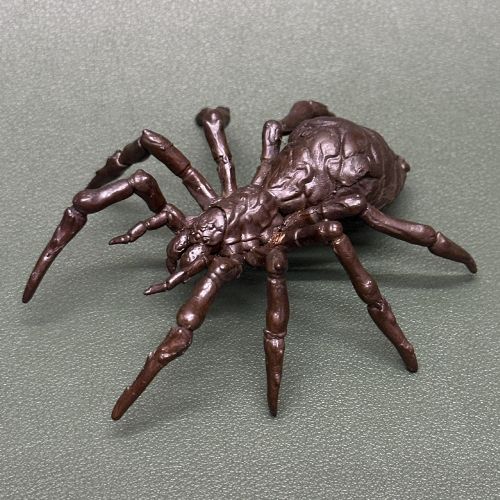
Objects range from small tabletop incense burners to lifesize garden geese and large monumental planters. These pieces demonstrate the skill of metalworkers operating across various Japanese periods and workshops.
How they were made
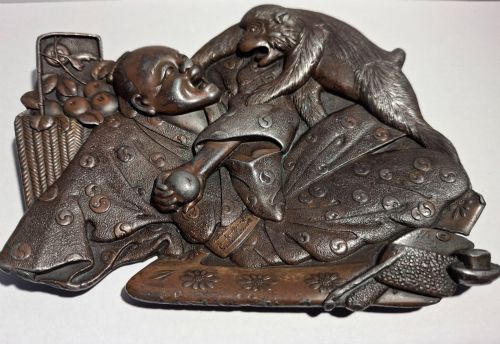
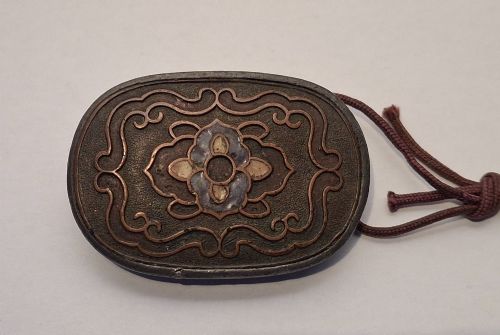
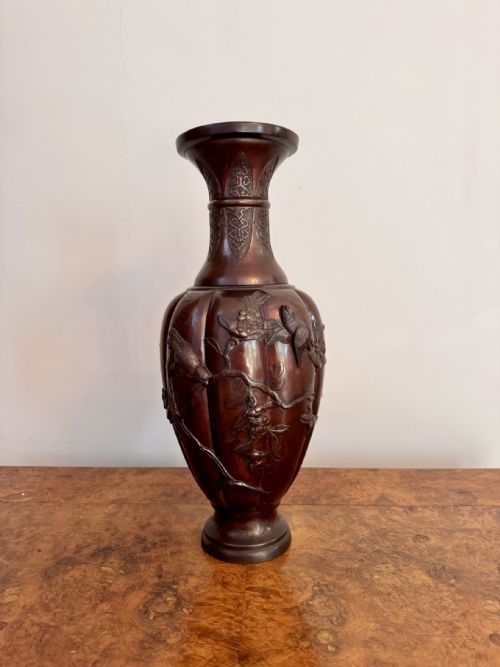
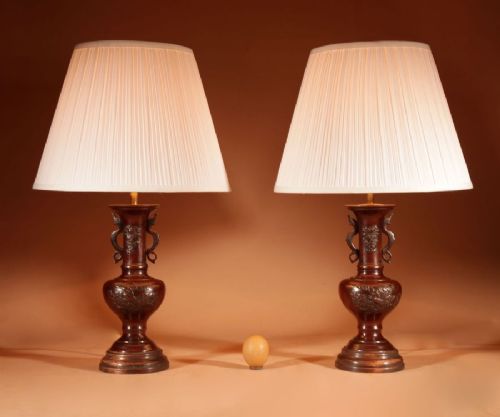
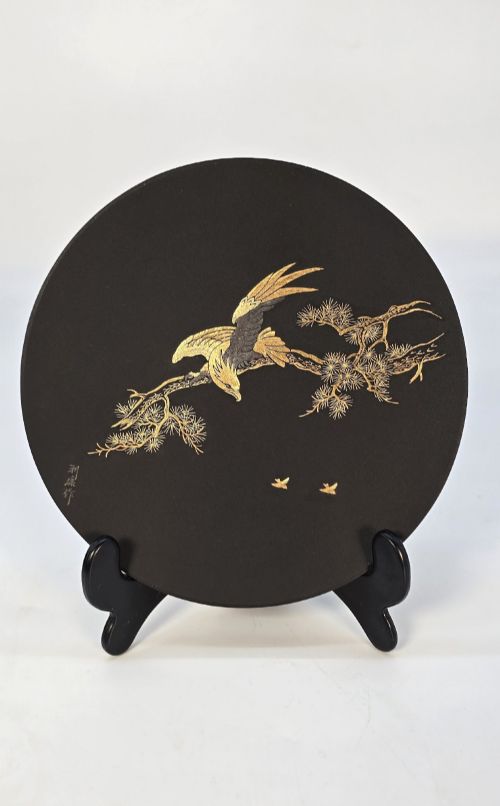
Bronze forms were cast using traditional methods, often receiving chemical patination treatments to achieve deep brown, black, or greenish surface tones. Iron plaques and vessels incorporated contrasting metal wire inlays of gold and silver to create pictorial motifs.
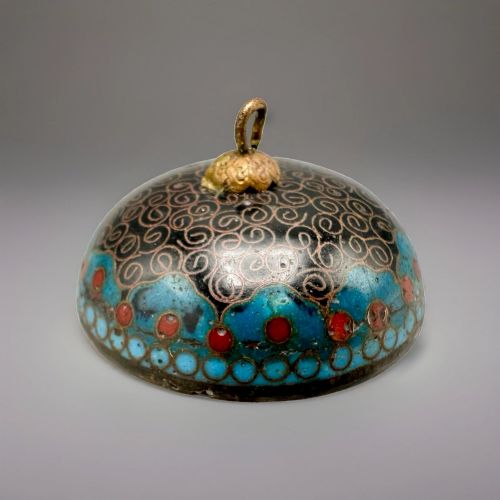
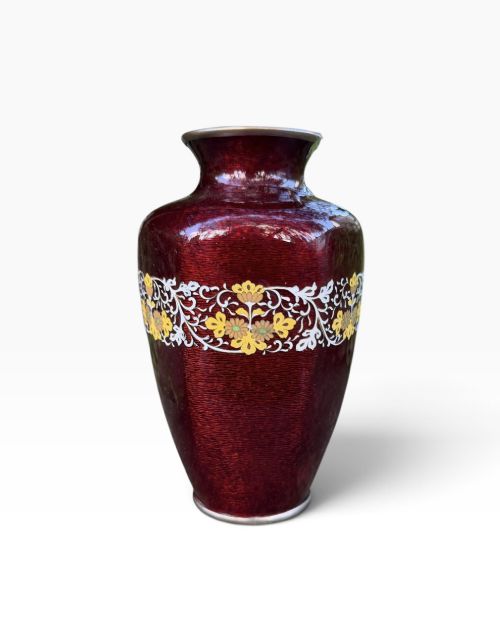
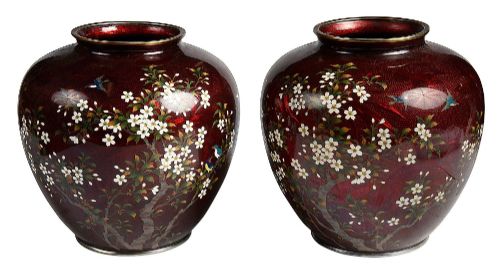
Cloisonné enamel pieces utilised thin metal wires soldered onto metal bases to form individual cells, which were then filled with coloured glass pastes and fired repeatedly. Advanced techniques like ginbari applied translucent enamel over textured foil grounds to create shimmering depth beneath the surface.
Finishing work involved meticulous hand-chiselling, polishing, and signing by master artisans or foundry workers before the final presentation.
The listings span from the nineteenth century into the Taisho and Showa periods, capturing shifts in bronze casting and enamel styles.
What varies in quality
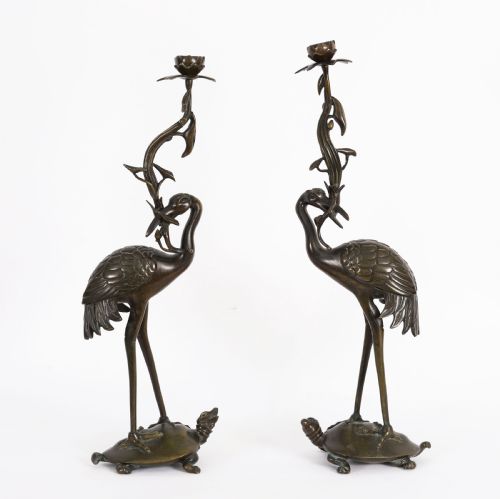
The distinction between standard production and masterwork pieces lies in the precision of the execution and the complexity of the design. Crispness in cast details, such as the feather texture on birds or the muscular definition in animal sculptures, separates superior castings from simpler commercial output.
In enamelwork, quality is evident in the uniformity of the wirework cell grid, the absence of firing flaws or pitting in the glass surface, and the subtlety of colour shading. Signed pieces from recognised makers or workshops generally exhibit a higher standard of artistic ambition and technical control.
Ando Jubei·Sakai Kōzan·Kinkozan
The Vintage Japanese Metalwork Glossary
- Okimono
- A standalone Japanese decorative sculpture designed for display on a shelf or in a tokonoma alcove. These figures often depict animals, humans, or mythical creatures cast in bronze.
- Cloisonné
- An enamelling technique where metal wire creates compartments on a vase or tray body to hold coloured glass pastes. The piece is fired and polished smooth.
- Ginbari
- A specialised Japanese enamelling method featuring translucent enamel applied over an embossed metal foil background. This technique produces a textured, reflective patterned effect beneath the colour.
- Pricket candlestick
- A candle holder featuring an upward-facing spike that secures the base of the candle rather than a socket. Antique bronze examples frequently appear in pairs.
- Koro
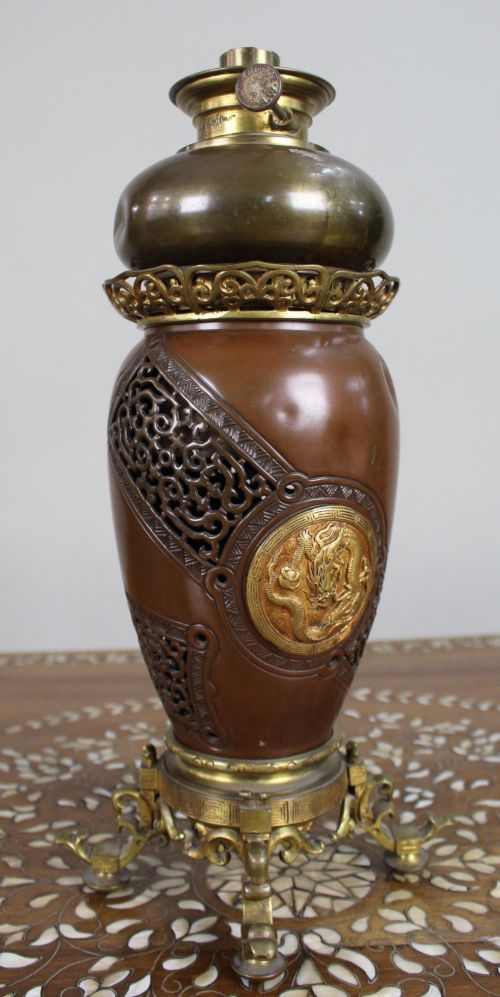
- A traditional Japanese incense burner typically supported on legs and fitted with a pierced lid. These are often cast in bronze or combined with silver elements.
Vintage Japanese Metalwork: Frequently Asked Questions
What is vintage japanese metalwork?
Vintage japanese metalwork includes cast bronze sculptures, vessels, and enamel-decorated plates produced largely during the Meiji and Taisho periods.
These items reflect centuries of metalworking traditions adapted for both domestic use and international export during the late nineteenth and early twentieth centuries.
How do I identify meiji period bronze?
Meiji period bronze pieces often feature deep chemical patination, naturalistic animal or floral motifs, and substantial physical weight.
Many high-quality items bear foundry marks or artist signatures either incised directly into the metal or applied on a separate plaque.
What is cloisonne enamel?
Cloisonne is a decorative technique where thin wire outlines designs on a metal base before coloured glass enamels fill the compartments.
The entire object is fired in a kiln and ground down until the metal wires and glass paste form a smooth surface.
How should I clean bronze and enamel?
Dust bronze and enamel surfaces gently with a soft, dry cloth to prevent the accumulation of dirt in recessed details.
Avoid using liquid cleaners, polishes, or abrasive cloths, as these can strip historical patination or damage delicate enamel wires.