




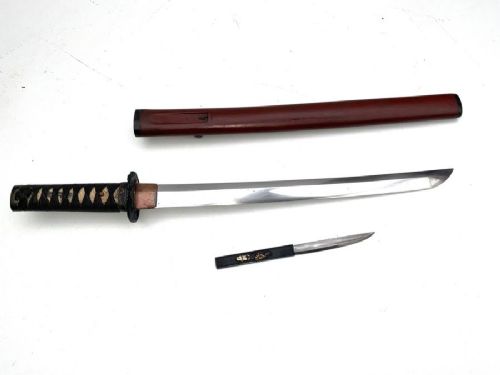
Vintage Japanese Lacquer
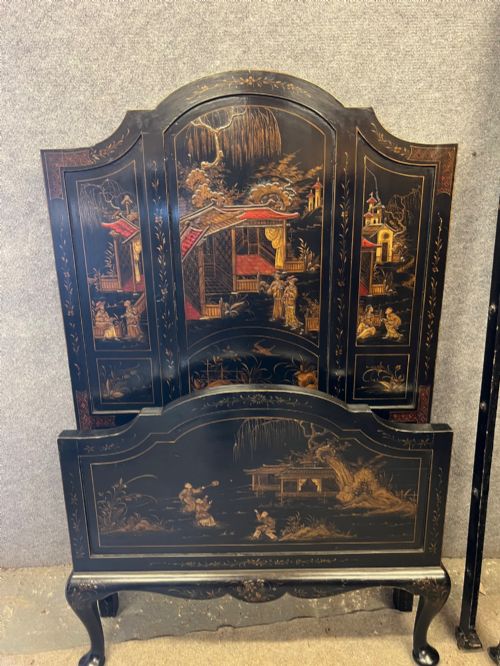
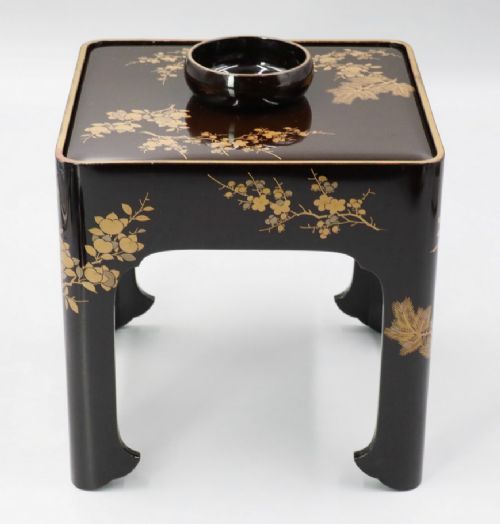
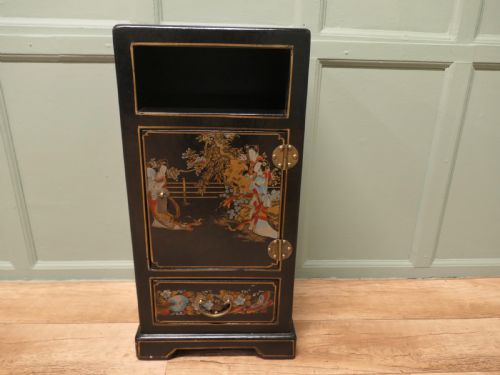
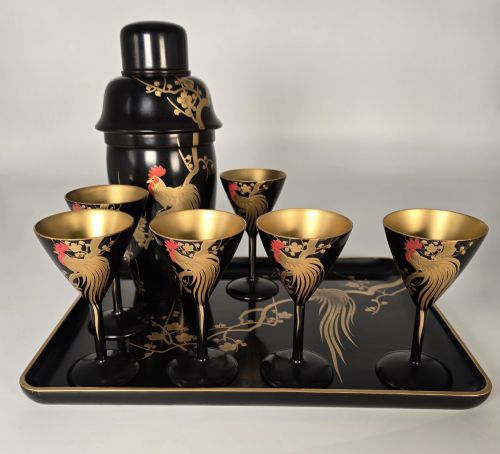
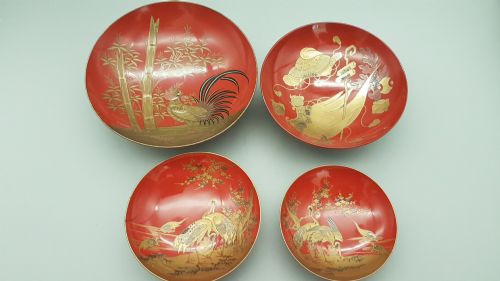
Vintage japanese lacquer pieces bring deep gloss and intricate metallic detail into a room, offering both traditional Oriental craftsmanship and European Chinoiserie interpretations.
Vintage Japanese Lacquer
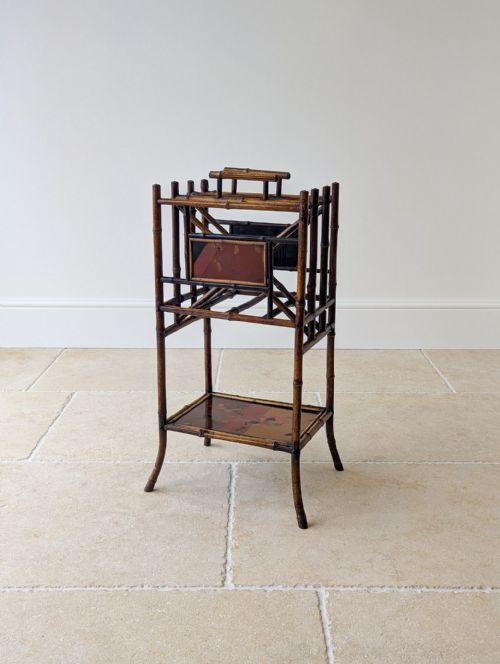
When you search for vintage japanese lacquer, you encounter an array of objects spanning utility and display, from small storage cabinets and sake cups to nesting tables and wall mirrors. The selection bridges authentic Meiji and Edo period imports with Western Chinoiserie and Aesthetic Movement interpretations created through the early twentieth century.
The items range from utilitarian pieces like tansu chests and tea tables to decorative accents including folding screens, wall plaques, and picture frames. Many pieces incorporate painted motifs or raised relief work on wooden bases.
Originating from both Japanese workshops and British workshops influenced by Eastern design, these objects display a clear lineage of craftsmanship across periods from the eighteenth century to the mid-twentieth century.
How they were made
The underlying structure of these pieces relies predominantly on timber such as elm and general wood frames, prepared to receive successive coats of lacquer and urushi lacquer. Artisans applied these finishes meticulously to achieve a hard, durable surface capable of taking deep coloration.
Decoration often involved the application of gold leaf, paint, mother of pearl, and abalone inlay to create pictorial scenes and contrasting borders. Metal elements such as brass fixtures and glass panels appear frequently on cabinets, mirrors, and functional accessories.
Vintage Japanese Lacquer Retail Price Guide 2026
Typical asking prices for vintage japanese lacquer among the pieces listed under this phrase on Sellingantiques today, from the lower quarter to the upper quarter. They describe what is for sale here now, not the wider market.
Materials recorded in these listings include wood, lacquer, gold leaf, brass, glass, paint, lacquered wood, and urushi lacquer.
What varies in quality
The distinction between standard and superior examples rests in the depth of the lacquer finish and the precision of the hand-painted or raised relief details. Pieces featuring intact gold leaf and tightly secured inlay work demonstrate a higher grade of original execution.
Structural integrity of the underlying wood and the preservation of the delicate surface coat determine the overall standing of an individual item. Finer examples maintain their original sheen and decorative clarity without extensive surface degradation.
The Vintage Japanese Lacquer Glossary
- Urushi Lacquer
- A natural resin derived from the sap of the lacquer tree, traditionally used in Asian woodwork to produce a durable and lustrous finish. This material hardens through exposure to moisture rather than drying.
- Tansu
- A traditional mobile chest from Japan built from wood with metal hardware, utilised for domestic storage. These cabinets feature multiple drawers and compartments.
- Inro
- A small traditional Japanese case for carrying small objects, suspended from a sash. They consist of nested boxes held together by a cord.
- Chinoiserie
- A European decorative style reflecting Chinese and Japanese artistic influences, popular during various historical periods. It manifests in lacquered furniture and decorative objects with painted Oriental scenes.
- Meiji Period
- The era in Japanese history spanning from 1868 to 1912, marked by opening trade and distinctive decorative arts exported internationally. Pieces from this time often exhibit detailed metalwork and lacquer applications.
Vintage Japanese Lacquer: Frequently Asked Questions
What is vintage japanese lacquer?
Vintage japanese lacquer refers to decorative and functional wooden objects finished with tree sap resin, often embellished with gold leaf, paint, or inlay.
The category includes authentic imports from periods like the Meiji era alongside European Chinoiserie interpretations produced through the early twentieth century.
How do I care for lacquer furniture?
Lacquer surfaces require gentle treatment with a soft, dry cloth to remove dust without scratching the glossy finish.
Keep pieces away from direct sunlight and extreme humidity changes to prevent the wood base from moving and the lacquer from cracking.
What is a tansu chest?
A tansu chest is a traditional Japanese storage cabinet constructed from wood and fitted with iron or brass hardware.
These pieces were utilised for organising garments and household goods, featuring multiple functional compartments.
How do I identify Meiji period pieces?
Meiji period items date between 1868 and 1912, reflecting the opening of Japanese craft to international markets.
They are characterised by hand-painted natural motifs, lacquer over-paint, and intricate decorative elements on items like sake cups and small cabinets.