




Vintage Japanese Enamel Vase
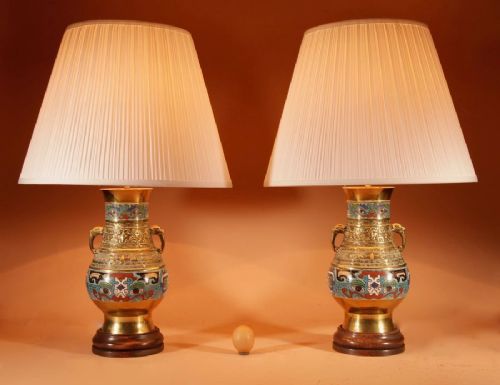
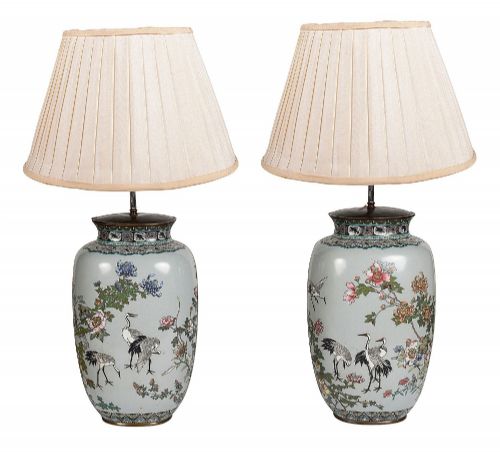
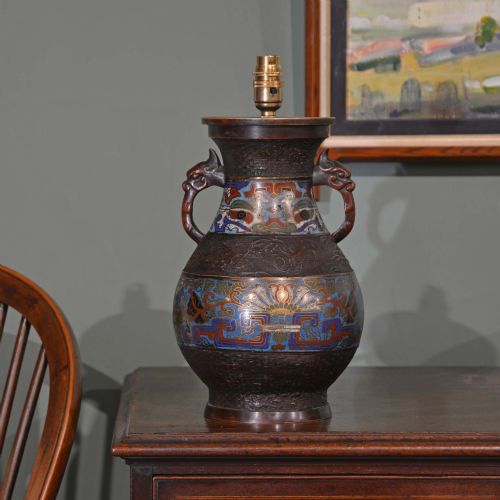
These vintage japanese enamel vase examples bring intricate metalwork and vibrant colour into a room, prized for their meticulous wirework and enduring decorative appeal.
Vintage Japanese Enamel Vase
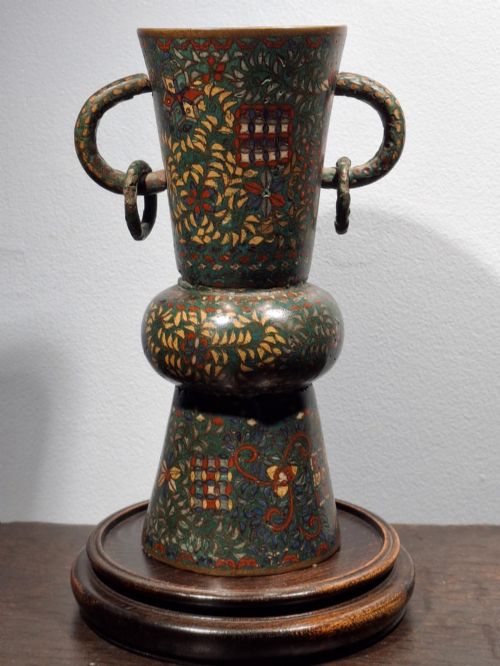
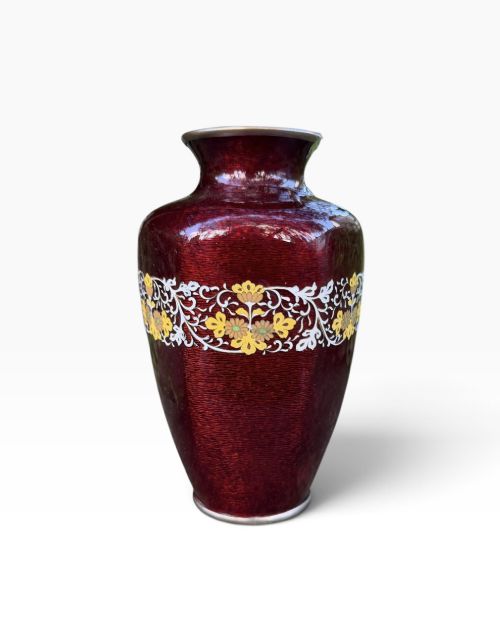
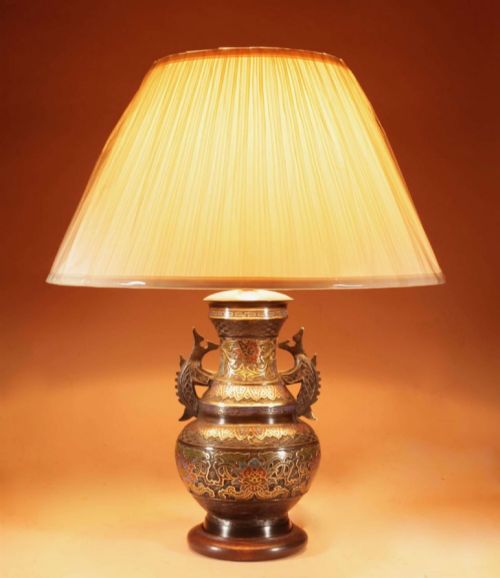
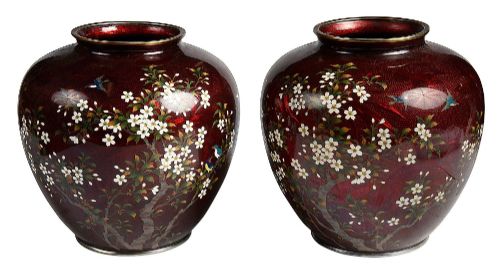
When you search for a vintage japanese enamel vase, you are looking at decorative vessels shaped from copper, brass, or bronze and finished with vitreous enamel. These pieces emerge from distinct historical eras including the Meiji, Taisho, and Showa periods, spanning the nineteenth and twentieth centuries.
Meiji period examples often demonstrate the height of traditional metalwork, while later Taisho and Showa pieces continue these decorative traditions. Buyers select these items to introduce historic Asian artistry and detailed surface patterns into domestic interiors.
How They Were Made
Artisans formed the body of each vintage japanese enamel vase from hammered copper, brass, or bronze. Metal wires were then soldered onto the exterior surface to outline intricate floral or geometric designs.
The resulting cellular compartments were filled with coloured enamel pastes before being fired in a kiln. After firing, the surface was ground and polished to achieve a smooth finish flush with the metal outlines.
Listings feature copper, brass, and bronze structural metals combined with traditional cloisonne and champleve enamel techniques.
What Varies in Quality
The fineness of the wirework largely determines the distinction between standard and superior pieces. Skilled artisans created exceptionally thin, uniform wire grids that allowed for intricate pictorial detail without distortion.
Surface finish and colour depth also separate grades of manufacture. Superior examples display even polishing across the metal rims and a rich, translucent quality in the enamel fields.
Tamura Yukio·Hakusan·Ando
The Vintage Japanese Enamel Vase Glossary
- Cloisonne
- A decorative metalwork technique where fine wires are soldered to a base to create cells filled with enamel. This method defines the majority of traditional Japanese vessels.
- Champleve
- A technique where troughs or cavities are cast or carved directly into a bronze or brass base and filled with enamel. The surrounding metal remains visible as part of the design.
- Ginbari
- A method involving embossed foil applied beneath a translucent enamel layer to create textured background patterns. This technique produces a distinctive shimmering effect under light.
- Meiji Period
- The era in Japanese history spanning from eighteen sixty-eight to nineteen twelve, renowned for intense artistic output in metalwork and ceramics. Pieces from this time often exhibit exceptional technical precision.
- Showa Period
- The historical period lasting from nineteen twenty-six to nineteen eighty-nine, encompassing mid-twentieth-century manufacturing traditions. Enamel vessels from this era show evolving aesthetic preferences.
Vintage Japanese Enamel Vase: Frequently Asked Questions
How do I clean an enamel vase?
Dust the surface gently with a soft, dry cloth to protect the delicate metal wires and polished enamel finish.
Avoid using water, chemical cleaners, or abrasive polishes, as these can damage the historic metal and vitreous coatings.
Are these vases watertight?
Most antique metal and enamel vessels are intended for decorative display rather than holding water for fresh flowers.
Seams and interior linings can degrade over decades, so using them dry preserves the internal structure.
How do I date a piece?
Examine the base metal, wire thickness, and overall stylistic markers that align with specific periods like the Meiji or Showa eras.
Maker marks and signatures where present also help establish the chronological origin of the work.
Where should I display them?
Place vessels away from direct sunlight to prevent the vibrant enamel colours from fading over time.
Stable surfaces out of high-traffic areas ensure these delicate decorative objects remain secure from accidental knocks.