


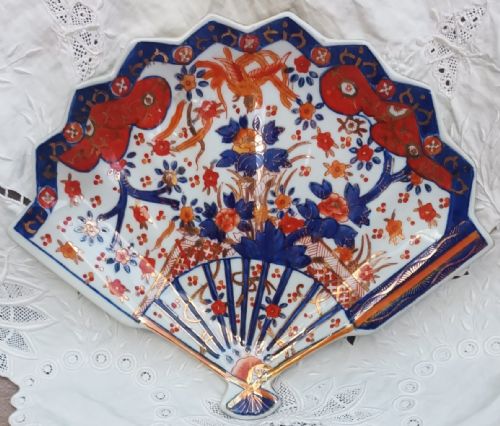
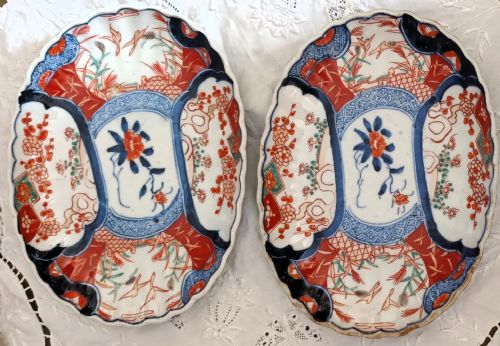
Vintage Japanese Dish
These vintage japanese dish examples offer a tangible link to traditional craftsmanship, spanning centuries of intricate porcelain and metalwork.
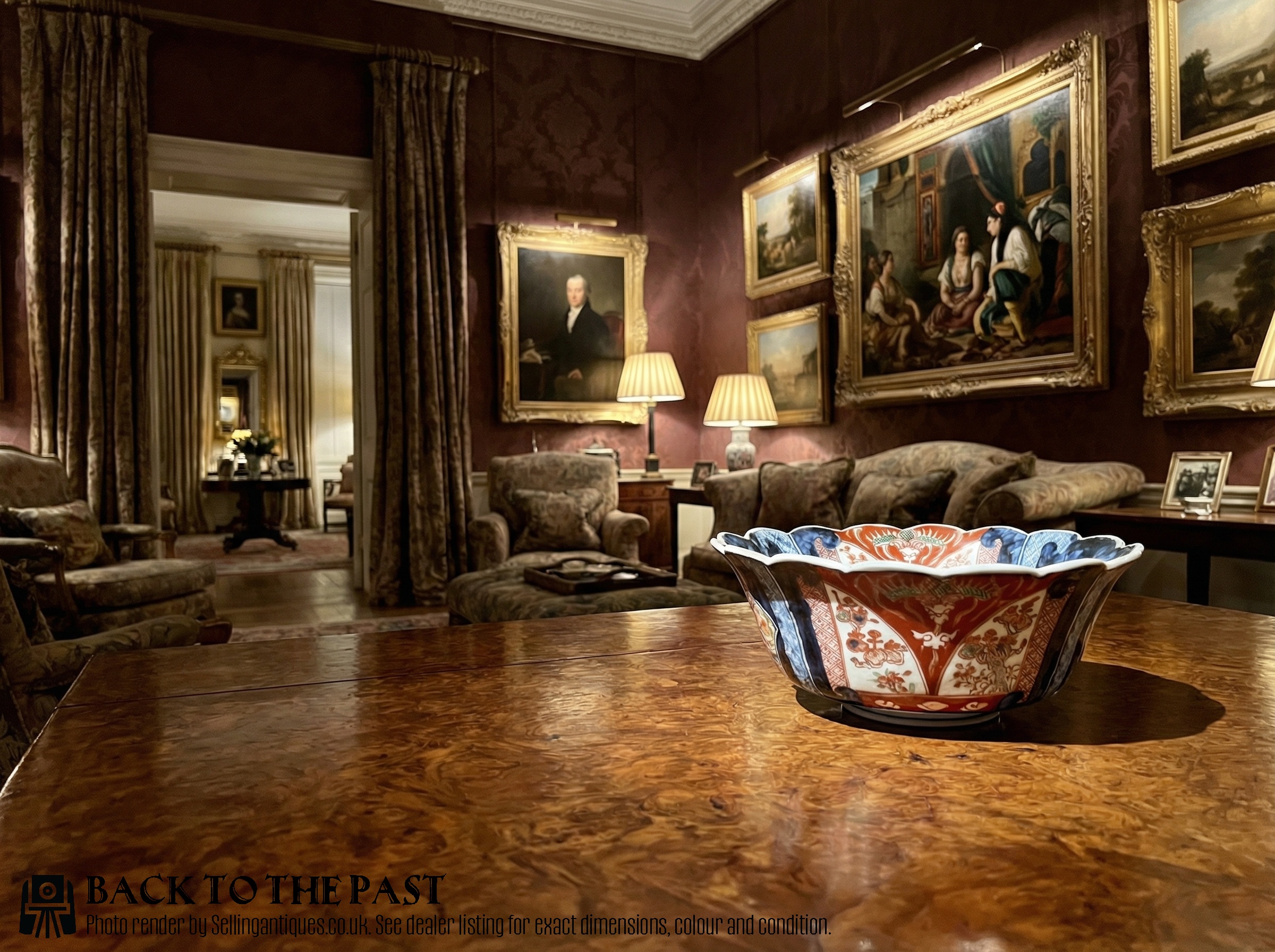
Vintage Japanese Dish
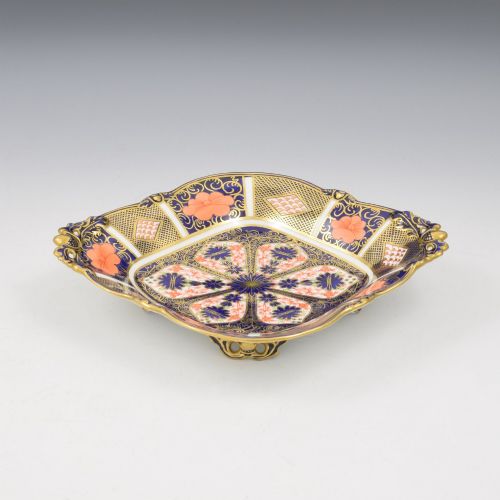
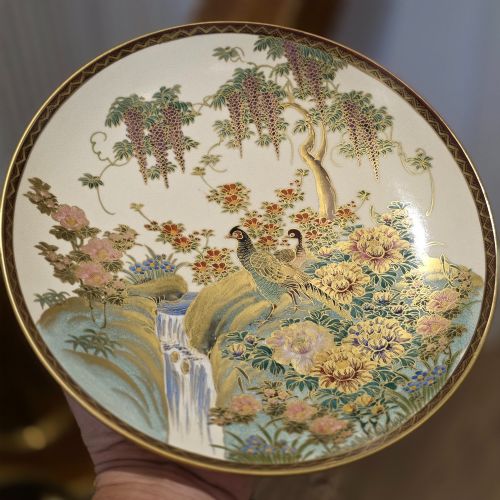
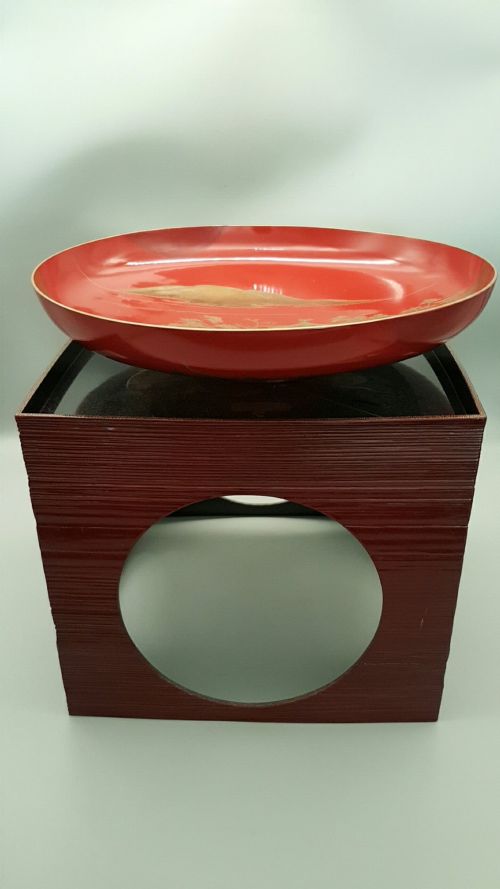
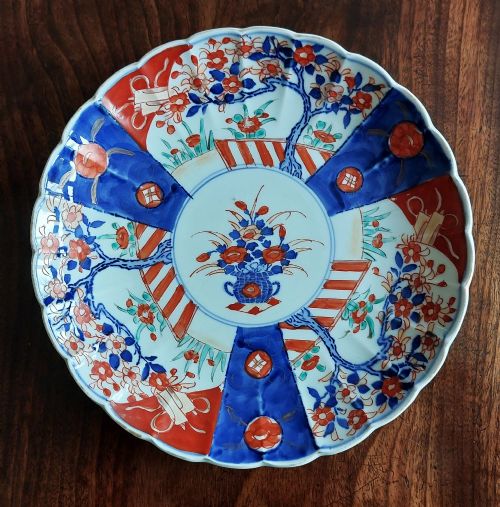
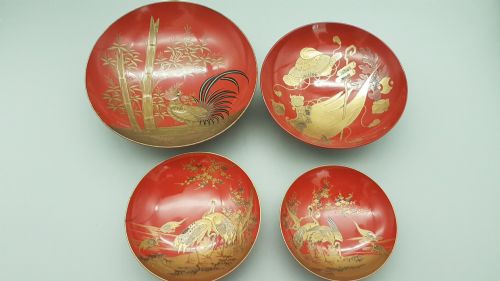
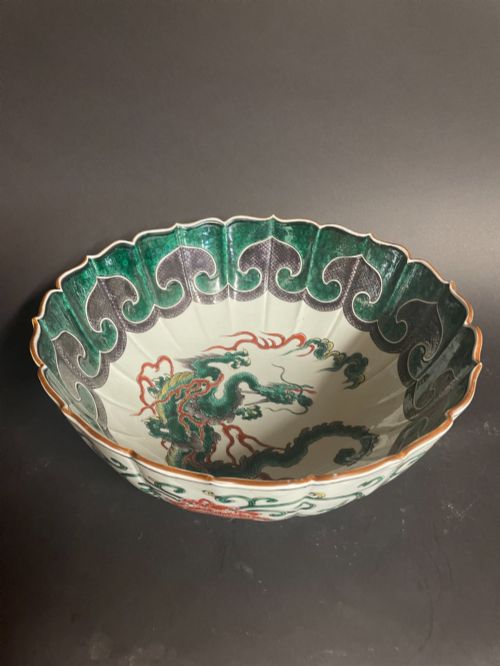
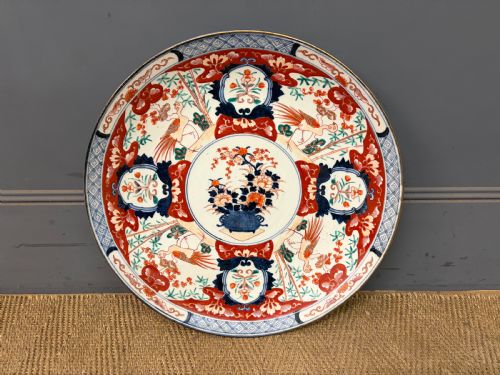
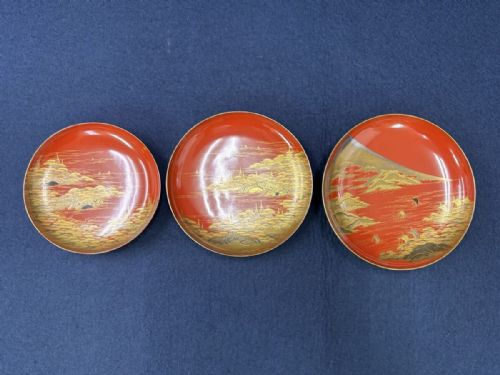
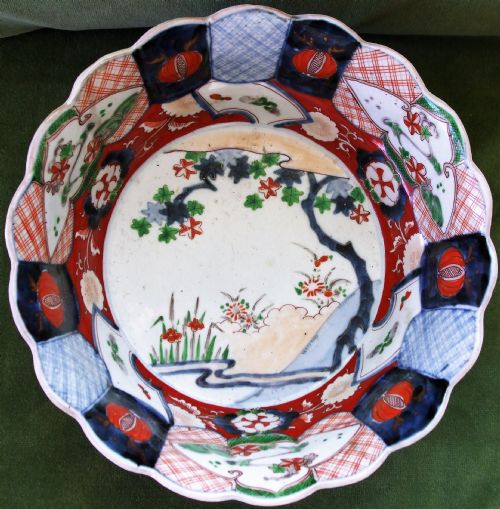
A vintage japanese dish typically encompasses traditional forms such as decorative plates, bowls, chargers, and lacquer sake cups originating from various historical eras. Buyers searching for a vintage japanese dish frequently encounter porcelain pieces decorated in the Imari style, alongside Satsuma ware and Kutani pottery.
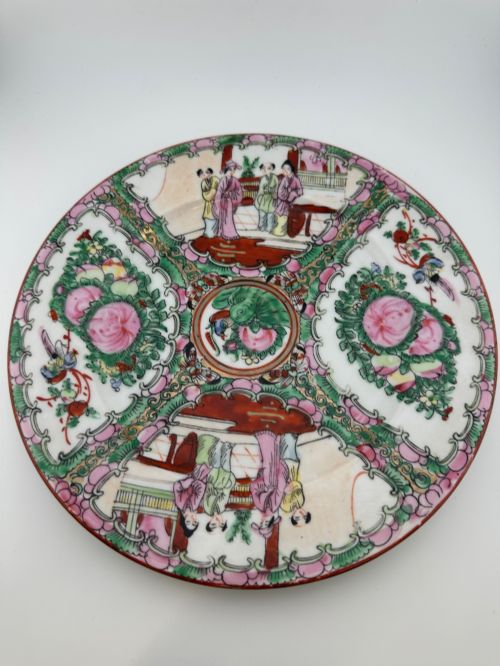
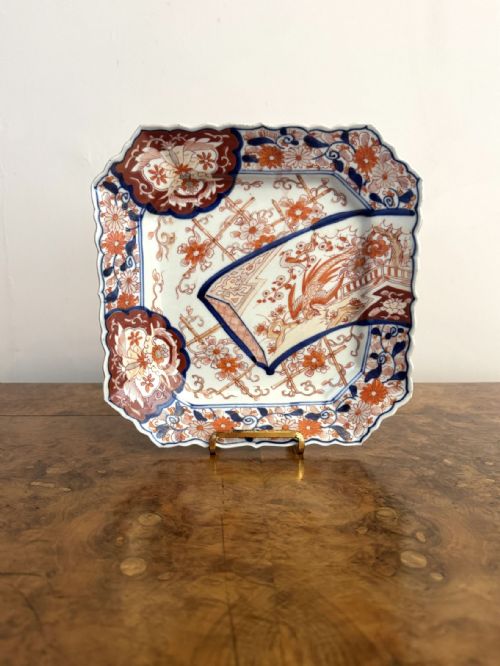
The objects span multiple periods, ranging from the Edo period and 18th century through to the Meiji period and early 20th century. Forms vary from scalloped edge plates and square shaped platters to large chargers depicting traditional motifs like the Seven Lucky Gods.
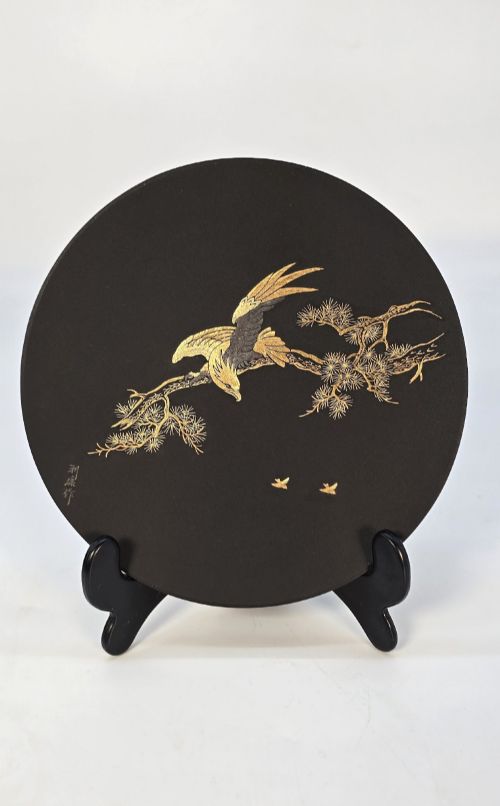
Beyond porcelain, the selection includes cloisonne enamel trays and copper or iron plaques enhanced with gold and silver inlay. These items reflect distinct periods of Japanese artistic production, often combining utility with ornamental design.
Materials and construction
Ceramic pieces rely on porcelain bodies shaped into bowls, dishes, and chargers, frequently finished with glaze and hand-painted details. Many items incorporate gold leaf or gilt highlights to define intricate patterns and borders.
Metalwork examples utilise copper, brass, and patinated iron, often decorated using cloisonne enamel techniques where thin wires create compartments for coloured pastes. Further metal ornamentation involves precise gold and silver inlay upon iron surfaces.
Listings feature porcelain, enamel, and lacquer across the Meiji and Edo periods, alongside 18th and 19th-century items.
Evaluating the standard
Quality in these pieces rests upon the precision of the hand painting and the complexity of the design layout. Finer examples display meticulous brushwork and balanced compositions, particularly on complex Imari plates or detailed Kutani platters.
For metal and enamel work, the refinement of the cloisonne wirework and the smoothness of the enamel finish determine the grade of the piece. Superior items exhibit tightly controlled wire cells and pictorial depth, such as depicted koi, owls, or samurai figures.
The condition of delicate elements like gold leaf, lacquer surfaces, and inlay directly influences the overall merit of an object. Pieces that retain crisp details without excessive wear across the glaze or metalwork represent the upper tier.
Royal Crown Derby·Koshida
The Vintage Japanese Dish Glossary
- Imari
- A traditional style of Japanese porcelain featuring distinctive blue, iron red, and gilt decoration. These pieces were widely produced for both domestic use and export.
- Cloisonne
- A metalworking technique where flat metal wires are soldered to a base to form cells, which are then filled with enamel paste and fired. This method creates intricate pictorial designs on plates and chargers.
- Meiji Period
- The era in Japanese history spanning from 1868 to 1912, characterised by extensive artistic production and opening trade with the West. Many decorative dishes and plaques originate from this time.
- Charger
- A large decorative plate intended for display rather than for serving food. These items often feature elaborate hand-painted scenes or detailed enamel work.
- Kutani
- A style of Japanese coloured porcelain known for bold palettes, intricate pictorial elements, and generous use of gold. Production centres around Ishikawa Prefecture.
Vintage Japanese Dish: Frequently Asked Questions
What is a charger?
A charger is a large decorative plate or dish designed primarily for display rather than everyday dining use. These substantial pieces often showcase the most elaborate artistry of their respective period.
In Japanese ceramics and metalwork, chargers frequently depict complex mythological scenes, auspicious symbols, or detailed landscapes spanning their wide surface.
How do I identify Meiji period pieces?
Meiji period items generally date between 1868 and 1912, a time of rapid modernisation and flourishing decorative arts. They often exhibit exceptional technical mastery in porcelain painting, lacquer, or metal inlay.
Many pieces from this era combine traditional Japanese motifs with an increasing focus on intricate detail designed for international export markets.
What is Imari porcelain?
Imari porcelain refers to Japanese wares decorated in a distinctive palette consisting mainly of underglaze blue, iron red, and supplementary gold leaf. The style originated in Arita and was shipped from the port of Imari.
These designs typically feature dense floral, geometric, and figurative patterns distributed symmetrically across plates, bowls, and large chargers.
How were cloisonne enamel dishes made?
Cloisonne pieces were constructed by applying thin metal wires to a metal base, such as copper, to form bounded compartments called cloisons. Artisans then filled these individual sections with coloured enamel pastes before repeated firing and polishing.
The resulting surface displays crisp metallic outlines framing smooth, colourful depictions of flora, fauna, or historical figures.