





Vintage Iron Trough Planters
Vintage iron trough planters bring robust architectural character and utilitarian utility to outdoor spaces, built from heavy metals designed to weather decades in the garden.
Vintage Iron Trough Planters
The selections on this page draw heavily from nineteenth century workshops, alongside pieces reflecting Art Deco and rustic farmhouse sensibilities. These containers served varied utilitarian roles before finding new life as decorative garden planters.
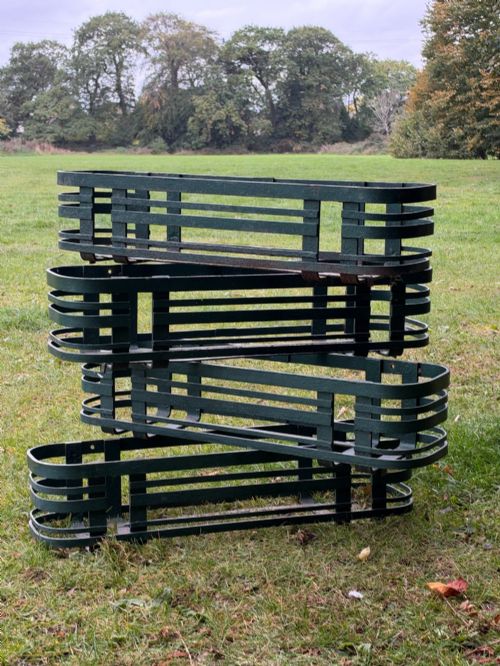
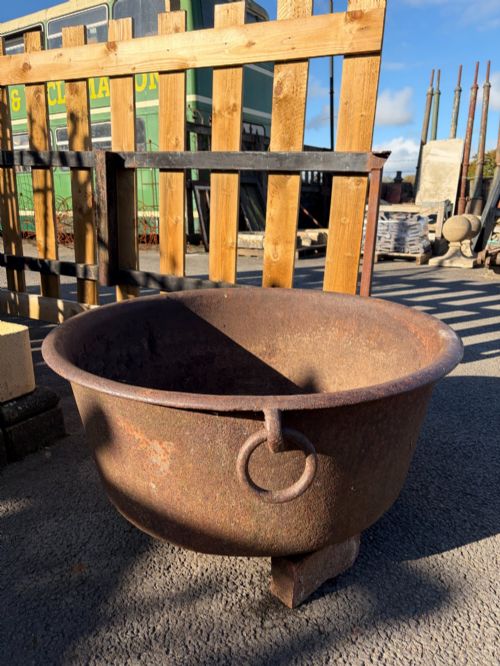
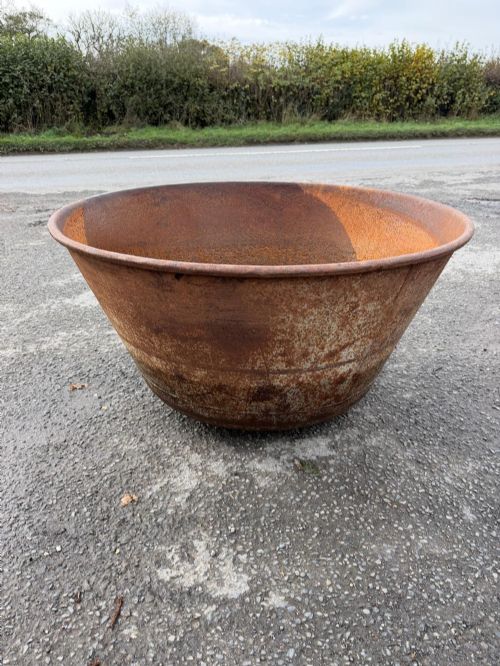
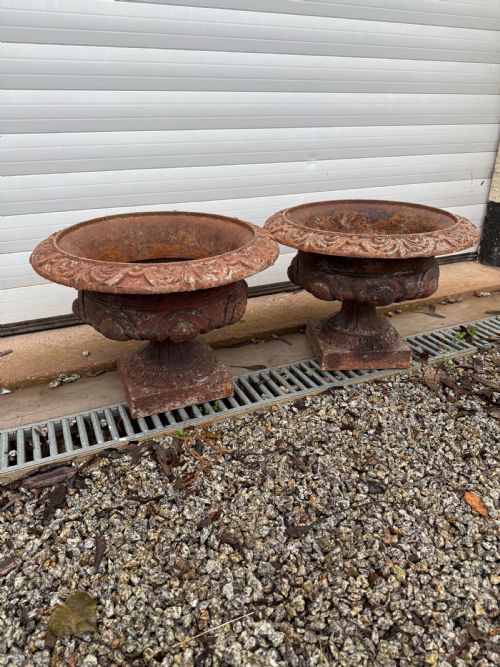
Forms range from simple sheet metal tubs and cast iron urns to decorative wrought iron strapwork planters and repurposed hay racks. Each piece demonstrates the heavy industrial and domestic utility of earlier eras adapted for modern planting.
How they were made
Makers utilised cast iron, wrought iron, and sheet metal, shaping rigid materials through foundry casting and manual forging techniques. Metal components were frequently painted or left to develop natural patinas over decades of exposure.
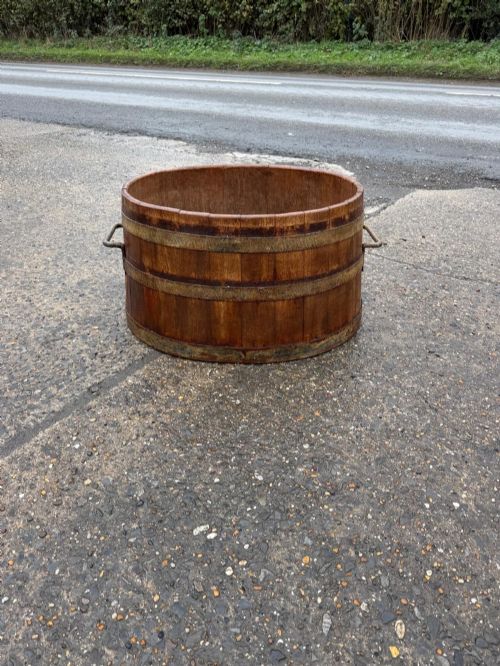
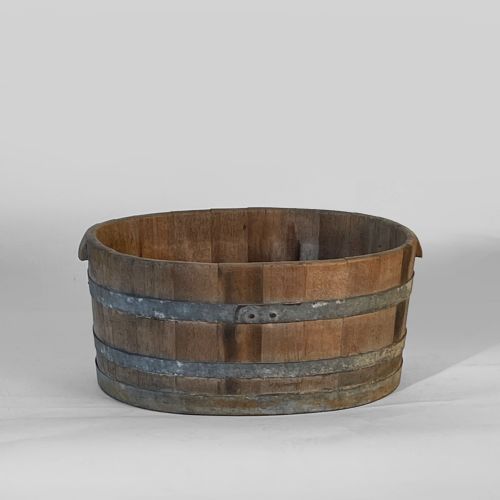
Structural elements often incorporated reinforced strapwork, riveted seams, and timber pairings such as oak for coopered washing tubs. Wirework and sheet iron were similarly deployed to construct robust frames capable of supporting soil and heavy plantings.
Vintage Iron Trough Planters Retail Price Guide 2026
Typical asking prices for vintage iron trough planters among the pieces listed under this phrase on Sellingantiques today, from the lower quarter to the upper quarter. They describe what is for sale here now, not the wider market.
An eighteenth-century butter churn walks into a garden and is immediately promoted to a high-end planter.
What varies in quality
The distinction between standard utility vessels and superior examples lies in the weight of the metal and the refinement of the casting or forging. Early pieces often exhibit crisp decorative detailing and substantial gauge metal that resists environmental degradation.
Proportion and structural integrity dictate the standing of a container, with matching pairs commanding particular interest. Surface texture and the depth of natural oxidation contribute significantly to the visual weight of the piece.
The Vintage Iron Trough Planters Glossary
- Wrought iron
- Iron that has been heated and worked with tools by a blacksmith rather than cast in a mould. This material displays characteristic fibrous textures and exceptional tensile strength.
- Cast iron
- Iron poured into a mould in a liquid state to produce complex forms with rigid walls. It offers heavy structural weight and crisp decorative relief.
- Strapwork
- Ornamental work consisting of flattened strips of metal arranged in geometric patterns. It provides both structural reinforcement and visual decoration on garden containers.
- Hay rack
- A slatted or grated metal trough originally designed for feeding livestock in agricultural settings. These pieces are frequently repurposed as wall-mounted planters.
- Patina
- The surface appearance altered by age, oxidation, and weathering over long periods of time. A desirable surface exhibits stable corrosion rather than active flaking.
Vintage Iron Trough Planters: Frequently Asked Questions
Are these planters suitable for outdoor use?
These robust metal containers are built to withstand outdoor environments year-round. Their heavy construction handles soil weight and weathering with ease.
Over time, exposure to moisture develops further surface oxidation, which many gardeners appreciate for its authentic appearance.
How do I date a cast iron planter?
Dating relies on assessing casting techniques, stylistic details, and surface wear patterns. Nineteenth-century pieces often display heavier wall thickness and simpler, utilitarian forms compared to later revivals.
Examining fixing methods and paint layers also helps establish the approximate age of the metalwork.
Can I use them indoors?
These vessels transition successfully to interior spaces when paired with a suitable waterproof liner or saucer to protect flooring. They function effectively as fireside storage or large decorative plant stands.
Their substantial weight requires stable placement on reinforced flooring.
How do I care for weathered iron?
Minimal intervention preserves the existing surface character of vintage iron containers. Brushing away loose debris prevents moisture retention while maintaining the stable aged patina.
Applying protective oils or specialised coatings can slow further oxidation if the metal is kept in sheltered locations.