


Vintage Iron Single Bed
A vintage iron single bed brings sturdy construction and graceful metalwork to smaller rooms, offering enduring style and practical proportions.
Vintage Iron Single Bed
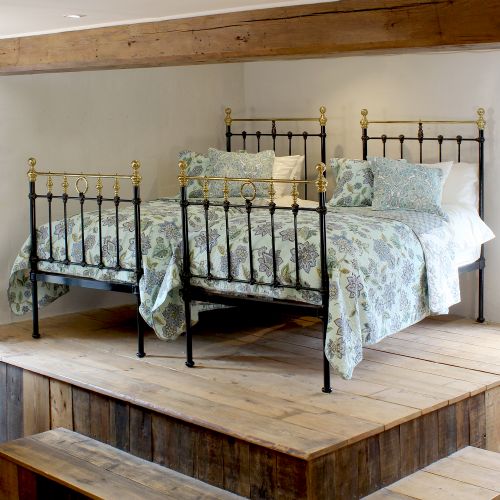
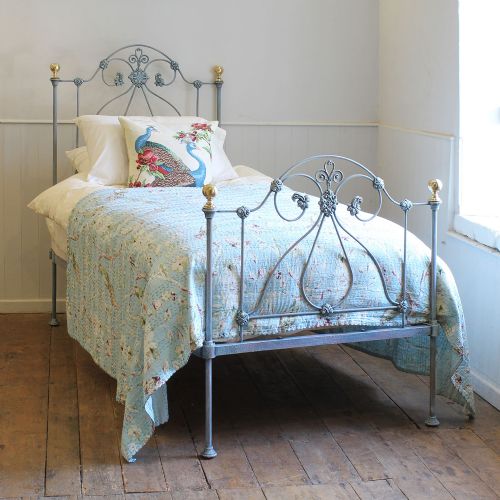
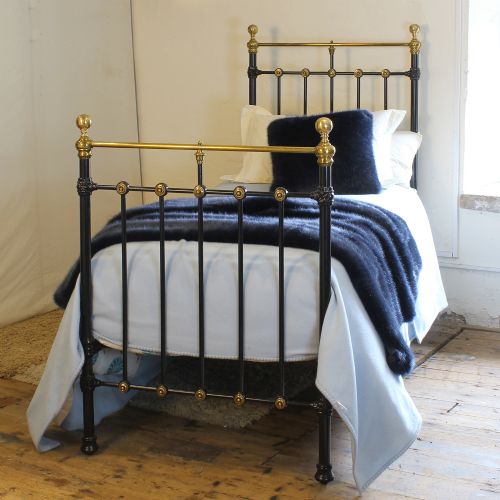
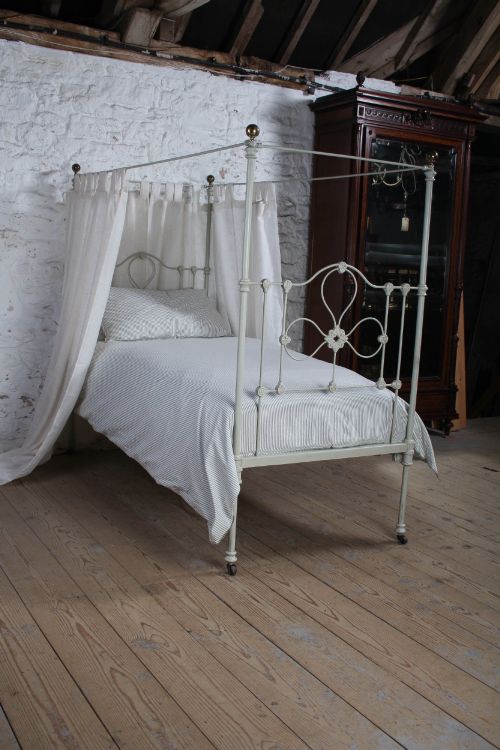
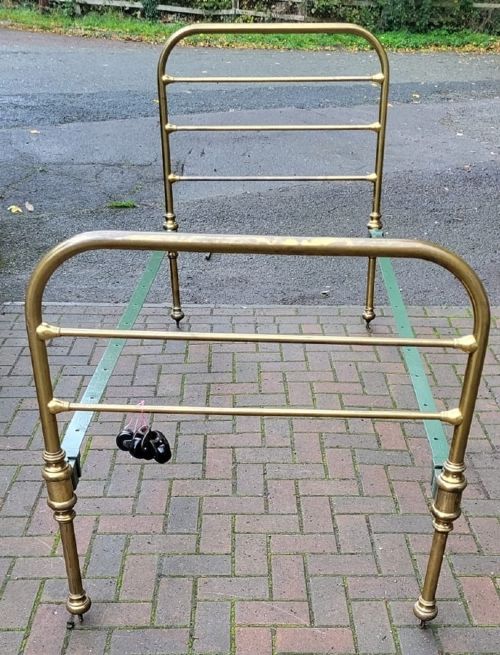
A vintage iron single bed is a sturdy and practical sleeping frame designed for one person, appearing frequently in Victorian and Edwardian styles. These pieces combine metal frames with varying headboard heights, often featuring straightforward single beds alongside no end variants that suit compact spaces.
The materials and origins span from classic British Victorian workshops to French Country and Portuguese Traditional designs, sometimes incorporating clever engineering to allow twin beds to be joined together. Buyers encounter various widths, including standard single formats and narrower small single dimensions suited to guest rooms.
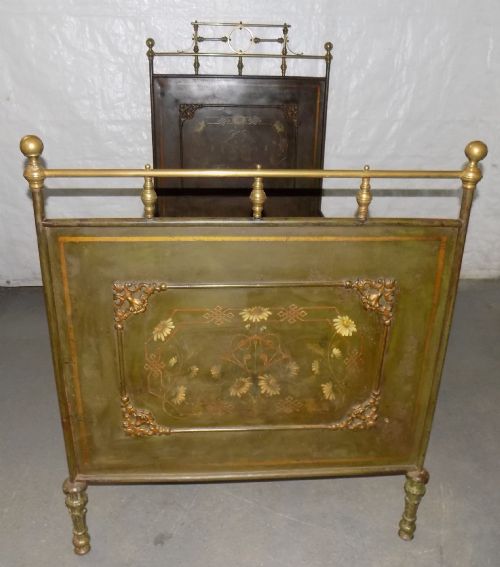
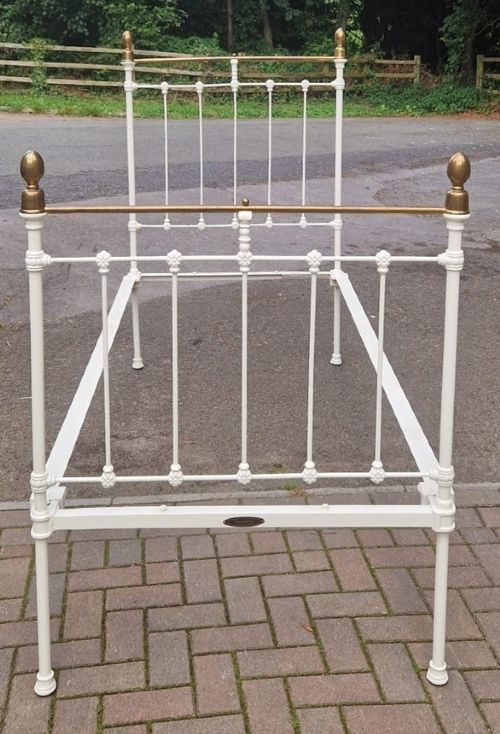
Examples often display charming decorative details such as brass rings, ceramic components, or painted finishes in blue verdigris, cream, and black. These versatile frames transition easily from traditional rural settings to modern urban interiors.
How they were made
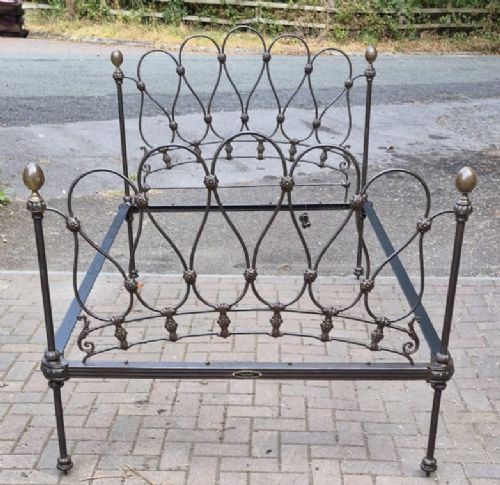
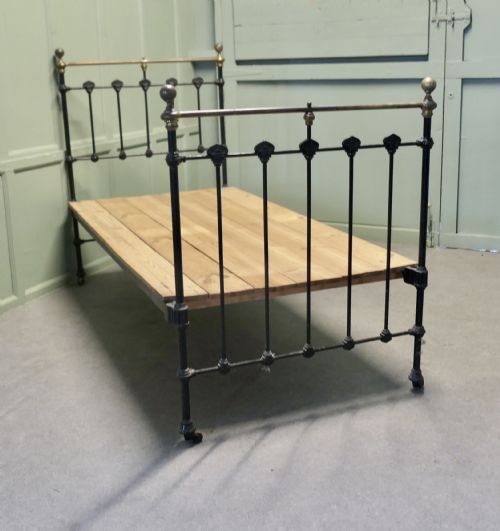
Makers constructed these frames using combinations of cast iron, wrought iron, and steel, frequently pairing metal tubing with decorative brass components. Hand forging and casting techniques created durable structural elements that supported standard mattress dimensions while maintaining visual lightness.
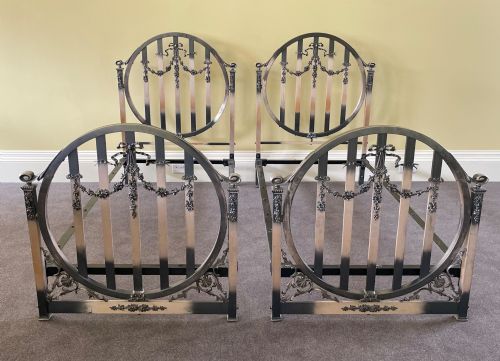
Surface finishes included protective paintwork, Toleware treatments, and nickel plating, which safeguarded the underlying metal against corrosion. Ceramic elements were often integrated into the framework as decorative accents or insulating mounts.
The listings span multiple periods from the mid-nineteenth century through the Edwardian era, incorporating cast iron, brass, steel, and painted finishes.
What varies in quality
Quality in these beds depends upon the refinement of the metal casting and the complexity of decorative detailing, such as brass mounts and turned finials. Superior examples exhibit clean joinery, balanced proportions, and robust structural integrity that has survived decades of use.
The preservation of original surface finishes, whether painted, plated, or polished, distinguishes finer pieces from those that have undergone aggressive restoration. Well-executed mechanisms for joining twin beds or adjusting frame dimensions also indicate superior manufacturing standards.
R W Winfield
The Vintage Iron Single Bed Glossary
- Bedstead
- A framework of a bed supporting the mattress and springs. This term frequently appears in nineteenth-century descriptions of metal sleeping furniture.
- Toleware
- Metalware painted or enamelled in japanned designs. Austrian and continental pieces often utilise this technique for colourful surface decoration.
- Nickel Plating
- A protective and decorative coating applied to iron or steel components. Edwardian frames frequently feature this bright, corrosion-resistant finish.
- Verdigris
- A green patina formed on brass or copper through natural weathering or chemical treatment. Certain antique pieces retain this distinctive atmospheric colour on their painted surfaces.
Vintage Iron Single Bed: Frequently Asked Questions
Can these single beds be joined together?
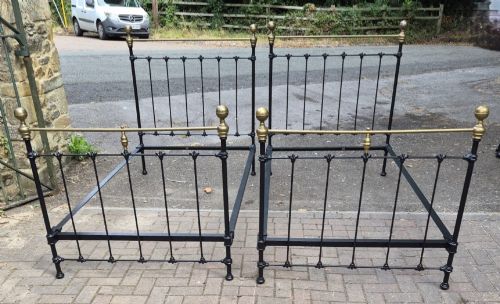
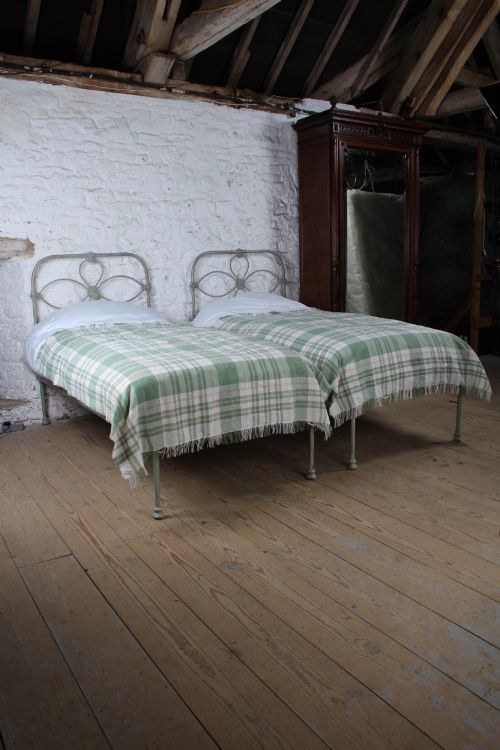
Many examples are manufactured as matching pairs designed to sit side by side as a larger sleeping platform. Makers often engineered these frames with compatible side rails for straightforward connection.
Buyers should inspect the specific configuration of the footboards and side members to confirm whether a particular pair can be successfully linked.
What mattress size fits these antique frames?
Most options follow traditional single proportions, typically measuring around three feet in width. Some listings note specific variations such as small single or super single dimensions.
Checking the precise internal width and length between the headboard and footboard ensures a proper fit for modern standard mattresses.
How do I care for painted iron frames?
Maintenance involves gentle dusting with a dry or slightly damp cloth to prevent dust accumulation on decorative joints and textured surfaces. Avoiding harsh chemical cleaners preserves the integrity of historic paint and plated finishes.
Inspecting structural bolts periodically helps maintain the stability of the frame over years of daily use.
How are Victorian and Edwardian beds different?
Victorian pieces tend to feature heavier cast iron components, brass finials, and robust structural framing associated with nineteenth-century manufacturing. Edwardian examples often introduce lighter proportions and alternative finishes like nickel plating.
Art Nouveau influences also emerge strongly in later pieces, displaying more fluid, organic lines in the metalwork.