


Single Iron Bed Frame
A single iron bed frame offers a sturdy and enduring sleeping solution, bringing character and architectural form to any bedroom.
Single Iron Bed Frame
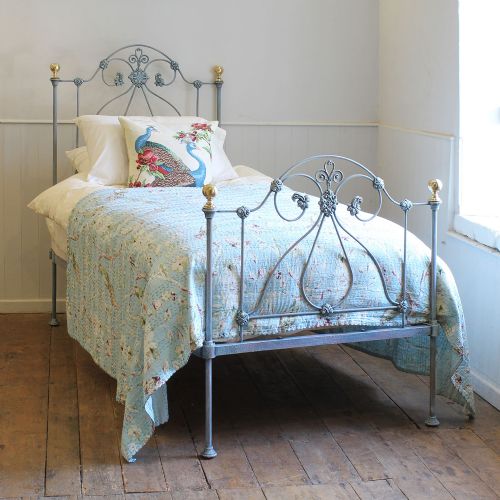
A single iron bed frame is a compact sleeping structure designed for one person, commonly constructed during the Victorian and Edwardian eras. Buyers searching for a single iron bed frame will encounter pieces dating from the mid-nineteenth century up to the early twentieth century, spanning styles such as Victorian, Art Nouveau, and rustic European.
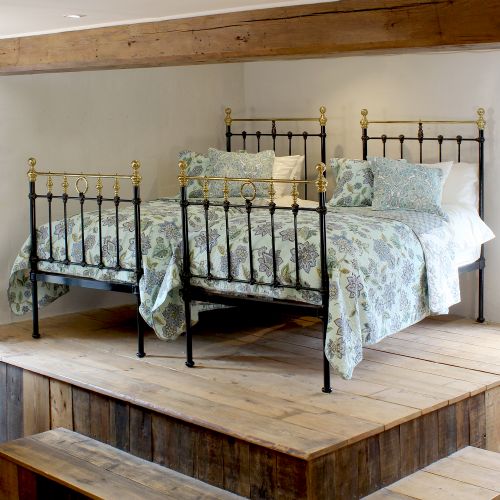
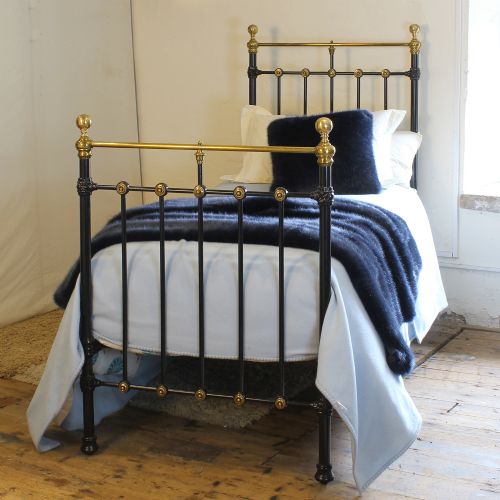
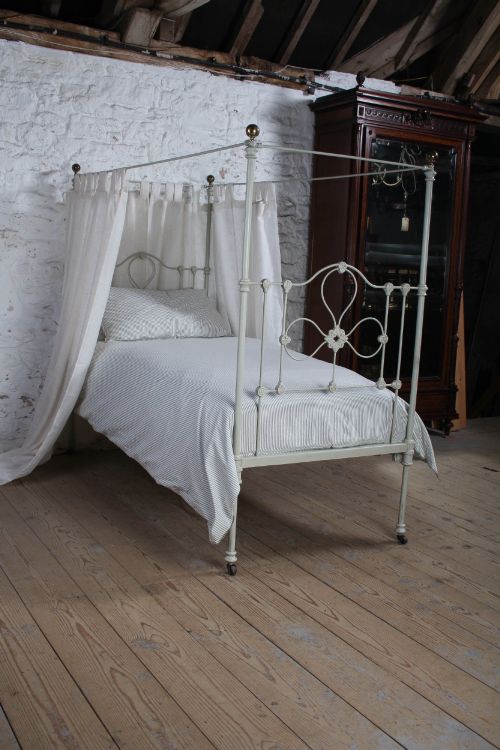
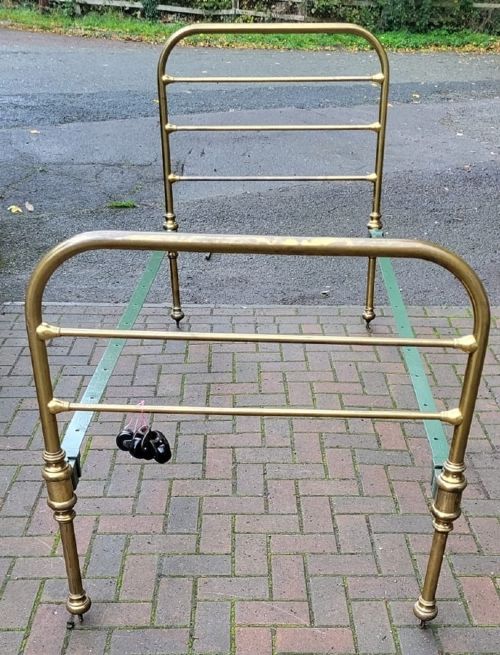
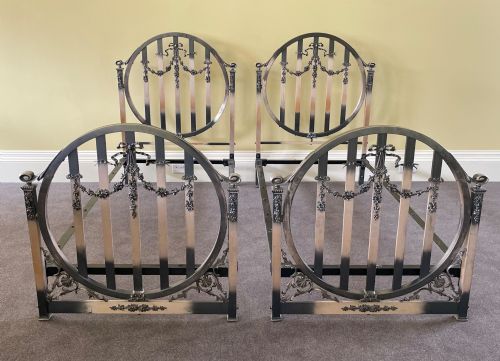
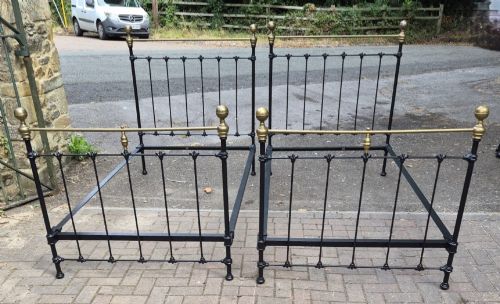
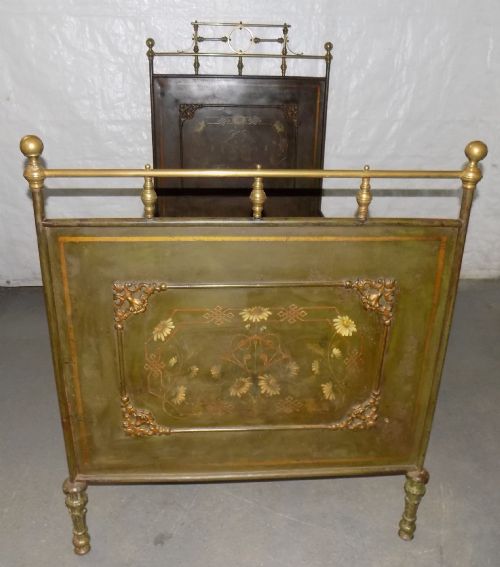
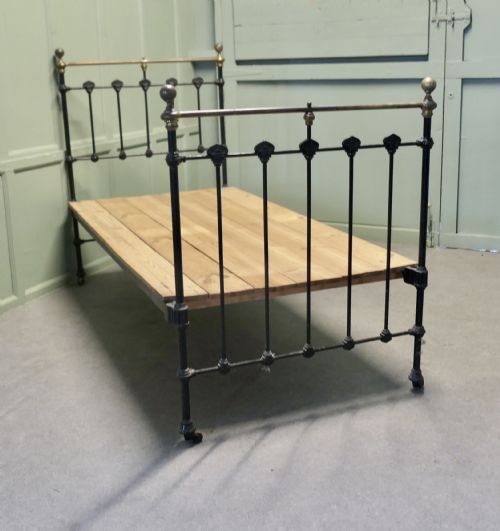
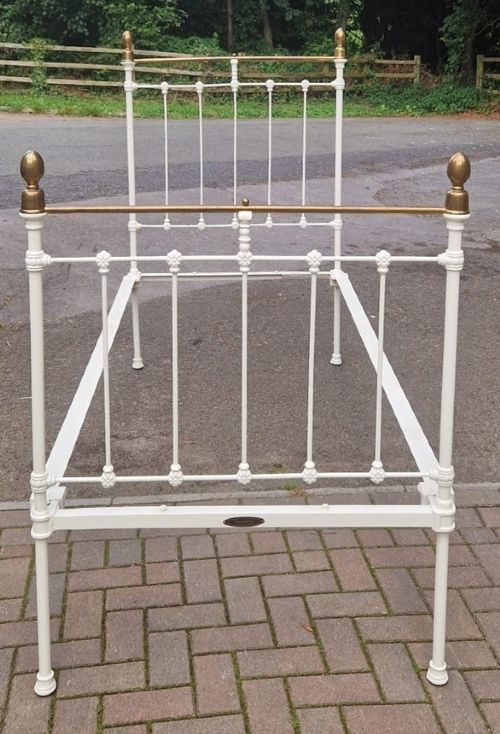
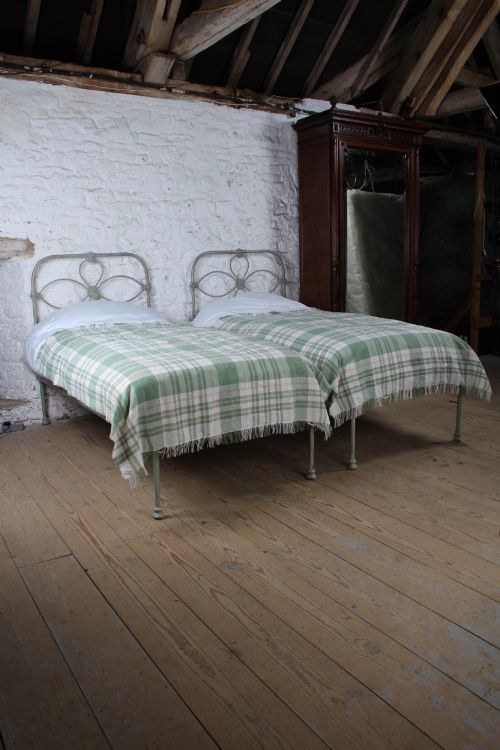
The most frequent form on this page is the Victorian single bedstead, often combining iron and brass components or finished in simple black, white, or painted surfaces. Many examples survive as pairs designed to be joined together, alongside specialised designs like the four poster or low no-end beds.
How single iron bed frames were made
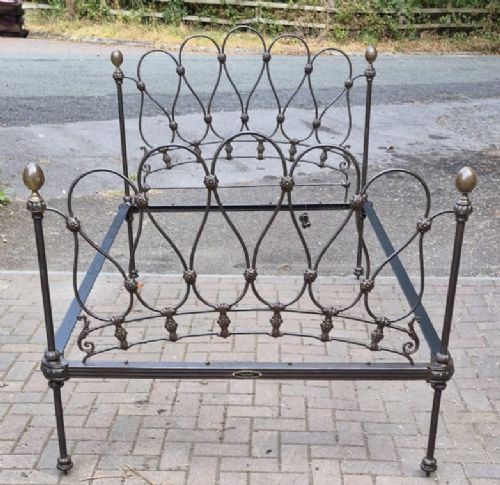
Makers utilised a combination of cast iron, wrought iron, and steel to build these frames, frequently incorporating brass details, nickel plating, or ceramic elements. Components were cast or hand forged, then finished with paint, toleware, or verdigris treatments to protect the metal and provide colour.
Structural elements commonly include robust side rails and head and foot boards, sometimes featuring decorative rings, brass decoration, or platform bases to support the mattress properly.
Listings feature single iron bed frames from the Victorian, Edwardian, and nineteenth-century periods, utilising cast iron, wrought iron, brass, steel, and ceramic.
What varies in quality
Quality in a single iron bed frame depends upon the refinement of the metalwork, the presence of original brass or nickel plating, and the crispness of any cast ornamentation. Finer examples display careful hand forging, balanced proportions, and integrated maker signatures or stamps.
The integrity of the original joints, the retention of authentic painted or patinated surfaces, and whether the frame survives as a matched pair rather than a single piece also distinguish better examples.
R W Winfield
The Single Iron Bed Frame Glossary
- Cast iron
- Iron poured into a mould to create rigid shapes and decorative motifs. It provides heavy structural stability for antique bed frames.
- Wrought iron
- Iron heated and hammered into shape by hand. This material allows for distinctive forged details and slender structural lines.
- Bedstead
- A framework supporting a bed, consisting of head and foot boards connected by side rails. Antique bedsteads require appropriate sizing for modern mattresses.
- Brass and iron
- A combination construction method utilising iron for the main frame and polished brass for finials, top rails, or decorative accents. This dual-metal style was particularly popular in the Victorian period.
- Platform bed
- A bed frame featuring a solid or slatted base designed to support a mattress directly without traditional box springs. These offer a low profile and clean lines.
- Nickel plating
- A protective and decorative metallic coating applied to iron or steel components. It imparts a bright, silvery finish seen on later nineteenth and early twentieth-century frames.
Single Iron Bed Frame: Frequently Asked Questions
How do I fit a modern mattress?
Many antique single iron bed frames were made to nineteenth-century dimensions, which can differ slightly from standard modern single mattress sizes. Checking the internal length and width between the side rails ensures proper placement.
Custom mattress makers or modern slatted bases can be utilised to adapt older frames securely while maintaining comfortable support.
Can paired beds be joined together?
Several surviving single frames were manufactured as matching pairs intended to be positioned side by side. Their original construction often allows them to be linked together securely to form a wider sleeping platform.
Inspecting the inner side rails reveals whether connection brackets or matching fixing points are present for this configuration.
How do I care for painted iron?
Painted iron and toleware surfaces benefit from gentle dusting with a dry microfibre cloth to prevent the accumulation of grit. Moisture should be avoided to protect the underlying metal and original finish.
Applying wax is unnecessary unless specified for a particular surface treatment, as keeping the area dry preserves the paint best.
How do I date a frame?
Dating relies on stylistic clues such as the presence of elaborate Victorian brass ornamentation, Art Nouveau curving lines, or simpler Edwardian structural forms. Materials like nickel plating or specific paint colours also point toward particular decades.
Maker stamps or marks left in the cast iron provide direct evidence of the workshop and approximate production era.