
Vintage Iron Side Table
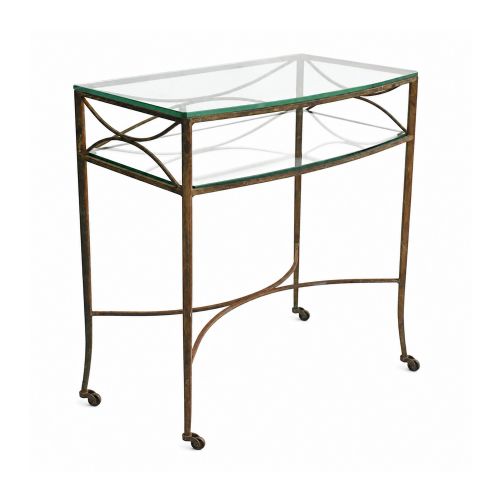
A vintage iron side table brings heavy metal structure and practical surface space together, drawing on nineteenth and twentieth century design.
Vintage Iron Side Table
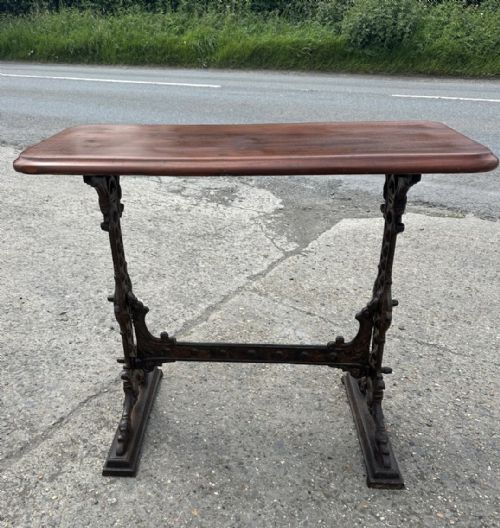
A vintage iron side table combines structural metal bases with varied surfaces, appearing frequently as pub tables, garden tables, and console tables. These pieces span the nineteenth century through the 1930s, reflecting utilitarian and decorative origins across English and French workshops.
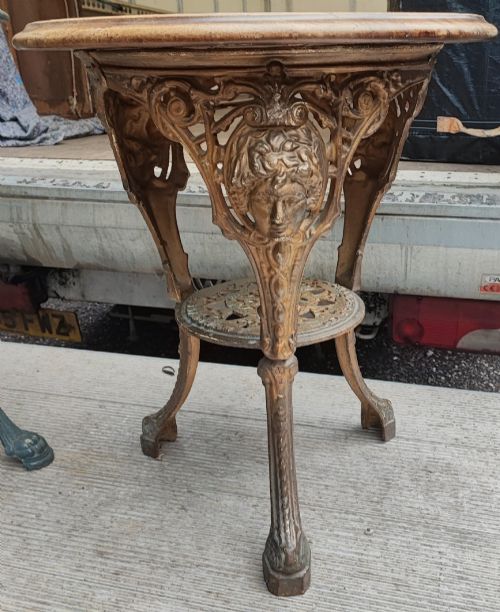
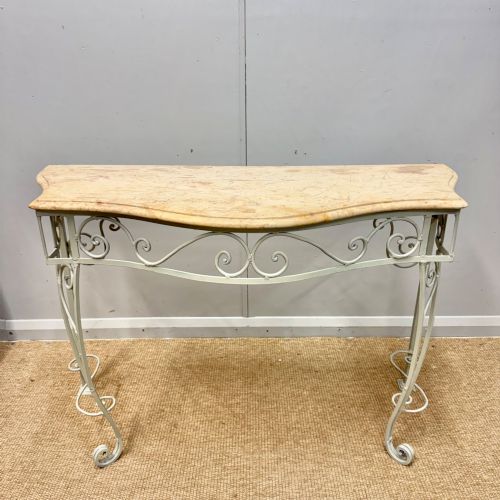
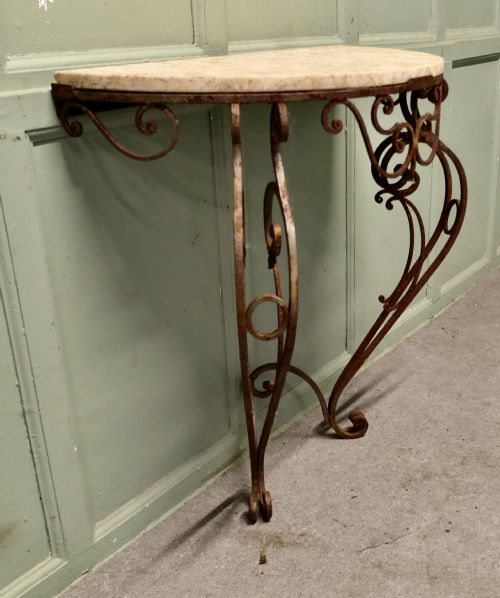
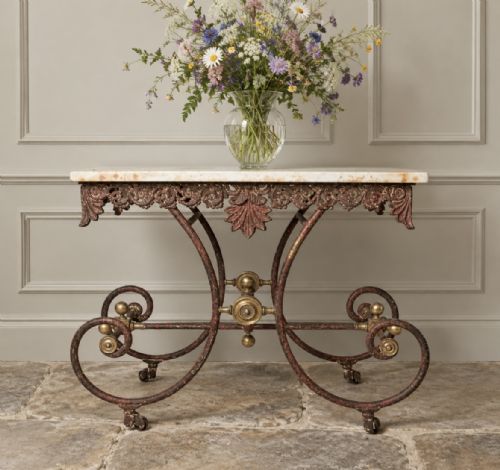
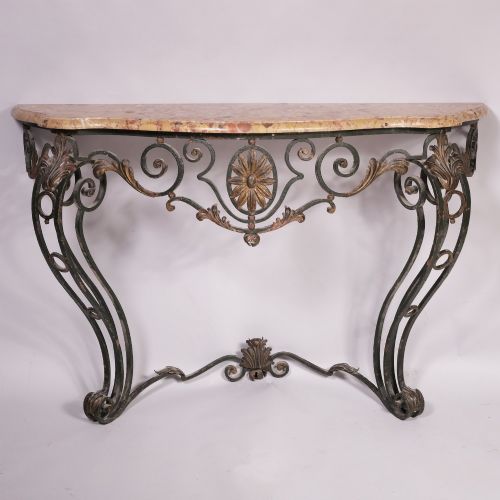
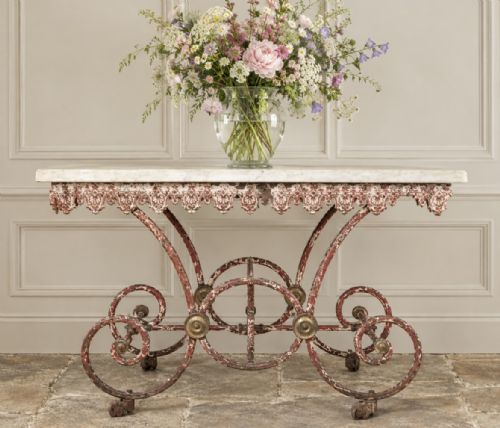
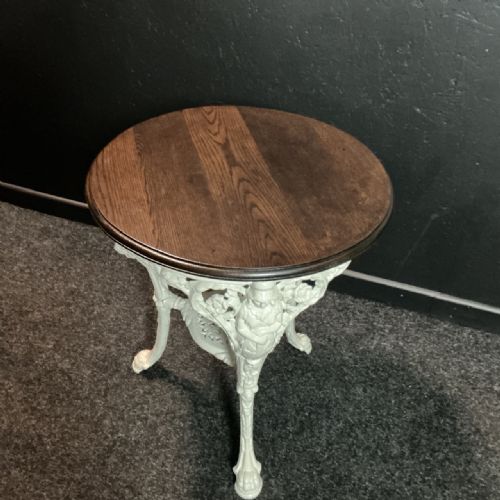
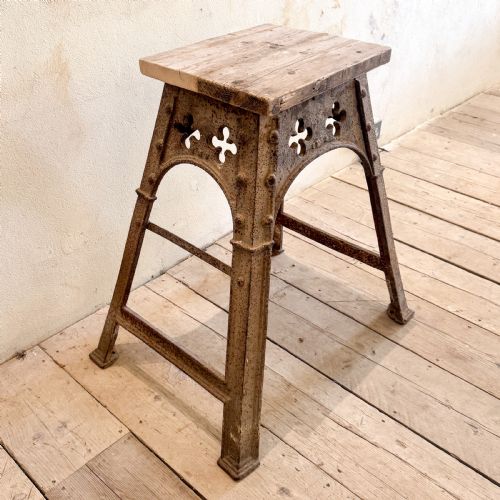
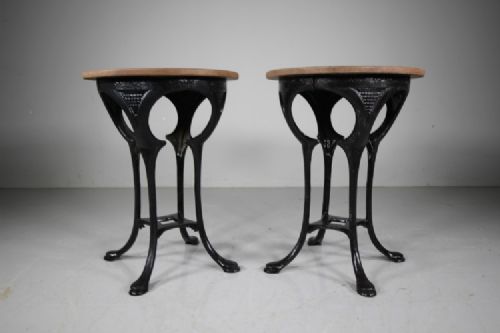
The version most commonly met on this page pairs a cast iron or wrought iron base with a marble or timber top. Examples range from industrial machine bases to ornate Victorian pub tables and French bistro tables.
Materials and construction methods
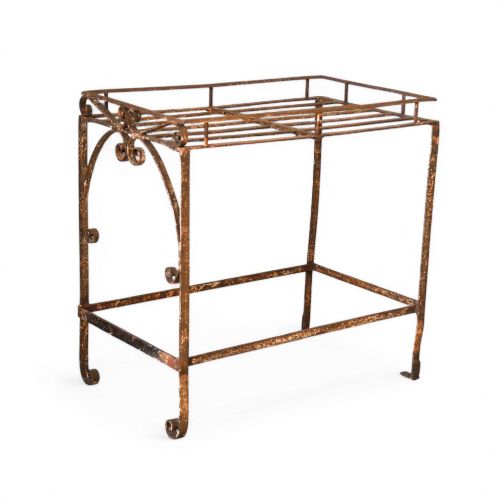
Makers utilised cast iron and wrought iron for the structural supports, often shaping the metal into tripod bases, scrollwork, or industrial machinery frames. These robust frames were combined with surface materials such as marble, mahogany, oak, pine, and glass.
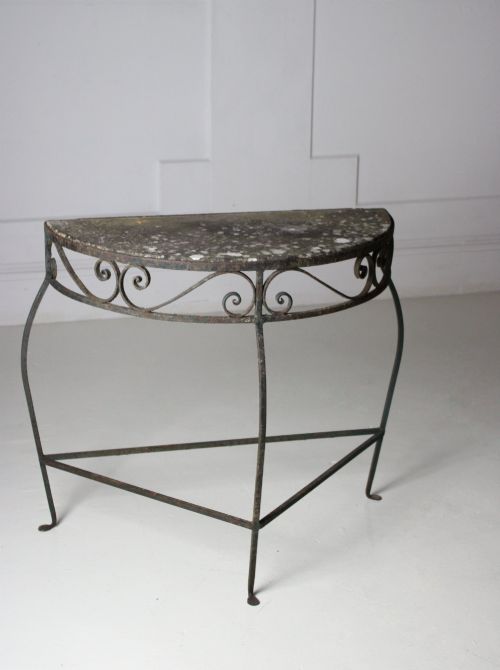
Top surfaces were secured to the metal frames using brackets or bolts, frequently integrating stone like serpentine or green marble with natural timber elements. Estate-made and industrial pieces show straightforward joinery alongside decorative metal casting.
Periods represented span from the 1880s through the 1930s.
Evaluating the standard of construction
The distinction between tiers of quality rests on the integrity of the original pairing between base and top. Pieces that retain their original marble slabs, timber tops, or specific maker components stand apart from later adaptations.
Casting crispness and the finesse of wrought iron scrollwork indicate the workshop standard. Finer examples display clean casting lines, original patination on the metal, and uncompromised structural joints.
Archibald Knox·Carters Of London·TANNS DEFIANCE LONDON
The Vintage Iron Side Table Glossary
- Cast iron
- A strong, hard iron-carbon alloy produced by pouring molten metal into a mould. It allows for intricate decorative patterns and heavy structural bases found in pub and garden tables.
- Wrought iron
- Tough, malleable iron beaten or bent into shape by hand rather than cast in a mould. This material appears in scrollwork and linear supports on French console and bistro tables.
- Gueridon
- A small French round table supported by a central column or tripod base. These often feature marble tops and painted iron frames.
- Britannia metal
- A tin-based alloy often associated with pub table bases that feature iconic seated figures. These heavy pedestals support wooden or marble round tops.
Vintage Iron Side Table: Frequently Asked Questions
What periods do these tables come from?
The listings span the nineteenth century through the 1930s, encompassing Victorian, Edwardian, and Art Deco eras. Many pieces reflect late nineteenth-century industrial and domestic utility.
French provincial and bistro designs from the early decades of the twentieth century also appear frequently alongside English pub and garden furniture.
How were these iron tables originally used?
Many examples served commercial and domestic functions, operating as pub tables for drinks, tavern tables, or cafe tables for daily dining. Others functioned as console tables in halls or wash tables in bedrooms.
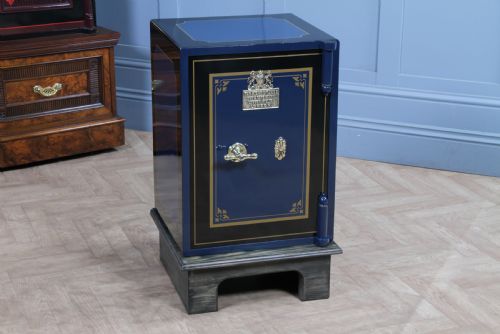
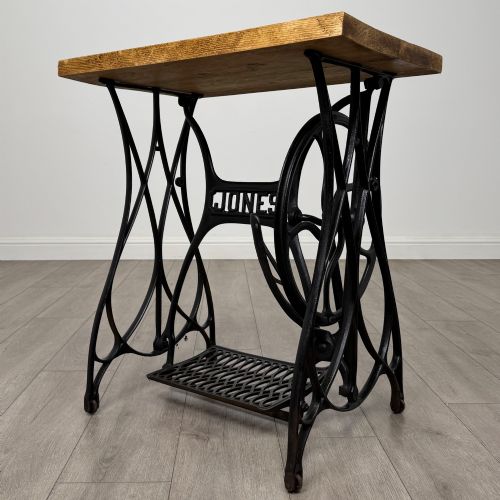
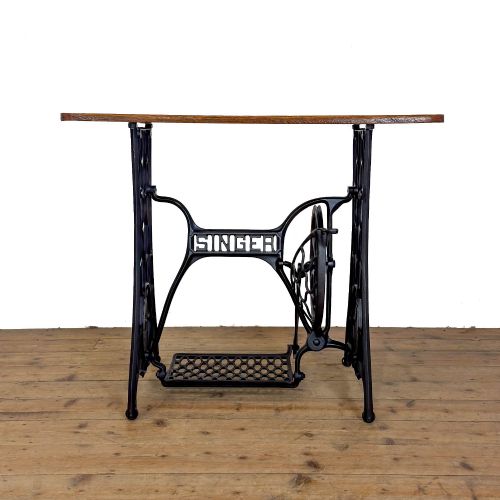
Industrial bases often originated from practical machinery, such as sewing machines or mangles, which were later adapted with timber or stone tops for domestic use.
Are the marble tops original to the iron bases?
Many tables retain their original marble, serpentine, or timber tops fitted directly to the iron frames. Some pieces combine vintage iron bases with period-appropriate stone or wood surfaces.
Examining the underside reveals how the top secures to the frame and indicates whether the components share the same period of origin.
How do I care for a vintage iron table?
Protect iron bases by maintaining a dry environment to prevent oxidation, using dry cloths for routine dusting. Wrought and cast iron surfaces benefit from occasional light waxing where finishes permit.
Marble tops require gentle cleaning with neutral soap and water to avoid staining, while timber surfaces respond well to traditional furniture wax.