
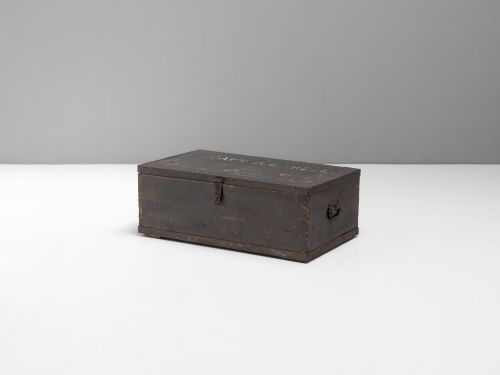
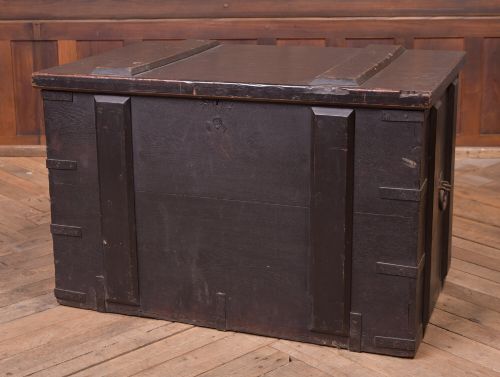
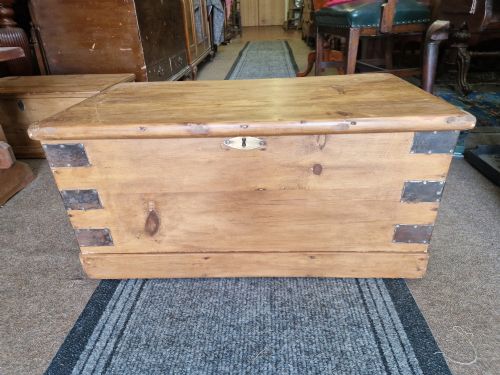
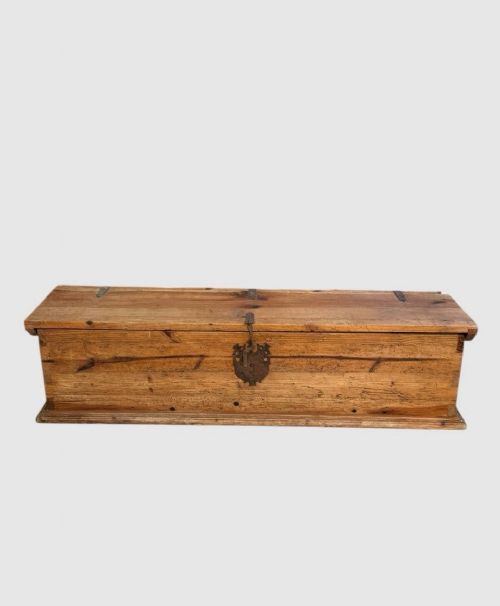
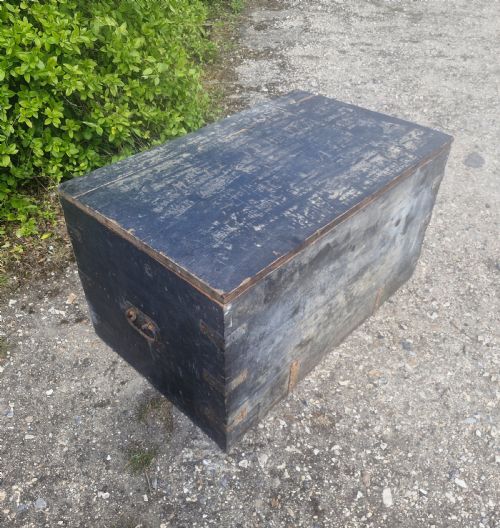

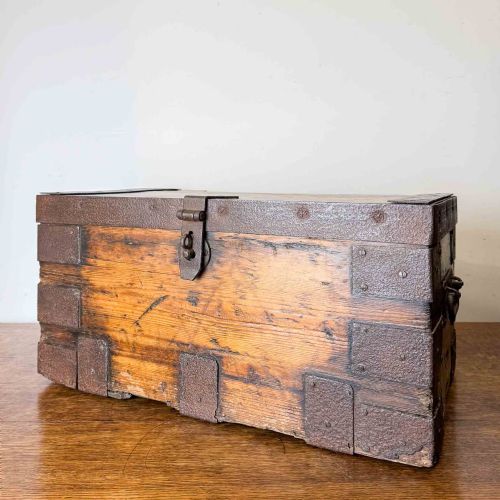

Vintage Iron Bound Box
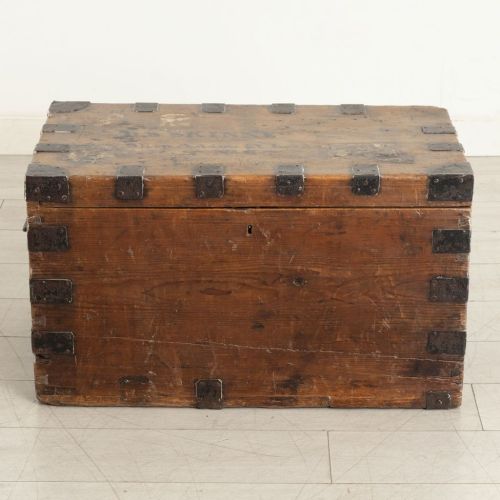
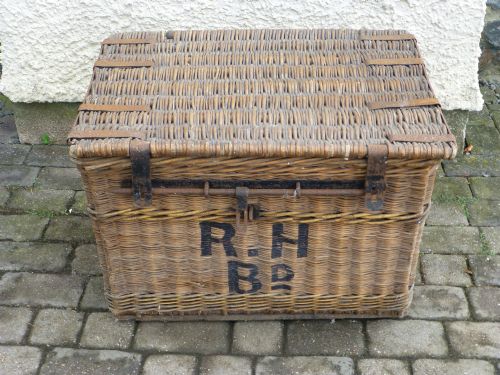
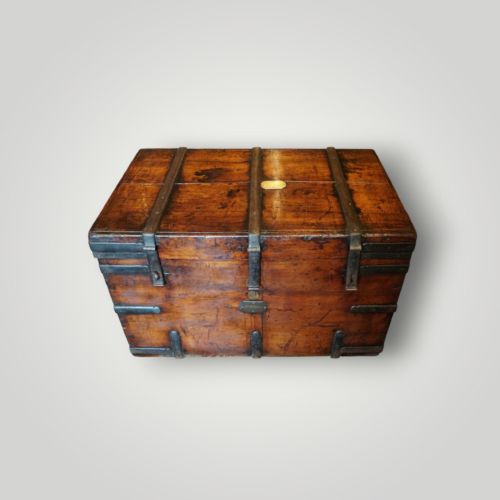
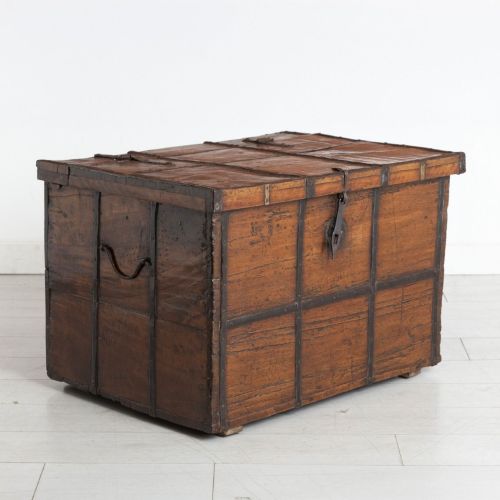
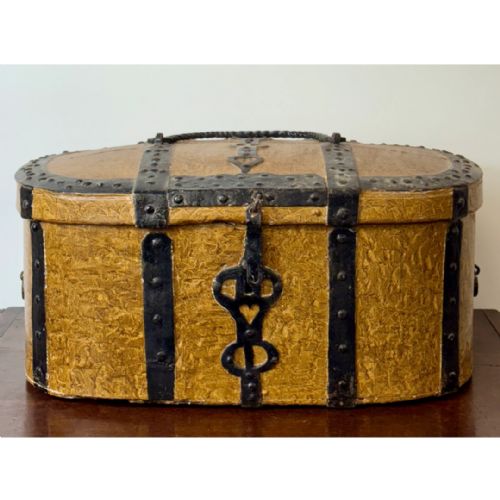
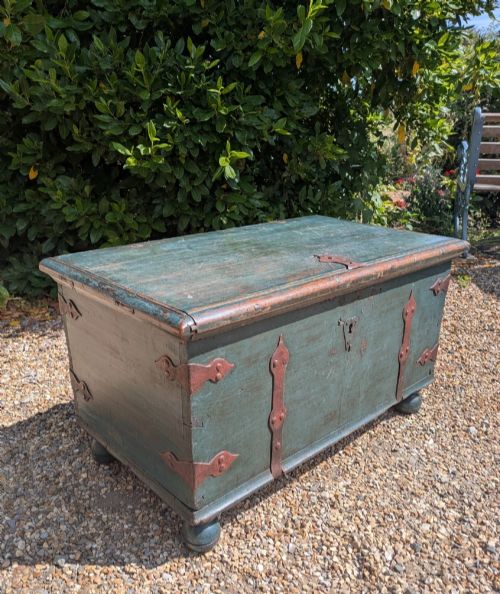
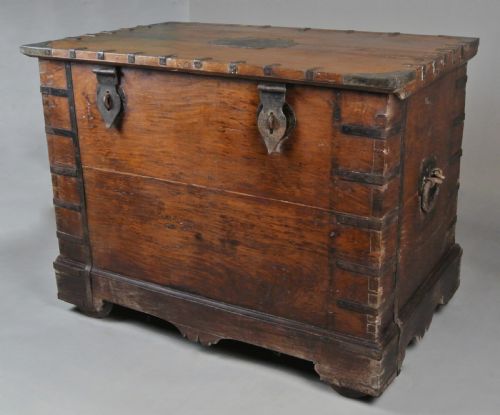
A vintage iron bound box brings heavy timber construction and strapwork together for durable storage that anchors a room.

Vintage Iron Bound Box
A vintage iron bound box encompasses heavy storage pieces designed for travel, domestic duty or security, featuring timber bodies reinforced with metal strapwork. These utilitarian containers range from substantial dowry chests to compact travel trunks built to withstand rough handling.
The pieces appearing on this page stretch from the sixteenth century through the Victorian era and into the early twentieth century, drawing on Georgian, Scandinavian folk art and military campaign traditions. The form serves practical needs first, whether functioning as a blanket box, a shipping trunk or a log bin.
Pine and oak form the carcass of many examples, whilst teak, walnut, mahogany and elm appear alongside painted finishes and hide coverings. The iron work provides both structural strength and visual contrast to the timber surfaces beneath.
Construction and materials
Makers built these containers using robust domestic and exotic timbers such as pine, oak, teak and mahogany, joined with dovetails or simple pegged corners. Iron and wrought iron straps, brackets and hinges were then fastened across the wood to reinforce the structure against heavy stress.
Many surfaces received layers of paint, particularly in Scandinavian folk art and painted pine examples, whilst others retained the natural grain of elm or walnut. Hand forged iron strapwork and specialised locks completed the build, ensuring the contents remained secure during transit.
Materials recorded across the selection include pine, oak, teak, mahogany, elm, wrought iron, brass, paint and hide.
Assessing quality and character
Quality rests in the integrity of the timber frame and the skill behind the hand forged iron strapwork. Pieces that retain their original paint, hardware and structural fixings hold greater integrity than those altered over time.
Provenance and specific historical context elevate certain examples, such as military campaign chests linked to regiments or marked travel trunks with documented ownership. The harmony between the timber body and the functional metal reinforcement dictates the overall presence.
Sir Randolph Isham Routh KCB·Jessie Degan Cole
The Vintage Iron Bound Box Glossary
- Strapwork
- Flat strips of iron fixed across the exterior of a box or chest to reinforce joints and prevent splitting. This metal work forms geometric patterns or simple protective bands.
- Campaign chest
- A portable trunk or set of drawers made in sections for military officers on the move. These pieces typically feature recessed brass handles and reinforced corners.
- Dowry chest
- A large storage container made to hold household linens and possessions for a bride. They often display regional decoration, painted finishes or elaborate iron bindings.
- Coffer
- A heavy wooden chest with a lid, traditionally used for storing valuables. Early examples rely on thick timber walls and primitive iron hinges.
- Strongbox
- A secure container built with heavy iron banding and complex locks to protect money or documents. They prioritise security over portability.
Vintage Iron Bound Box: Frequently Asked Questions
What were iron bound boxes originally used for?
These boxes served multiple duties including travel, military transport, security for valuables and household storage for blankets or dowries. Their robust construction protected contents from moisture and rough transit.
Over time, many transitioned into domestic furniture such as coffee tables, log bins or decorative display pieces within country houses and rural homes.
How can I date a vintage iron bound box?
Dating relies on observing the timber species, construction methods like dovetailing, and the style of the iron strapwork and locks. Earlier pieces from the sixteenth or seventeenth centuries display primitive joinery and hand forged iron, whilst Victorian examples often utilise machine cut elements and softer pine.
Regional characteristics, such as Scandinavian painted folk art or military campaign brassware, further narrow down the origin and period of manufacture.
Are these boxes suitable for modern daily storage?
Their original purpose as durable containers makes them practical for storing blankets, bulky items or general household clutter today. The heavy timber and metal reinforcement provide a stable structure that withstands everyday use.
Many people also use larger chests as coffee tables or statement storage units in living spaces and hallways.
How should I care for the timber and iron?
Maintain the wood by applying suitable wax or oil sparingly to keep the surface nourished without attracting dust. Avoid placing them near direct heat sources that could cause the timber to split or warp.
Keep the iron strapwork dry and free from moisture to prevent rust, wiping gently with a soft cloth when needed.